- Second Chance AIHA ›
- Forums ›
- AIHA Dog ›
- Honey
Hi Lynda.
Glad to hear Honey is feeling a bit better after her transfusion. It’s amazing how quickly they pick up afterwards. As you say, their behaviour tells you an awful lot about what is going on. When the PCV drops slowly, certainly with cats (and I would think dogs are similar), they do compensate remarkably well.
I’m inclined to agree with what everyone has said about the cyclosporine, mainly due to the wonderful success stories here. As far as I’m aware, it also has the added benefit of not suppressing the bone marrow (please correct me if I’m wrong, everyone).
I absolutely understand your concerns about side effects although agree with Sheena about looking at the bigger picture. Do think about getting another opinion from a different vet if needs be, so that you can feel fully informed. Many vets won’t give you an opinion without assessing the animal themselves, so they may well want to see her and her lab reports.
Sending lots of love to you and the girls. And yes, come on reticulocytes!
Mary & Mable x
Hi Lynda
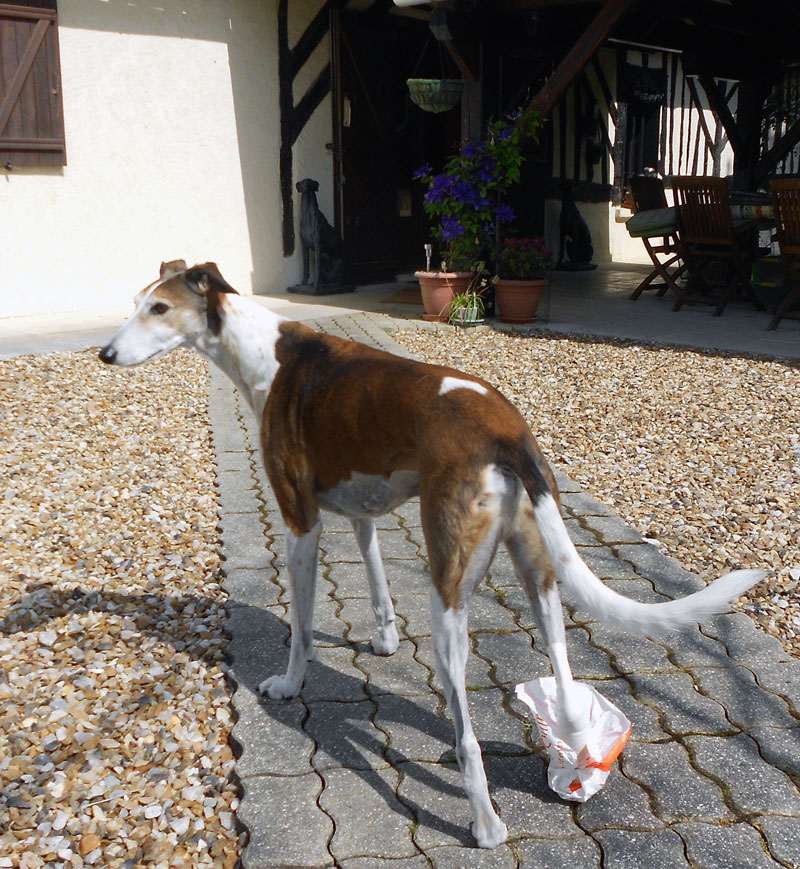
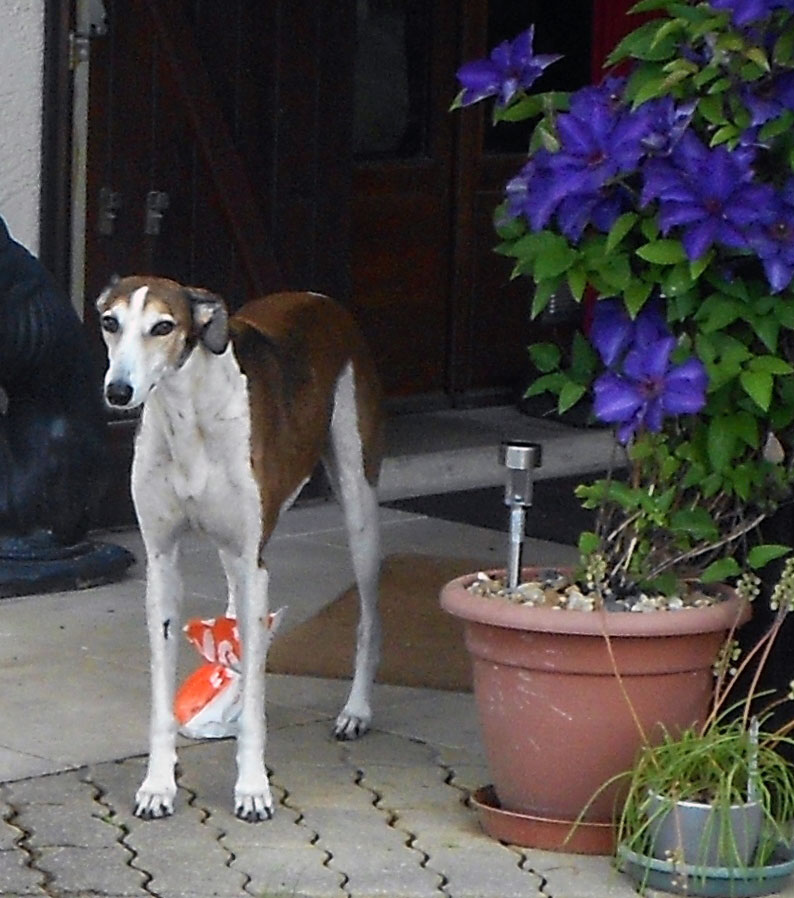
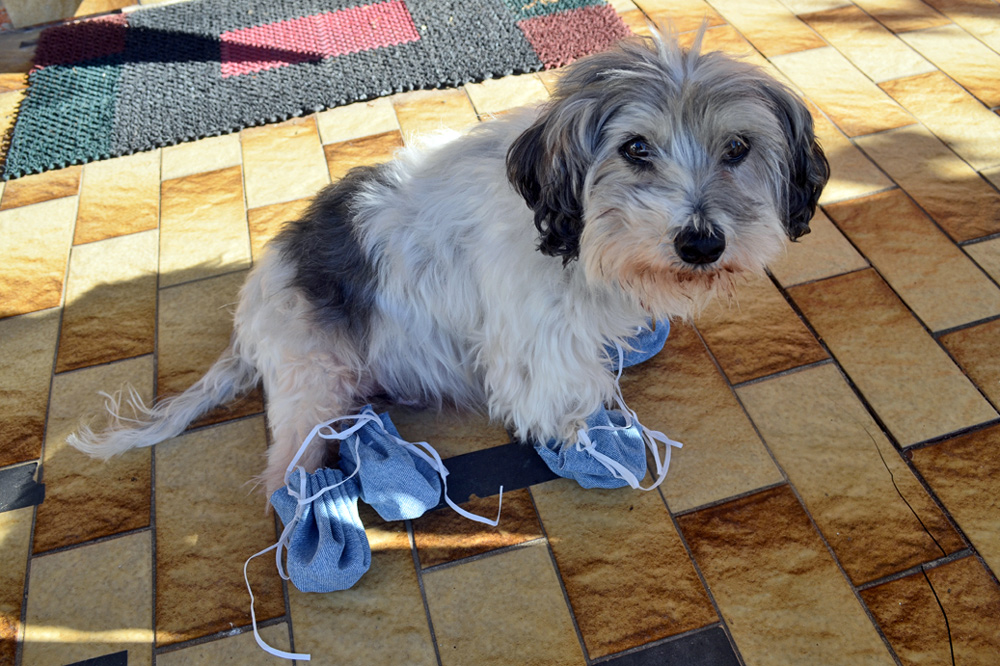
Poor Dora – it’s tough on their friends – they don’t understand why their best pal doesn’t want to run around with them. Worzel has to wear his bag on his foot in the garden still to cover his big bandage, so is a bit reluctant to play – Ollie is NOT happy about that at all!
OK Honey Bunch – make some reticulocytes for your Mum – we are all willing you to do it from all the “corners” of the globe!
Hi Lynda. Have company, but wanted to let you know that the cyclosporine is what got Sadie regenerating. It took about 10 days to kick in, but during that time, she stayed at a stable PCV and then she took off well.
Sadie, until two months ago, was in 50MG Atopica daily – for over a year. We had issues (Horner’s Syndrome, RIGHT and LEFT side of face) , but I don’t know that she would have started regenerating without it. We are finally at a dose of ONE 10MG every 4 days, and she’s doing pretty darn good, although a bit of a tubby (gained 8 pounds!). Bottom line, Atopica saved Sadie, coupled with the prednisone. Side effects, yes, but her life far out weighed my concerns.
This is all mind boggling. Please know we’re with you through all this. Pease keep us posted.
Live and huge hugs,
Linda and Sadie
Lynda,
I am so glad you were able to get another transfusion and it sounds like it did a lot of good for Honey. You must feel very relieved that it went well. Good job Mommy.
I can see many people urging you to ask to switch to cyclosporine and I know Dr. Dodds urged you to use this as well. I wanted to tell you about my experiences with it and what I have learned about it since I used it with Chance.
When Chance was very ill and Dr. Dodds came on board with her treatment, the first thing she did was put him on cyclosporine (veterinary brand Atopica). It saved his life.
I have, in the 7 years since he took this, done oodles of research on this drug. Atopica has been extensively tested and marketed for one primary use: dogs with allergies. That is how the company makes money with it.
The use of this drug for other autoimmune conditions is considered off label, simply no tests have been done to determine the effectiveness with conditions other than allergies. That does not mean that it is not being used for autoimmune conditions! On the contrary it has become a very popular drug for many conditions and is widely prescribed by vets. Dogs handle it surprisingly well. For dogs with life altering allergies it is a game changer, making them comfortable for the first time in their lives.
I have read all the research results that were done with this drug. When they test this, they may give 4-6-8 times the dosage that would normally be given. They evaluate the dogs in many ways to see how effective it is for the result they want to see. They want also to determine what side effects there are, how serious they are and at what doses. They want to see if these side effects are reversible when the drug is removed. So the unique aspect of this drug is how it accomplishes the job. Let’s contrast it to prednisone first.
Prednisone is like an atom bomb to the immune system. By that I mean that it suppresses the whole immune system, all the white blood cells, even the good ones that protect us from infections. As you reach prolonged high dose therapy with prednisone you see more problems with every organ and system as the body is flooded with too much cortisol. The early benefits of prednisone soon become deficits. And you cannot remove this drug rapidly from the system, it must be carefully decreased. The bad effects of this drug linger for weeks, months before you are finally free from them.
Cyclosporine on the other hand targets only the bad guys of the immune system, the killer t-cells lymphocytes. And what is interesting is that you use the same dose to get that result as you do to treat canine allergies. This is because in both cases, it is the same guilty t-cells causing the problem.
Cyclosporine was developed to be used in human medicine to stop organ transplant patients from rejecting their new organs. Prednisone had worked but the side effects were disastrous for these already sick people. It is developed from a type of mushroom and targets those lymphocytes very specifically. So for millions of humans it has been a life saver. Now it is helping many dogs and even cats. The uses for this drug have expanded to a number of autoimmune conditions.
What are the side effects that researchers found when they tested this drug? At the normal doses, they found some dogs (but not all) had some level of digestive problems such as diarrhea, nausea etc. A few dogs had worse digestive problems. All dogs in the normal dose groups had no more problems once the drug was removed or the dose lowered. Dr. Dodds has often suggested that the drug be given with food for a few days, or the dose lowered to see if the dog can tolerate it this way. In most cases a dog will adjust to it and be fine after a few days exposure.
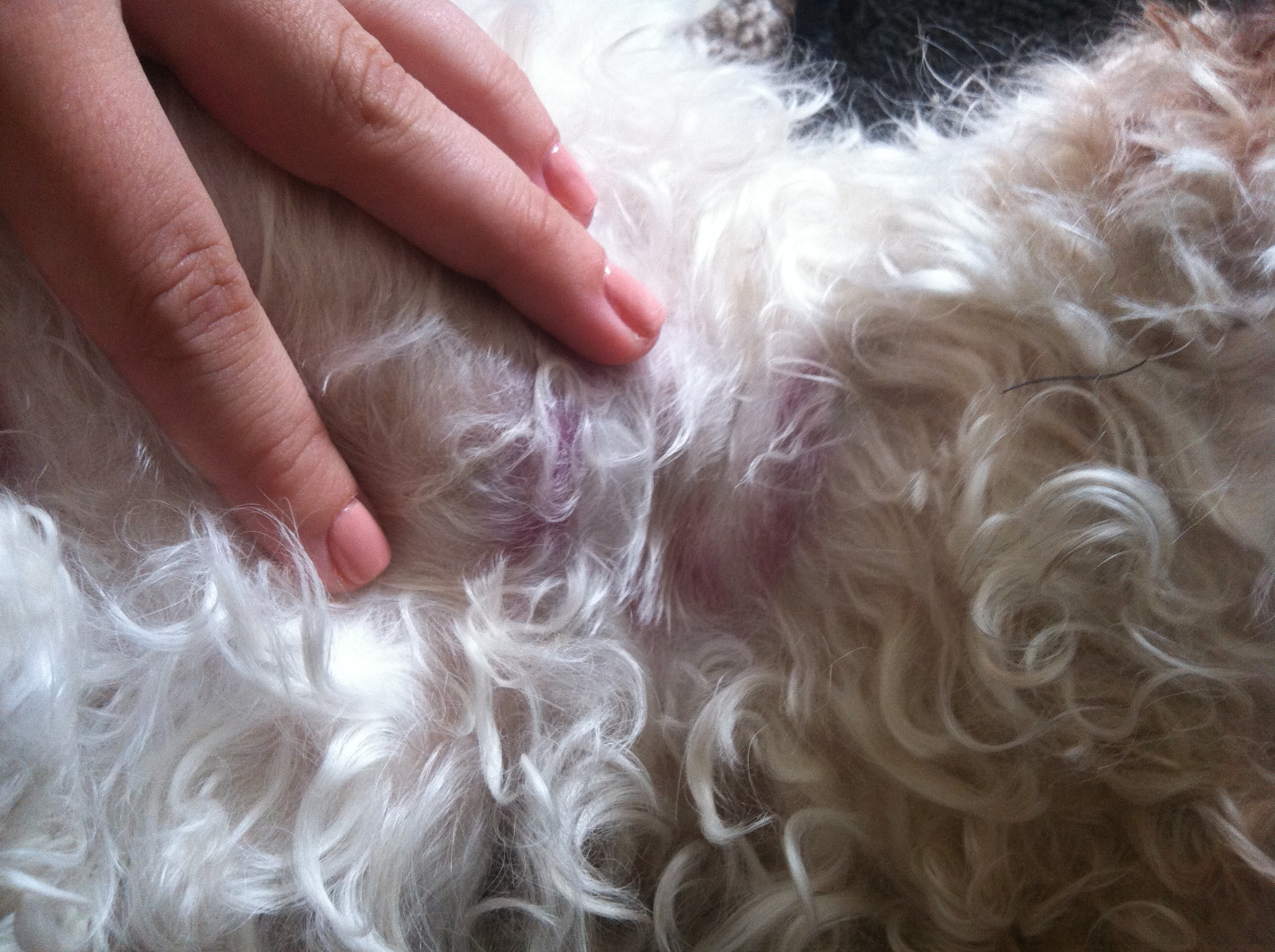
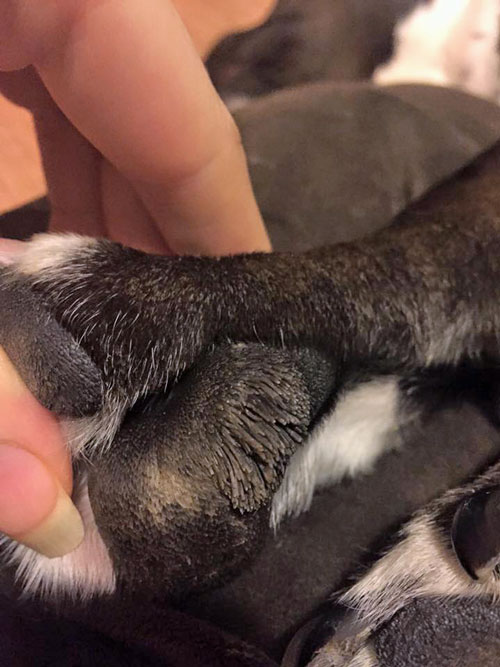
Used for long periods of time some dogs develop calcium deposits in their skin. These can be unsightly but are not generally harmful to the dog.
See this picture and description of this:
https://www.secondchanceaihadogs.com/AIHA_Terms/calcinosis-cutis/
At super high doses some of the dogs had more serious problems but you would never give any dog those kinds of doses in real treatments. Those side effects are not the same side effects that you see with prednisone.
So the question here was, can this suppress the bone marrow production of red blood cells? Absolutely not. It doesn’t affect red blood cells at all. It has a very narrow focus of attack.
Can some dogs have problem with this drug? Yes, bloody diarrhea is one problem. Chance, when he was at his highest dose, tended to have what appeared to be a trance like state for about an hour after his dose and I have read human medicine studies that report this. Did he have this the whole time he was being treated? Absolutely not. He was only at this very high dose for about 3 weeks. Once he started to regenerate, Dr. Dodds had me begin reducing it.
Do dogs need to have their blood levels tested? No. Dr. Dodds had me pulse dose him. That means he received his doses Monday through Friday and on weekends he had a drug holiday. This type of dosing seems to enhance the sensitivity to the drug. But yet this drug was highly successful despite his dosage being interrupted for two days. Why? I asked Dr. Dodds and she said that you can tell when the drug is being effective in two ways. One is that the number of lymphocytes on the CBC will begin to drop. The second is that you will begin to see regeneration: reticulocytes in greater numbers. She told me not to waste my money on this test. It is valuable in human medicine but for our purposes it is money that is better used for other elements of the treatment.
What is the downside then? Cost. This stuff is very expensive and in a big dog it can be a significant monthly cost. But, and this is very important, if it is going to work in a non-regenerative dog, it usually happens pretty quickly. You can expect not to be at the high doses for a very long time. Maintenance doses are therefore cheaper and eventually you can decrease it to low or no dose.
What is the major benefit of using this drug? It preserves the health of the dog. They can tolerate treatments for longer periods of time because there are fewer side effects. No organ damage, no infections, no adrenal gland problems. The day you stop dosing the drug is already being removed from the system.
I know many dogs have used imuran, azathioprine and have been very successful. But it is a harsher drug with a lot of side effects from my viewpoint and I would not want to see a dog with non-regenerative anemia on it for prolonged periods of time.
my best
patrice
Hi Lynda
Patrice has said everything perfectly & believe me, she is incredibly knowledgeable. She always researches everything thoroughly & will always give the best advice possible. She was a great help to me – supportive & informative when Worzel was going through this & I was in the depths of despair. I hope this information & the fact that Sadie & Bingo were treated with it has convinced you – go for the cyclosporine without delay, my friend. Getting Honey regenerative is number one priority.
Sheena, Worzel & Ollie xxx
Lynda, yes I’m with the others. Lets get Honey on the cyclosporine.
Love Vally & Bingo.
I’m not sure whether to ask the vet to add the cyclosporine, or try to start it alongside the Imuran, at least for now – any thoughts?