Forum Replies Created
Terri,
I am so grateful that you found a vet who would do the appropriate testing and give you a definitive diagnosis. It was as I suspected, an issue with the kidneys, that was leading to this condition. It wasn’t a big step to test for this and should have been discovered sooner.
You are correct, there is some controversy about how to feed these dogs. It is complex and also easy. The complex part is if you try to research this and find your way on your own. I don’t suggest that!
The easy part is that there is a super support group already on the internet, that I belong to, that can do all the heavy lifting for you. K9kidneys has been helping owners like you since 2000. In doggie years, that is a LONG time. I am a member because Chance’s heart condition began to impact his kidney function (a common side effect of heart drugs.)
https://groups.yahoo.com/neo/groups/K9KIDNEYS/info
Please join this group and over time they will help you with this special condition. It can be complex, but also easy, to feed him and I know you CAN DO THIS. You are a good Mom and I don’t doubt you will have great success doing this.
You are welcome to stay here as long as you wish, we love your company. Your experiences have led you on a path of discovery and those things you learn could very well help another owner who will come here in the future. We also would like to follow along with Koda’s treatment so we can cheer him on!
my best
patrice
Debra,
It sounds like the vets are reaching the end of their testing. In terms of cancer, I think they may have been looking for signs of disease in the spleen. Hemangiosarcomas are very common in dogs but are an unlikely condition in a young puppy. They may have also been considering a form of white blood cell cancer in the marrow, but I was pretty sure that was not the case either when I looked at the CBC. I would not give any more thought to cancer.
Taking blood samples, especially in animals, can lead to some errors in the blood sample that they use to run the tests. In this case, as in many, when they prepare the blood smear on a slide the platelets can form clots on the feather edge. This can lead to errors in the automated analyzer’s reading of platelets, making them look low. This is very common and is usually noted on the test as “platelets adequate.” I think this is the case and I would not worry about platelets then at this point.
Ah ha, Utah. Well there appears to be some tick disease here looking at the map. Ticks certainly don’t honor artificial map lines so there is a slight possibility, depending on the county, that she was exposed, but unlikely. You can most likely discontinue the doxycycline at this point. It is a harsh drug and can cause stomach ulcers and a very poor appetite. The healthier we can keep Sadie the stronger she will be fighting this.
Surgery. Nope. You want her as strong as possible. If they saw nothing on the xrays, and I figured they wouldn’t, then let’s avoid this. All these tests are about ruling things out and once that is done, you move on to the next thing to rule out.
I am going to put all my money on the combination of vaccinations (Dr. Dodds calls this the combo-wombo), the spaying and then the electric fence shock. All the vaccinations were done at probably the same time as the surgery. This is so hard on her little body and she could not handle the stress and then top it off with a serious shock, well she has been through a lot. Vets should not be giving vaccinations anywhere near a major surgery. We’ll talk about this more. You can read and listen to Dr. Dodds here:
http://healthypets.mercola.com/sites/healthypets/archive/2013/03/13/pet-vaccine-dangers.aspx
As far as contacting Dr. Dodds, the link is on this page:
http://www.secondchanceaihadogs.com/hemopetresources/
Her consultation fee is $100 (see the form on the page) and I can say that nearly all of the moderators here used her services at one time or another. In my case she saved Chance’s life.
my best, patrice
Debra,
I first need to tell you that your vets have been trying to very detailed in their examination of Sadie, they are aware of many of the appropriate tests that are needed to discover the cause of this, so they can treat it properly. As I write medical terms they will automatically link to the glossary so you can hover over them to see a synopsis and click on them for a more complete explanation.
From an overall view of the blood work you uploaded, Sadie is a relatively healthy young dog who has had a sudden “event.” She is profoundly non-regenerative (not making red blood cells in the bone marrow.) She also has neutropenia, most like immune-mediated neutropenia and this means she has stopped making white blood cells in the bone marrow. Also, her platelets are a tiny bit below low normal.
We have seen this condition a number of times. This website is dedicated to my dog Chance who had the very same condition in 2007. Yes, he survived.
Whenever an owner comes to us with a very young dog I always think of special things that happen to puppies that older dogs don’t necessarily encounter. First and foremost I think of things that puppies put in their mouths. There are certain heavy metals that, when ingested, can cause this kind of profound reaction. Pennies made with zinc are one of those things. This causes a unique type of anemia called Heinz Body Anemia. Hopefully your vet has thought of this, quizzed you about it and perhaps done an xray to see if there is a penny still inside her. A blood smear can also be diagnostic, as the Heinz bodies can be seen on the RBC.
Next I would think of vaccination reactions, since this is the age that these dogs are receiving their second puppies series and their first rabies vaccination. It appears your vet may have explored this. However I would not discount this offhand. Combined with a recent spaying, it is possible that she has had an autoimmune reaction. Are there tests that can show this? Yes and no. Most vets, when faced with this possibility just treat as though that is the case.
Tick diseases are epidemic in Pennyslvania and a young puppy can be prone to being bit by a tick without you ever even knowing it, especially a Poodle with lots of dark hair.
Here is a super mapping program that shows how prevalent certain tick diseases are in your area.
http://www.capcvet.org/parasite-prevalence-maps/
If you click on tick diseases>dogs>ehrlichiosis >PA you will get a map showing the prevalence in counties. Also click on anaplasmosis. These two tick diseases can cause this profound non-regenerative anemia and neutropenia.
https://sites.google.com/site/tickbornediseaseindogs/ehrlichiosis
They are usually most often contracted in either early spring or the very late fall when ticks have matured over the summer and are looking for meals to tide them over in the cold weather. So months can elapse before the signs of disease show up. Your vet is prescribing doxycycline and this is the drug most often used to treat these diseases. Tick-L, a long time internet group, recommends you hit these diseases with twice the usual dose and for 2-3 times longer than usual in order to eradicate all of the disease.
https://sites.google.com/site/tickbornediseaseindogs/treatment
“The dosage we recommend on Tick List is an aggressive one: 5 mg. of doxy per pound of body weight given every 12 hours for 8 weeks.”
When a dog is infected with ehrlichiosis, they may be mildly sick to begin with and then seem to recover. The disease goes into a chronic state where it gathers numbers. Eventually, as long as a year or even two later, it returns with a very strong attack on the body. Please share this information with your vets in case they are not familiar with it. There are several tests and I am positive they are doing those tests right now.
There have been dogs in treatment for these tick diseases that were also experiencing this form of IMHA that had to be treated for the autoimmune destruction simultaneously as they are being treated for the tick disease. This includes the use of prednisone and is an extremely complex treatment, requiring the skill of a vet who knows exactly how to juggle these two drugs, doxy and pred.
What else do we think of in young puppies? Other things like genetic predispositions come to mind immediately. In other words they inherit from their parents an immune system that is sensitive to the environment around them. These dogs may present with skin allergies or other autoimmune tendencies when they are very young. They may have sensitive stomachs, frequent diarrhea, be particular about eating certain foods etc. A dog like this can spontaneously develop AIHA and there is no known specific cause. In these dogs you must treat as though this is the condition, without ever having the diagnosis to prove it. This is necessary.
Puppies can also get themselves into things like spiders, bees and snakes because they tend to be less cautious and more curious. They will explore these things and if bitten or stung can develop a sudden and profound autoimmune reaction. Their bodies begin attacking “self” their red blood cells, white blood cells and platelets. This can happen in the blood but it can also happen within the bone marrow.
What else? Well, I can tell you for sure I hear this damn C word mentioned all the times and it irritates me. A young puppy is rarely a candidate for cancer. I suppose it can happen, but it would be the last thing I would think of.
I do not recommend, nor do most authoritative veterinary resources, the removal of the spleen. Especially in a dog this young. It used to be done more, in an effort to remove the source of the greatest destruction of red blood cells. But this autoimmune destruction is happening deep in the bone marrow and that is where the fight must be.
Cyclosporine is a super medicine and will begin a proper attack on the destruction of the precursor cells, HSC Hematopoietic Stem Cells, in the bone marrow. I highly recommend this medication in dogs with profound bone marrow failure. This was recommended to me in 2007 by Dr. Jean Dodds to treat Chance. I will recommend that you contact Dr. Jean Dodds for Sadie. She can be your “second opinion” and will do so graciously and with great caring.
https://www.secondchanceaihadogs.com/hemopetresources/
You can read Chance’s story here:
https://www.secondchanceaihadogs.com/our-stories/chance/
I have given you a lot of information on causes, those that I think are common in puppies. Other folks will come along here soon and help you understand all the drugs, the side effects, what to expect in the way of transfusions and things like liver inflammation, risks of clotting, heavy breathing etc. There is a wealth of information on the website. Please be sure to view the introductory videos.
https://www.secondchanceaihadogs.com/aiha-video-library/aiha-introductory-videos/
my best, patrice
Hi Debra,
I am so sorry to read about Sadie, this must be sudden and alarming to you. I am sure you feel like you wish you knew what was happening and more than that, you want to fix this and make her better. You have come to the right place. All of us here have experienced this feeling and we know how to help you cope with all this unknown stuff.
I am reviewing the blood work now and I will write you more in another post. Just wanted to let you know that someone is here.
my best
patrice
Terri,
After reviewing your latest CBC, I can say that he has improved quite a bit and his HCT hematocrit was at 31.7 (low normal is 37). Another important value, the hemoglobin inside the red blood cell, has improved to 11.8. The low normal for this value is 12 so he is as close as can be to normal. That is important because it indicates he only has a mild anemia. Your vet is correct, there is a high white blood cell count that is most likely not related to a disease like IMHA or AIHA.
Dr. Dodds is also actually right about what she has said. It is, however, complex to explain and complex to understand. This is called anemia of chronic disease.
The body is very carefully managed to make sure everything runs properly at all times. It likes to be in something called homeostasis, balanced in all body systems.
However, when the body is faced with some condition that it feels is threatening health it will attempt to resolve the imbalance by changing conditions in the body in an effort to remove the challenge to the body. It may compromise certain systems in order to focus on this battle.
A good example of this is how the body keeps the inner organs functioning properly. If you are outside in very cold weather and your body begins to chill, the brain will begin to reduce blood flow to the limbs in order to conserve heat at the core. It is willing to sacrifice your fingers and toes, if necessary, to keep your internal body warm because that will keep you alive.
Right now there is an inflammatory process occurring inside Kobe to fight “something”. We can see that represented by the white blood cell count. Not all high WBC conditions are necessarily cancer. The body is attempting to control something with the immune system and is willing to raise these WBC levels to do that.
What are some common conditions we have seen? In dogs ureter, bladder or kidney infections can lead to an inflammatory response. Dogs with pancreatitis or gall bladder blockages may respond similarly and there are other similar conditions. Combining conditions like these with a body that is de-conditioned from using certain drugs and we end up with a weakened dog attempting to fight an internal battle.
You have run out of funds to do some serious testing and your vet has thrown his/her hands up, unable or unwilling to find the diagnosis. That doesn’t mean that this is hopeless. He has shown some recovery so that means his body has been somewhat successful.
So let’s focus on what YOU can do at home to support his body’s efforts to get healthier. Remember, his body is doing the hard work to accomplish this, you just need to apply good nursing skills.
The first assignment is to sit down with all the medications and supplements and write down what each one does. If you don’t know what it does, ask here. We are going to attempt to reduce or eliminate every drug or supplement that is either not necessary or may even actually be doing some harm.
Next your job is to develop an anti-inflammatory diet regimen. Let’s begin a high protein and lower carbohydrate diet. It is also important to increase omega-3 fatty acids, especially DHA, and decrease omega-6 fatty acids, found in plant oils.
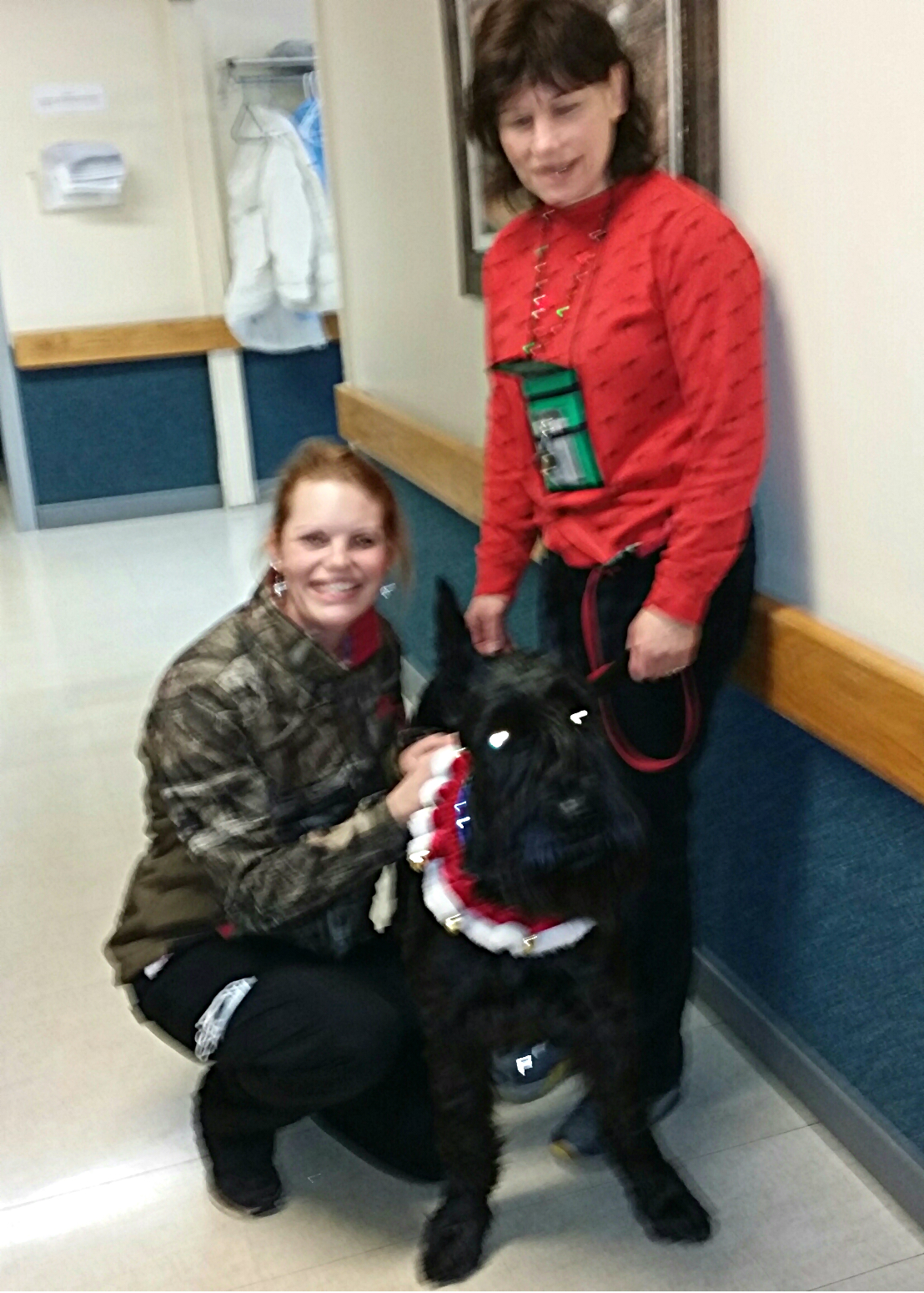
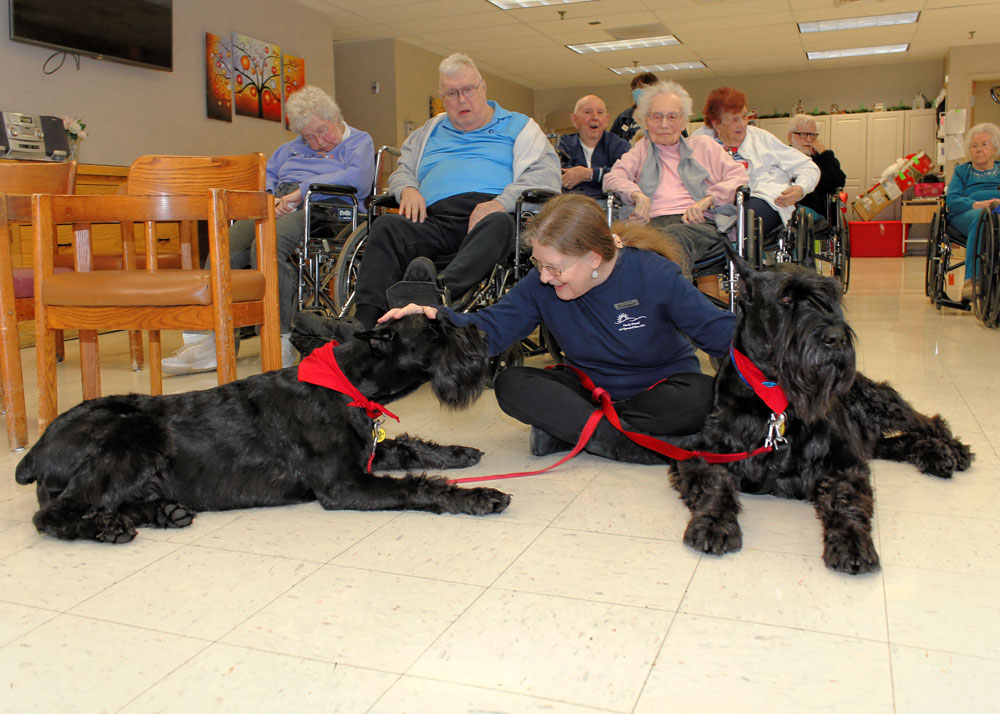
So let’s include higher levels of healthy fatty acids, including fish oil fatty acids in high dosages. A high dosage of fish oil (body oil, such as salmon oil or EPA oil, not cod liver oil) is an amount that supplies 300 mg combined EPA and DHA per 10 lbs of body weight daily. Give 400mg vitamin E when you supplement with fish oil. I give both my Giant Schnauzers 3-4 fish oil capsules each day (these are considered triple strength.) Split these doses between two meals. I like Nature Made Fish Oil which I can often buy one get one free. Between the dogs and me we go through about 12 capsules a day. Do not skip this part of the diet, it is extremely important.
Next we need to carefully examine all sources of carbohydrates in the diet and reduce them to as low as possible. This includes any grains, pastas, high sugar vegetables, soy, corn and sugars. Well, most anything that makes dog kibble formed into pellets. This is often done in cancer diets. We are going to be feeding only real food, prepared at home.
Then let’s add in high quality proteins. His liver is probably still compromised if his ALKP was high. I don’t know what that value is currently. If you are continuing to use Denamarin then that will help significantly. I also have some bottles of Country Life Liver Support Factors that were donated to Second Chance and you can have some of those for free, just let me know. I used this supplement with Chance.
Dr. Dodds uses a liver sparing diet in many dogs to support the liver. She uses some form of steamed white fish combined with potatoes and something like steamed green beans. I am going to suggest you use fish, moderate amounts of skinless chicken breast, occasional scrambled or boiled eggs or egg whites for a period of about 2 weeks. Avoid highly red meat like beef etc.
It is important to make sure he is getting enough calories with this diet so try feeding smaller meals more frequently. I know you work crazy schedules but try making up little snack kits for him so you can “treat” him with by using part of his meals. Make some hard boiled eggs and keep them in the fridge, use them as treats. Give him a few spoonfuls of cottage cheese and yogurt. Keep a container with bits of sliced cooked chicken breast. Teach him a little trick with the incentive of getting some of this good smelling cooked chicken. I use those roasted deli chickens for my dogs when they have had surgery, it sure gets their appetite started!
Make sure he has plenty of clean water or home made chicken broth. If you have some kind of pressure cooker or slow cooker, put bony chicken backs in water and cook for a very long time to make a calcium rich broth.
Plenty of rest combined with moderate walks, massages, play and limit visitors to the house. This is doggie spa month.
In about 2-3 weeks have his blood values evaluated and ask if they can do a mini chem screen just for the liver functions. Many clinics will do this for less cost.
How does this sound to you?
my best
patrice
Terri,
I am sorry to hear this. It seems a bit abrupt to me. Can you please tell me what type of cancer this is? If you don’t know can you ask your vet please? There are so many different kinds of cancers in dogs. I want to know more so I can advise you. They are not all the same and are diagnosed in many different ways.
my best
patrice
Terri,
I have researched BioPrep extensively in past years. It has a lovely website, full of promises, but it has failed on every request to post an ingredient list. In fact if you go to their website, the link to that list takes you to a “page not found.” It promises you that it saves you all kind of money by giving you a product with all the stuff you will ever need in a pill.
Algae in general, and specifically the ones they claim to use in this product, can be prone to contamination by dangerous algae, either during collection or in the processing plant, that are not beneficial and in fact can be hazardous to health.
Some of the algae in this product may contain extremely high levels of Vitamin K, something our body uses in the clotting process. Excess levels of K may lead to a clotting risk.
Some of these algae can also contain high quantities of iodine. While in small quantities this is appropriate for good health, in these large quantities it can affect the function of the thyroid gland. Dr. Dodds first pointed this out at a seminar I attended in 2009 on canine hypothyroidism. Studies done had just shown that exposure to higher levels of iodine in dogs (esp via seaweed supplements and additions to dog food) can lead to the development of hypothyroidism. We gathered around the door prize table at lunch and read the labels of the supplements. Oops. Really high levels of iodine in them. She advised us to either not use these, or use them sparingly.
Mind that I say “some.” Since this is a product that relies on harvesting from nature, where it is harvested can significantly change the level of contaminants and nutrients. Drying concentrates the ingredients to extremely high doses of “whatever.”
There are no controls over the advertising, claims and manufacture of these products. The US government has some legislation in place, but it is still based on voluntary compliance. Needless to say, if this website is not within the US, then there is little the US could do. So they get to make all the claims they want without a worry.
I can’t prove that the supplement you are using is hazardous and contains anything like I have mentioned. But I cannot also guarantee that it is pure and 100% beneficial. I can guarantee it makes that company a lot of money and breaks the budget of many families.
my best
patrice