Forum Replies Created
Lynda,
I am sorry there isn’t much information on the Vaccination resource page yet. It takes a lot of time to build these pages and get the information on them. I just haven’t had much time lately to get that done. I add things when I can. Dr. Dodds’ first video on that page is quite informative and I would recommend watching it.
This is a complex issue because rabies is not only considered deadly to animals, but also is deadly to humans. Therefore every country and the district divisions in each country will have strict regulations regarding animals traveling into the country, not necessarily because of how this would impact your dog, but how it applies to public health. In addition you may have to follow restrictions exiting and reentering your own country.
The first place to check for information is your own vet. They will have an intimate knowledge of any local and country laws regarding rabies. They can advise you about the vaccine details and how that applies to your situation. You should ask what are the legal consequences of owing a dog, and having it at large in the community, that is not vaccinated against rabies.
The next step is to check what laws the country you are entering into has regarding bringing animals into the country. A quick google search found the laws and procedures in France.
http://www.pettravel.com/immigration/France.cfm
European Union (EU) regulations for taking a pet dog, cat or ferret to France from within the EU, from rabies free countries or from countries with a low incidence of rabies. New pet import regulations for the EU in effect on December 29, 2014.
France does not quarantine healthy pets (cats, dogs and ferrets) from the above countries having resided there for the preceeding six (6) months that meet the following requirements in this order:
Your pet will need an ISO 11784/11785 compliant 15 digit pet microchip implanted by your veterinarian. If your pet has a microchip that is not ISO 11784/11785 compliant, you can bring your own microchip scanner.
If your pet is entering France from a rabies-free or rabies-controlled country, it will need a rabies vaccination no sooner than 21 days** prior to entry and not more than the expiration date of the manufacturer of the vaccine. If your dog, cat or ferret was not vaccinated after it was fitted with a microchip, it will have to be vaccinated again after the microchip is implanted.
If your pet is entering France from a high-rabies country, your pet must be microchipped, then vaccinated for rabies (in that order). After waiting 30 days, a Blood Titer Test must be administered (Have your veterinarian scan your pet’s microchip prior to the titer test.) Samples must be processed at approved laboratories. Assuming test results within acceptable limits, your pet can enter France no sooner than 90 days after the date the blood was drawn and avoid quarantine. This step is not required unless entering France from a high rabies country.
If you or a legal representative are traveling within 5 days of your pet, an accredited veterinarian must then complete a bi-lingual Annex IV for France within 10 days of entry for endorsement by the USDA or CFIA if traveling from the United States or Canada. If you are entering France from another EU country, then have your veterinarian update an EU Blue Pet Passport for your pet..
If you or a legal representative are not traveling within 5 days of your pet, an accredited veterinarian must then complete a bi-lingual Annex I for France within 48 hours of entry for endorsement by the USDA or CFIA if traveling from the United States or Canada. If you are entering France from another EU country, then have your veterinarian update an EU Blue Pet Passport for your pet. See additional commercial transport rules below.
Unaccompanied pets traveling as manifest cargo will need a health certificate issued within 10 days of travel. Your airlines may also require a health certificate even if your pet is traveling with you in the cabin or as checked baggage.
>read more at website
So there is research you need to do before you can decide what you are going to do. The rabies vaccination is a complex topic, not because health departments are concerned necessarily about the health of your dog, but their main focus is on protecting public health. Pets are vaccinated because they are the link between wildlife and your home and because it is a deadly disease.
good luck,
patrice
Joann,
I am so sorry that your vet is saying there is nothing more he can do and wants to refer you to another vet. Can you tell us exactly what he has done up to this point? We may be able to provide you with more help if we knew this.
The diarrhea is unfortunate and could be attributed to the use of antibiotics. You could try probiotics in this case. But it could also be other things that may need more treatment and may even be the cause of her anemia. There are several drugs that would be helpful, but without your vet’s help to get these you will have to attempt home care. You can give her about 2 tbls of plain canned pumpkin with her meals, this is often helpful.
Please tell us what meds she is on, the dosage and when you are giving them. Also what supplements are you using?
my best
patrice
Beth
Reconnect with Dr Dodds about the decrease and explain what your vet has said and also what the specialist said. She can be very diplomatic and compromise when necessary. Don’t worry about asking her again, I promise she won’t be offended or upset.
My vets took everything she said at her word and that is what we did. To my vets, even in 2007, Dr Dodds was quite famous and they found it quite unusual she would consult like this.
Note the excerpt I pasted? It refers to corticosteroids as a direct cause of the high ALKP. I also want to tell you that Chance was not on azathioprine, only prednisone, and he was, I believe, taking over 80mg a day. Jean wanted that lowered as quickly as possible because his liver was so compromised. His values were higher than Heathy are now.
I know each dog and case are different. However, if this is due to the azathioprine and it remains in the body for a longer period of time what benefit would a biopsy provide to treatment? You must ask at each step How will this improve his treatment. If your vets want to have a professional disagreement about this they should have lunch and talk it out privately.
You must get the prednisone reduced. It is a wonder drug but it is also known for the body wide side effects it can wreak havoc with. So the main question should be by how much and how fast.
I am not quite sure why cyclosporine hasn’t been suggested as that drug has very few side effects. But no matter. Get your vets focused on his care and giving you straight answers.
My country vet is an incredibly smart woman. She said to me at one point during Chances treatment “the liver has more smarts in just a little tiny section the size of the tip of my pinky than I will ever have as a vet in my whole career.” In other words, the liver is working RIGHT NOW to get better. VERY HARD. With or without your help. So just give it some help. Simple diet and the supplements we have talked about.
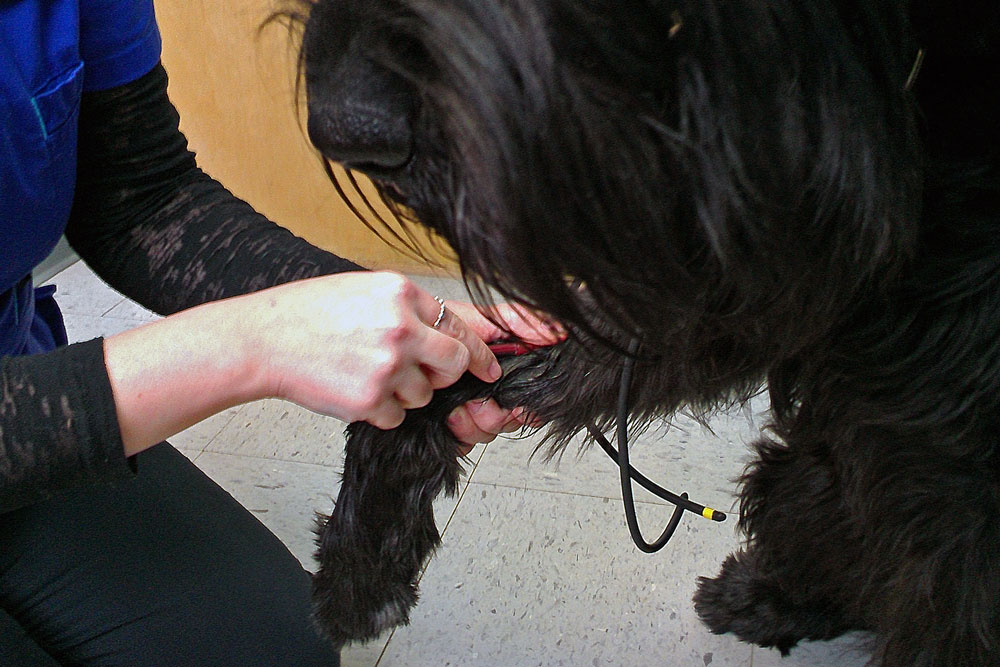
The easiest place to check pulse is to wrap your hand, thumb on top, around and above the stiffle. Move your 4 fingers up deep into the groin. Press up and there is a good pulse. Other: finger deep into the cavity in back of front largest pad of paw, below the dew claw. Or watch ear tip carefully . Dogs have an inspirational heart rate , thus it pauses briefly when the dog inhales. This feels abnormal and can be frightening . There is nothing wrong.
My best patrice
Beth,
He is feeling very weak because you are doing a rapid decrease in prednisone dosage. We know this decrease is absolutely necessary for his liver health.
When we flood the body with high doses of prednisone we are essentially giving our dog a drug that is similar to the body’s own cortisol, made by the adrenal glands. The adrenal glands sense this high level of cortisol via feedback and they essentially stop making cortisol, they go to “sleep” essentially.
When you begin to rapidly decrease prednisone, you are asking the adrenal glands to “wake up” to begin their work again. They are unable to do this that quickly and it takes time for them to respond properly. At one point you asked how fast this happens. Well, it’s different from one dog to the next and from one human to the next. It’s like weaning off training wheels on a tricycle. Maybe on day one you can go three feet before losing your balance. In a week maybe you can go the whole length of the driveway.
We wish we could tell you what to expect and we have ALL theorized about this, but there are no “set in stone” progressions. In general, on Second Chance, we recommend no more than 25-33% decrease in dosage at one time and with at least 2-3 weeks in between decreases. Always precede any reduction in a med with at minimum a PCV but preferably a full CBC and chem screen. When you get to lower doses that are given once a day (or every other day), give them in the morning to simulate what the normal body rhythm is, to be more active during the day.
These recommendations really stem from the wish to avoid having a dog relapse in their recovery from AIHA IMHA. In some dogs there is a greater risk of relapse if their immunosuppressive drugs are reduced too quickly. I am asking those moderators and others who experienced this with their dogs to speak up here to explain this.
Because Heathy is so badly affected by the high doses of pred, he is going to need to decrease faster. I had to do that with Chance when Dr. Dodds came on board to help him. His liver enzymes were out of sight too.
However, after all I have said, many thousands of doctors and vets know how to reduce prednisone carefully. They use this drug not only for autoimmune diseases but for many other conditions as well. Following their guidance is generally a good idea. Keep an open dialog with the vet during this process to smooth it along. Your vet really should be a phone call away for you right now.
Cortisol is our body stimulator. It helps our body deal with stressful situations like “fight or flight.” It revs up our heart and breathing rate, changes blood flow to the brain and heart, among many many other body systems that prepare us for ACTION.
To you and me stress could be getting caught in a traffic jam when we are already one hour late for a very important appointment. To a dog, stress could be the door bell ringing or you getting up from your computer to get another cup of coffee (are we going for a walk now????)
In any case, dogs tend to go from “off” to “on” with less provocation and with a greater stimulus to activate their body to respond to that stress in their daily lives. They “need” to have a sufficient amount of cortisol to just get by each day. If there is an issue with getting enough, they can respond to stress with difficulty.
What you can watch for at home. Well you are already seeing some of the signs. Extreme fatigue and weakness, lack of interest in household activities. Just not doing right. This is a reaction to low levels of stress like standing up and walking.
What we want you to watch for are reactions to sudden stressful events. If he is highly stimulated and cannot muster enough cortisol to deal with it, there is a possibility he could collapse. This would be a veterinary emergency. Do I think this is going to happen? NO. But we do want you to keep him quiet right now. Try to avoid those things that you know he already finds stressful.
Both Sheena and me have had to take prednisone at one time and then decrease it. We can tell you we felt AWFUL while we were doing it. I really feel for Heathy, especially since he doesn’t know why he feels awful…
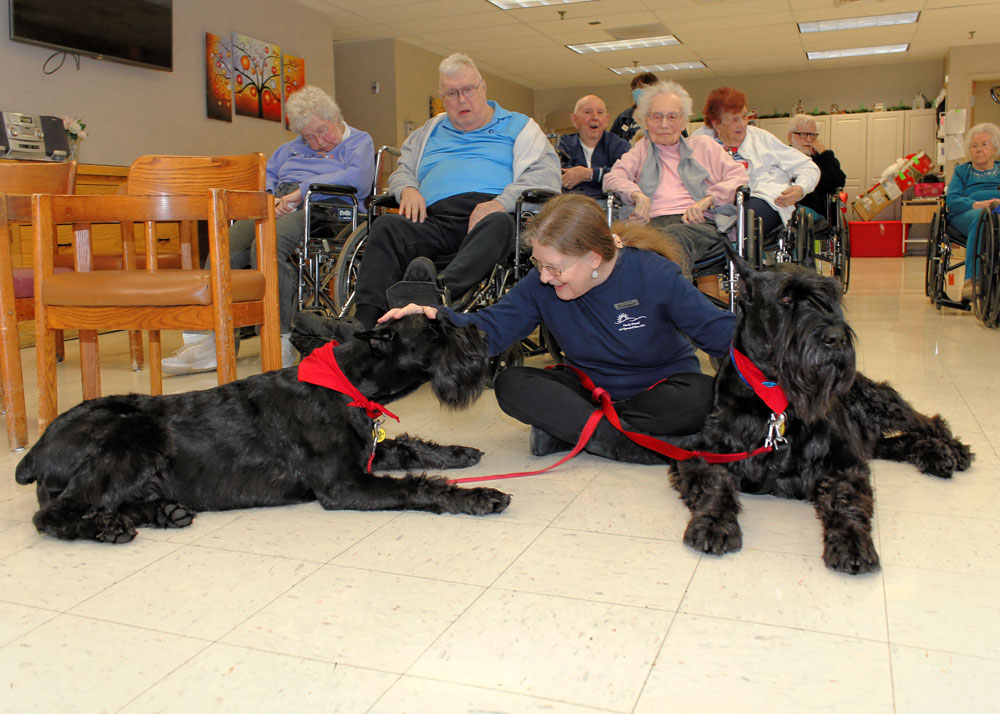
For the weakness I can highly recommend a body harness called Help Me Up. I have a LOT of experience with these! I have used them on three of my Giants for knee surgery. They sure make a huge difference. They can be worn nearly around the clock and turn my huge dogs at 90+ pounds into easy to handle suitcases. Even as small as I am I have been able to move Willie around with this harness. I can help him up stairs, walk him, load him in the car and help him lie down or stand up.
http://helpemup.com/
I know, you are short of funds. But here’s what I suggest. Ask your vet to contact the clinic with the specialist you saw and ask if the orthopedic dept has a Help Me Up harness you can borrow until he is feeling better. My vet surgeon let me borrow a harness so it’s not beyond belief that another facility would let you do this as well.
Even if they only have half of the full harness (these things are modular so you can use either the front, the back or both together at any time) that will help you significantly. When you are done with it you can wash it and return it.
Now for the liver biopsy. STOP. Open this paper I am sending you the link to and PRINT IT AND GIVE IT TO YOUR VET IMMEDIATELY.
http://www.idexx.de/pdf/de_de/smallanimal/snap/bileacids/diagnosing-liver-disease.pdf
Diagnosing Liver Disease: A roundtable discussion
“As every practitioner knows, liver disease can be frustrating to diagnose. Today’s roundtable includes internationally recognized experts who share a common goal:
to provide practical information that will help readers diagnose hepatic disease in
dogs and cats.”
What you will find when you read this are how several veterinary experts evaluate, test, diagnose and treat abnormal liver enzyme values. This article points out that there is confusion about this and explain why some vets don’t understand this with the depth that these folks on this panel do.
They will speak eloquently about what a mistake it is to take biopsies for all cases of high liver values. For instance:
“We should use the phrase “cholestatic-induction enzymes” when referring to alkaline phosphatase (ALKP) based on a collection of investigative studies. The activity of ALKP reflects an induction phenomenon associated with enhanced protein transcription. This phenomenon has been widely studied as a response to corticosteroids (endogenous and exogenous).”
What in the world is this saying? Give high doses of cortisone to a dog and you are likely to see high values of alkaline phosphatase. This doesn’t require a biopsy to determine.
What happens if you treat him by decreasing the prednisone, give him Denamarin for two weeks and the ALKP drops to 2100? Isn’t that a sign that the high ALKP was due to the prednisone? I’ve already seen this in Chance.
Here are professionals candidly talking about this in a panel discussion that can guide your vet through this so you don’t have to try to explain yet one more thing to your vet.
my best
patrice
Mike,
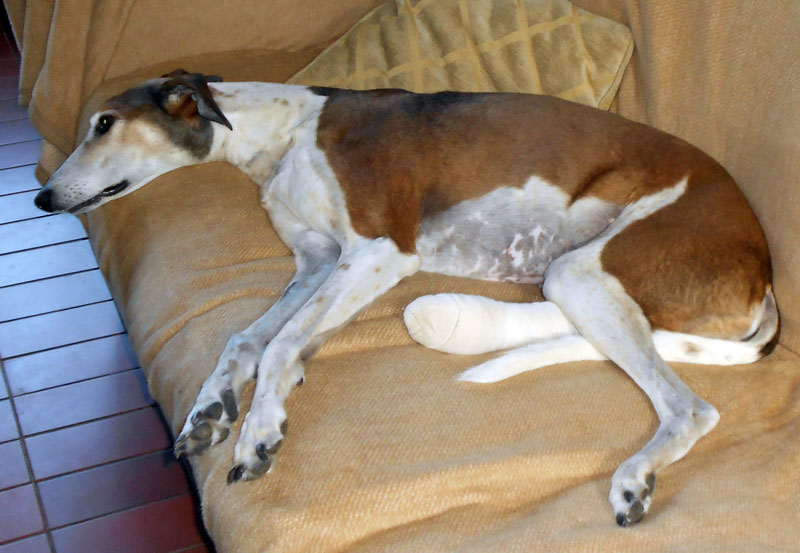
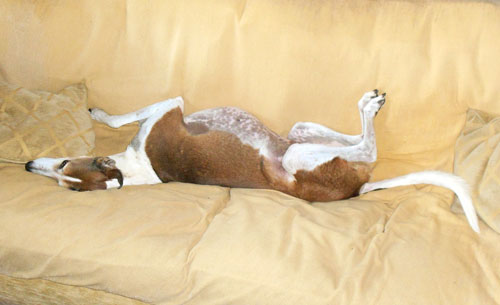
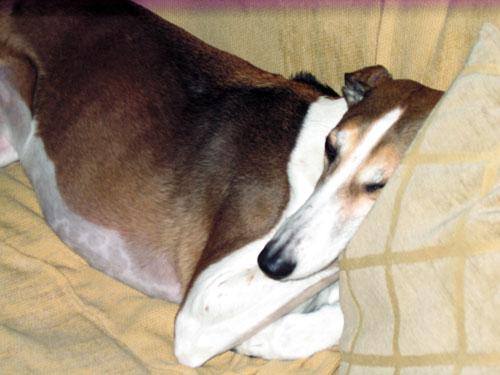
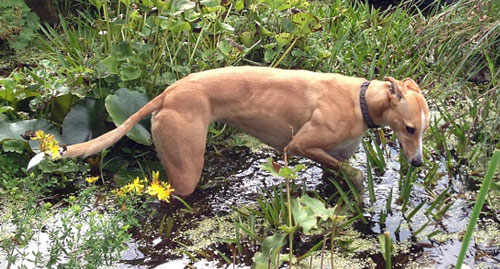
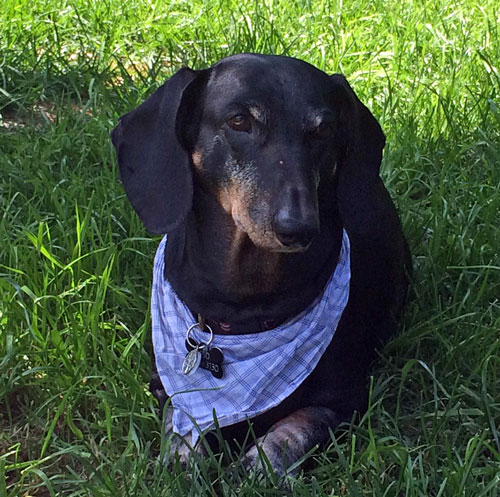
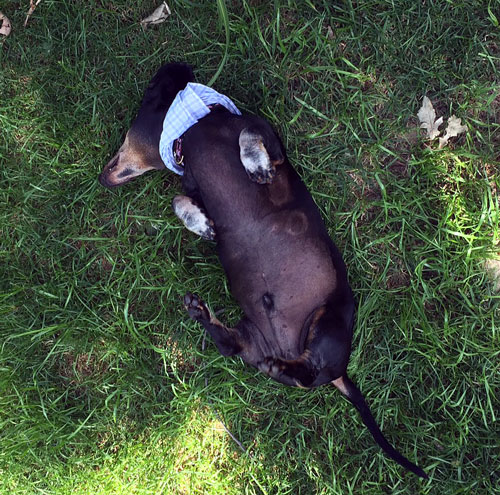
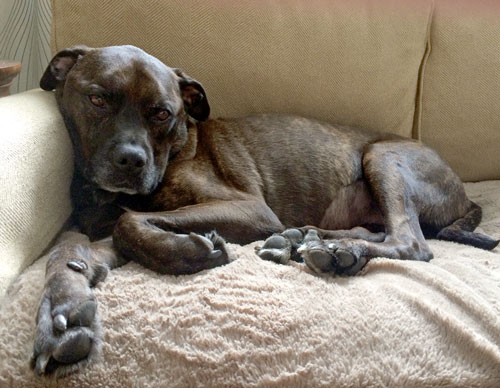
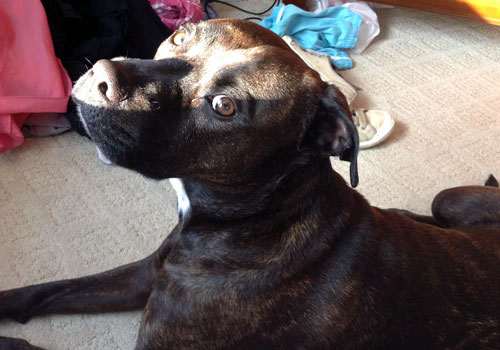
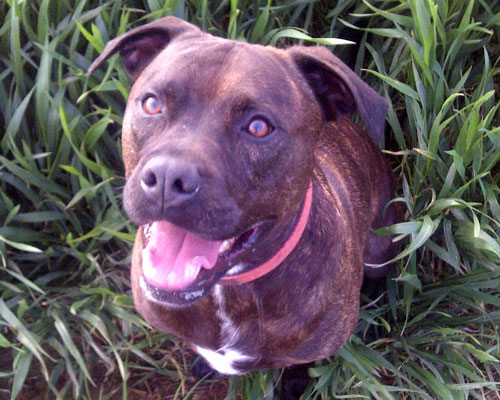
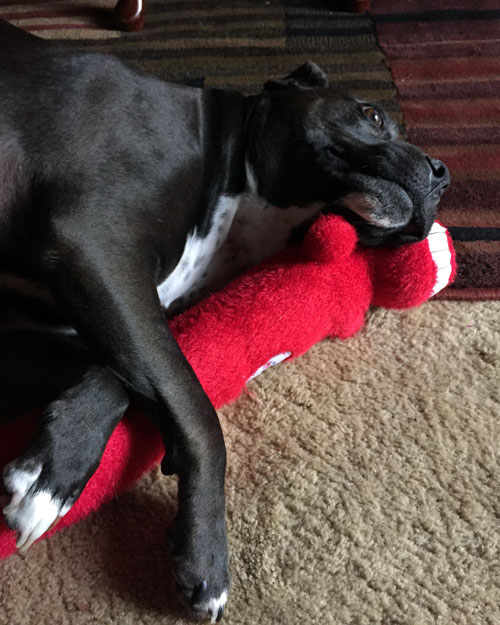
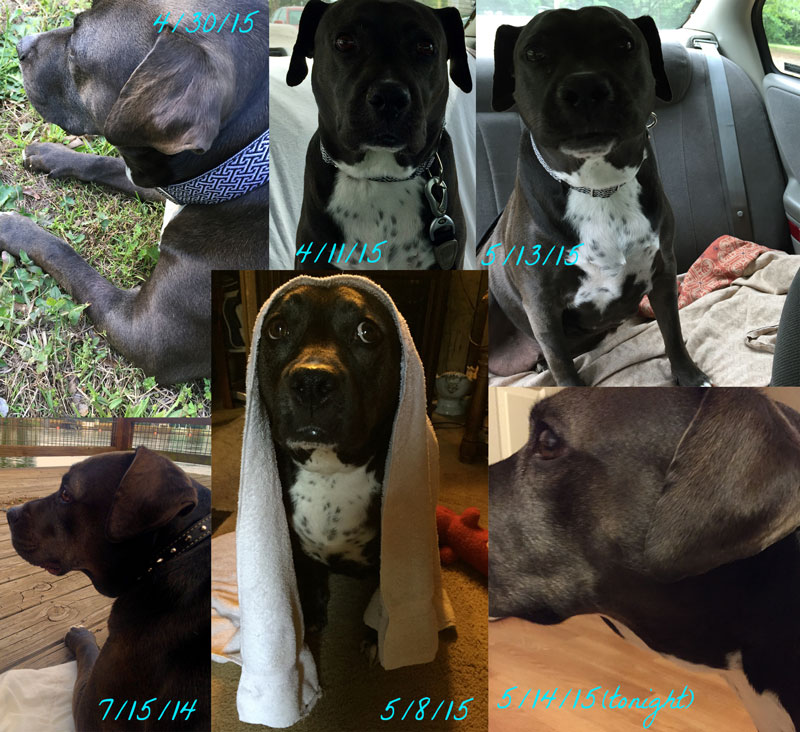
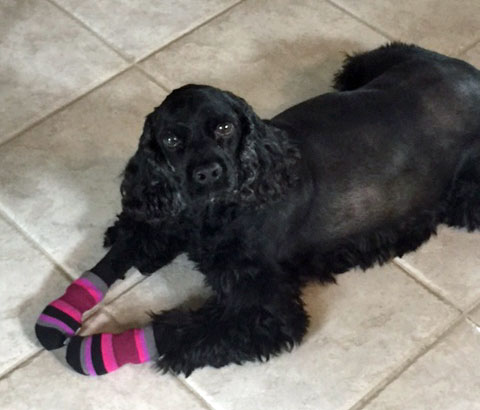
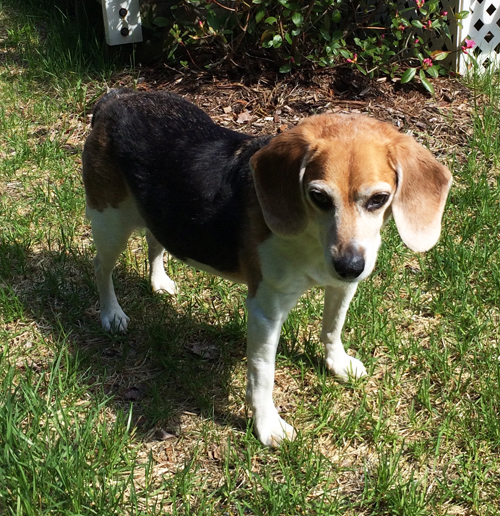
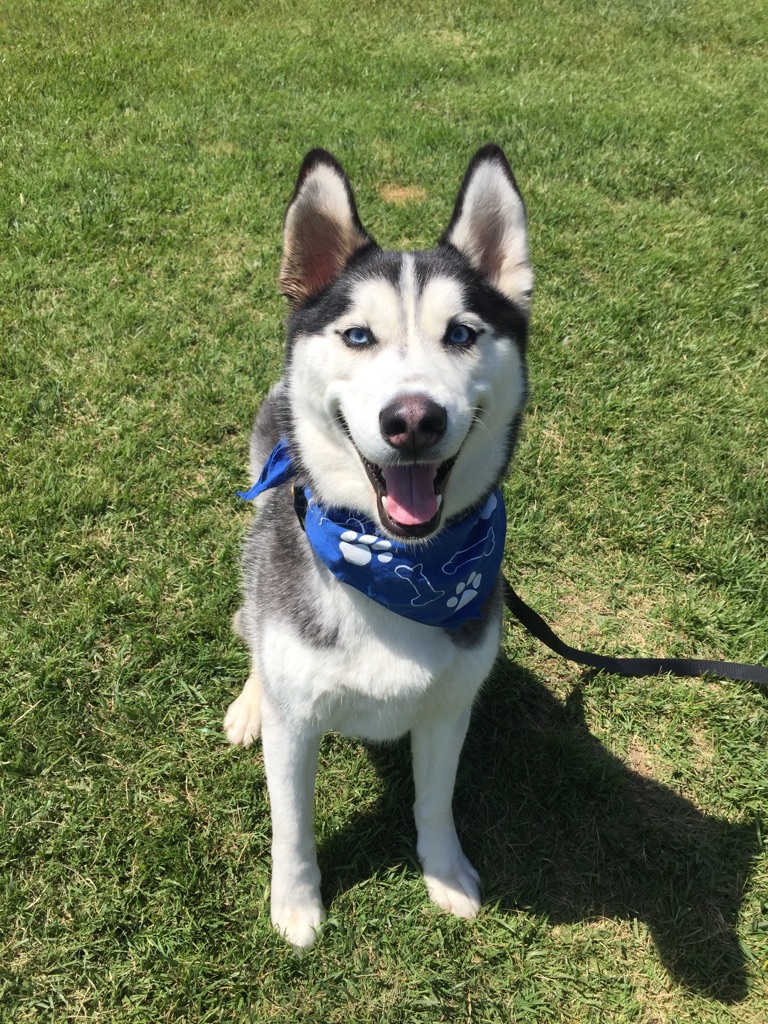
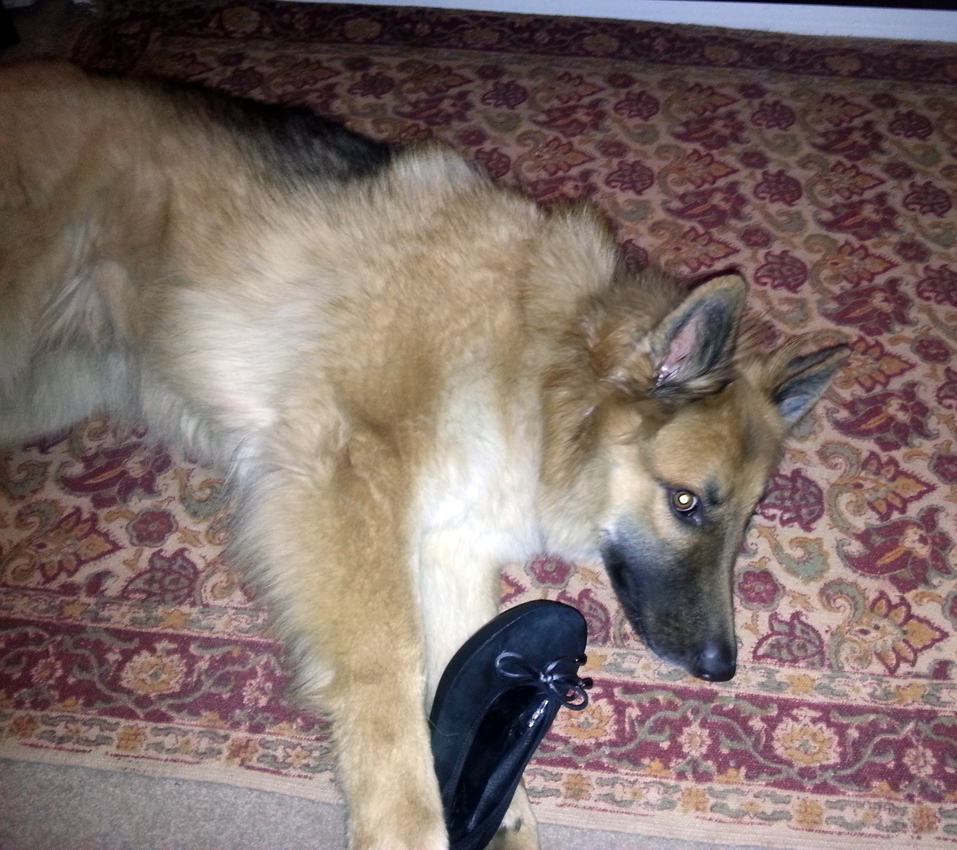
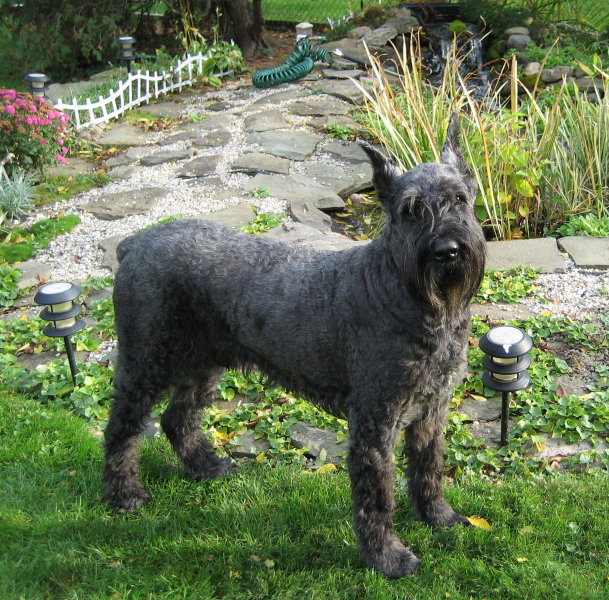
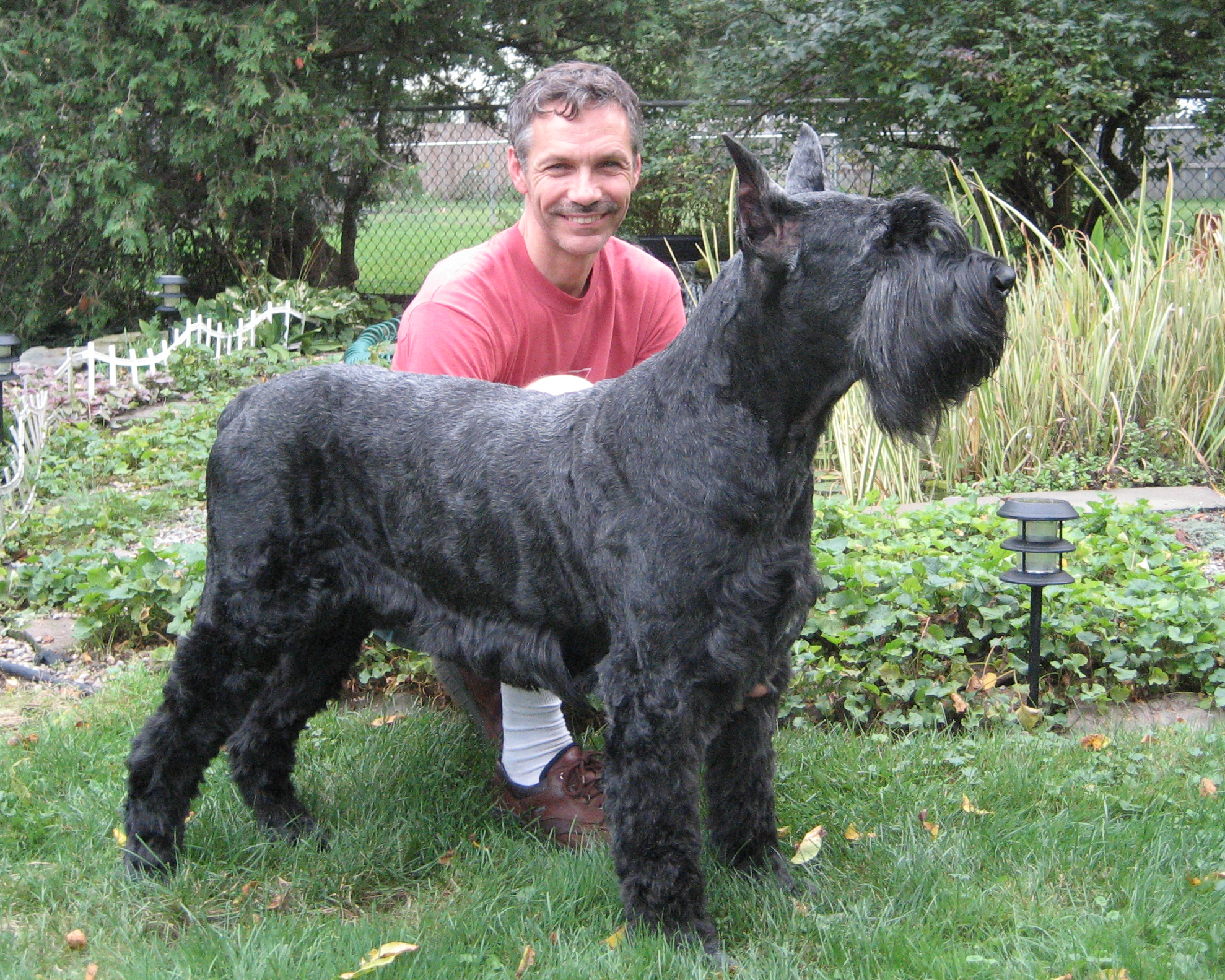
Look at these three pictures of Chance as he recovered from many months of high dose prednisone. I want you to see exactly what this recovery will look like and how long it can take.
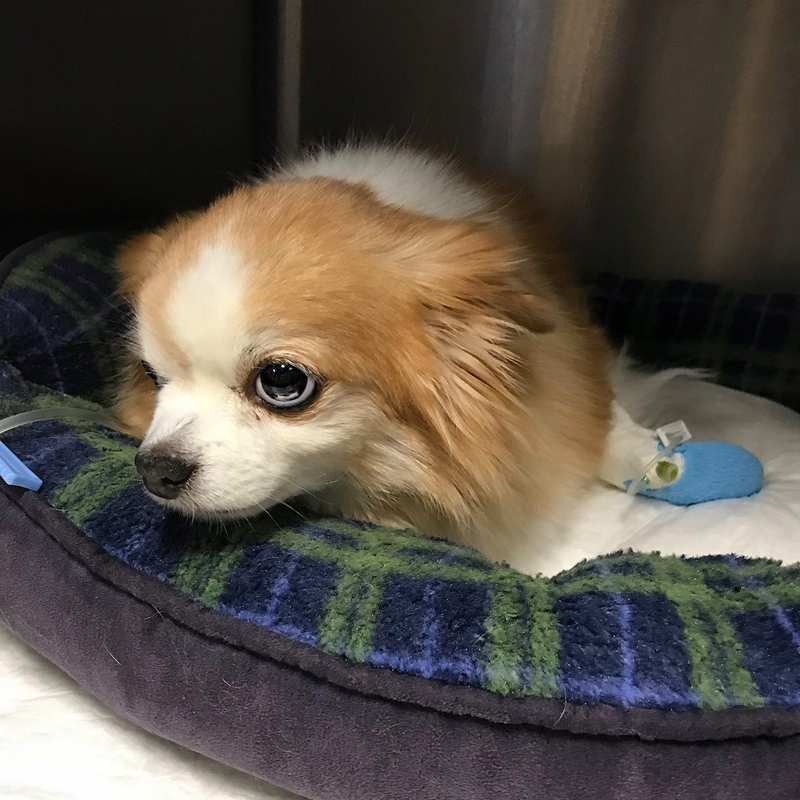
This first picture was taken of Chance in August 2007 after he had been on prednisone since late March. He looked awful, his muscle tone was gone (note his dropped abdomen, weak legs and poor spinal control), his coat was thin and ratty and his elbows were raw. You can actually see in his eyes how affected he was by months of heavy drugs, a vacant stare. But the interesting thing was that he had been feeling better and had started to recover at this point. We knew for sure he was going to survive. However, I felt compelled to explain to everyone who saw him that “he’s getting better! Honest!”
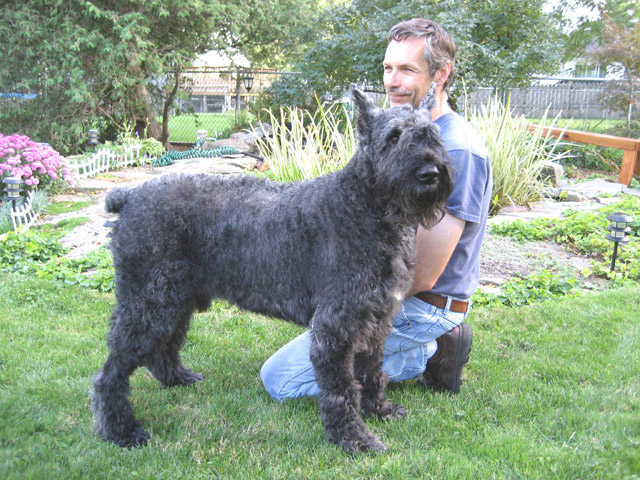
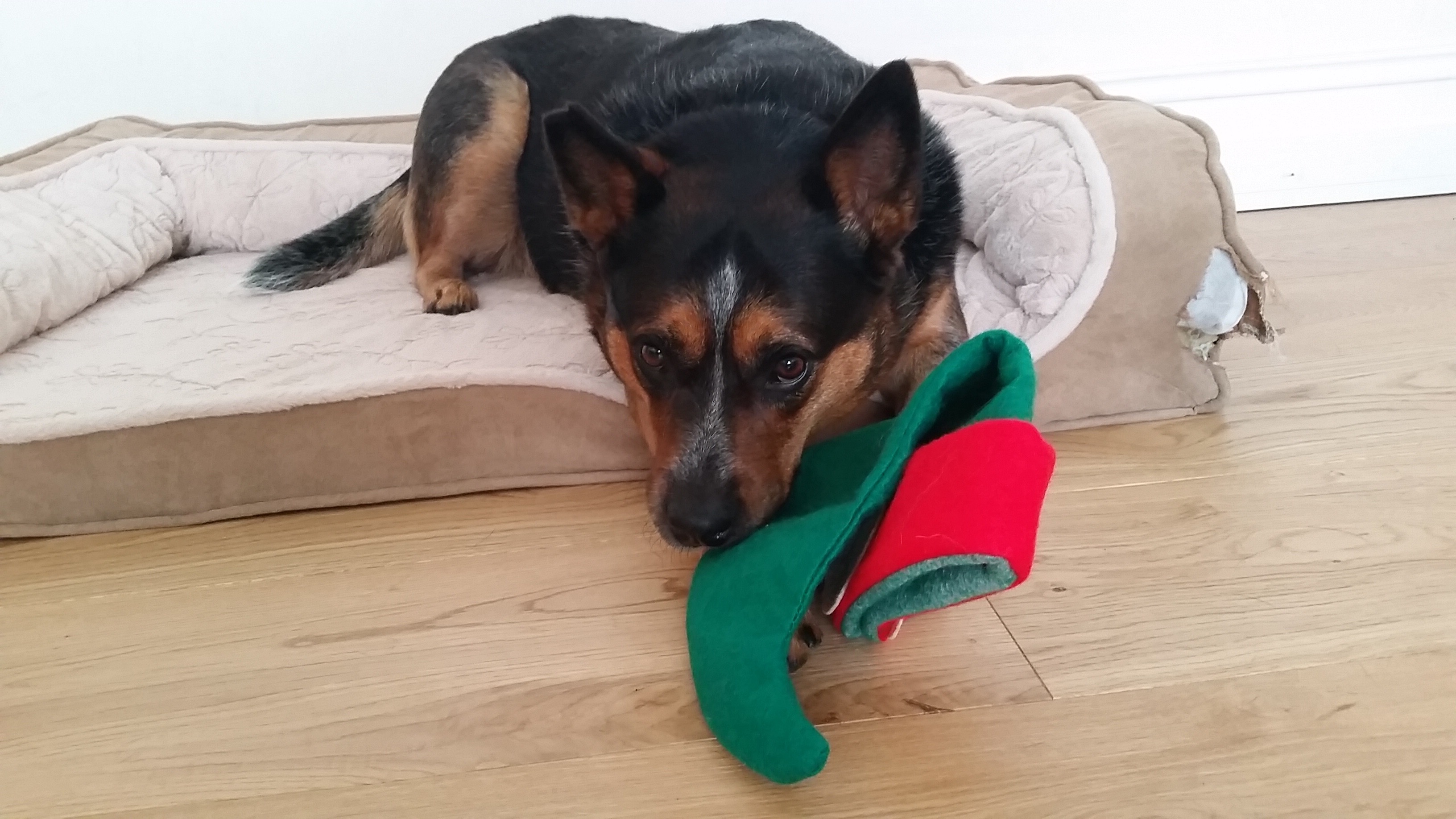
This second picture was taken in Fall 2007. His muscle tone was beginning to recover, his coat was a little better and you can see in his eyes that he feels better.
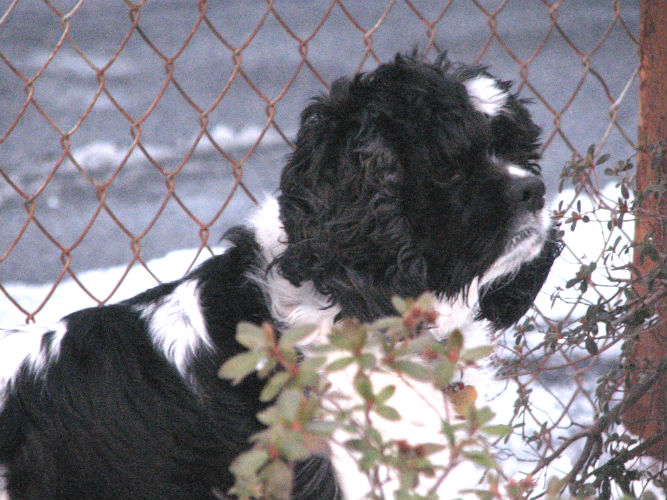
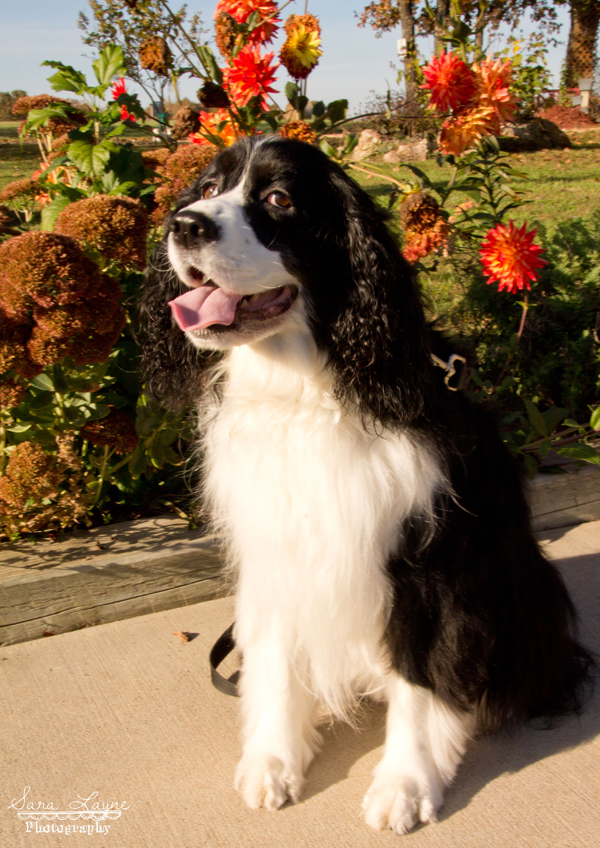
The third picture was taken a full year later in Fall 2008. You can see his muscle tone is back to normal and his coat looks great. He is holding his head up and is showing interest in a squirrel running across the fence in the yard. He is completely drug free here. He lived another two years after this and passed in early 2010 at the good age of 12 from an unrelated heart condition.
Mike, there is always great hope for a Second Chance for every dog. Chance’s story is why I started this website.
my best
patrice
Of course, here is Dr. Dodds discussion:
http://www.canine-epilepsy.com/doddsnutrition.html
Brigitte,
Dogs lack the enzyme that humans have in our mouths that starts the digestion of carbohydrates when we chew. I remember a science class many years ago when we were given crackers and told to keep chewing them until they tasted sweet. That is the work of the enzyme on the complex carbohydrate changing it into simple sugars before it even leaves our mouth.
Dogs don’t really chew their food. I’ve watched them plenty of times. A chicken thigh will get 3-4 hearty chomps and down it goes. So their mechanical breakdown of food is minimal.
Dogs have a very acidic concentration of hydrochloric acid, more acidic than humans, to compensate for the lack of mechanical chewing. Gastric acid’s job is to break down proteins into amino acids. In dogs there is a further benefit of the higher acid environment to provide chemical breakdown of the bones and meat in addition to the mechanical work being done by the stomach. And in all healthy dogs this high acidic content protects them from bacteria and viruses. No wonder dogs can eat junk and seem to survive it ok! Their tract is very short and you can see what went in the morning sometimes even later in the day. Food just zooms through the small intestine compared to humans.
But we all know that dogs on prednisone are really super prone to stomach ulcers, it’s the downfall of that highly acidic environment.
I’ve read of the problem with probiotics. If I remember correctly it was preferable for them to have a more durable capsule so it could survive until it reaches the small intestine?
There was a research study done that showed, among other things, that nearly all dogs on raw diets tend to have a higher overall BUN, HCT and Creatinine. Dr. Dodds performed this study and I probably found this out from her since Chance’s bloodwork was showing this and it alarmed me. Here is the first summary I could find that shows this data. There are probably better presented results somewhere.
http://www.dogsnaturallymagazine.com/normal-blood-values-and-raw-fed-dogs/