Forum Replies Created
Vally,
Can vets obtain chlorhexidine shampoos? I found this rather complicated to read but good study about the use of shampoos on dogs with staph.
http://www.ncbi.nlm.nih.gov/pubmed/2021238
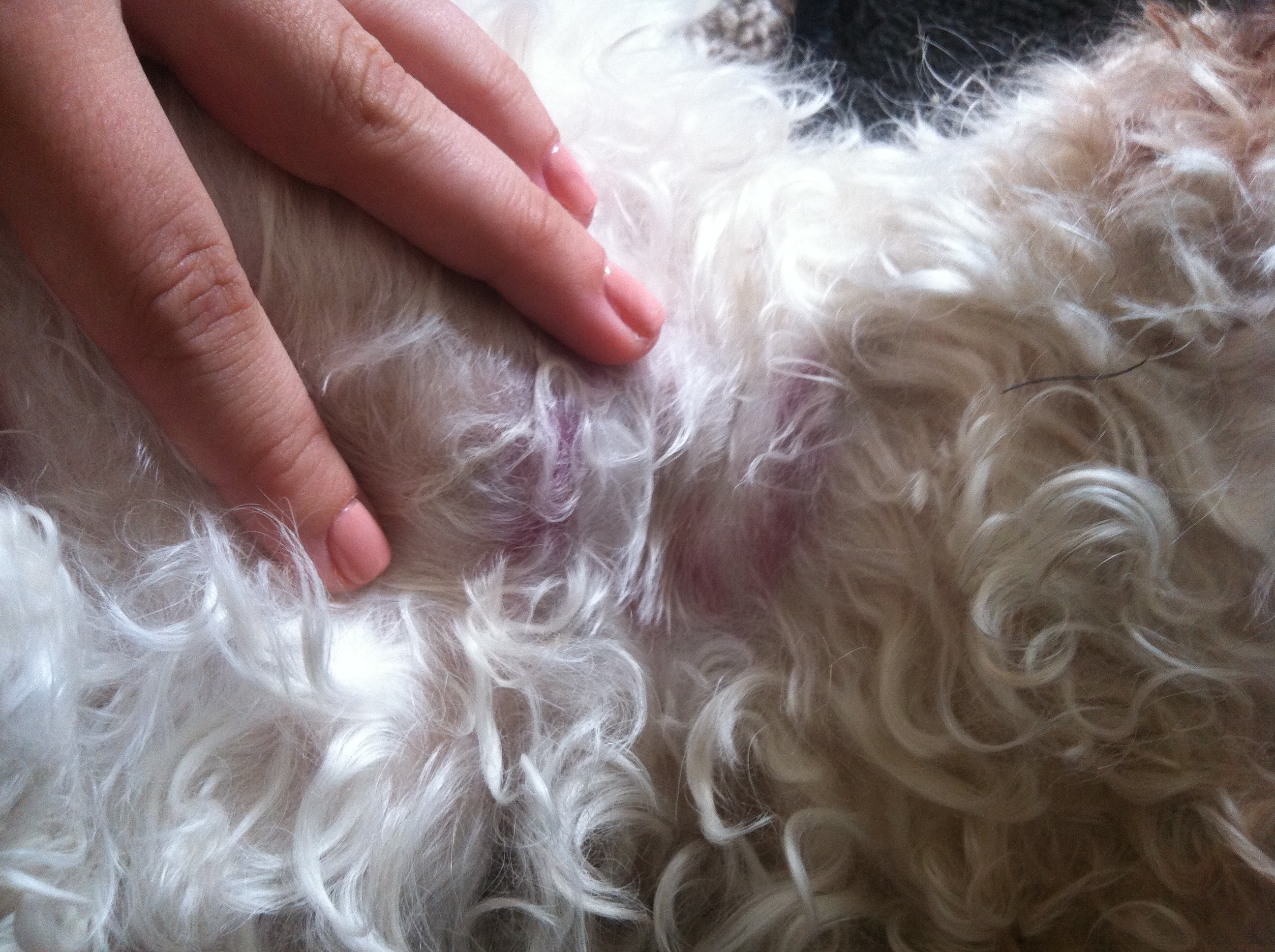
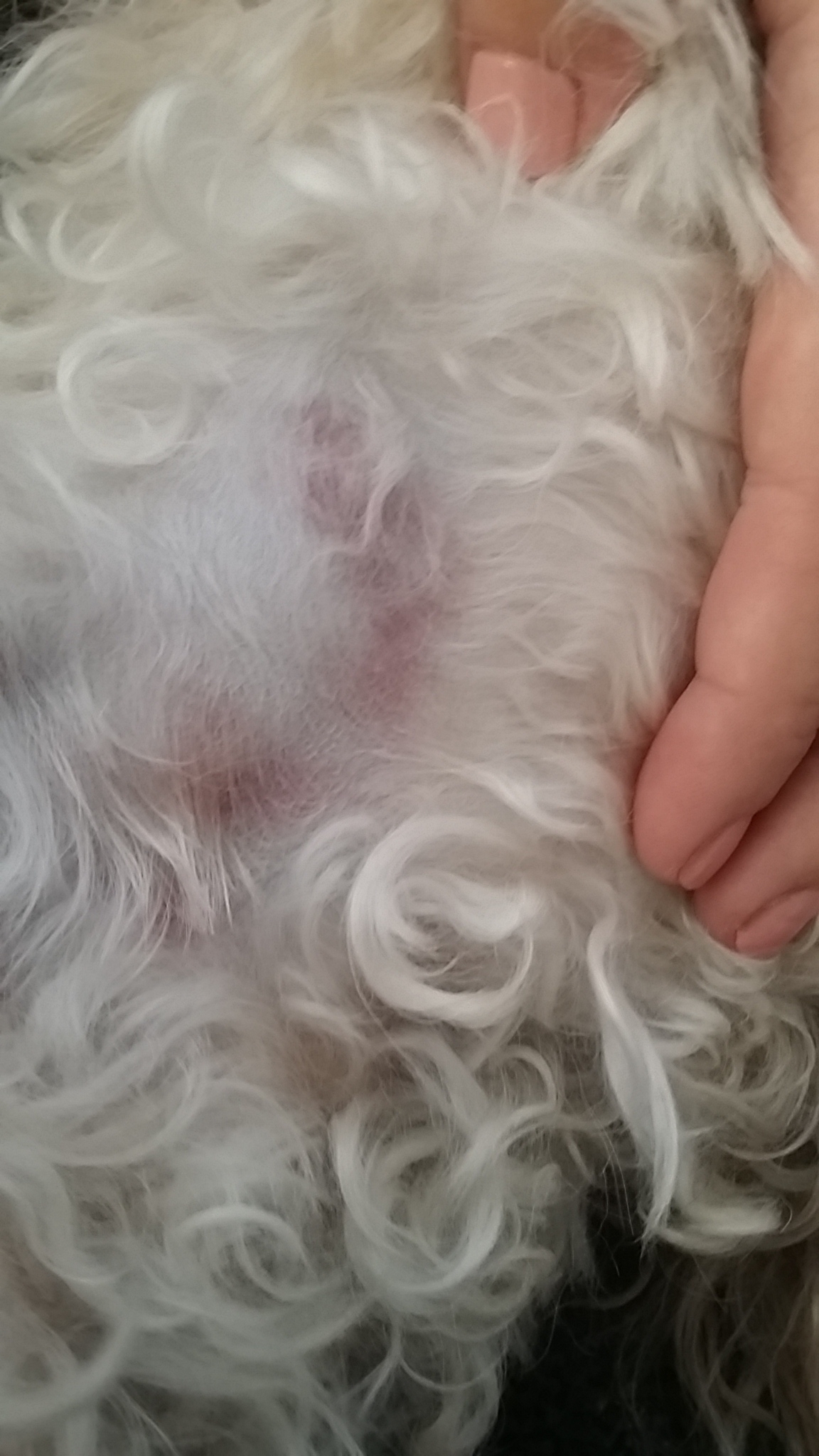
Any antibacterial shampoo is better than nothing. It doesn’t take a lot of it to wash these small areas and keep it from spreading all over. And it will spread, rapidly, if not treated. Best to catch it early to keep from having a hairless spotted dog. I am always concerned about it becoming more serious called MRSA.
I knew instantly that Chance had staph, I called the vet and told them I thought he had it, they didn’t even bother to see him but prescribed Cephalexin which I picked up in the outside mailbox they keep for overnight meds. “Cephalexin is a good broad spectrum antibiotic, which means it is useful in most common and uncomplicated infections. It is especially useful against staphylococcal infections (most skin infections) and is commonly used for long (6-8 week courses) against deep skin infections (pyodermas). ” He was fine within a day or two and these spots healed over time.
my best
patrice
Hi Amy,
I am grateful that your vet advised you to have a splenic ultrasound done. It sounds like they were very knowledgeable about what they were looking for and what they saw.
I have been through this with Chance in 2007 and have studied this a great deal since then. I can try to walk you through how to decide what to do.
First, while splenic nodules can automatically make a vet think of a very serious canine cancer called hemangiosarcoma, the reality is that many of these growths on the spleen, as many as 60%, are considered benign. The trick then is, how do you know which thing it is? Benign or malignant? The skill of the person doing the ultrasound is very important as they are interpreting what they see. It is all black, gray and white images created as the sound wave bounces off internal tissues.
When Chance had an ultrasound of his splenic growth, I was allowed to sit in on it. The vet explained to me that what he was looking for to differentiate this growth was if there were “lace-like” areas in the growth. In technical terms this means that there would be areas of light and many areas of dark making it look like lace.
Why is this important? Hemangiosarcomas are sloppy rapid growths. They desire blood supplies to keep growing and they will seek out blood filled organs in this quest. So the spleen and other organs like the heart and liver are also targets. These growths build sloppy “pools” of blood as their supplies. This makes the growth very unstable because the attachments are not good and it can move around a lot in the abdomen.
An ultrasound will show these blood supplies as dark areas. The healthy splenic tissue will show light colored areas. Thus, the lace-like appearance.
As I watched, I saw that, while Chance’s growth was huge, it was also mostly returning a solid light color. There were NOT dark areas on his ultrasound. I said to the vet, this appears to be solid tissue. He cautiously agreed with me. He advised me to have this removed ASAP and to keep Chance VERY QUIET until I did that.
So from your perspective, they were telling you that the growth is encapsulated, or it is a relatively sound piece of tissue, and that is also telling you that it is most likely not this sloppy mess of a tumor. These hemangiosarcomas on the spleen, when removed, look like hundreds of little growths all over the spleen, it clearly looks diseased.
My local vet advised me the day she found it on the xray, “we never do a fine needle biopsy of these growths because we know that will “seed” these cells into the blood stream if it is a hemangiosarcoma. They will move much more quickly to other organs.” I would advise you the same thing. Do not allow them to do this. Especially since it appears encapsulated.
I would advise you first, keep JD very quiet. These growths can bleed a little, then heal, bleed a little and heal. If there is a sudden rapid movement, say JD runs around or jumps, it can rupture. This will lead to severe internal bleeding that is extremely painful and life threatening. So these little bleeds can be accounting for the continuing anemia.
Second, if you can afford it, I would advise you to have this growth and the spleen removed immediately. My local vet did the surgery, they are quite capable, and removed a 7 pound growth and the spleen. Yup, huge. I was allowed to sit in on the surgery and it drew all the staff into the surgery to watch. Big growth, the biggest they had removed.
So any vet can do this surgery. You don’t necessarily have to have a specialist remove it. If you are short on funds and your regular vet is capable and agreeable, then you may want to decide to do it locally. Since JD has already had transfused blood you are going to need to make sure you have a supply of blood that has been absolutely matched and typed to use if there is an emergency during surgery. This will require an overnight stay, unless you feel that you are capable of caring for JD at home. I brought Chance home with me.
Finally, the hard part to read. Sometimes, after even the best guess, the vet opens the abdomen and finds it is an hemangiosarcoma that they feel they can’t remove, they may ask you if you want to close JD up and let him come home or if you want to euthanise him while he is on the table. This is your choice and I can’t tell you one way or the other how to decide this. A hemangiosarcoma grows rapidly and spreads to many organs quickly. Death may be sudden and painful or slow and debilitating as it bothers other organs like the heart.
There are very very few viable treatment options for this condition. Even if you have the spleen and hemangiosarcoma removed, and do some form of chemo, the chances are that there wouldn’t be more than a few months before it will spread to another body organ such as the heart. There isn’t a good survival rate. I’ve already researched this in desperation. The only option I found was Chinese meds prescribed by a veterinarian. I thought about it but realized that in most cases it just doesn’t help much if the growths are numerous, which they can be.
Luckily Chance’s growth was benign and the vet said this was curative. The reality is that he went on to to develop severe bone marrow failure almost immediately after that surgery. We began to notice changes in him a month or so later. His treatment, and his survival, is a very very long story. You can read it under Our Stories. Suffice to say, that this website is here because of what happened to Chance and how he recovered to live another good three years. He died at the good age of 11 from an unrelated heart condition.
If you have any questions at all, please write me back, don’t guess at anything with this. I know some of this is confusing to you, but I will try to explain it another way if you need me to.
So in short, JD has anemia that is likely related to some internal bleeding of this growth. This growth appears to be a solid, thus removable, nodule on the spleen. These are common and there is a good chance it is benign. Surgery is usually advisable with these and can be successful. Dogs can live quite well without a spleen, there is no danger in removing it. The surgery is relatively simple and most vets are capable of doing this. The recovery is not that easy, the incision is going to be quite long. JD may need a transfusion during this surgery and you need pretested blood for this. JD may need to rest in hospital overnight and will need probably a week to recover from the incision. If this is successful the internal bleeding will likely cease and JD will recover quite well.
my best
patrice
Adam,
Oh darn, I was expecting the vet to give you some antibiotics. Not what I expected would happen. Then you need to find some kind of topical dog shampoo that has chlorhexidine in it. I know Amazon has a lot of this stuff, do you have an au branch of Amazon?
Is he taking cyclosporine, Atopica? This is the one main side effect of this drug. Sometimes for a few days it’s ok to give it WITH food to help ease the problem.
I know it may be hard to find where you are but a few tablespoonfuls of plain canned pumpkin will help quite a bit. You can substitute any type of cooked winter squash. It works very quickly if this is a simple case of diarrhea.
Easy on the red meat! I know he loves it, but I am worried about the fat. Can you instead boil some ground beef to get some of the fat off? Or whatever meat you have their down under! I think some of your meat is lower fat than ours is in the US.
my best
patrice
Adam
This is most likely a staph infection. Read this glossary item.
https://www.secondchanceaihadogs.com/AIHA_Terms/staph-infection/
My best
patrice
Adam,
I am sorry you have had such a scare with Tiger. There seem to have been some missteps during the diagnosis and initial treatments that have alarmed you.
Lets look at canine influenza. This can be a very serious illness. There can be either one, two or both components to this disease, viral and bacterial. Unfortunately in some areas of the United States it has become quite a potent disease, leading to the death of some dogs. Currently in the US these areas have the most serious forms: New York, southern Florida, and northern Colorado/southern Wyoming. It’s interesting to note that the origins of this disease were in your country, Australia, in 2007 where it was passed from equine to dog. What is the status of canine influenza in your country today?
Usually the most difficult part of the disease for some dogs is the development of pneumonia with high fever and this can lead to hemorrhaging and vasculitis which would then lead to anemia. Can we be safe in saying that there was never any nasal drip or indication of pneumonia? I feel this is unlikely as I read through your post. It was unfortunate that they diagnosed this as a certainty so quickly and sent him home considering how serious this can be.
Some vets that have been in the business for a long time will think immediately of rat poison as the cause. I’ve been studying canine hematologic conditions for over 7 years now and I am less likely to think of this as a cause of IMHA. (And remember, there are certain values on any CBC that helps you know if this is IMHA or rat poison!) Dogs that live in good homes like yours are not apt to go prowling around at night looking for goodies such as dead rats. Or do you live in an area in Australia that is prone to problems with vermin? Is rat poison is sold prolifically at the local hardware stores? Most countries have discontinued the sale of the type of rat poison that can lead to this kind of bleeding disease.
What is true about AIHA and IMHA is that the attack by the immune system on red blood cells has become much more commonly seen in dogs around the world. If you have time please watch these two short introductory videos about AIHA IMHA:
https://www.secondchanceaihadogs.com/aiha-video-library/aiha-introductory-videos/
You can see that there can be a genetic component to this condition that is triggered by the environment where the dog lives. Stress could be considered one of the most common triggers. But it’s not the kind of stress you and I get when we are in a traffic jam!
In dogs stress comes from things like exposure to vaccines, hormones, certain medications or ingesting human meds, chemicals or heavy metals, stings and bites, or even something as common as allergies.
I know for sure that many of our survivors on this forum have had dogs that had allergies all their lives, or perhaps had serious digestive problems such as diarrhea or colitis. My dog Chance was one of these, he had serious allergies starting at the age of 1.5.
Diet can also play a significant role. Many dogs seem to have had continuing problems with diarrhea or colitis. Dog foods can contain impurities such as mold or bacteria that can stimulate the immune system.
What is important to consider is that in many cases we will never know the actual trigger, we don’t get the exact cause of this written down on the vet’s notepad and handed to us. What we do know is that appropriate treatment relies on an excellent history, a careful examination plus good diagnostic testing. These put together tell a “story” if you will, that leads us to a better understanding of what has happened. That needs to be followed up with immediate and appropriate treatment. Combine all these elements and you have a great chance for recovery.
As you talk with your vet, have a list of specific questions that you want answered or at least discussed. Be polite and thankful to them always, but do have them respond to you in a way that you understand. You need to be determined sometimes to get those answers. Always ask for copies of all your tests, especially the CBC and the chem screen. We would like to help you read them and understand them. Within those tests we can help you understand where Tiger was and where he is now. You are paying for the tests, they belong to you, you can say they are for your records.
Common laboratory artifacts caused by inappropriate sample collection and transport can and do cause significant errors in the test results and indeed this “jostling” of delicate red blood cells can and will cause the PCV HCT, among other values, to vary widely. It is an unfortunate part of veterinary treatment. The difficult part with our special dogs is that their lives depend on the subsequent medications and dosages that they receive. If the tests are wrong, so too can the medications be wrong.
How do you control this? After a bit of time you will begin to figure out which techs are really good at what they do and seem to keep Tiger the calmest. Be polite and say anything you can to make sure that tech is the person that handles your dog for testing. “Tiger likes Sue so much, can she be our tech today?” “What days and times is Sue here? We like her so much, she makes us feel at ease.”
We can help you read your own tests so you can recognize when something doesn’t seem right. Try to stay with your dog if you can. Explain that you want to learn everything you can and it helps to watch. Avoid getting nervous or asking too many questions. A polite owner who appears to be interested in being a partner in care will be appreciated by the staff. In general, most people who got into the field of veterinary care did so because they love working with animals. Appeal to that love of the job.
If you are at the vets and need us to answer a question or explain something while you are there, just send us an Urgent Advice email. This site is mobile friendly. We’ll get your answer to you before you leave the vet’s office.
https://www.secondchanceaihadogs.com/urgent-advice/
I think the best thing now is for Tiger to come home. Remember stress? He is without you for most of the day in a very strange place full of other noisy dogs and that is extremely stressful. A little over a week ago I spent nearly 20 hours with my dog in a kennel after knee surgery. It was so noisy and I could tell it bothered him. You can’t imagine how loud a ceiling hose is being yanked over to the next kennel to be hosed down!
I knew the one thing I needed to have happen was to get him home as soon as possible. Once home where it was quiet I was able to make him special food and let him rest in peace. I know that is good for him. It is your loving presence and home nursing care that will be the most important part of his treatment while the drugs are working.
I am absolutely positive that Tiger will survive this. His PCV is currently in the 20’s and that is a good sign. Very sick dogs with PCV’s of 9% have survived with excellent owner care.
my best
patrice
Hi Pam.
I love Briards, a working dog. I am very sorry to hear that Ella developed IMHA and I do hope that she will go back to living a relatively active life of a large breed dog.
Can you tell me a little about what the vet believes may have been the trigger for this? That would be a very important consideration in answering your question. If it was something identifiable and treatable that would make some difference.
While a PCV HCT of 40% is excellent, for most dogs this is still not considered a normal average (45% is a standard value used for most breeds, but not all.) For most of us, we have no idea what their average value was when they were healthy because we never thought to do a CBC then. For Chance, I would have given anything to have had the forethought to have done a CBC when he was younger and healthier. So can we rightfully say that Ella completely recovered?
I’ve been studying canine hematological diseases and helping owners since 2007. I can say with some certainty, and that includes my own experience with Chance, many owners often get a Second Chance for their dog, but the dog we went into this is not exactly the same dog we come out with.
A dog that survives is often challenged by the treatments they had to undergo. Prednisone, for instance, is very hard on many body functions and organs. The musculotendinous system can be hard hit. So, for instance, the profound muscle loss during treatment can lead to future joint issues. Chance developed a ruptured cruciate and had to have knee surgery. Can I attribute that directly to prednisone? In his case, yes I can.
I often tell owners that these dogs are our special babies. They’ve had some kind of issue with the environment around them and the outcome was a serious condition. They may never be completely normal and may again react the same way to those triggers. We cannot say for certain exactly what will happen.
For instance most dogs should not get routine vaccinations ever again. Perhaps they cannot tolerate either topical or ingested tick and flea protections. They may have had severe allergies before their IMHA and once off prednisone, the allergies return with a vengeance leaving them with a highly reactive immune system. Allergic reactions like this continue to remain a trigger to IMHA. Some dogs that had thrombocytopenia, once recovered, can have sudden and severe relapses.
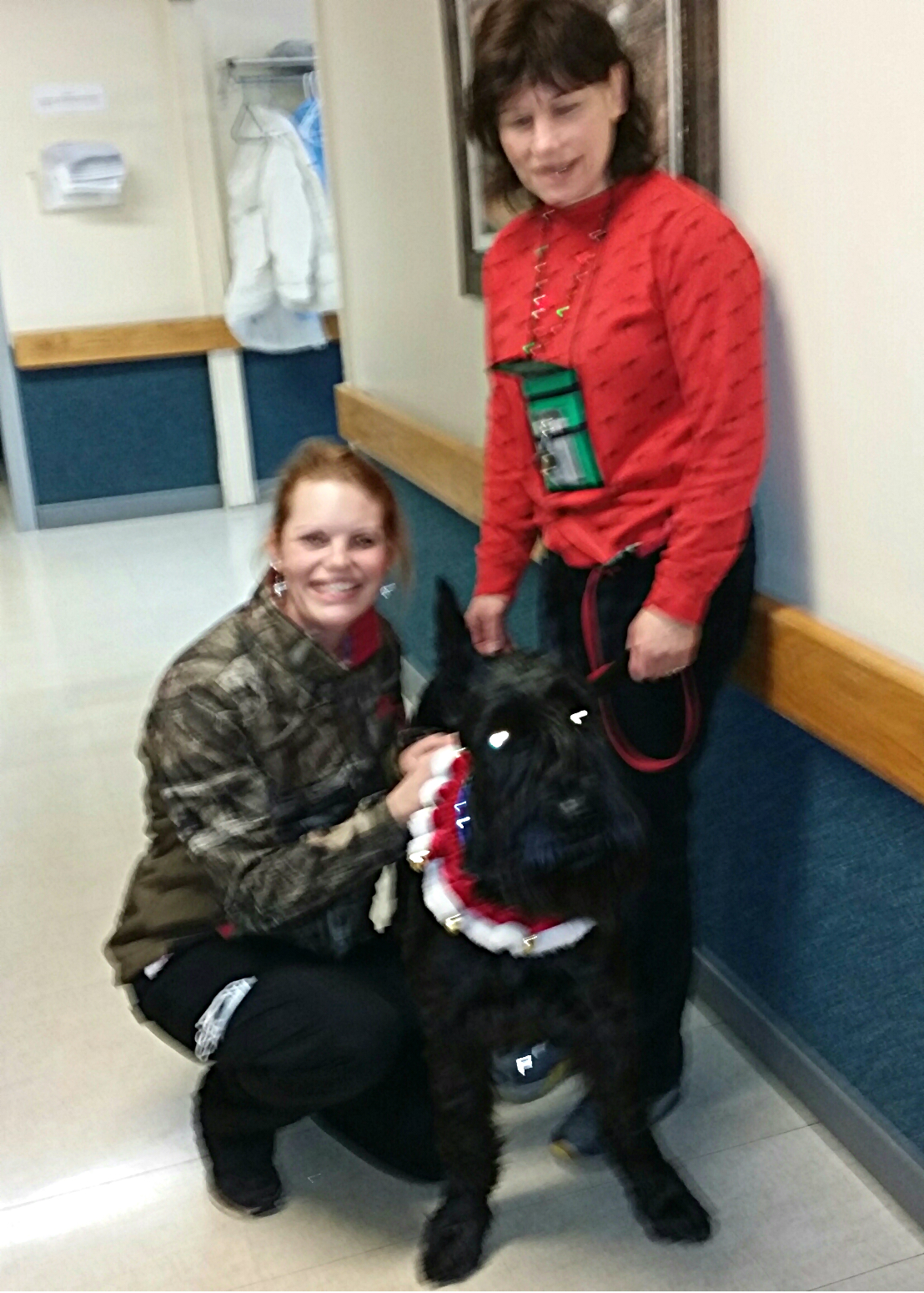
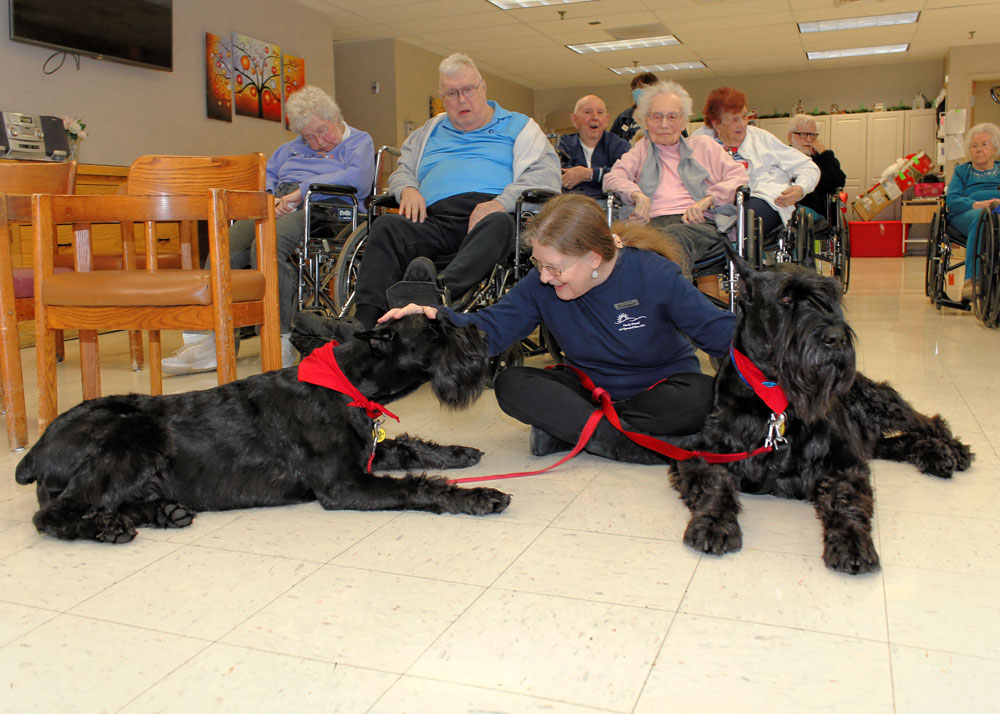
I decided after Chance recovered not to challenge him again too much. I stopped taking him to the nursing home, he was a registered therapy dog, but I was concerned about him contracting MRSA.
I paid a great deal of attention to routine health visits and I was careful to keep him from contact with other dogs who might carry something like a routine case of kennel cough.
That care extended to Cassie too, I didn’t want her to be the conduit for something to enter our home.
I agonized over his required rabies vaccination the following year and studied this topic considerably before finally deciding it was the right thing to do for legal reasons. In the end he had no negative reactions.
Would I have taken Chance on extended camping trips that took us a distance from civilization? Absolutely not. Did I take him to our summer home in the Adirondacks? Yes, he stayed in our home and we only took short slow hikes on small mountains. I knew where every emergency vet clinic was all along our trip and I had a relationship with a vet clinic near our home. The good experience was there without all the risks. Our lives changed in response to his needs. Did I ever feel deprived? No. He always enriched my life and made it better no matter where we were. And today, this website continues to honor his incredibly strong will to live by helping other owners.
So, if this were my dog, I wouldn’t continue with the grand plans but scale them back to smaller outings closer to home and for shorter periods of time. A dog will enjoy wherever you end up because they will be with YOU and that, in their world, is all that is important.
my best
patrice
Hi Leza,
Please tell me more about Molly eating snails? Was this something you fed her at home or did she pick these up outside?
Snails in GB (in freshwater) can carry parasitic flukes which can cause an infectious disease called Fascioliasis, (also known as “the common liver fluke” or “the sheep liver fluke.”)
Liver flukes are parasitic flatworms that live in the bile ducts of humans, dogs, and livestock. They must spend a period of their life cycle passing through a small mud snail called Lymnaea truncatula before it infects the animal. This disease can cause anemia (among many other signs) and can be quite severe if the dog is severely infected.
It would be appropriate to rule this out if there is a chance that this happened.
If this is not possible then just ignore me. I tend to carefully look at everything when considering what may be the trigger.
my best
patrice