Forum Replies Created
Alyssa,
I use Nature Made Fish Oil. It is the only USP certified brand that guarantees mercury free.
http://www.naturemade.com/fish-oil-and-omegas/fish-oil-and-omega-3/fish-oil-1200-mg#Xk8D1QgD6qOLGo7r.97
The best part is that stores often have it BOGO so it doesn’t cost a lot. I go through 8 a day in our house between the dogs and me!
Don’t use burpless, dogs don’t like th taste of the capsule.
Either puncture the capsule and squeeze on food or give whole.
My dogs come running when they hear that bottle rattle.
One morning when Willie was little and I was asleep I woke up to that sound out in the hallway. Willie had gotten the whole bottle down off the counter, opened it and had eaten at least 200 of them. That was a funny but frantic vet call! Guess it would make a great commercial!
My best patrice
Wendy,
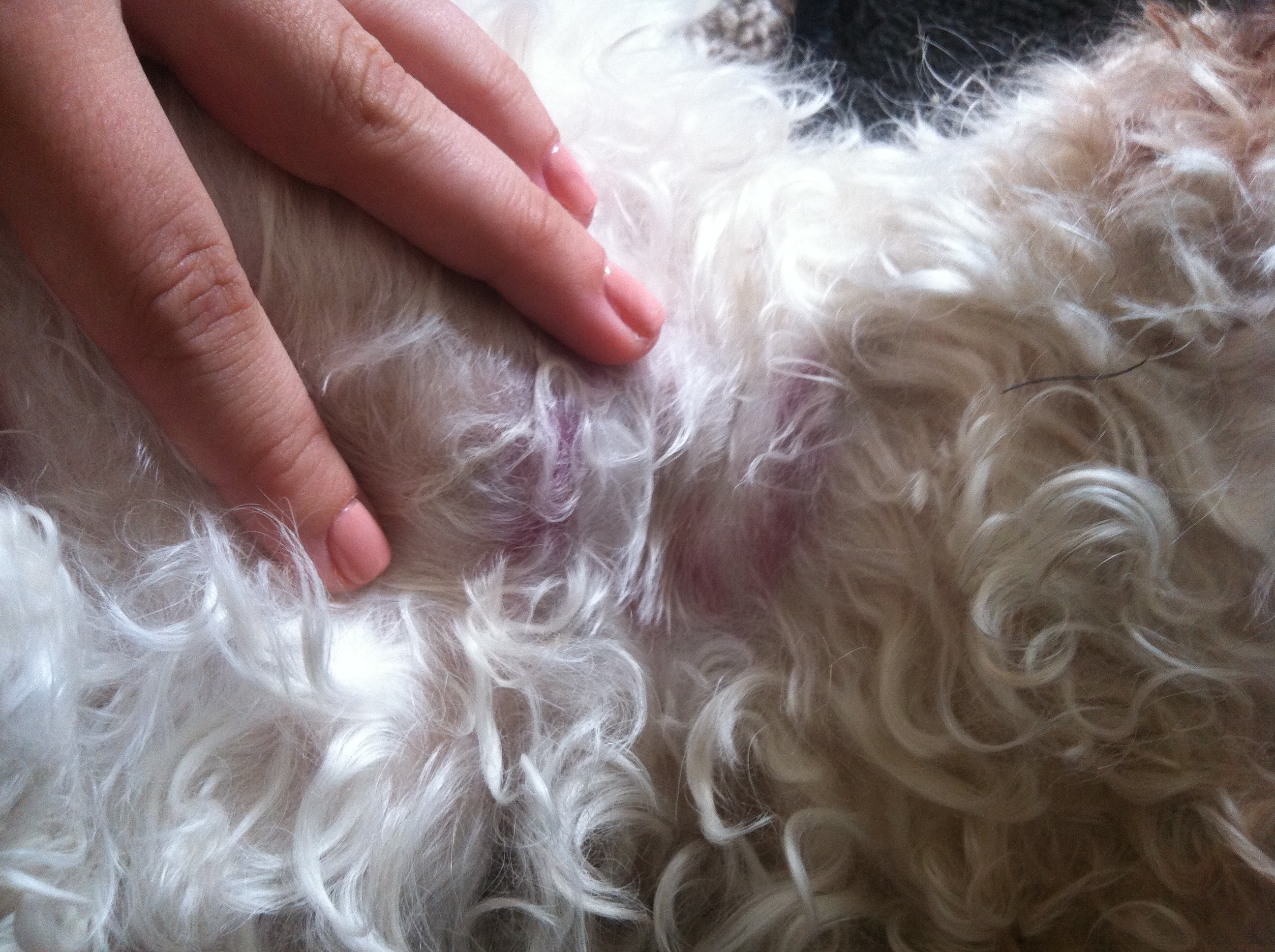
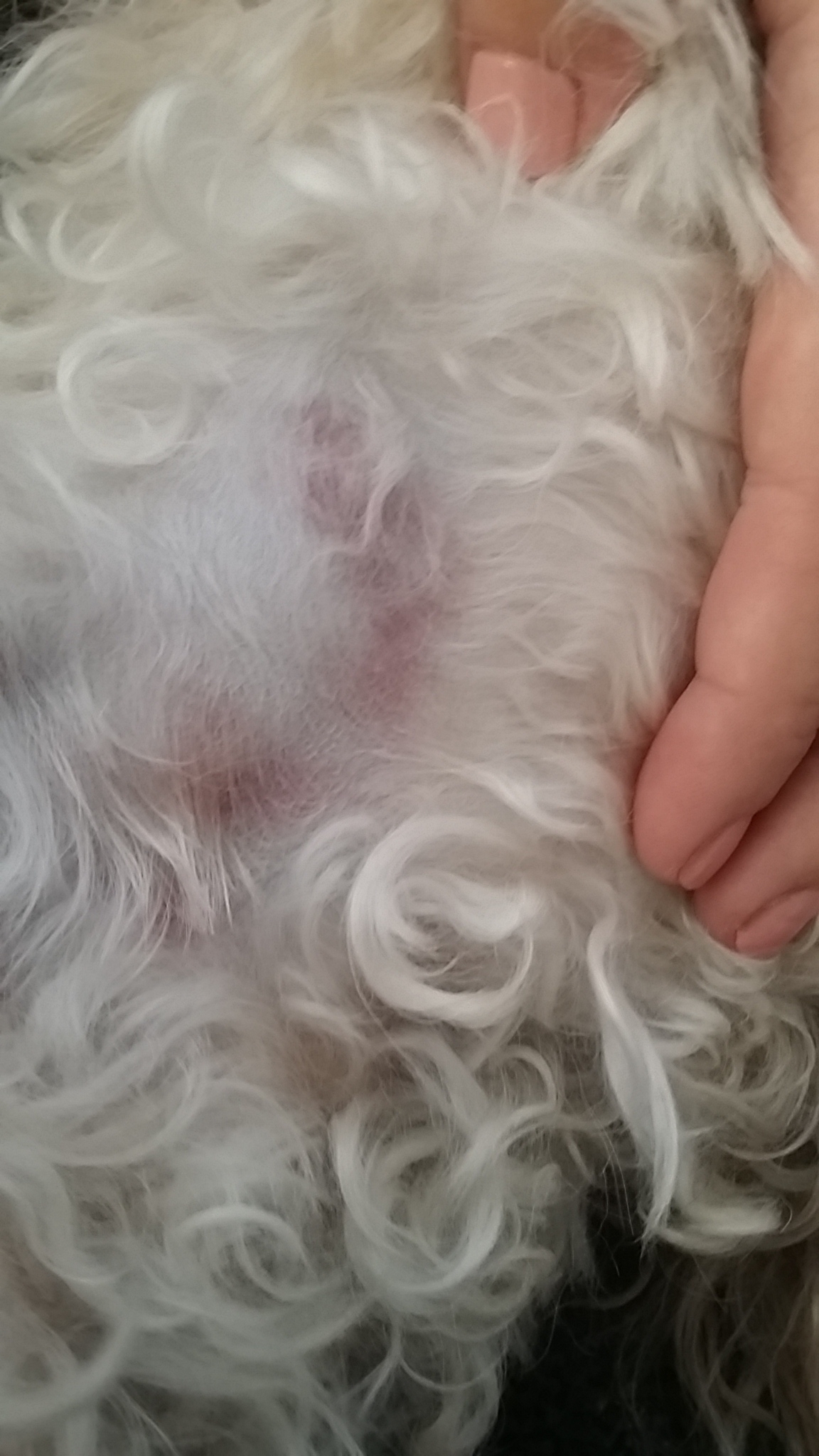
Oh dear, this sounds frustrating for you. Can you take a very very good picture of this and upload it on the right side of the forum where it says Upload Your Photo, browse, Give Your Photo a Title.
Can you tell me what other medications besides prednisone Frank is on? I am thinking cyclosporine, but want to check with your first.
Also, tell me if you have ever seen allergy symptoms in Frank, goopy eyes, biting or nibbling legs, paws etc? Do you feed kibble? He may have allergies that are contributing to this. Dogs cannot digest grains (all kinds), soy, corn. Many dogs can become allergic to beef, chicken at a minimum. Allergic dogs can have all kinds of skin and mucous reactions. And, also, any dog taking prednisone is actually constantly dehydrated, even if they drink tons of water, so this could just be a dry mouth symptom.
So for now, get me a picture. And if you are feeding kibble with grains, try making his food for few days. You can try the Dr.Dodds liver cleansing diet which should really decrease the chances of any food allergies.
Go to this page:
https://www.secondchanceaihadogs.com/nutrition-resources/
and click on Dr. Dodds picture. This will open a pdf of the diet. If you want to print it, expand it with the arrow on the upper right and then in the pdf click the picture of the printer. This will open it in a pdf window for printing.
If you have any questions about the diet, be sure to ask us!
I would not do any more explorations of testing with your vet. This appears not to be dangerous to him, correct? So it’s not an emergency?
my best
patrice
Alyssa,
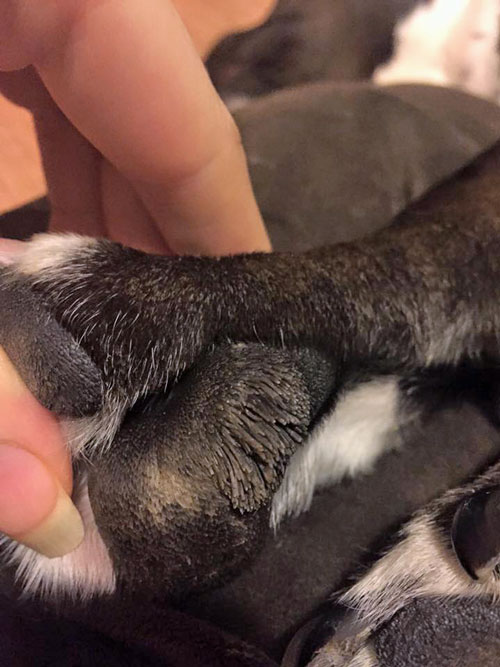
Ah, I see, it is a growth of extra skin, so to speak. This may be related to the use of cyclosporine, but it also does occur in breeds not on this drug. How long a period of time and what dose are we talking about?
The Atopica product insert notes that during the 90 study done on Atopica: “The maximum recommended dose, when administered for 90 days causes callus-like lesions on the footpads.” When they say maximum recommended dose they are talking about 5mg/kg/day.
They also note with this same dosage that “hyperkeratotic areas on the integument ” were seen. These fall under a category of veterinary conditions called Hyperplastic and Seborrheic Syndromes: “Many anomalies affect keratinization.” (Keratinization refers loosely to the growth of skin areas, hyper means excessive. ) See this page for images:
http://www.vetbook.org/wiki/dog/index.php/Hyperkeratosis
In both instances, the researchers noted that these side effects went away with a decrease of dosage and discontinuing Atopica.
But some dogs and some breeds have an inherited condition of hyperkeratinization without being exposed to drugs, this includes Poodles and Akitas.
I found this treatment information at one vet site:
“Treatment is symptomatic, with soaking, keratolytic and emollient treatments, with treatment of bacterial pyoderma.”
And I also read this in the Merk Manual: “Mildly affected dogs are treated with antiseborrheic shampoos and treatment of pyoderma as needed. Severely affected dogs have benefited from propylene glycol or hot oil treatments. Some dogs respond to oral supplementation with omega-3 fatty acids, and some respond to synthetic retinoids. Cases of spontaneous remission have been recorded. Recently, modified cyclosporine A (5 mg/kg/day, PO) has been very effective in the treatment of many dogs.”
So contrarily, they use cyclosporine to treat it. How odd.
I would be reluctant to use propylene glycol even though it is used in veterinary treatment. Oral retinoids are the same thing we humans use to get a finer nicer skin, in other words it sloughs off skin tissue and gets rid of wrinkles or in teens it treats acne.
So I remember being on a forum “somewhere” on the internet reading about how owners were treating this and I do remember this talk about using hot oil treatments. Talk to your vet first! But you can certainly start the shampoo on your own and fish oil is good for most every dog, only those that are actively in hemolysis should not be taking fish oil. Your vet probably has a favorite salve for paws.
I would highly recommend a higher dose of omega-3 fatty acids. Depending on weight you could probably give 3-4 fish oil capsules a day to see if there is any benefit.
And yes, I would add a veterinary formulated anti-seborrheic shampoo. I found this one that seems to be well rated by owners on Amazon. They say it smells good and is cheaper than the vets.
BPO 3 Shampoo 3% Benzoyl Peroxide (16 oz) is an antimicrobial, keratolytic, follicular flushing medicated shampoo for dogs and cats. It may be used in the topical treatment of pyoderma, folliculitis and seborrheic skin disorders. Contains 3% benzoyl peroxide.
Medicated Shampoo
Keratolytic
Degreasing
Follicular Flushing
Antibacterial
by VET Solutions
So you have some, what I consider benign, treatments you can start. This will make you feel a little more in control of the situation and she will love the extra attention!
my best
patrice
Alyssa,
Sorry to hear about this. Paw and nail things can be quite complex in canines. I found a wonderful site a long time ago that luckily is still on the internet.
http://www.lowchensaustralia.com/grooming/nailconditions.htm
Just my casual suggestion is that this may be some form of fungal / bacterial infection. I dealt with paw infections like this with Chance for a long time because he had TERRIBLE allergies. I tried dozens of products but I never had success until I used Malaseb shampoo on him. For the rest of his life, this kept his skin and paws free of any infections. It is expensive, but really works. You don’t need to use a lot of this to have success. I would make up a solution of this in a bucket and soak his paws for 5-10 mins and repeating that about every 10 days was sufficient to protect him.
http://www.bayerdvm.com/show.aspx/malaseb-shampoo
Try this for a few days and see if you have success. If you do, you will know that it is bacterial/fungal related.
Another cause that is can be seen for paw and nail issues in canines is something called Pemphigus/Symmetrical Lupoid Onchodystrophy (SLO) , an autoimmune condition. The lowchensaustralia site claims this is most common in Greyhounds, but I know that it is seen in Giant Schnauzers and probably in many breeds.
my best
patrice
Matt,
These results show a relatively severe non-regenerative anemia. The reticulocyte value, at 27,800 (which has not appreciably changed since July), indicates that the bone marrow is not producing new red blood cells in response to anemia. This value should be in the neighborhood of 150,000 to as high as 350,000 with a HCT as low as Slaton’s. A normal healthy dog (and human) maintains a value of about 60,000 or 1% at all times. This is the gold standard for evaluating anemia.
Each day our bodies destroy old worn out blood cells and replace them with new red blood cells. These new cells will live approx. 120 days when they will be destroyed and replaced. This does not happen all at once, but rather a little over time. What you are seeing then, is the gradual decline of these older RBC in circulation and thus thus the slowly decreasing HCT / PCV. These cells are most likely normal in every way, there is just not enough of them. This is called normocytic normochromic anemia. Normal shaped and normal amount of hemoglobin inside. This is exactly what Chance had. You can read his story here.
There can be a few reasons for this. However, working with Dr. Dodds for a year to save Chance’s life I learned that many dogs develop this as an autoimmune destruction of the precursor cells in the bone marrow. There are many steps from a stem cell to a fully developed red blood cell. You can see a very simplistic diagram of those steps here.
I say this is simplistic because there are many stages for the red blood cells that are not shown in this diagram. At one of those stages Chance’s red blood cell production was being “arrested.” He also had “arrest” of the white blood cell line. While a bone marrow biopsy will show this in detail, I actually don’t recommend performing this test until after an aggressive protocol has been attempted. We already know that Slaton is not making red blood cells. This test is very invasive, requires anesthesia, and would essentially tell you exactly what I have just observed by looking at your CBC. The specialist is going to offer this test to you. Talk with me again before deciding to do this.
There is a specific lymphocyte line called the T-cell lymphocytes that is responsible for the protective / warrior element of our immune protection. However this cell, that moves from the bone marrow to the thymus gland to get “programmed,” can go rogue and forget what its job was supposed to be. It generally is the lineage of WBC that is responsible for the autoimmune destruction of cells. In this case, however, it isn’t happening while the RBC are in circulation (AIHA IMHA) it is happening to the precursor cells in the bone marrow. This makes it more difficult to treat and requires a more aggressive protocol.
On the other hand the other white blood cell lines are all very high (with the exception of lymphocytes and eosinophils.)
Why are the other WBC so high? Well, each type of WBC has a specific role in the body. We can tell a lot about the possible reasons by the particular WBC lines that are in excess of normal.
In short, looking at the WBCs I can see that there is most likely an infection of some kind, but more importantly there is an inflammatory condition going on as well. I believe, from your description, that Slaton has SIBO small intestinal bacterial overgrowth. In dogs this can be a quite destructive condition, causing serious illness. The major outcome of this condition is a failure to absorb nutrition properly. It also can lead to further serious bowel disease, for instance colitis. I believe that both of these things are occurring right now.
In addition to Chance’s destruction of the precursor cells he was also experiencing digestive issues as well. Some of the malabsorption that occurs with SIBO is the inability to process and digest vitamin B12 and folic acid. These important nutrients, along with iron stored in the liver, are critical to the manufacture of new red blood cells. With low levels of them the cells that are made are fragile and this is called “maturation arrest.” Add this to the complex problem of autoimmune destruction and it like the new red blood cells must attempt to go through a “land mine” of problems to reach maturity. All this is happening “within” the bone marrow.
And finally, Chance had been diagnosed with hypothyroidism a few years prior to his illness. We started treating him for it with Soloxine but then Cassie came along, life got hectic and I got sloppy giving him his pills. This hypothyroidism was directly related to his inability to make new red blood cells. The body was slowing down the production due to the extremely slow metabolism. Dr. Dodds insisted I get him back on his therapy.
So you can see that there is not necessarily one element involved in these complicated conditions and that the best results for treatment must involve a multipronged protocol.
1. A very aggressive treatment protocol of immunosuppressives, preferably using cyclosporine in conjunction with prednisone.
2. Aggressively address digestive problems with diet, medications (tylan powder or low dose, long duration metrondiazole) and probiotic therapy (human refridgerated grade, at least 45 million per capsule). Include testing levels of B12 and folic acid (and possibly iron as well.) Give B12 shots at home on a therapeutic schedule.
3. Implement thyroid supplementation to provide a stimulus to the bone marrow.
4. Address any identifiable infections with drugs.
5. Utilize a diet that is anti-inflammatory, adding antioxidants such as blueberries, fish oil and vitamin E. No grains, soy, sugars. High quality low fat proteins are essential. Best to consider making food at home.
6. Plan that additional transfusions may be needed before this protocol begins to work. Remember, dogs whose PCV drops slowly tend to be ok with lower PCV’s than dogs with AIHA whose PCV drop suddenly in a fews days. Chance’s uncomfortable level was 18%. Slaton’s could be higher or lower.
I am very confident that you will be successful. Remember that this could take a long time. Be patient with your vet and with yourself. I can tell you are a good Dad. You have the willingness to do the long haul.
my best
patrice

Erica,
I am so sorry this has happened. It is an uncomfortable condition and unfortunately the treatments we have to use to make to treat AIHA often make them prone to developing pancreatitis. What complicates this further is that we need to get pills into them and fatty foods are often the most appetizing way to do that!
What I can offer to you is that, in most cases, a dog can survive a singular case of pancreatitis very well if they have the correct treatment right away. After an episode you do have to be more cautious about fat in the diet but in general they can go back to a fairly normal diet.
My husband takes the dogs on a long walk Sunday mornings to the store to get the paper. He was always getting a pound of some kind of lunch meat and giving it to them as a treat. Well, Cassie developed pancreatitis one morning from eating about a half pound of this. We tested her and she definately had pancreatitis. I put her immediately on a very low/no fat diet for about 2 weeks. Then I slowly adjusted her diet after that so that it was a normal but lower fat diet. Tests showed she had returned to normal. She has not since had any problems. Treats are now “mommy approved.”
Your vet will help her with the pain and keep her comfortable. We can help you figure out how to feed her with less fat in her diet.
my best
patrice