Forum Replies Created
Good job Mom. I know you can’t move her.
I had an episode with Chance just like this at 1 am in the morning. He was lying in the street (our dead end street), unable to stand up after peeing. I had to get Mark up to carry him in. That was probably the worst time for me. I felt helpless and alone.
You are not alone, we are all living this with you as you describe it. Keep talking to us.
my best
patrice
Erica
She may have developed a stomach ulcer. Have you been using Sucralfate with her? This coats the esophagus and stomach to protect from and heal ulcers. If you are not, have the vet give you a script of this med. It really is a gooey substance that acts like an internal band aid. It must be given away from all food and meds. I used it on an overnight fast with Chance.
This could also be pancreatitis, an inflammation of the pancreas. It can be painful and cause vomiting also. Your vet would need to evaluate her if this is the case.
Right now, no food. Let her tummy rest for a bit. Offer plenty of cool water and make sure she drinks it. If she refuses water, syringe some into her cheek or try some ice chips.
You are doing a good job, try not to act frantic around her, this will upset her more. Give her some quiet time with you away from the household noise. She can go without food until you see the vet.
If things change overnight, by all means use the Urgent Advice page.
my best
patrice
Erica,
Excellent News! This is a perfectly normal PCV HCT percentage.
Yes, the side effects of prednisone are very discouraging. Just keep saying to yourself, “this has saved his life.” I promise they will go away and he will return to normal. I have seen it with Chance. He went from near death to normal in about 6 months.
Yes it is very possible for the body to regenerate this quickly when it is healthy. The body likes something called homeostasis, this simply means that every little thing is monitored constantly and many different body systems attempt to get everything back to normal as quickly as possible. So really, Justice healed himself, with your help. Make sense?
Take some Mommy time for yourself. You deserve a little break, even if it just a hot bath with a good book, ok? Very important to reward yourself. Good job Mommy.
my best
patrice
Wendy,
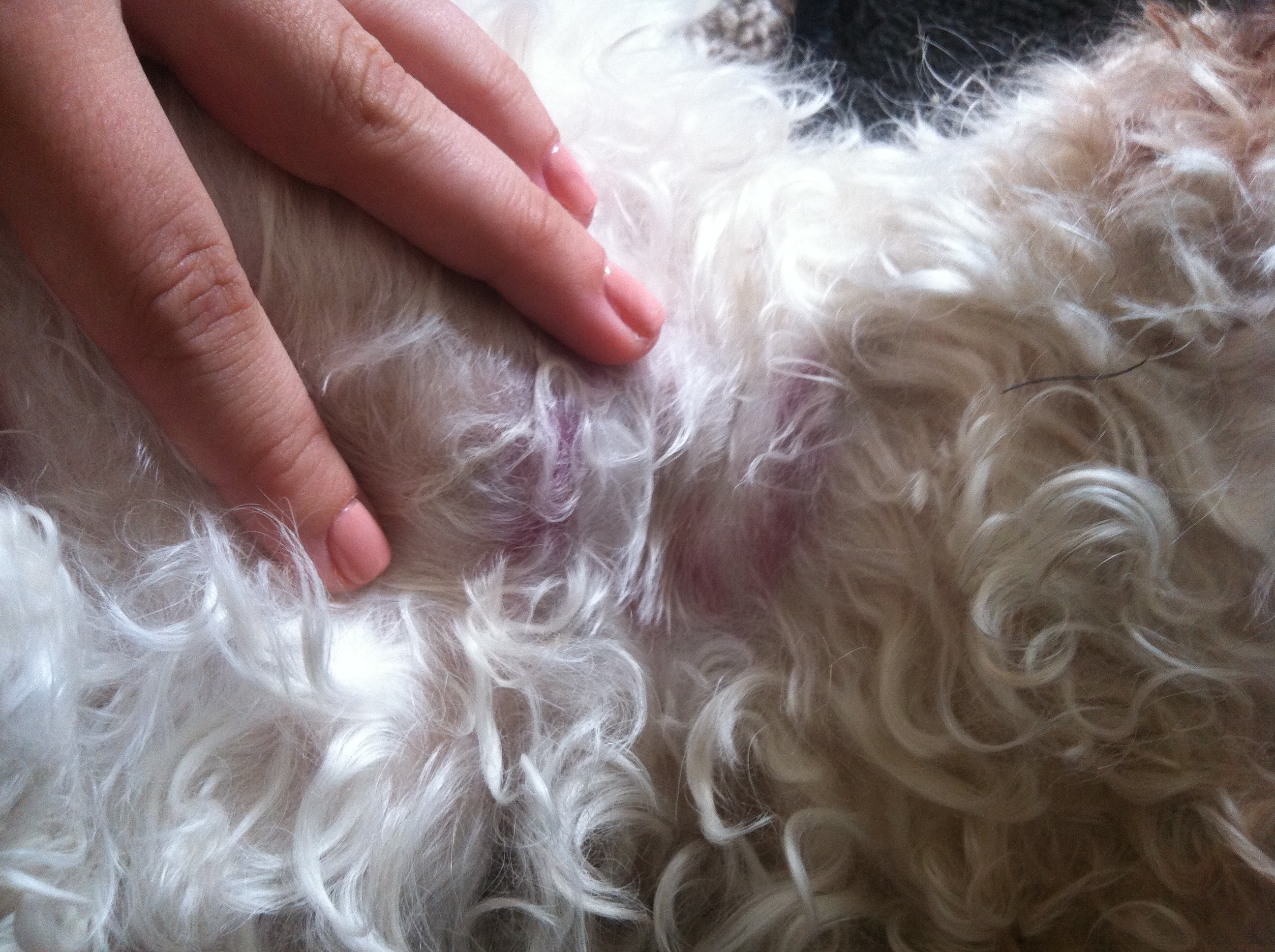
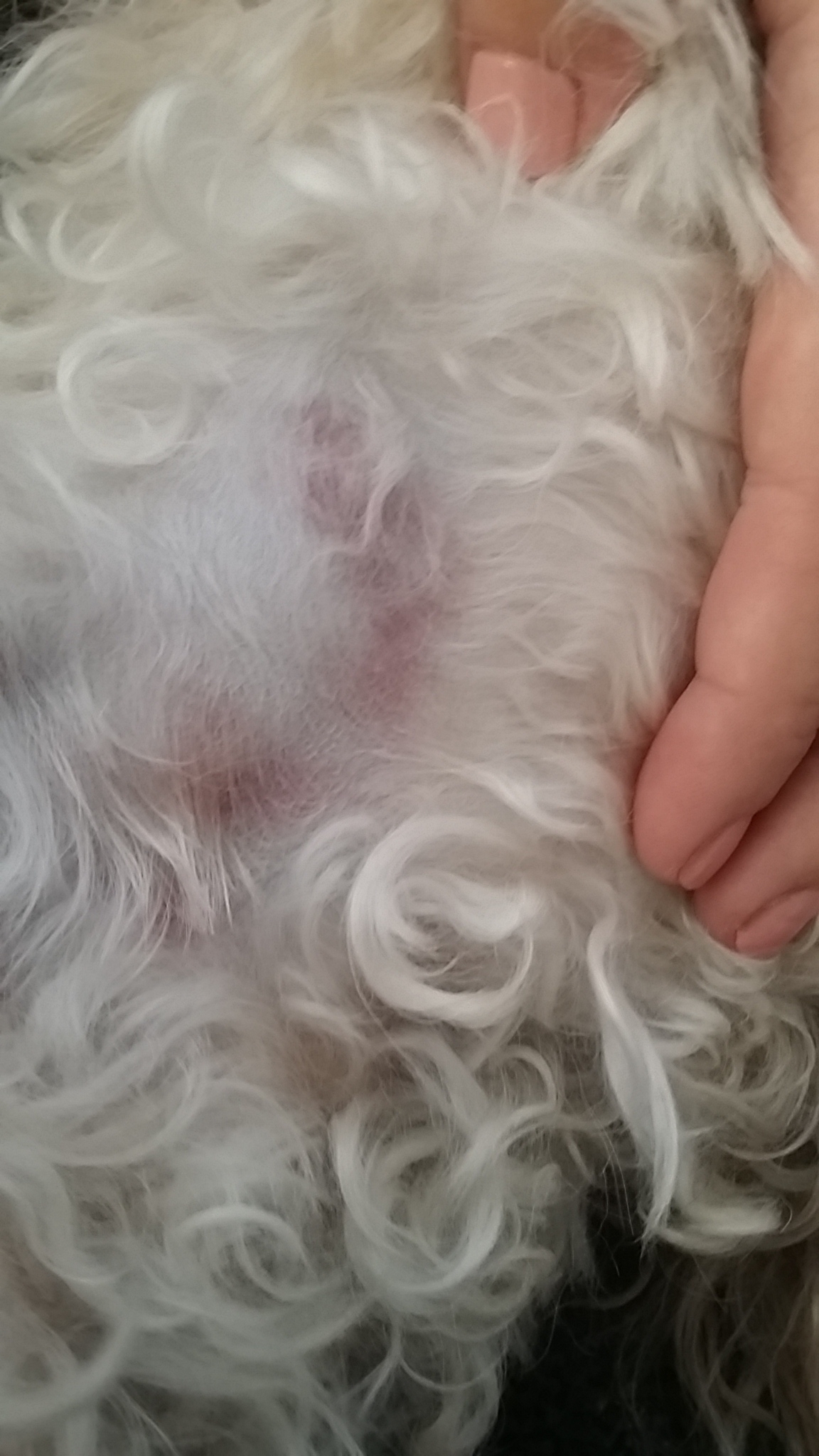
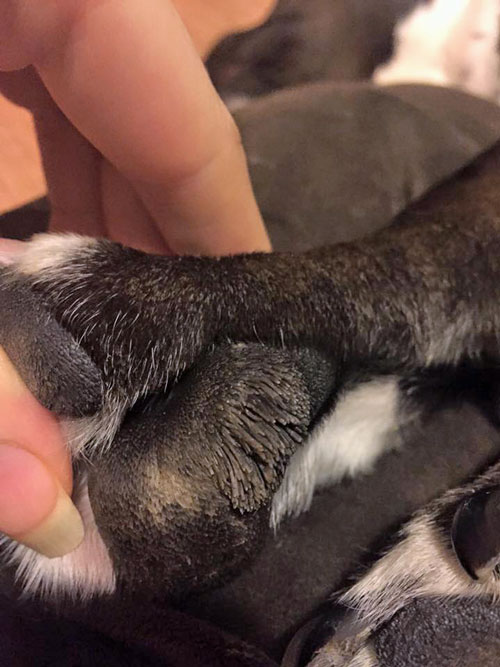
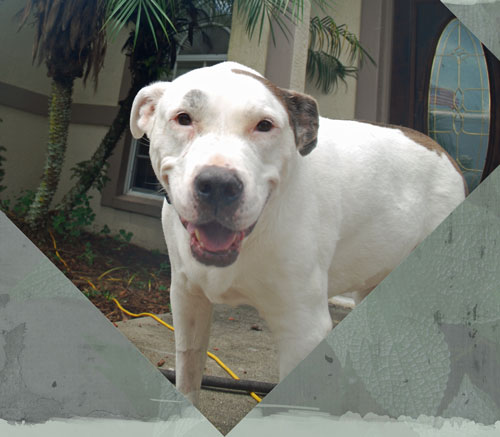
Chance had these things too, most likely from the Atopica (cyclosporine). He was on this drug for a very long time and was on a very high dose for about 2 months. One particular growth on his neck crusted and looked pretty darn awful. It finally came off by itself and did bleed like this. It eventually healed just fine. He didn’t have any on the paws, but those are a known side effect also. He had a very serious non-regenerative anemia. If we had not treated him with this drug, he would have died.
These skin growths can be one of several things: canine sebaceous cyst or adenitis, pyoderma, crusty dermatitis, papillomas, histiocytoma, granulomatous mass or lesion, cutaneous cyst, epulis (gums), benign epithelial tumor and hemangioma.
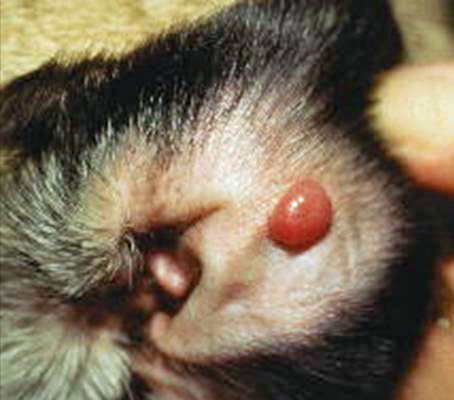
Benign Histiocytoma
I know they all sound horrible. But they are generally benign skin growths of one kind or another.
Why does this happen? Cyclosporine works by interfering with the very rapid growth of certain cell types of white blood cells that are generally known to be the cause of this autoimmune attack on the red blood cells.
These white blood cells are called T-Cells or more affectionately Killer T-Cells and are part of a group of WBC called lymphocytes. They are made in the bone marrow and are shuffled off to the Thymus where they mature and receive instructions on how to protect the body. Thus the “T” in T-Cells.
They normally are very good at taking instructions, but like many young know-it-all kids, they can go rogue and become warriors against the body. They are active in many autoimmune conditions not only in dogs but in humans as well.
T-Lymphocytes are “kissing cousins” of other blood cell types, they don’t follow the same reproductive path. So the T-Cells can destroy other types of white blood cells along with the RBC and they can even do this inside the bone marrow. Chance had this condition, immune-mediated neutropenia, along with non-regenerative anemia. This was a severe loss of his other WBC types and RBC. It was a very dangerous situation as it left him open to many infections and profound anemia. He was on many different antibiotics, including cephalexin which was very helpful in keeping his skin problems under control. Unless Frank has an allergic reaction, this will be very helpful.
So in the case of AIHA the T-Cells begin specifically attacking RBC. What do RBC have in common with skin cells? Ah, glad you asked. Both cell types reproduce and change out very frequently and rapidly. So the T-Cells will also upset the rapid growth of skin cells causing all these crazy looking skin things. Is it dangerous? Not necessarily. Just unsightly. Rarely they can develop infections and very rarely become malignant.
How do I know all this? I have read the Atopica product insert and the research testing that was done on dogs prior to this drug being approved for use in dogs. In those tests they gave dogs either 1-3-5 times the maximum recommended target dose. Those dogs getting 5x the max dose had more associated side effects than the 1x group. See Atopica product insert:
https://www.secondchanceaihadogs.com/medication-resources/#mg
However, here’s the rub. Atopica, even at it’s worse (and any vet would be stupid to use more than the recommended dose) doesn’t have as many serious side effects as prednisone which negatively affects every function in the body and can make humans and dogs very ill after long term high dose use.
If a dog’s life depends on using “something” to suppress the immune system, why not use the one that has fewer side effects and targets only the T-Cells, not the whole immune system?
Not every dog does well on Atopica. Some can never get over the stomach problems and they may even develop colitis. If, after herculean efforts to try to adjust for these problems, the dog just can’t stomach it, then it must be discontinued.
When you are also using 1 or 2 other immunosuppressive drugs simultaneously the dermal (skin) side effects can be significant. Chance, having hair, lost his coat and didn’t grow it back until months later. He developed raw huge sores on his elbows, and of course these growths. He looked awful.
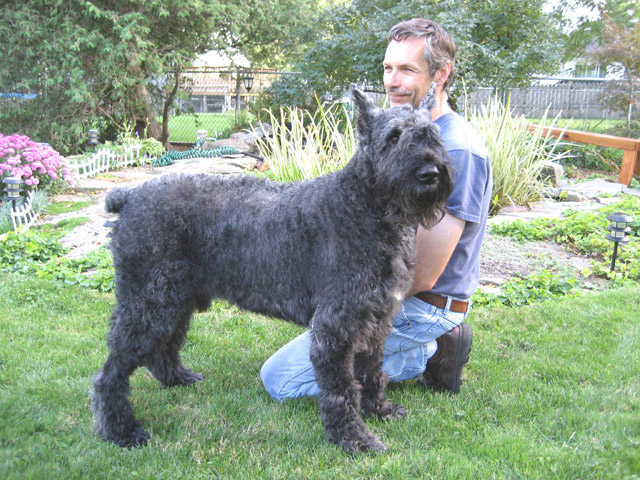
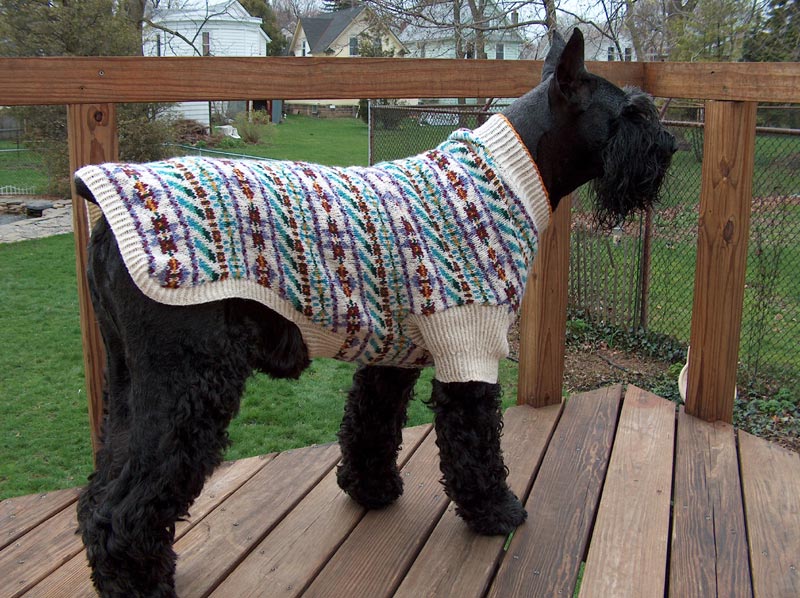
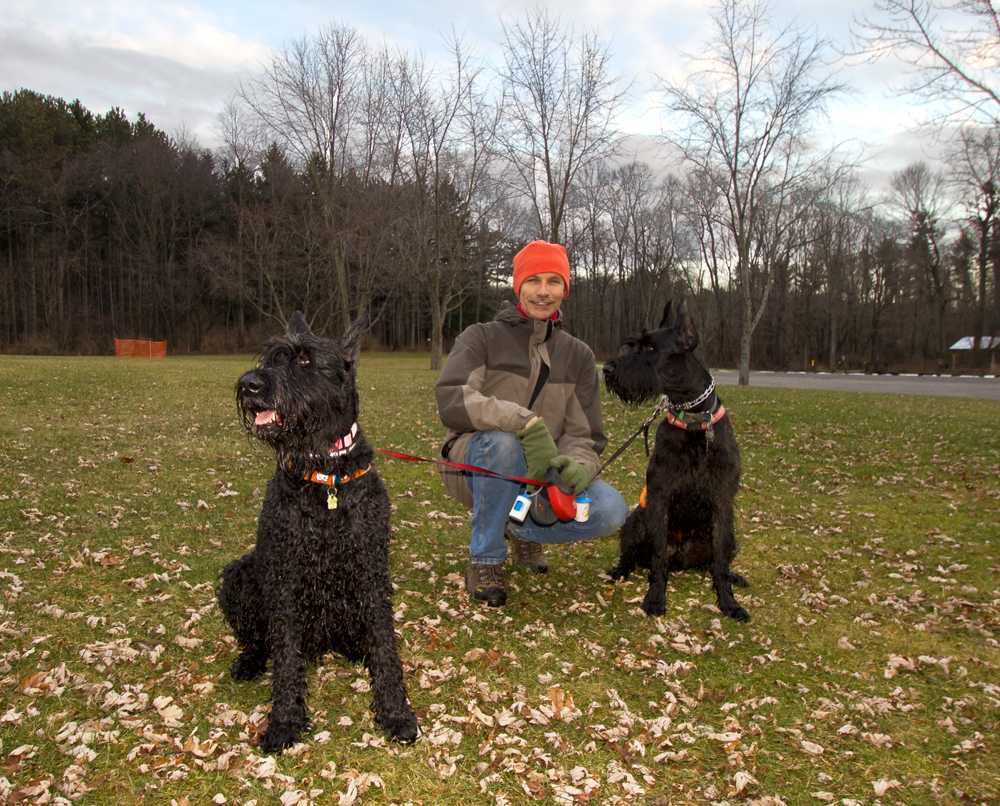
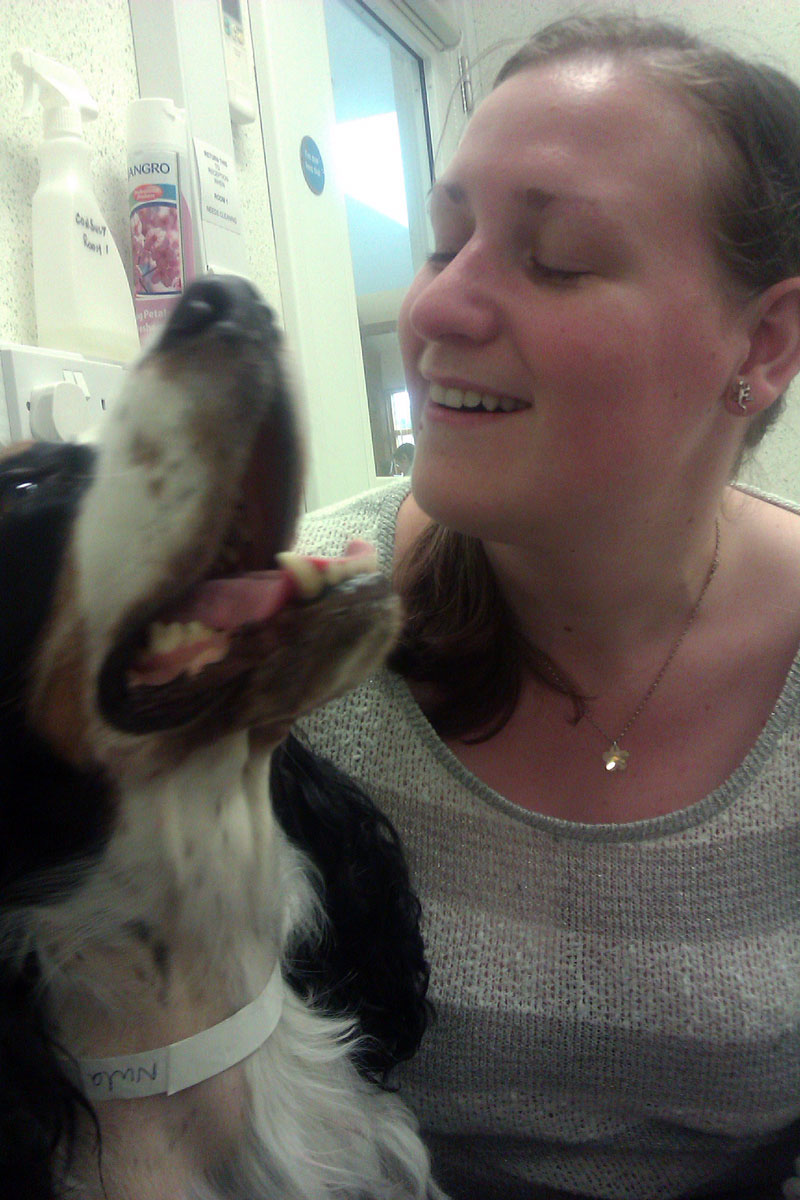
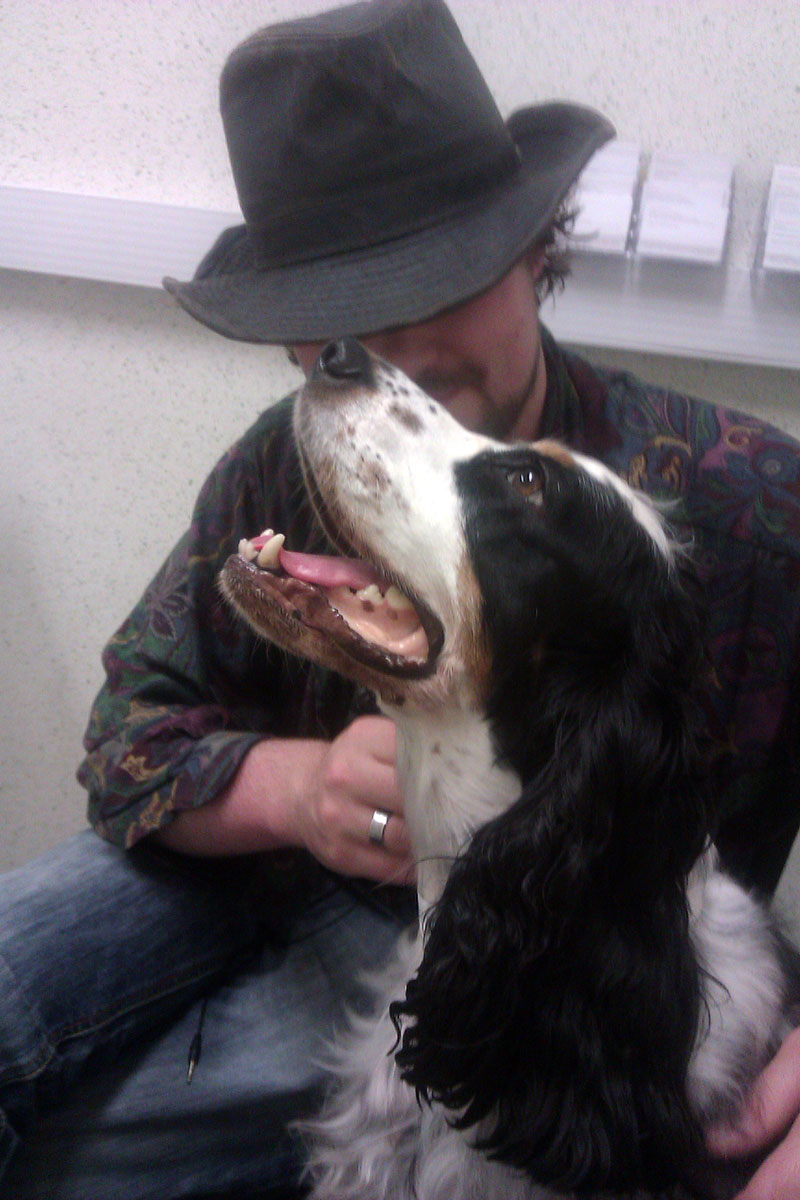
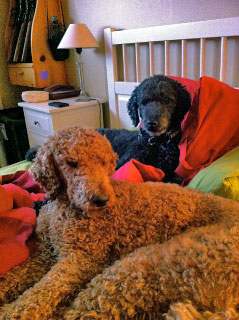
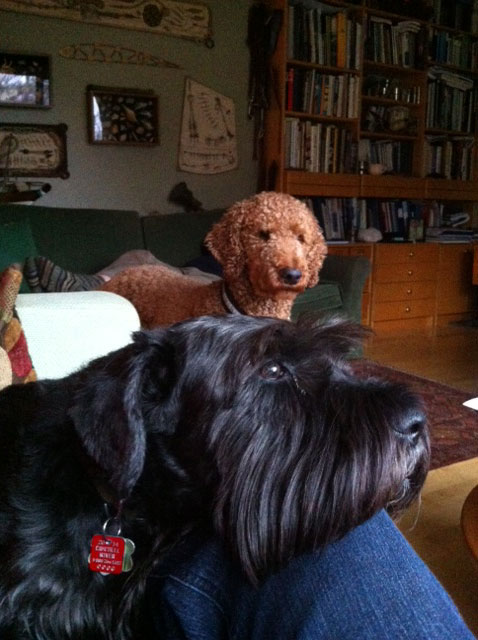
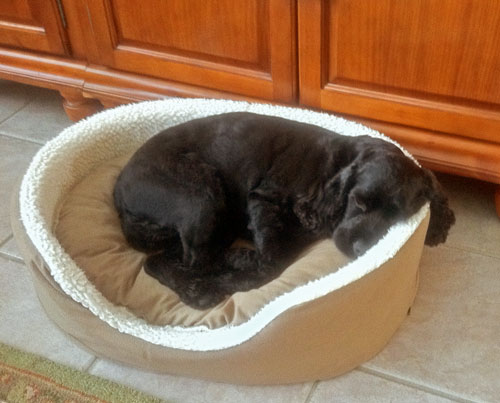
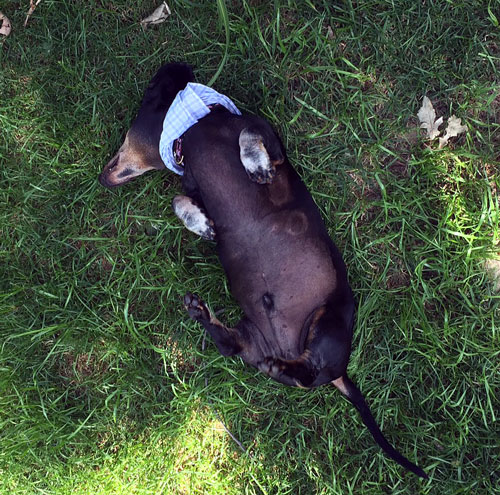
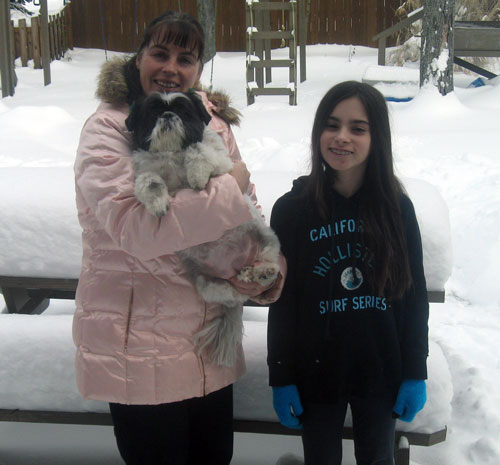
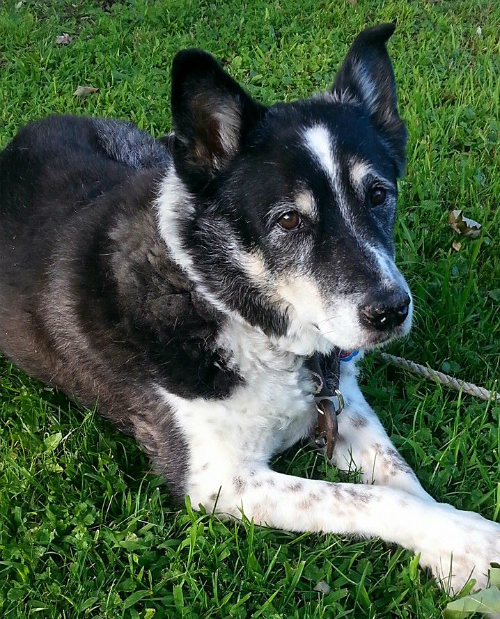
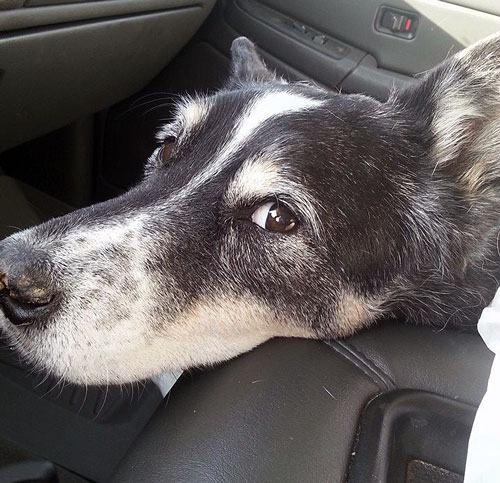
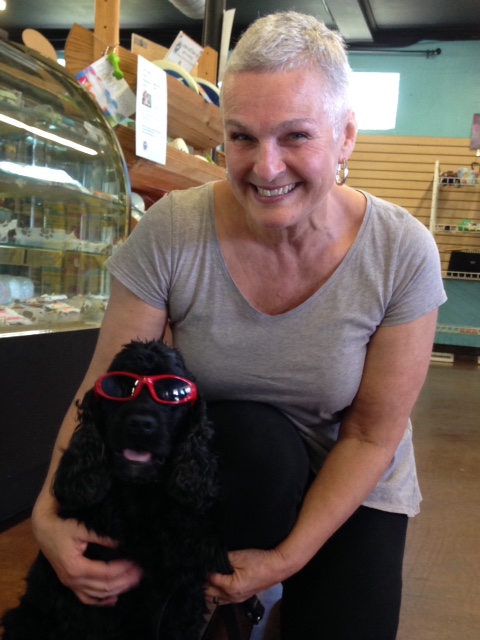
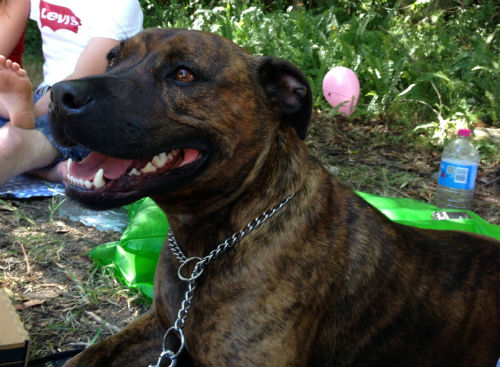
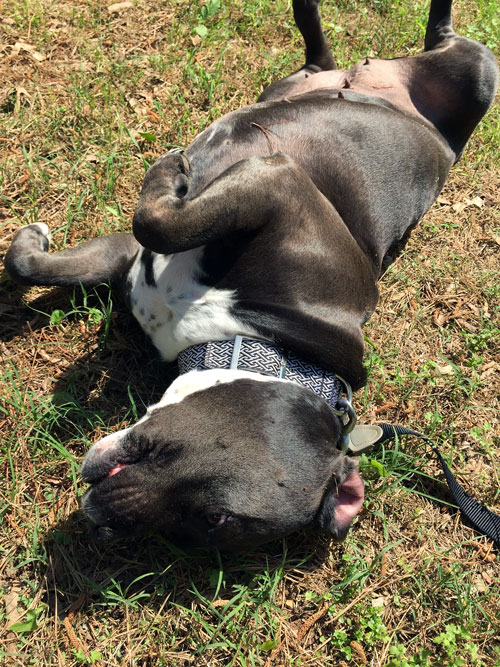
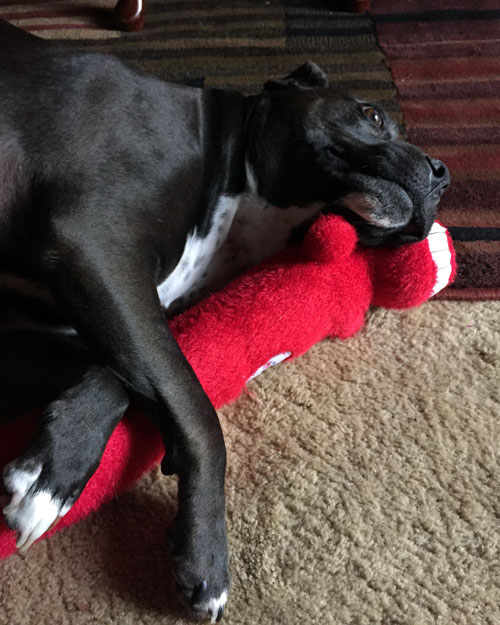
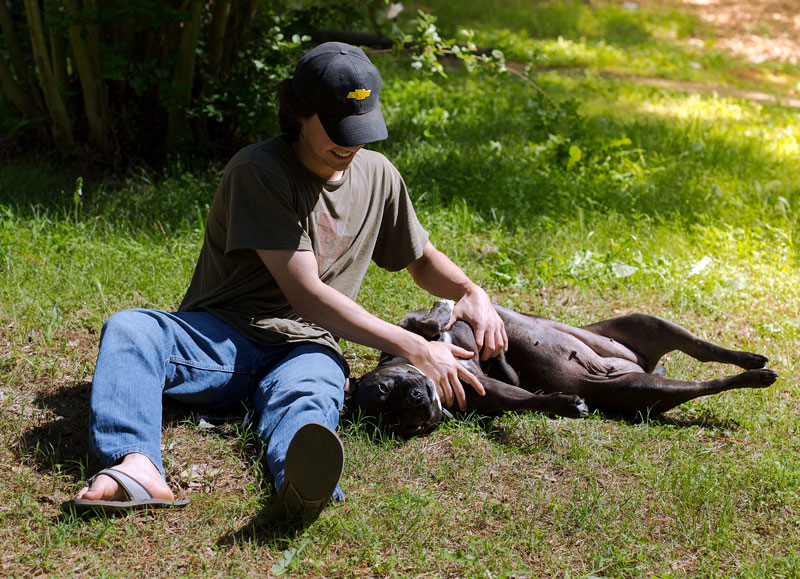
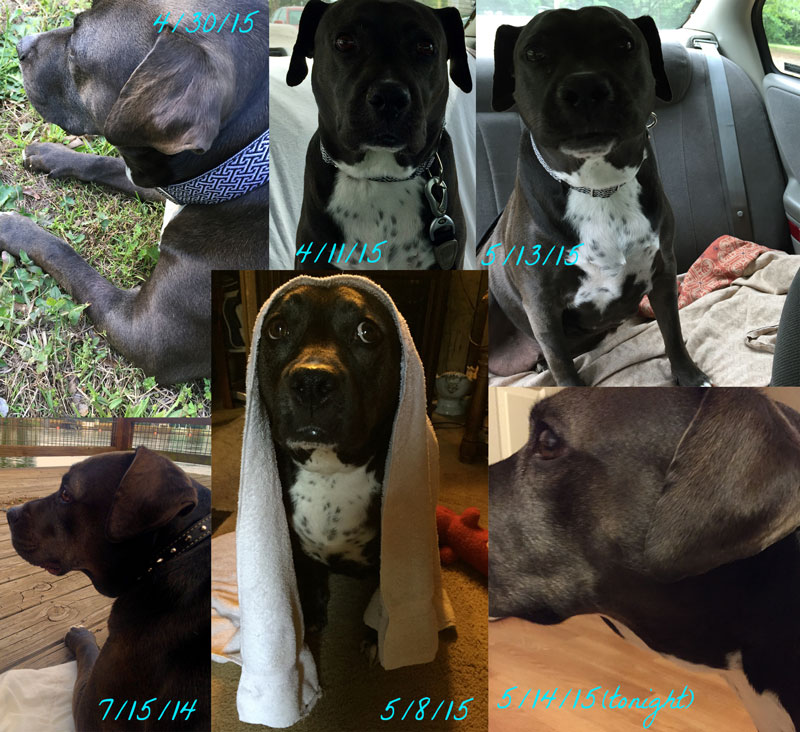
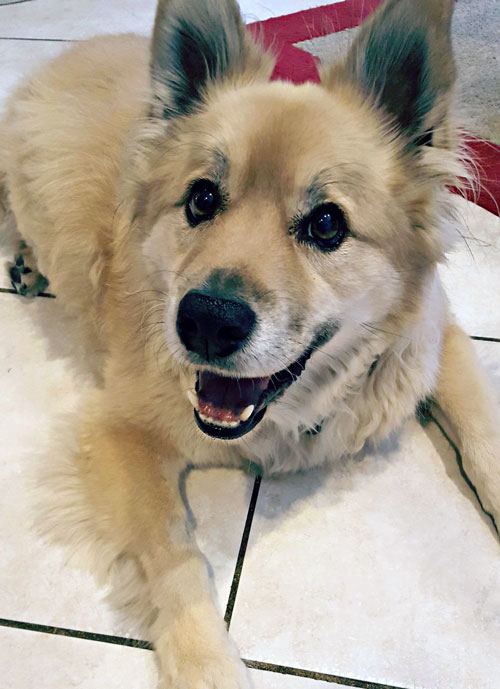
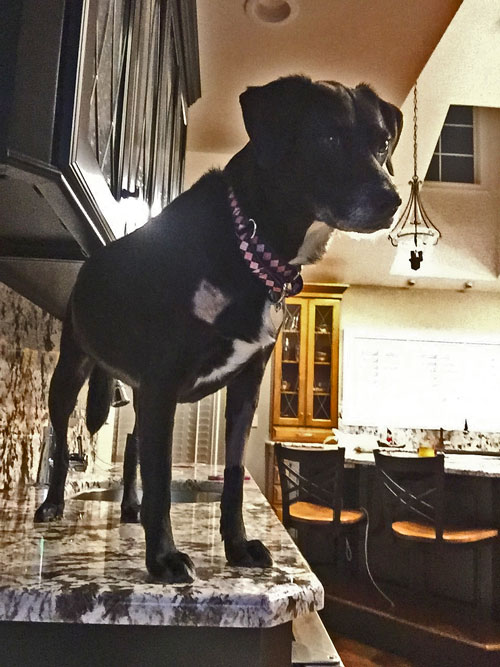
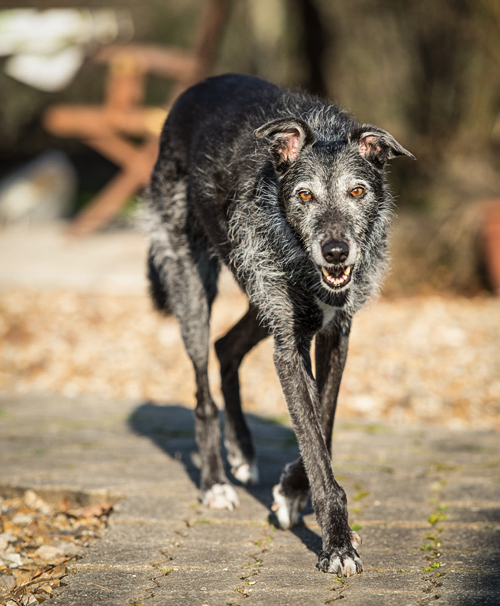
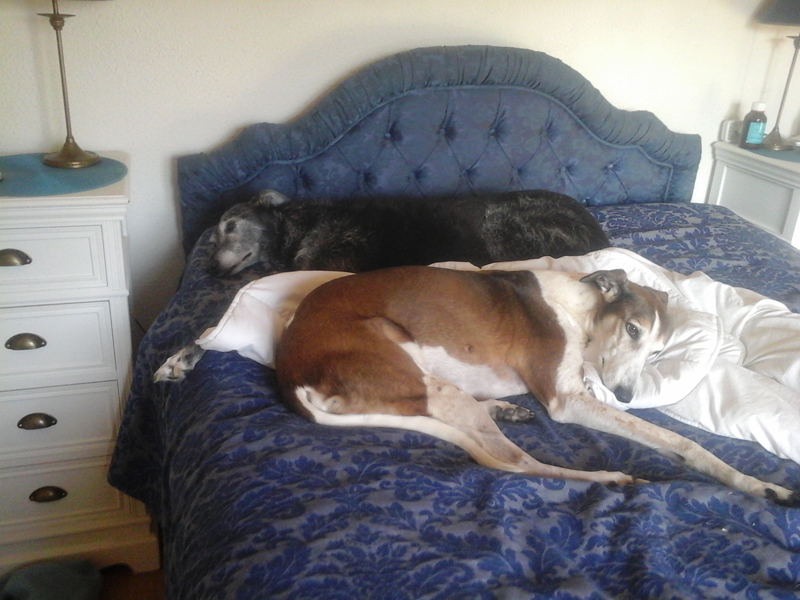
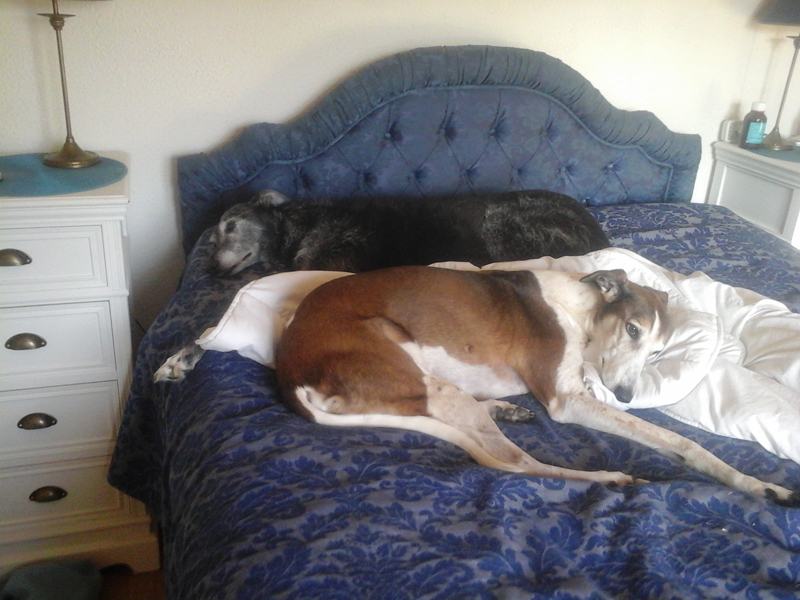
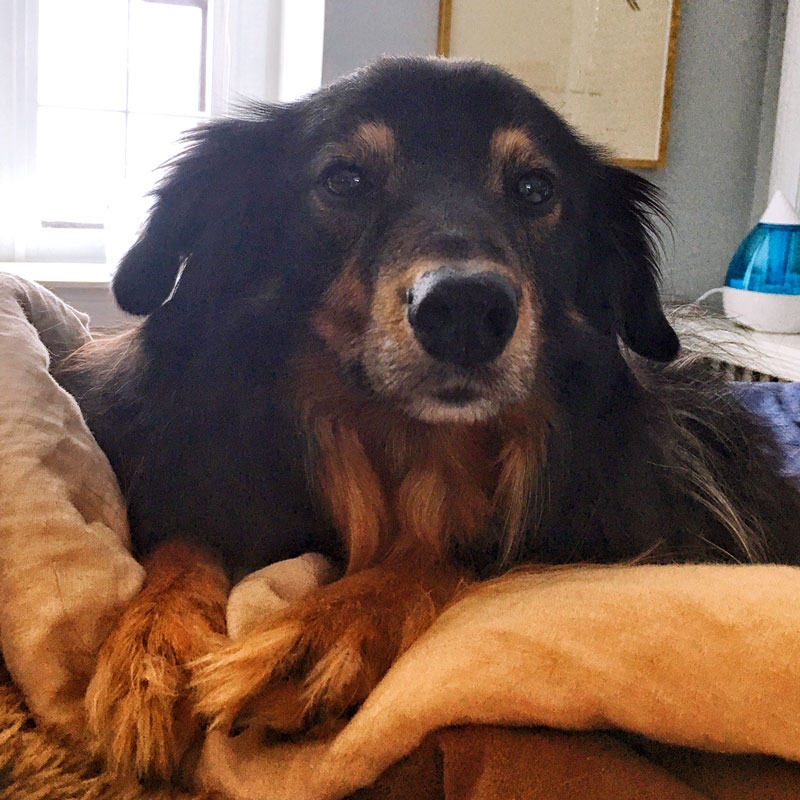
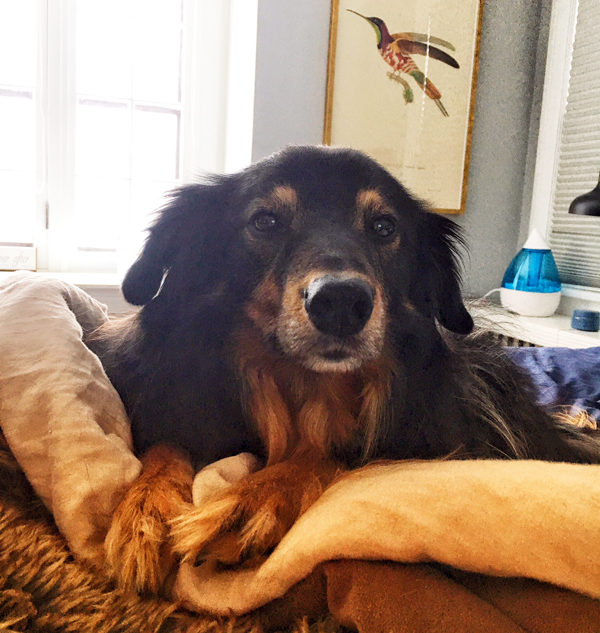
But his coat returned and here is his picture, a year after he recovered, with a dark black shiny coat. These ARE pictures of the same dog! (And the same human)
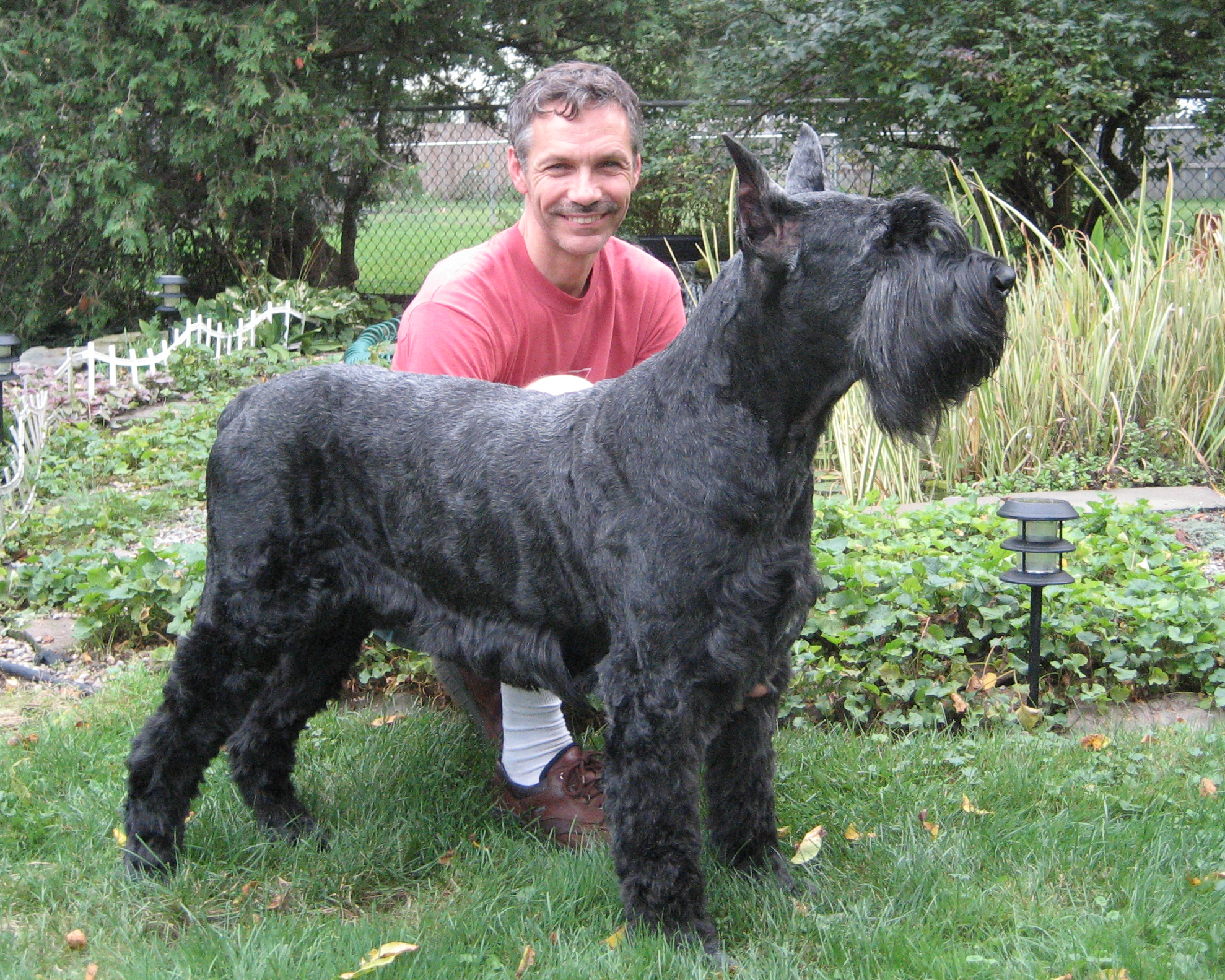
I want to reassure you that these growths are probably just that, benign, and you must protect them from becoming infected. Your vet will know what to look for.
We owners go into these terrible diseases with one dog and we come out the other end in recovery with a slightly different dog. These dogs, however, still have their wonderful sense of how joyous life is and they could care less how they look.
I know how discouraged you are right now but please stay cheerful for his sake. He will mirror your emotions, if you are sad he will think he has done something wrong.
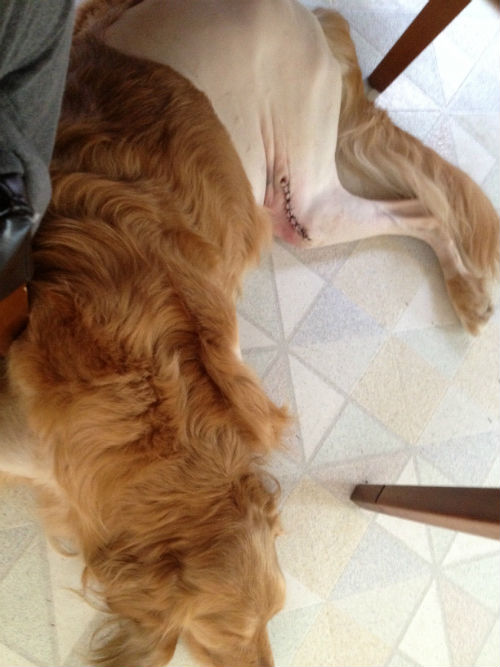
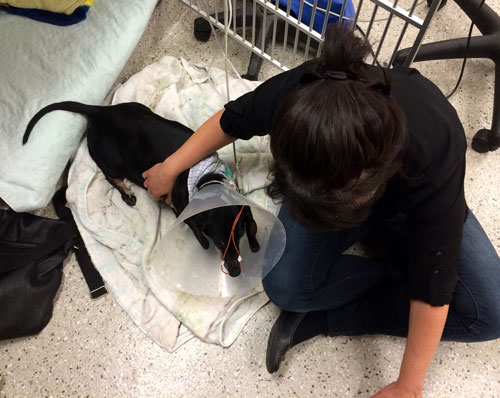
By the way I use a blow up pillow collar in addition to a shorter and smaller cone so my dogs can still have peripheral vision. It works quite well. Willie had knee surgery in March and this is how we protected his wound from the first day.
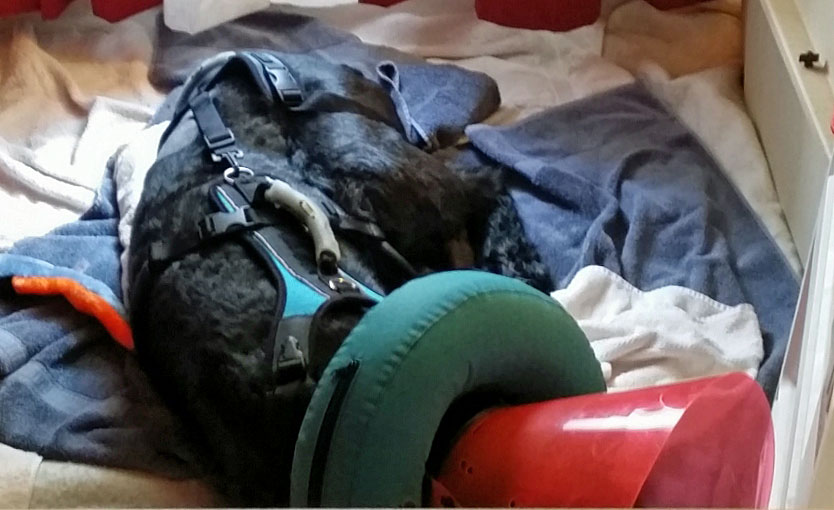
my best
patrice
Hi Wendy,
Good to hear about 34!
Sores are most likely staph infection. Read this and reply if sounds correct.
https://www.secondchanceaihadogs.com/AIHA_Terms/staph-infection/
My best Patrice
Hi Cindy,
Please check out some of Our Stories on this website, you can read how different each of our dogs responded to treatment.
There are introductory videos that are easy to watch. We also have an extensive glossary of AIHA Terms. We also are beginning to add many Resources with articles and links to information.
You will find a wealth of information to read. Ask questions about anything you don’t understand.
My best
Patrice
Hi Cindy,
Please check out some of Our Stories on this website, you can read how different each of our dogs responded to treatment.
There are introductory videos that are easy to watch. We also have an extensive glossary of AIHA Terms. We also are beginning to add many Resources with articles and links to information.
You will find a wealth of information to read. Ask questions about anything you don’t understand.
My best
Patrice