Forum Replies Created
Arianne,
I am so happy Carsten is doing better! Isn’t it incredible how through this disease we get totally in tune with our dogs, we become experts in dog observation. I also find it incredible how every dog reacts different, to be sick with AIHA, to react to the medications, the food. This is one reason why this forum is so great. We can all learn and exchange ideas.
The chicken bones, since they were cooked, are definitely not a good thing. We all would never intentionally feed our dogs cooked bones (some raw bones are ok) But I would honestly not worry too much and just keep a close eye on Carston. In the days before manufactured dog food, I am pretty sure dogs always got some cooked bones and were just fine. We have all heard the horror stories what could happen and like I said would never intentionally do it, but hey it happened at least Carsten has an appetite.
Best wishes,
Brigitte
Hi Arianne & Carsten
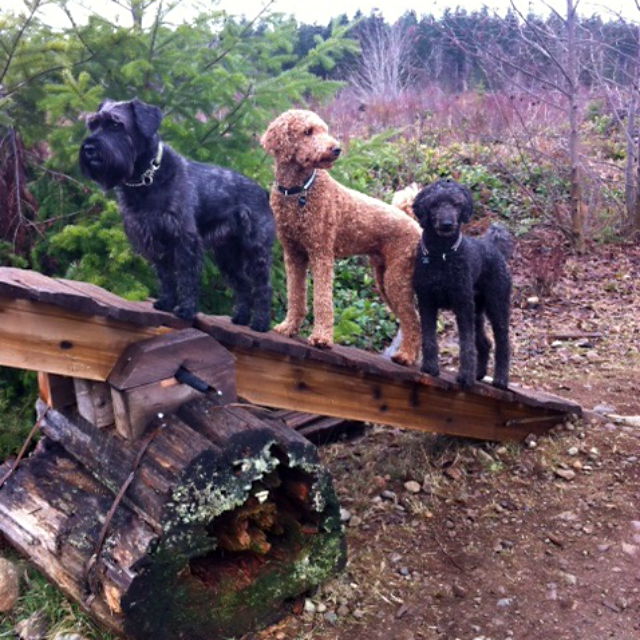
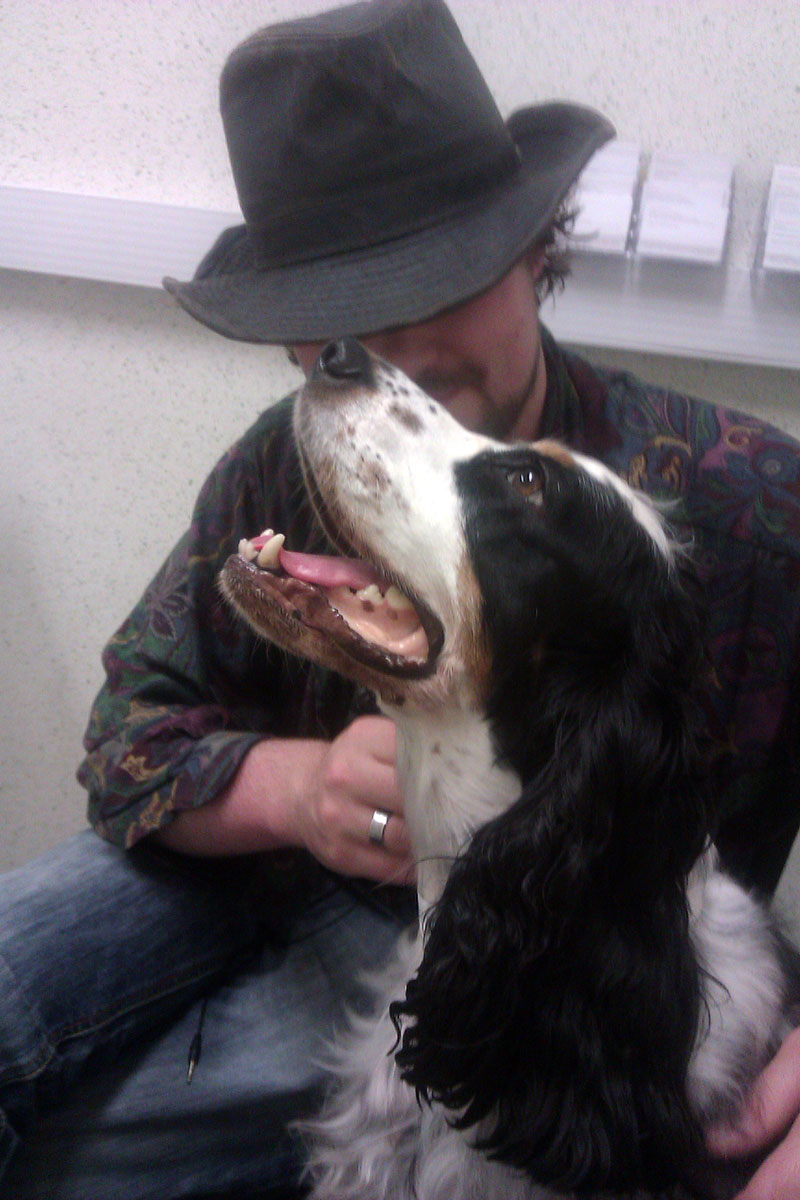
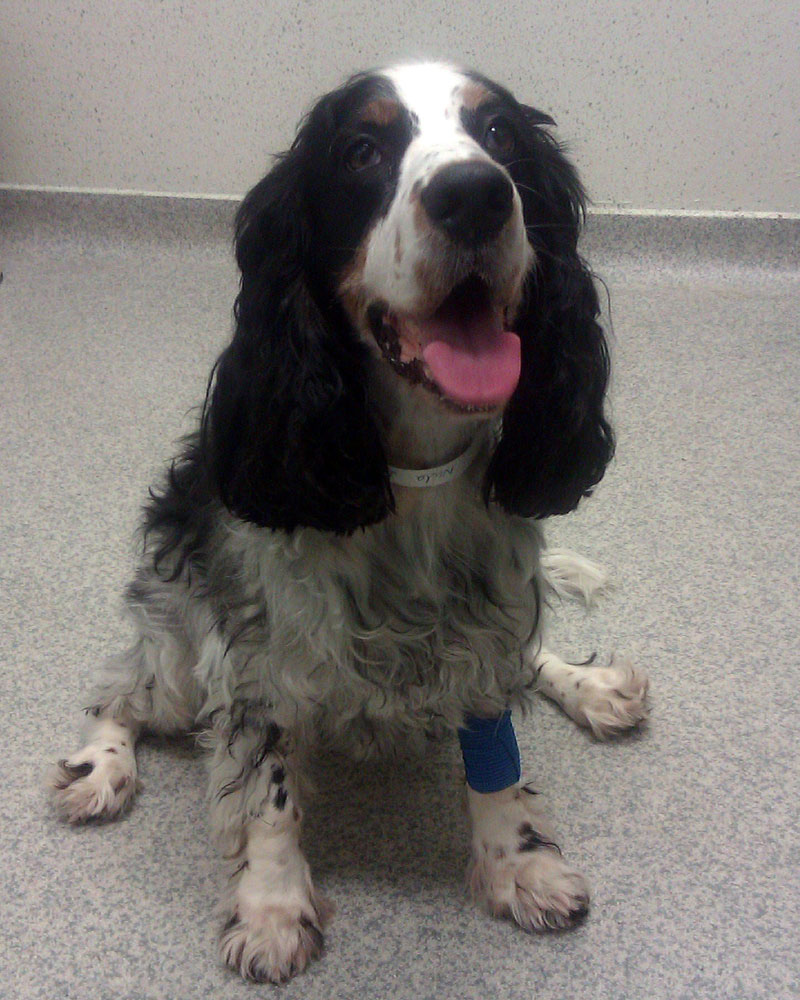
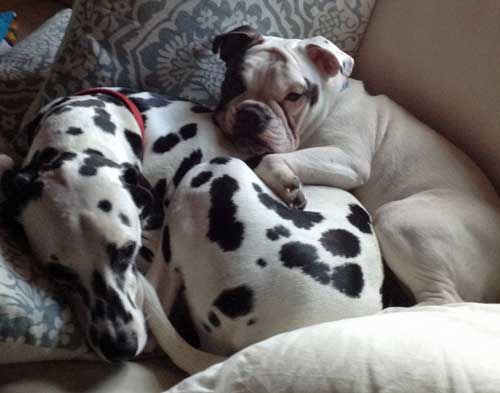
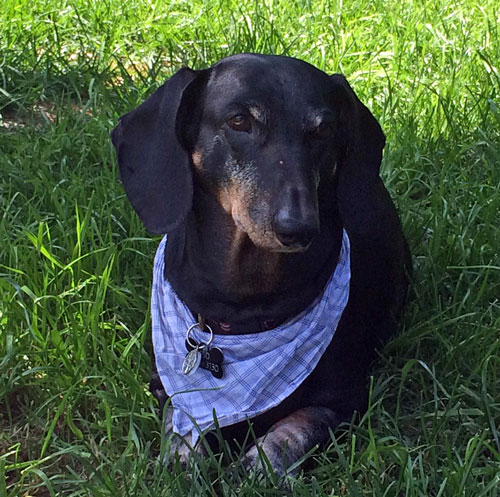
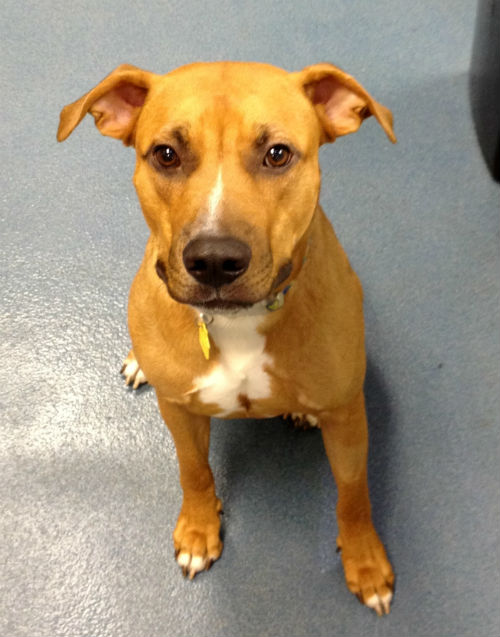
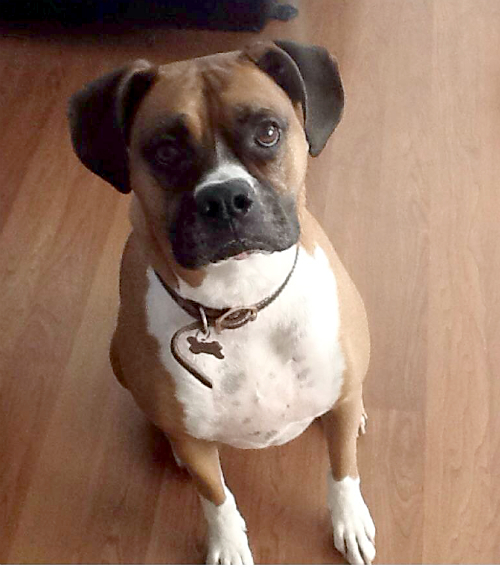
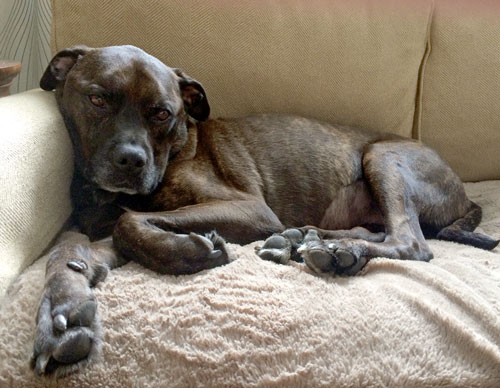
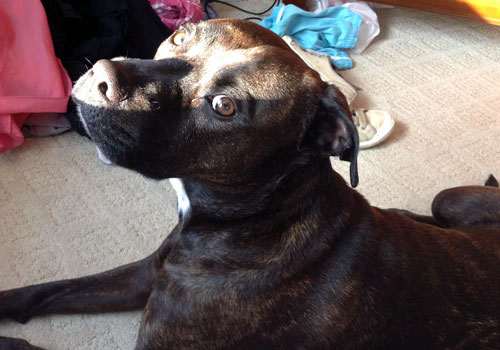
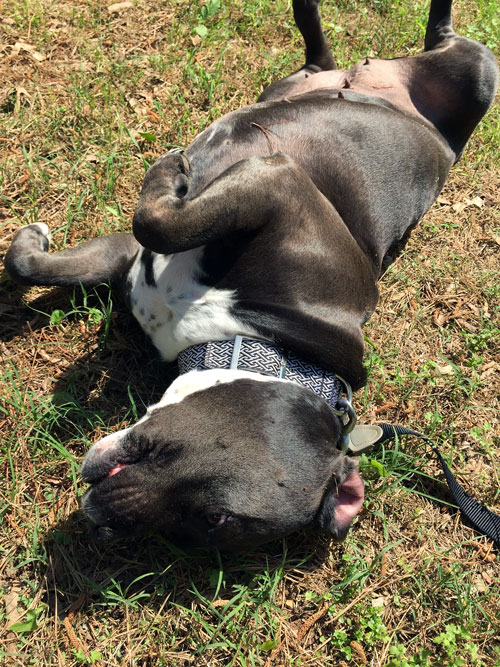
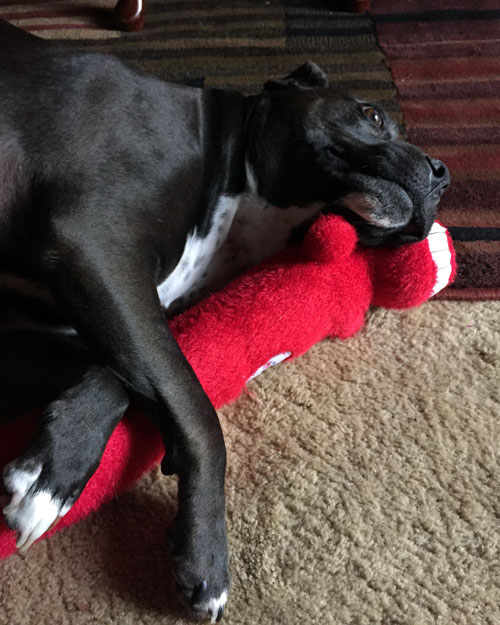
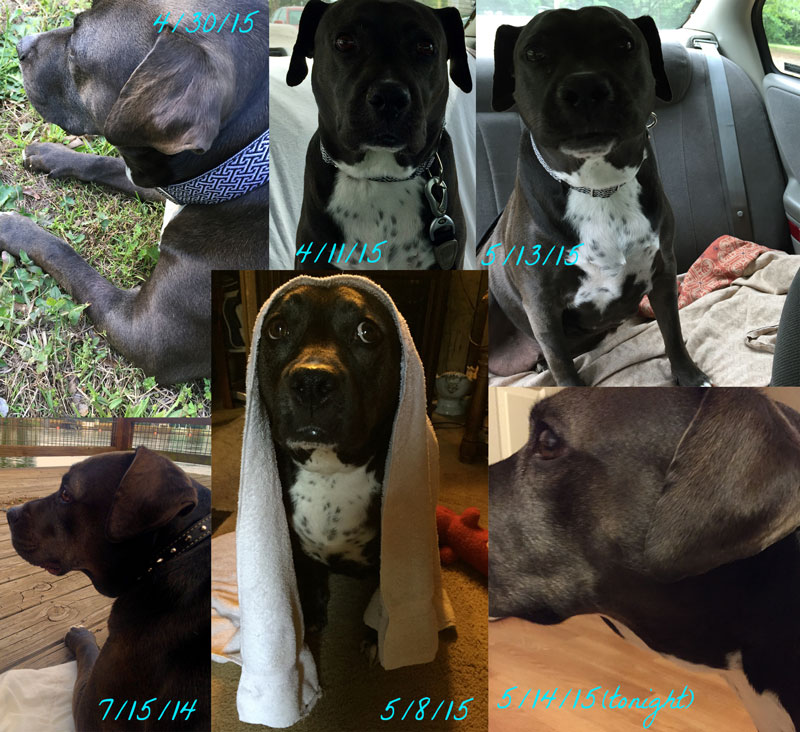
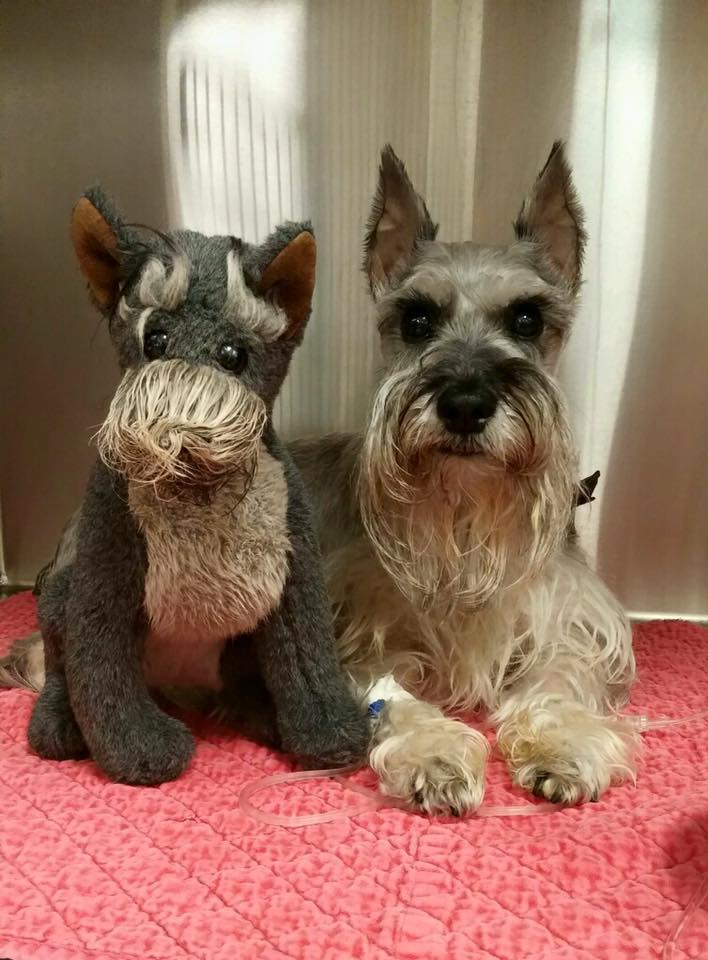
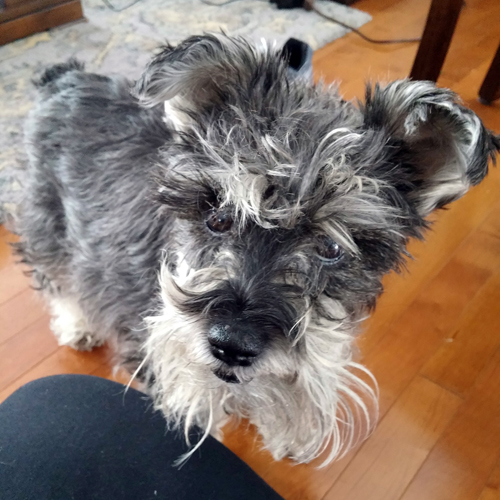
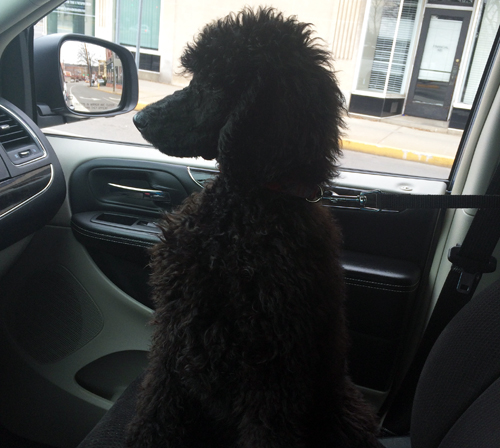
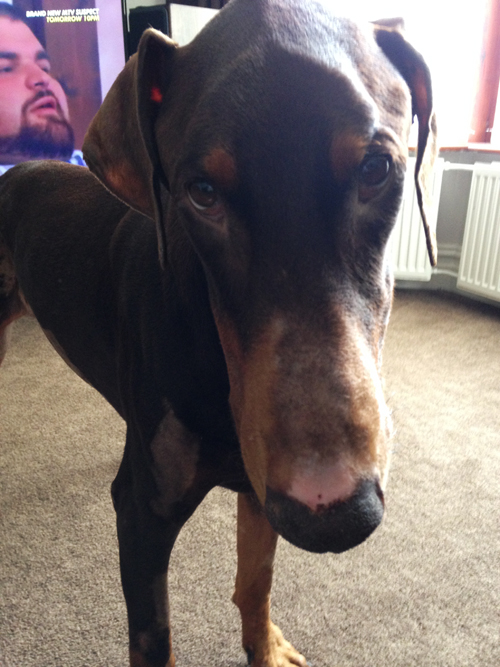
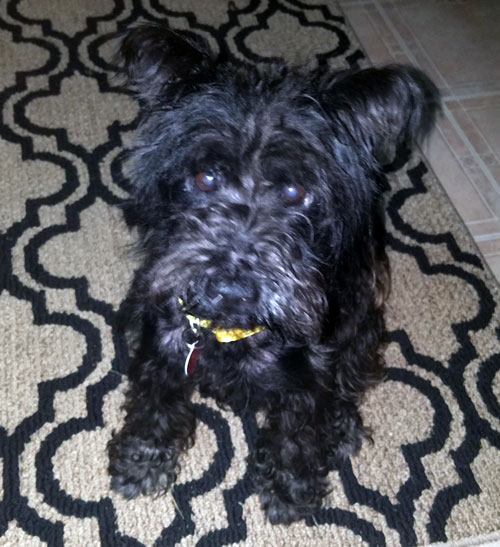
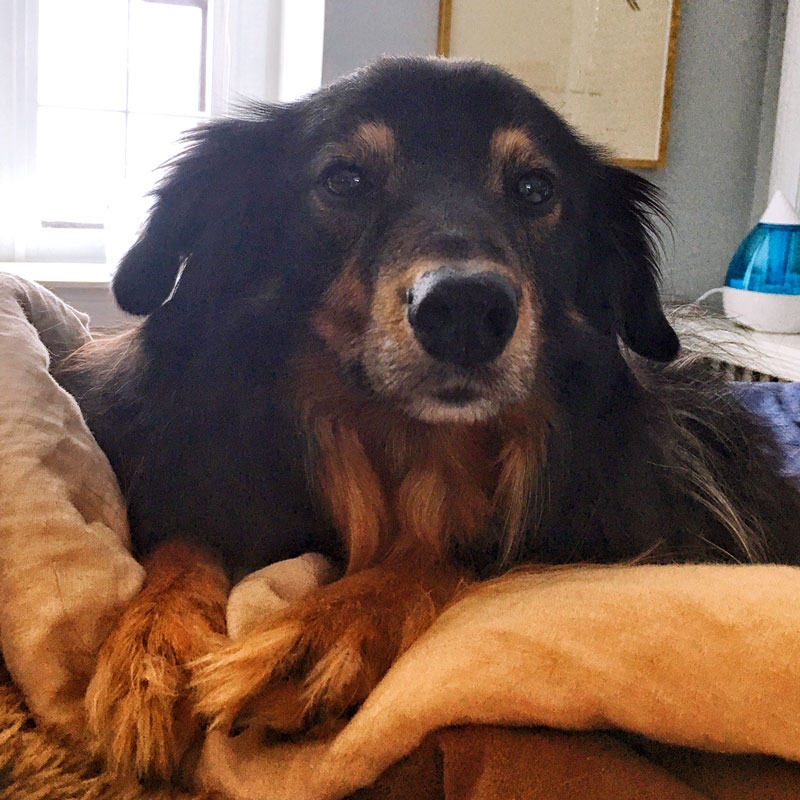
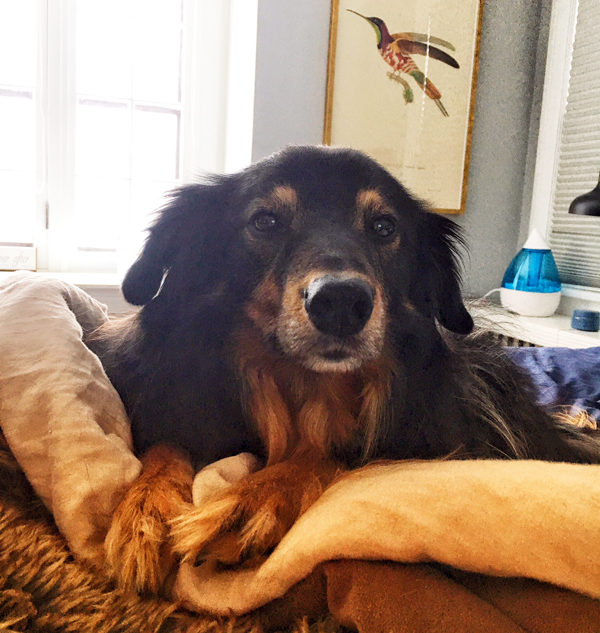
Oh, he’s one beautiful boy – what a great photo with his look-alike!
This is indeed good news – I’m so happy to hear his PCV is holding so well. I agree with Brigitte about starting the milk thistle product immediately – those enzymes will start going up & prevention is always best in my book!
Antibiotics for tummy problems – we worry about antibiotics on here because some are not safe for AIHA dogs – some antibiotics can trigger AIHA/IMHA. The safest one, which many of us use, is Tylan – here is Worzel’s Tylan story:
https://www.secondchanceaihadogs.com/forums/topic/worzels-diarrhoea-tylan-success/
I contacted Dr Jean Dodds because of my concerns & she also recommended using Tylan. I do think it’s worth discussing with your vet. Did you manage to get any blood test copies, etc?
I bet his appetite will soon be improved – it’s great to have a back-up cat to get him to eat – so funny, aren’t they? Things are sounding really positive, Arianne – if they are enjoying a bit of playtime too, that’s such a good sign. It’s horrible seeing them lethargic & so much better when they start to perk up.
Big hugs, Sheena, Worzel & Ollie xxx
Hi Susie
How’s Emily doing? I was hoping she might have calmed down a bit? You know, Phil & I were saying how much this disease changes them – Worzel does not leave my side for a second – he is very, very clingy. He was always cuddly before, but now he has to be lying beside me, touching me all the time, sweet boy. I think we spend so much time nursing them 24 hours a day for weeks or months on end so they think this is the new normal!!! They are very special, for sure.
Love Sheena xxxxx
Sorry folks – those links made the message go up the creek, so I’ve moved them here instead – you can still right click on them & open in a new tab:
Repeat
Before I go, here are 3 articles you can print (don’t worry about reading them too deeply yourself unless you really want to!) & take to your vet – they verify what we are saying about clotting risks, treatment & diagnosis methods:
http://www.ncbi.nlm.nih.gov/pubmed/15934255?dopt=Abstract
http://www.ncbi.nlm.nih.gov/pubmed/21155892
Sheena
Hello Arianne & Carson
A big welcome – we are so glad you’ve found us too. Again, I’m so sorry you are dealing with this horrible disease – none of us knew anything about it when our pets were diagnosed, so it’s no wonder you are completely overwhelmed. Our lovely ladies have all given you some superb advice already – feel free to ask anything you like – we discuss all sorts of delightful things such as poo, pee & sick on here. The more information you give us the better, actually, so write as much as you want to.
Just to reiterate some very important points that we try to explain to everyone in the early stages:
1. Abnormal clotting is the biggest risk & it’s something I nag everyone rotten about – it is vital that your vet does a blood smear & has a look to see if Carson has that risk. Do not be afraid, please, as it just means an anti-clotting medication will be needed – this is very common – most dogs (but not all) need to take something to prevent clot formation. You can read more here:
https://www.secondchanceaihadogs.com/AIHA_Terms/abnormal-clotting/
There is also something called a Coombs Test which can be done.
If you are unclear on anything in this article, just ask us to explain more fully.
2. The high temperature you mentioned – is Carson on antibiotics? Has he had a tick disease test such as Snap4DX? Does your vet suspect an infection? The cause of my Worzel’s bone marrow failure was a slow onset tick disease, coupled with a vaccination.
3. Another long acting immuno-suppressant should be added to Carson’s treatment – the other ladies have rightly mentioned cyclosporine (Atopica) – this is the usual drug of choice. Some vets use azathioprine, but there are more risks from side effects with that – also, smaller dogs don’t seem to tolerate it as well as the larger ones do from experiences on here. Basically, the prednisone is used as a first line immuno-suppressant to stop the initial crisis, whilst waiting for the longer acting drug to kick in & suppress the immune system which has gone a bit haywire. I would urge you get your vet to add cyclosporine as soon as possible.
4. As Vally rightly pointed out, transfusions should be avoided unless Carson’s PCV drops down to 15 “ish” (or below) – this is to make sure the body knows it needs to make new red blood cells. The body is very clever – it knows it needs to make more red cells as it is not getting enough oxygen around & will try hard to produce them, so then if you transfuse to over 25, it will think “Oh, I’m OK again now – I don’t need to make more cells”. Again, you can read about this here:
https://www.secondchanceaihadogs.com/AIHA_Terms/transfusion/
5. I completely agree with Brigitte & everyone about the sucralfate – we have all found it to be excellent – it has the ability to heal ulceration & sooth those poor sore tummies.This is also important as you don’t want any added problems with Carson’s GI tract.
If you would like to send us any test results & notes from your vet, it would really help us to help you – anything you can get copies of, please. It is so important to eliminate the cause of the disease if it is an infection or something of that nature, otherwise you are letting those bugs run rife. It may well be this is allergy related or the cause is never found – the right treatment will get Carson through this horrible time. Many of us consult a wonderful lady called Dr Dodds on here – you can find her treatment protocol here – your vet will find this useful too:
http://drjeandoddspethealthresource.tumblr.com/post/119965239356/imha-treatment-dogs#.VZPXv_mqpBc
I see you are already noticing the side effects of the prednisone – it is a life saver, but as everyone has said, makes them hot, pant a lot & pee a lot too! This is “normal” – it’s awful when the weather is so hot for them. Worzel preferred to lie on the cold tiles & was pretty uncomfortable. I really feel for you going through this, Arianne.
On the eating front, I was desperate too – at one time, Worzel was eating nothing at all – awful – so we resorted to some really unhealthy Toulouse sausages – very stinky & smelly, but at least he ate a bit! Then, all of a sudden with the prednisone, he was really hungry again. It is worrying when they won’t eat, especially with all the drugs they need to take too. If you would like help with a drug chart, our wonderful Vally does a fantastic job for anyone who would like one.
I think I’ve said enough for now – hope I haven’t overloaded you with information! Please know we are all here to support & help you in any way we can. We’ve all been in the same boat on that rough sea.
Sending huge hugs to you & Carson across from France
Sheena, Worzel & Ollie xxxxx
Hi Arianne, and welcome.
I am so sorry to hear you are going through this with lovely Carsten. All of us have faced this horrible disease and understand just what a difficult time it is. My cat Molly had a rare form of AIHA in her bone marrow. Like Carsten, she’d also had previous problems with vaccinations, although I’m not sure what triggered it. Has your vet been able to pinpoint a possible trigger for Carsten?
First off, it is definitely to be expected that he is quiet and tired. This is very normal when they have a low PCV and the side effects of prednisolone are kicking in (peeing, drinking, feeling hot). Of course, make sure he has easy access to fresh water at all times. Most animals also get a huge appetite with prednisolone, so that may be to come. Like Carsten, Molly lost her appetite too and also had Mirtazapine. I think it affects them all differently, but it made her really quite woozy. The dog owners will be better able to advise you than me on what to feed, but lean protein, low fat (e.g. Chicken breast) is usually recommended. It’s tough when they won’t eat, but I hope this will improve soon. As much as you can, keep calm and positive around him, letting him know everything is fine and normal.
As Brigitte already said, it sounds as though you have a vet who knows what s/he is doing, which is wonderful as this is quite rare and many vets haven’t seen it before. Clotting is a big risk for most dogs with AIHA, so I think this is why your vet has started plavix. Sucralfate, as Brigitte said, can help protect the stomach, and liver protection e.g. Denamarin is recommended in many cases, so would be worth asking your vet about. The only thing which jumps out at me is that prednisolone – whilst lifesaving – is often not enough to suppress the immune system, and many animals need another, longer acting immunosuppressant to go alongside the pred. The most commonly used is Cyclosporine (Atopica), although others are also used. I would also suggest discussing this with your vet.
Finally, look after yourself too. This is a rollercoaster to be sure, but there are many success stories and every reason to have hope. We are dotted about across the globe (I’m in UK) so one of us is usually about, and we will do all we can to support you and Carsten through this.
Best wishes, and good luck tomorrow.
Mary & Mable x