- Second Chance AIHA ›
- Forums ›
- AIHA Dog ›
- Just been diagnosed with AIHA
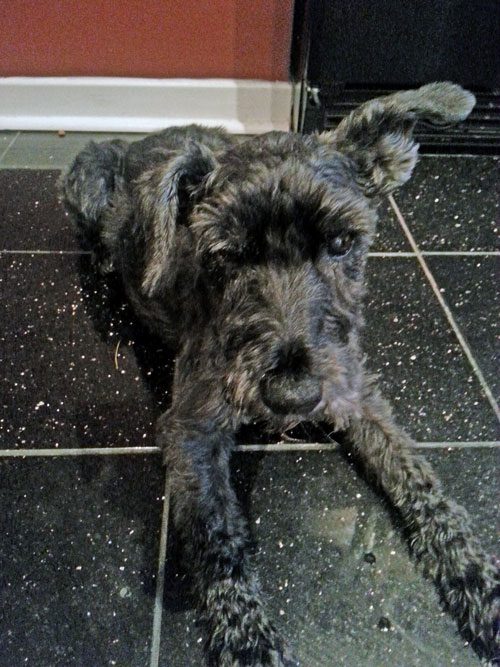
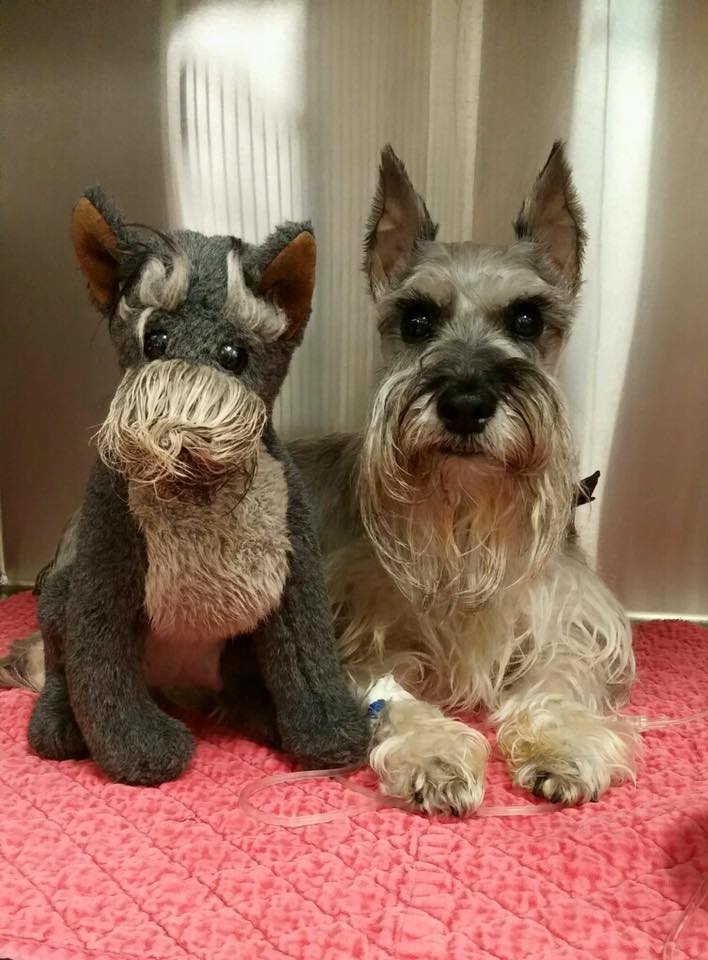
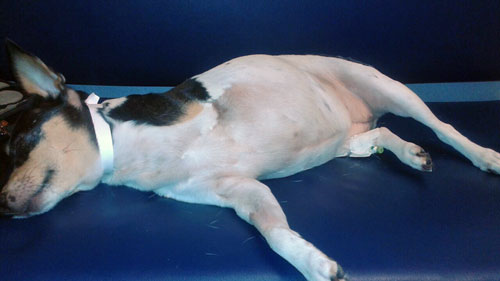
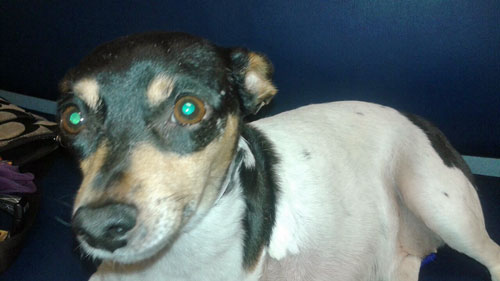
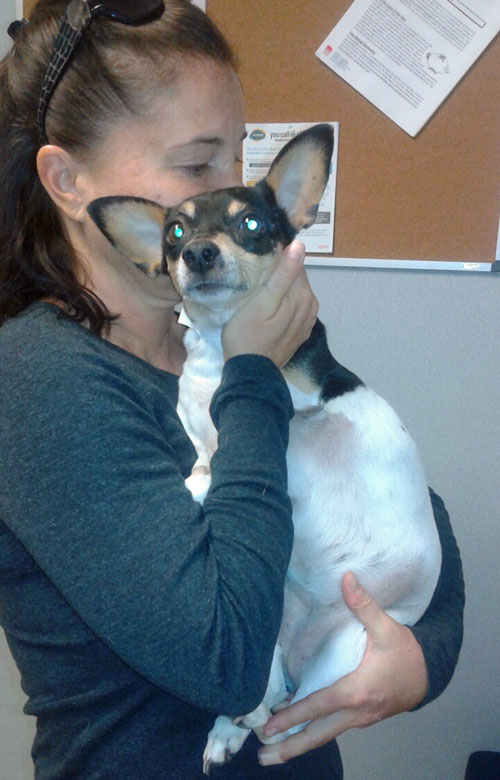
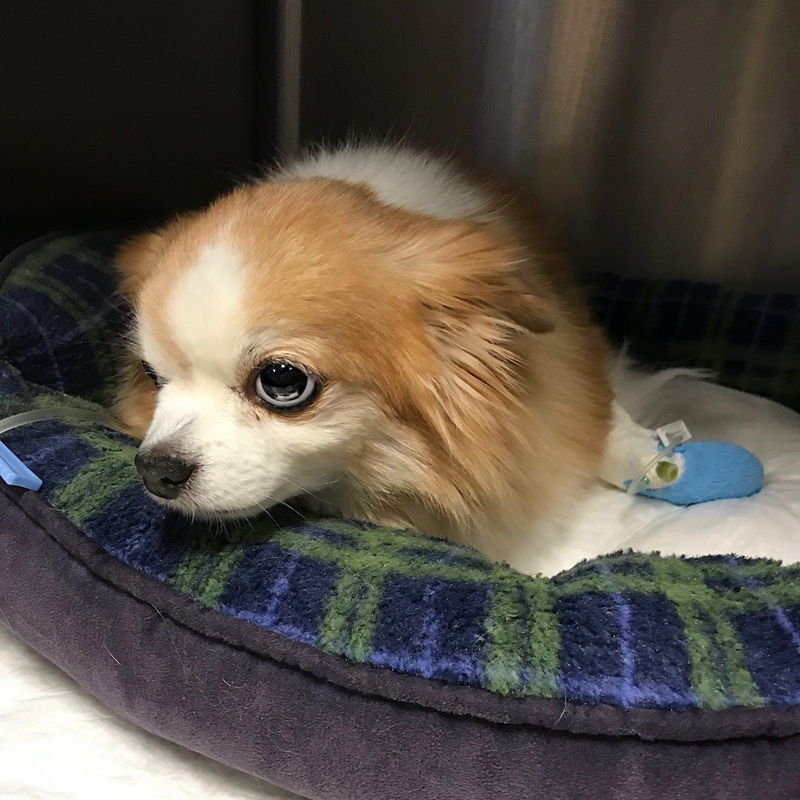
Hi. My dog Bailie (7yo female min pin) has just been diagnosed with AIHA and is currently at the emergency vet and has just has a blood transfusion as her red blood count was down to 10. I am not sure if this is primary or secondary at this point and not sure what to do.
Hello Matt,
I am so sorry to hear your little girl Bailie is so sick. But I am glad you found us, because we all have been through this in one way or the other and are here to help and give you support. Your question is, what to do… Take her home or leave her at the vet. I don’t think anybody will have a straight answer. It just all depends. How will Bailie be after the transfusion? What does your vet think would be best? I always find it good to take a dog home, because that is where they belong, that is where they feel safe and relaxed. However there are situations where you would want them to be under 24 hr care and expert supervision. So like I said, it just all depends.
One thing I can tell you is that many dogs have recovered from this disease to lead a long, happy and healthy life. I am sure you will have many more questions once Bailie comes home. I can guarantee you that there will always be someone here to answer any question you have! Please keep us posted on how things progress.
Best wishes,
Brigitte
Thanks Brigitte, we are just waiting to hear from the vet and hopefully will be able to go and visit her in the next few hours. Will update her progress.
Update; blood count after transfusion 18 blood count done recently approx 12-14 hours after transfusion 20. Hopefully will stay at this level until meds kick in. We have decided to go and bring her home. Will be collecting her in around 3hrs. Have just cooked chicken and rice is there anything else I can do for her? Plan on going to our local vet every 2 days to monitor her red blood count.
Hi Matt,
I am really sorry to read about your mini pin Bailie. A PCV of 10% is quite low and it was appropriate for your vet to do a transfusion. This may get her up to around 20-25% PCV immediately. However, it is our experience that many dogs’ PCV % tends to slip a bit in the hours and days after a transfusion.
If your vet is a 24 hour emergency clinic, I would advise you let her stay there so they can monitor her for this decrease and also make sure she does not have a transfusion reaction. This would need immediate care. In addition, there is an increased risk of inappropriate clotting during this period of hemolysis. They can monitor her for this and make sure the risk is minimized by the use of low dose aspirin or othe drugs like heparin. Each clinic will have their own preferred protocol for this.
If you are at a vet clinic that will close and the staff will leave, then you really need to bring her home, do not leave her alone overnight. This can be very stressful on her and may worsen her condition. If this is your choice, then make sure they give you an emergency number and complete instructions. In addition our moderators are available around the clock and can answer questions via the urgent advice emails we get.
I’ve set up the website with a lot of information about these blood diseases. There are two short introductory videos in the AIHA Video Library. AIHA Terms has many medical terms explained as a glossary so that you can better understand what your vet is saying to you. These glossary items will also be underlined in the forum and hovering over a word will pop up a shorter explanation. Under Second Chance Resources you can read about some of the medications that Bailie may be getting. Hemopet Resources link to Hempet.org, a site run by Dr. Jean Dodds, and has extensive information about canine blood diseases, transfusions and hypothyroidism (a condition sometimes associated with anemia.) Dr. Dodds also provides owners with a consultation for difficult cases and that form is available as well. Most of us consulted with her when our dogs were ill and we found that the small fee was well worth the advice and help we got.
When you have time tell us more about Bailie and some of the things going on in her life right now, illnesses, medications, diet, exposure to ticks, recent vaccinations, bites or stings, anything that struck you as different or unusual in the past month is worthy of mentioning. This is how we will help you differentiate the primary from the secondary. I, personally, am of the opinion that most cases of AIHA are actually a result of some insult to a dog’s immune system and thus secondary. Finding those insults can be very difficult.
Be sure you get copies of all lab work and any extra testing that they may do. This paperwork belongs to you, you paid for it. Upload if via the same urgent care page you wrote us. I can look this over for you and explain the out of normal values to you.
Always be polite and thankful to the vet staff, but remember you are her advocate because she cannot speak for herself. You drive the bus. Ask questions, but not so many that they begin to get annoyed. They do know how upset you are and they will appreciate an owner who is calm, interested in learning and is willing to be a partner in her care. She needs you now, so please be strong for her.
We will pick up the heavy lifting in helping you understand what is happening right now. It would be impossible for you to learn everything you need to know in the next few days when you may have to make some difficult decisions. We want to help you make decisions that are based on information and not on emotions.
my best
patrice
That sounds pretty good Matt! Going up is always good, no matter how little. Usually the count will go down a bit after a transfusion so this sounds great, seems like she is making red blood cells!
I would not be surprised if Bailie is not very hungry when you bring her home. Once the prednisone is kicking in that will change drastically and she will become ravenous. Try to keep her calm, she has a lot of healing to do. Bouncing around is not a good idea right now. Two things that I want to stress especially is anti clotting medication, aspirin or heparin. This is usually given, but again it depends if Bailie shows any signs of clotting or not. The other thing is stomach protection. With this there is no “it depends” it is an absolute must. The digestive tract is taking a beating and needs to be protected from the harsh drugs. We recommend sucralfate or carafate. Maybe she is already given it? What medications is she on? Please write everything down and post it or send it to us via the Urgent advice. Also if you could post Bailie’s latest lab results, that could really help. Some people here (not me) are very good at making connections and seeing things.
I know that Vally will post here soon, she is in Australia and maybe you could ask her to make you a medication chart. She is really good at that. I remember my vet giving me a calendar to record it all. I thought, do they think I am an idiot? I can keep a couple of meds straight. But believe me it gets very confusing and complicated. Some meds with food, some without, some are ok together some are not. If Vally can do the chart for you it could make it much easier. Also please ask for all lab results at the vet. You will then learn to see trends and be able to look things up later.
It sure looks like Bailie is on the right track! Keep at it little girl!
Brigitte
Hey Matt,
I’m sorry you’ve had to come looking for help but I’m glad you’ve found us.
I totally agree with what Brigitte and Patrice have said.
Can you tell us exactly what medications and doses Bailie is on and also her weight.
I’m glad to hear she’s going home as she’ll be more comfortable there and happier. It’s going to be scary and you’ll probably be watching her like a hawk.
I’d love to make up a chart for you. If you can list the drugs and the times you’re doing. Some drugs, like prednisone should always be given with food. Others should be given away from food like Sucralfate, the stomach protector that Brigitte mentioned, but we can help you with these.
I’d also suggest you send through copy of blood test results. Patrice and Sheena can help interpret these and help you understand what’s happening.
Bailie’s bloods going up is great news.
My best
Vally and Bingo (diag Nov 2011, in remission)
Hi Matt, Hi Bailie
I’m sure you are worried to the point of exhaustion – I’m so sorry to hear this has happened to you – Brigitte is right – most dogs recover really well with the right treatment protocol – I hope that makes you feel a little better about what is happening to Bailie. Sometimes, we never find out what caused it, but sometimes the trigger can be found. In my dog’s case, it was an infection called ehrlichiosis coupled with a vaccination. Many infections can cause AIHA/IMHA, plus lots of other things too.
Couldn’t agree more with what everyone has said about the clotting risks (the biggest risk with this disease by far), tummy protection & getting a thyroid check done too. I won’t repeat it all!
Vally’s drug charts are brilliant – it is so hard to work out the drugs because it is absolutely vital they are given correctly. As Vally said. it would be useful if you can give us as much info as possible about Bailie – weight, exactly what drugs & dosage she is on & anything else you think might be relevant – never worry about posting a long message – the more information, the better. I am hoping she is on high dose prednisone & an additional immunosuppressant such as cyclosporine, as this is the “usual” treatment?
Please don’t be disappointed if her PCV drops a little – it happens quite often after transfusions & sometimes they need more than one. If so, it is really important to cross match the blood properly. Fingers crossed, she may not need a further one. It is sounding really good on that front at the moment – I’m so happy to read that.
Don’t hesistate to ask us for advice & support – we’ve all been in this horrible situation & completely understand the stress & worry.
One last thing – they are at risk of tummy upsets & pancreatitis because of the drugs, so a low fat diet is a good thing to follow. Your chicken & rice idea is good. Brigitte suggested “soupy” meals which is a fantastic idea as they need to keep hydrated – she’ll be drinking lots of water & peeing much more often as well – we had a few little pee-pee accidents, but it’s a minor thing they can’t help. Red meat should be avoided in the early stages too. Nice & bland for now. She’ll be starving hungry soon!
Sending all our best wishes,
Sheena, Worzel (diagnosed with bone marrow failure Dec 2012) & Ollie xxxx