Forum Replies Created
Trish,
This is great news about Max! This value, 40%, is perfectly normal.
Let me see if I can explain this in a way that you will understand. You are concerned that he didn’t rise much from last week, only going from 39 to 40%.
Imagine you have a glass and you want to fill it with water. You go to the tap, turn it on full and fill the glass. You set it down and forget that it is there for a few days. You see it and realize a little water has evaporated. You want to top the glass up a little so you go back to the tap, run the water slow and carefully refill the glass. Just a little bit of water does the trick.
This is what it is like for our bodies when we are not anemic and perfectly healthy. We only replace a small number of old red blood cells each day. RBCs live about 120 days, wear out, are destroyed and the parts are recycled or eliminated. This destruction of old RBCs and production of new RBCs happens every day of our lives.
So a healthy dog or human usually has about, at the lowest normal value, 5.5 million RBC! We may replace about 1-2,000 a day. Small change, right? So, on a CBC, you will see this as a reticulocyte value (the measure of immature RBCs in circulation) and the number will hover right around, plus or minus, 60,000 absolute or about 1% of 5.5 million.
Let’s see what happens a dog has AIHA IMHA, (hemolytic anemia), and they are destroying red blood cells rapidly.
Let’s go back to the glass. You walk over to the tap and fill the glass to the top. There, you think, done. But there is a hole in the bottom of the glass. As soon as you fill it, the level goes down. You go back to the tap and try to top off the glass again. Hmm, what’s happening here? Soon you have the tap wide open but still cannot keep the glass full. Unless this hole is plugged you will never keep the glass full.
When this happens in hemolytic anemia we call this reticulocytosis. This is a huge response by the bone marrow to replace all the destroyed mature RBCs with immature RBCs in hopes of increasing the amount of oxygen available to the body cells. And that is what drives this excess production, a state of anemia. The kidneys receive a message from the body cells, “Hey! Get some more oxygen out here to us right away!” The kidneys send a special hormone, erythropoietin, to stimulate the bone marrow to make new RBC. It won’t stop doing this until the body cells stop complaining. This reticulocyte value can be extraordinarily high, as much as 550,000 absolute and 3-5%!
Contrarily, if a dog has severe anemia, for instance a HCT / PCV of 18%, and there is a very tiny number of reticulocytes (less than <60,000 ) then you have a state of non-regenerative anemia. The bone marrow may be getting a message from the kidneys to make reticuloyctes, but nothing is happening. This is a very serious condition and requires a complex treatment.
The value of reticulocytes is considered the “gold standard” for evaluating anemia. Clinicians should be monitoring this value carefully to see how the body is responding to treatment and what it is doing to attempt to heal itself.
You’ve done a great job with Max! Right now Max does not have anemia, his HCT is within a normal range of around 38-55%. If you were to look at the CBC you would see exactly what I have mentioned, a reticulocyte value of about 60,000 absolute, about 1% (+ or -). If you want me to look over the latest CBC, upload it on the Urgent Advice page.
If he stays stable you will not see this rapid increase from week to week. It will level out to Max’s normal value, where his body is comfortable. His body has decided it is all better.
my best
patrice
Wendy,
While I don’t know all they’ve said to you, I have my suspicions of what they are stumbling around to say. They know, by looking at the test results, that Frank is not making red blood cells. We call that non-regenerative. They don’t understand why this is happening and have no idea what they should do to treat it.
Funny I heard the same thing from a specialist treating Chance in 2007. Does it surprise you that many of the other moderators and regulars here have experienced the same thing? I am here to reassure you that we do know how to treat this. Chance survived this condition, with a lot of work on my part. And many dogs since then have also overcome the same condition.
I developed this website is in memory of Chance to help owners with dogs that have these blood diseases. I liked the idea of calling it Second Chance, to honor Chance’s strong will to live, because that is exactly what we encourage. Please don’t lose heart. You won’t understand everything right away, but try to feel optimistic that this has been treated successfully many many times.
This is good time to be working closely with Dr. Dodds who began developing a protocol for this non-regenerative condition a very long time ago. We can help you put this protocol into action.
You are doing a great job and we think the world of how much you care about Frank.
my best
patrice
Wendy,
I am so sorry to read this. I do agree this is not the best situation.
What I have found, not only myself, but with many other owners, is that sometimes your own vet has enough experience and knowledge to be able to manage a quite complex treatment protocol. The benefit is that they tend to charge much less, offer more personal attention and your dog is more familiar with the staff.
And in fact, that is exactly how I treated Chance. You can read his story on
Our Stories
I have a number of stories from owners over the years who went the route of using university veterinary clinics and had negative outcomes. While many of these clinics can be very good, it is important to remember that these facilities are learning institutions. They must study and write papers.
Have a quiet conversation with your personal vet and discuss this privately in his office, perhaps make a special appt. just for this. I always say that these folks got into veterinary medicine because they love animals. I think with Dr. Dodds help that you will be able to continue Frank’s treatment.
Stay here with us and we can advise you whenever you need help.
my best
patrice
Wendy,
Absolutely legitimate. I’ve used it three times for canine knee surgery. Just be sure you check asap to find out what your “no interest rate” period is. In most cases it is 6 months. As long as you pay it off in that time period, the money is interest free.
There is now a lower limit, I think $200, that you can apply to this. So use this for only larger charges and make sure you know how much the bill is going to be before you put any charges on the card to avoid this situation. Perhaps the clinic can help you by putting a number of charges together on your account so it is more than this $200.
I’ve gotten minimal mail from CareCredit since I have had this account. Sure they want you to use their product but they haven’t been terribly annoying either. It is also useful for human medical care, for instance laser eye surgery.
my best
patrice
Hi Wendy,
Universal donor blood is blood from a dog that has a “common” blood type and may sometimes be superwashed to remove any antigens. There are essentially 11 different “types” (give or take) of canine blood. So this type of transfusion is virtually free of potential reactions. While I can’t say absolutely, but in general a dog that has had a universal blood type transfusion can have a second universal blood type transfusion without typing or matching.
I believe they may have given him more meds in hospital that you are not aware of that are pretty standard such as a shot of dexamethasone, similar to prednisone but at a higher effective dose. Sometimes they will administer some form of antihistamine along with the transfusion to dampen any reactions to the transfusion. He may also be on an anticoagulant. And we need to know this particular information.
Transfusions can and should take a relatively long time to administer. They want to put all the extra fluid into the body slowly so the body can absorb and handle all the extra. He is probably going to be peeing a lot in the next few hours and will actually feel pretty perky as his blood volume returns to normal. Will they let you in with him while he is recovery? He will probably be in IC and under a heating lamp. You could help monitor his reactions and figure out when he needs to go pee. Your voice and touch, quiet and soft, will reassure him that you are with him and that is “kind of” like being at home for him.
If they don’t eventually broach the subject of “going home” instructions, then you can bring that up yourself. During that discussion pointedly and politely ask about additional medications. What they are and what they do, the doses, the times to give, with or without food, side effects to watch for and for how long you will be giving them. Report back to us what they have said and we can work from there.
good luck
patrice
Alyssa,
Good to hear that you are finding a quiet place in your soul where you can be at peace. That is hard to achieve and it sounds like you have done well with this.
Of course we all worry about our dogs once they seem well recovered. I would be lying if I didn’t say that I was very concerned about Chance the rest of his life. But I let him guide me on that. His behavior and activity level indicated to me that he was quite comfortable with himself and I didn’t let the blood tests concern me too much. He settled into a slightly lower overall PCV / HCT of around 35-37, not abnormal for a dog who no longer has a spleen. And the HCT always came in at least 3-4 points lower than the PCV. So each CBC we did, the vet agreed it was wise to do a PCV as well.
Lowering the dose of prednisone during treatment is all about reducing the amount of immunosuppression. An easy way to think of this is to say that the amount of artificial cortisone you are giving your dog is GREATER than the normal amounts the adrenal glands would provide on a daily basis for proper handling of stress and general body functions.
Once you reach a sweet spot in reductions, where you are close to the levels the adrenal glands should be providing, you are now attempting to supplement and coax those glands to wake up again and do their own job. Training wheels. If you decrease too quickly, there can be serious side effects of extreme fatigue and even the possibility of collapse, if there isn’t enough cortisol coming from “somewhere.”
So these low doses of prednisone really don’t provide immunosuppression as much as they provide an anti-inflammatory effect. Dr. Dodds would also say that some dogs tend to need this small dose for the rest of their lives if their condition was especially difficult to treat. I would add to that if a dog has some condition that responds to prednisone such as arthritis or serious allergies that might be a reason to continue the really low dose.
Why the every other day dosing? Again this is like training wheels for the adrenal glands and is commonly done not only in dogs but in humans as well. Take the training wheels off for a day and see if the adrenals can respond properly.
Chance had terrible allergies and once he recovered he was not able to continue taking allergies shots anymore. So I fell back on something I used to give him a long time before he became ill. It is called Temaril-P “anti-puritic, anti-intussive, anti-inflammatory product. Combing the effects of both trimeprazine and prednisone, this product is used for itch relief and cough. trimeprazine, 5 mg, and prednisolone, 2 mg ”
So you can see it contains a little bit of prednisolone (useful because it is used during periods of liver impairment) and this was just enough not only to decrease his pred dose but also to help him with his spring allergies.
No, I never decreased both his Atopica and his pred at the same time. I always alternated and it took many months. Maybe as long as 6 months? It’s been a long time since I did this. But I used this formula. Always proceed each reduction with a full CBC. Reduce only one drug at a time and at no more than 25-33% at a time, no sooner than every two weeks. I put a preference on decreasing the prednisone due to the more serious side effects.
If I were you I would try the every other day reduction, watching him carefully for signs of fatigue and difficulty dealing with stressful situations. You can always go back to an every day dose if you need to. There are no guarantees because each dog is different. Let his behavior guide you as to how to proceed. Sounds like he thinks he is all better……
my best
patrice
Hello Mr. Jones,
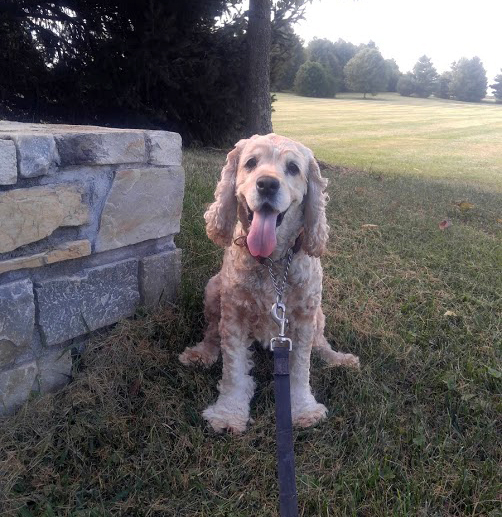
I am sorry to read the complete story about your Cocker Spaniel. You and your family have been through a lot of agony and stress. I am terribly sorry that you have had to try to find our help.
But I can guarantee that we are the best place for you to talk about this. We have years of experience and knowledge. Our goal is education and helping owners understand the complex medical knowledge that many of these owners HAVE to know to actually get their dog treated properly. An owner that has a good knowledge of what their vet is telling them will be able to make calm and educated decisions, not in a panic, but with thoughtfulness, not only in terms of the expected success or failure, but also with their dogs’ comfort in mind and trying to complete the treatment in an economical way. Many families do not have a lot of money to throw at these conditions.
I wish I could reaffirm your concerns that you were singled out,misinformed and additionally that these conditions are rare. The reality is that the number of dogs with these various hematological conditions we have seen on our forum and I have seen in the past 8 years has significantly increased.
Why is this occurring? We need to look carefully at how autoimmune diseases present in canines and also at how susceptible dogs as a species are to these various autoimmune diseases. In addition to what I have written please take the time to carefully and thoughtfully read this excellent paper written by Dr. Jean Dodds
The Canine Immune System and Disease Resistance
http://www.canine-epilepsy-guardian-angels.com/ImmuneSystem.htm
These conditions are extremely variable in how they present. My dog Chance, in whose name this site is in memory of, presented with a very gradual and persistent non-regenerative anemia. The story is far more complex than that, and you can read many of Our Stories by finding this in the menus at the top of the page.
Chance’s condition, in 2007, was puzzling not only to my vet, but surprisingly puzzling to the specialist I saw as well. So the signs were a gradual decrease in red blood cells and white blood cells over time. Nothing dramatic but a diminishing of his ability to make these kinds of cells. But it was an insidious and deadly condition, combining complex autoimmune issues with complications from autoimmune hypothyroidism and digestive disorder with the possibility that he had a vaccine reaction to the parvo booster. Chance did survive this condition, despite the discouragement by the specialist. You see his after picture on this website.
Chance was prone to autoimmune disease from before the day he was born. He developed serious canine allergies (atophy) when he was only 1.5 years old. Now-a-days I would immediately recognize that this sets up a dog for future autoimmune conditions. But at that time, the study of canine allergies was literally just a specialty and in it’s infancy. We were certainly lucky that we had one of only 25 veterinary dermatology specialists in the whole US in our area. Chance was treated with a complicated and highly expensive dosing of allergy shots, a novel and successful approach in 2007. This worked for him.
Little did I know that many years later, his autoimmune tendencies would catch up with him, the next time as diagnosed autoimmune hypothyroidism. A new puppy sidetracked us and it wasn’t until he began to experience severe digestive disorder did we begin to understand that something more was seriously wrong. My vet discovered and removed a 7 lb growth from his spleen. Abnormal? Well, now that I have had years to research this, no, this is not unusual for dogs to develop this accessory spleen. In fact, this growth was making blood for him because his bone marrow had failed. I didn’t finally put all this science together completely until after years of studying veterinary hematology, and long after Chance had passed.
So now we look at how dogs with AIHA and IMHA express and show signs of these conditions. Extremely variable. And the trigger? Many. In fact, most dogs do not develop disease from one singular trigger. It is a “perfect storm” of several triggers.
The most serious cases of AIHA (usually considered a primary condition of unknown cause) demonstrate as a sudden and profound autoimmune destruction of not only red blood cells but sometimes platelets as well. They can literally go from a PCV / HCT of normal (38-55%) to one of something like 8% in a matter of days, even hours. These dogs are highly prone to crashing, developing a serious blood vessel disorder called DIC disseminated intravascular coagulation in very short time. A vet not experienced with handling this condition can fail to not only recognize the signs but also fail to know how to treat this emergency. These dogs do not do well and unless they are in the hands of an experienced and talented veterinary team, they will not survive. And make no mistake that I truly believe that this treatment is like an art. These vets develop extraordinary and unique protocols to treat these dogs. Many other vets are still in their office doing a quick internet search about the condition while these folks are quick in action.
We often see cases of IMHA (immune mediated hemolytic anemia) (which is the more currently correct term that indicates that there is “some trigger” that may be treatable) that is leading to this sudden autoimmune destruction of red blood cells. A big trigger, one of many, is tick borne diseases. But there are many others, including vaccine reactions, exposure to pesticides (whether applied to the dog or applied to their environment), a history of canine allergies, bee stings, bites from snakes or spiders, genetic history, sex hormones (male or female), age, breed and concurrent health issues such as hypothyroidism, digestive disorders, kidney disease, tumors, splenic disease etc. You can watch an introductory video about this under the AIHA Video Library. These cases may require multiple tests to nail down the cause(s) and there is truly a laundry list of things that should be ruled out. All of us here know these “rule outs” and we are quick to check to make sure these tests were done immediately by the attending vet as soon as a new owner comes to us.
Now we must look at how susceptible dogs are to these autoimmune conditions. Extensive research is now being done on many canine disease conditions, in part, because the canine genome has been completely mapped and that makes this a rather easy task for a researcher. What they are finding is that genetic “baggage” has hitched a ride (like the iceberg UNDER the water) along with genetic information dealing with things like coat color and other characteristics about how dogs “look.” These visual characteristics have driven dog breeding for a very long time.
A dog that has the appropriate breed standard wins dog shows and these are the dogs that breed future puppies. Even if we eventually are looking at a backyard breeders’ dog, we have this genetic heritage in the past to look at. And dogs that are “mutts” are really just a combination of the genetic heritage of all these pure bred dogs that have the original baggage. Just as humans have very little control over whether or not their children will need glasses.
Now we are beginning to realize the horror of these earlier decisions made by unknowing breeders. For instance Dalmatians are being born deaf in extraordinary numbers because deafness is genetically linked with coat color, in this case the gradual shrinking of black from the coat in preference to a white coat with small dots. Make no mistake this was the result of a Disney movie and the popularity of this breed at that time. The science is that the coloring, melanin, that makes black dots is also an important cellular component of the structure of the inner ear. These dogs are born without the proper parts of the ear. The less melanin in the coat, the greater the risk of this genetic fault being expressed.
German Shepherd Dogs have had an increasing tendency to develop hip dysplasia due to the preference for that crouched back leg look. Certain breeds like Cocker Spaniels and Poodles are significantly more prone to developing AIHA IMHA and bone marrow failure owing to the popularity of these breeds and the large demand for puppies. Back yard breeders set themselves up to make some money and pollute the genetic pool without forethought by breeding dogs that may have genetic baggage.
My breed Giant Schnauzers had its genetic future polluted by a few high producing kennels who bred aggressively for show dogs and ignored and refused to apply appropriate genetic information to their kennel breeding stock.
Chance was one of the most expensive “full bred dogs” that could come out of a kennel like that. How would I have known? Certainly not in 1998.
So now we look at your experience. Why did this cost you so much and why do you feel not only so out of control of the situation but also probably feel tremendous guilt? Would it help you to know that all of us have felt this way? We have all experienced this horrible roller coaster ride of panic, ignorance, guilt and grief.
Those are excellent reasons why we dedicate our own personal time to help owners. We don’t stand to gain a thing from this. But we can all tell you that the satisfaction we feel when, after weeks of struggling to help an owner care for their sick dog, the dog survives and begins to play with their toys again in just beyond words.
And when a dog does not survive it is a dreadful experience for us, bringing back memories of our own pain and grief.
Please stay here with us so we can share and have a good conversation about your experience. What you have learned is invaluable to others. We want you to feel at peace eventually, just as each of us has found in time.
my best
patrice
There is an increase in white blood cells and I believe this might be an infection. Looking at the kidney values, I would suggest that you test for a urinary tract infection.
There is a decrease in the hematocrit (and hemoglobin) that I don’t particularly like. But I am not sure that a urinary tract infection would be the single reason for this. Do you have a copy of the test you could upload for me on the Urgent Advice page on this website? I would like to see more of the other values.
I also want to know more about the tick bite, how the vet tested for any tick disease and if there was any treatment. Also, if there was treatment was there any testing after to ensure the treatment was successful? I know a lot about tick diseases. They can lead to many different physiological changes such as anemia, kidney damage, neurological issues and musculotendinous problems such as lameness. Each tick disease has their own signature of impact and a tick can carry more than one disease. Let’s face it, I HATE ticks and the diseases they carry. Treatments are not always 100% successful. This can lead to the disease(s) smoldering just under the radar.
Please upload this test so I can see it. Thank you
my best
patrice