Forum Replies Created
Lauren,
To reassure you, you can read a summary of the use of plasma products for canines in an article written by Dr. Dodds on the benefits of using this plasma. The original article is no longer available.
https://www.secondchanceaihadogs.com/squeezing-more-uses-out-of-blood-products/
On Hemopet’s website this is Dr. Dodds’ recommended use for plasma:
“Source of all coagulation factors, albumin, globulins,electrolytes, and other plasma nutrients. Preferred for treatment or short term prophylaxis of bleeding disorders and to provide globulins (passive immunity) to alleviate or protect against acute or chronic infectious diseases especially viral disease (e.g. parvovirus)
Also available in HIGH VONWILLEBRANDS FACTOR for patients with von
Willebrands disease (vWD).”
As I mentioned before, I wonder if he has a clotting factor disorder and your clinic has tested him for this already and are treating him for this.
By all means, you can feel safe about this process.
I will be thinking of you and Ernie tonight. patrice
Lauren,
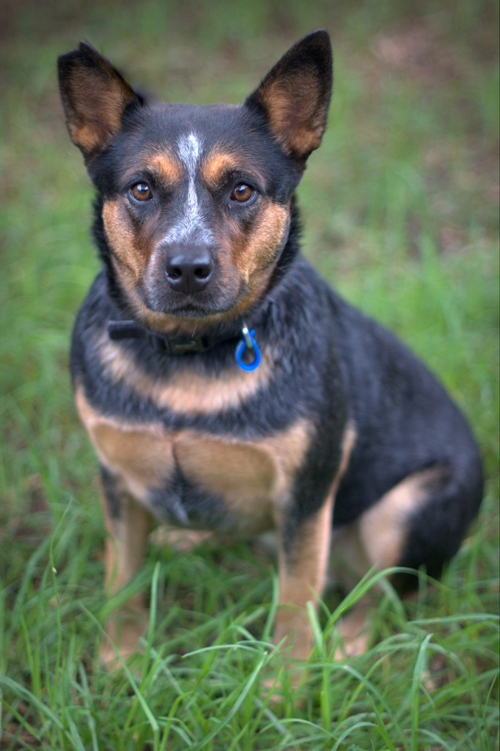
I am so sorry to read this. While I am short on time today I wanted to get back to you asap with some known genetic conditions that the Australian Cattle Dog (Red Heeler) is susceptible to.
Among the list are several of direct concern to me considering his current problems. While this is a laundry list of possible disorders it doesn’t mean that he has ANY of them! What it does mean is that you should talk to your vet about ruling each one out at this point. Hopefully, none of them apply. But if one or two are found, it can indicate a predisposition to autoimmune conditions.
“Multidrug resistance is a genetic defect in a gene called MDR1. If your Australian Cattle Dog has this mutation, it can affect his processing of many drugs including substances commonly used to treat parasites, diarrhea and even cancer. For years veterinarians simply avoided using ivermectin in herding breeds, but now there is a DNA test that can specifically identify dogs who are at risk for side effects from certain medications. Testing him early in life can prevent drug-related toxicity.”
“Cattle Dogs are prone to a condition called hypothyroidism in which the body doesn’t make enough thyroid hormone. Signs can include dry skin and coat, hair loss, susceptibility to other skin diseases, weight gain, fearfulness, aggression, or other behavioral changes. ” (My notes: this is often considered a canine genetically inherited condition called autoimmune thyroiditis, destruction of the thyroid glands by the immune system. I recommend that he be tested by Hemopet with a Thyroid Profile 5 to determine if this is an inheritable condition)
“Inherited bleeding disorders can occur in dogs. They range in severity from very mild to very severe. A pet may seems normal until a serious injury occurs or surgery is performed, and then severe bleeding can result. Von Willebrand’s disease is a blood clotting disorder frequently found in Australian Cattle Dogs. There is a specific DNA blood test for Von Willebrand’s disease.”
“A relatively rare blood disorder called Pelger-Huet Anomaly can occur in the Australian Cattle Dog. A carrier of this disease may have a dysfunction of the infection fighting white blood cells. ”
“Red Heelers are more likely than other dogs to have a liver disorder called portosystemic shunt (PSS). Some of the blood supply that should go to the liver goes around it instead, depriving the liver of the blood flow it needs to grow and function properly. If your dog has PSS, his liver cannot remove toxins from his bloodstream effectively.” (My notes, we have helped several owners with dogs that had this condition and it contributed to the chronic anemia and poor health and went undiagnosed for some time. These PSS are sometimes difficult to diagnose and your own vet is the best person to discuss this with as special testing like ultrasounds may be necessary.)
Here are some links where you can begin to read about some of these conditions.
Hemopet Thyroid Testing
Canine Hypothyroidism
List of common ingredients in flea and tick products
My best, Patrice
I put the thyroid and hematopoesis paper up in the canine hypothyroidism resources.
https://www.secondchanceaihadogs.com/canine-hypothyroidism-resources/#mg
Click on the picture of the molecule colored in purple. Best I can do today as I am busy with several things. This will open the reference material as a pdf, expand it to open for a full page to print and save.
My best Patrice
Karxlee,
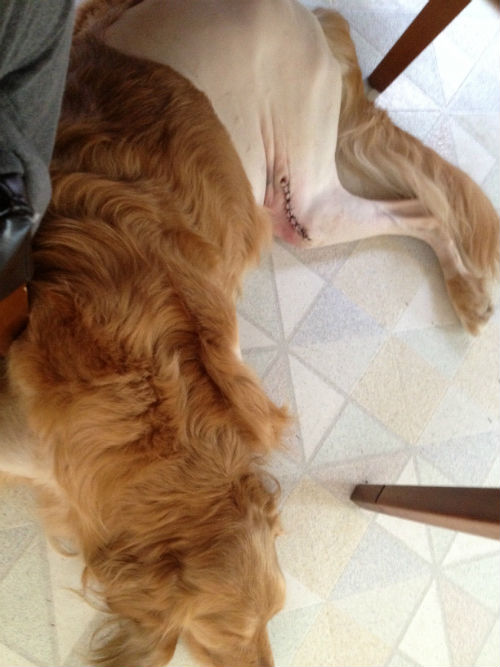
I’m so sorry to read this. How is the incision? Is it healing nicely?
Did the send the spleen out for testing? Any results I can read for you.
I have a reference paper that explains how supplementing with thyroxine helps stimulate the marrow to produce more red blood cells and platelets. Dr Dodds sent it to me. I’m not at my computer but I’ll dig it up tomorrow.
However this is basic physiology. The thyroid regulates many systems in the body. If it isn’t working to its fullest potential all systems are impacted. So this reference explains that in a bit more scientific way.
Just like humans, dogs’ physiology varies from one dog to the next. And each breed and each dog of that breed will have variable testing results for thyroid function. A young female will have different normal test results than an old female, vs a young male or old male, plus neutered and spayed vs intact , good diet vs bad diet, autoimmune disease vs healthy.
Every 6 months I have Cassie ‘ thyroid testing done by Dr. Dodds. She is on lifetime thyroid supplementation because her gland is not working properly. Those results are compared to an individualized optimal level for an older female Giant Schnauzer. That’s how much data Dr dodds has collected in the past 30 years. She knows exactly what her ideal levels should be and has worked on dosing her properly to make it work for her.
So I personally dont minimize the role the thyroid plays in her health. She’s doing really well for an old girl.
I know from experience with Chance that this thyroid supplementation Dr dodds recommended was extremely helpful getting his bone marrow to function properly.
I’ll get the paper to you.
My best Patrice
Amy,
Look at the vaccine resources on this page:
https://www.secondchanceaihadogs.com/vaccine-resources/
Look for Dr. Dodds minimal vaccination schedule and Canine Non Core vaccinations. Click on pictures to go to those pages. Print this information and keep it with you whenever you go to any vet’s office.
Follow her advice on these topics and you will be safe.
my best
patrice
Hi Marian,
I’m glad you have found our site, welcome! I am so sorry to read about Emma.
We do have a lot of resources here, you can see links to them sliding at the top of the pages. Browse them to read more about AIHA.
Prednisone is the first and most important drug used in the early stages of AIHA IMHA. It can be a life saver in these conditions. While it is very important it does have some difficult side effects that can be seen even as early as a few weeks. I would say that the panting, and in fact most of what you are seeing, is directly related to prednisone.
The prednisone is causing a condition called Iatrogenic Cushings Disease. Iatrogenic means caused by the application of medication. So this is not true Cushings Disease, but has all the signs and symptoms. The condition goes away when the drug is discontinued.
Simply put, prednisone is similar to our own bodies cortisol. This hormone is responsible for adjusting many things in our body in response to stress such as heart and breathing rate, blood flow to organs, sugar levels in the body etc. This is to ensure we have all the resources we need to be ready for “fight or flight.” The levels of cortisol are carefully controlled by our body. But when we flood it with excess amounts of cortisol in the form of prednisone, the body behaves like it is constantly under stress. So to you or me it would feel like we are always in the middle of a car accident, terribly stressed out, breathless, heart pounding.
This is one very good reason Emma is slipping away for some quiet time, the world has suddenly become over stimulating to her. Just let her be, put down folded blankets in front of fans to cool her off, this drug also causes dogs to be hot all the time. She doesn’t feel well and it’s natural for a dog to want to get away.
Other side effects you will see immediately are a lot of peeing, uncontrolled peeing, great thirst, big appetite, shifting of body fat and fluids such that the body begins to look potty. You may see skin infections like staph, hair or coat changes. After a few weeks the liver enzymes will rise as the liver is the organ that processes the prednisone. This causes liver cells to die. The liver will recover from this if there was no organic liver disease prior to this problem. We recommend the use of the supplement Denamarin to help the liver heal quickly from this.
Be careful with fat in the diet right now, pred may encourage pancreatitis which is very painful. Ask your vet to prescribe some form of stomach protection as prednisone will cause stomach ulcers. The most simple of these would be generic pepcid, the basic version, given one tablet a day 30 min before meals. We often suggest you use sucralfate, a kind of mucous “bandage” that protects and heals the stomach from any possible ulcers. Dose this with at least 2 hour on each side of any food or medications.
Aspirin at ultra low doses, 0.5 mg/kg/day PO, is also recommended or Low-molecular-weight heparin (Dalteparin 150 U/kg SC q12h or Enoxaparin 0.8 mg/kg SC q6h) to reduce the risks of inappropriate clotting.
Cyclosporine is often used as an additional drug for two good reasons. The first is that it can take on the job of immunosuppression so that the prednisone can be reduced and those nasty side effects are less. The second reason is that cyclosporine has far fewer side effects than prednisone. And any side effects that it has, tend to disappear immediately after the drug is discontinued (unlike prednisone). It has been researched in dogs for use in canine atopy (doggie allergies) and has shown to be very safe an effective.
When dosing for dogs with allergies, the usual dose is 5mg/kg/day. However Novartis has not drug tested Atopica for use in dogs with more serious conditions like AIHA IMHA. In those conditions, many clinics now start the drug off with a “loading dose.” This dose “kick starts” the body and makes it more effective earlier.
That loading dose, according to Dr. Dodds, is:
For severe cases, other immunosuppressive therapy is given. We much prefer cyclosporine (Neoral,100 mg/ml oral syrup; or Atopica) instead of cyclophosphamide (Cytoxan) and give it at 10 mg/kg for 5 days rest 2 days, then at 5mg/kg for another 5 days. The lower dose is repeated after a 2 day rest on a 5 days on, 2 days off cycle as long as is needed (usually 2-3 courses of 5 days). This drug induces rapid T-cell suppression within about 48 hours and has been safe, effective, and well-tolerated at these doses.”
So you can see that your vet is following this higher starting dose. Atopica is dosed for allergies in dogs between 16-33 lb (8-14.9kg) at 5mg/kg/day or 50mg. But using the 10mg/kg/day dose would double that for a short period of time for the greatest effect. I don’t believe that he will maintain this for a long period of time. Check back with me if he does.
Chance had this higher dose and I can say he had what seemed like psychotic spacey episodes for about an hour after his high dose. He would stare off in the distance during this time and then would be fine later. Because Chance was very very sick, I had no choice but to continue this with him or he was going to die. Within about 3-4 weeks we began to see signs of recovery and we dropped him down to 5m/kg/day.
Most side effects of cyclosporine are gastrointestinal, diarrhea, vomiting, soft poops etc. Over time you may see skin side effects, awful to look at but not generally harmful. A few dogs rarely have more serious side effects, but discontinuing the drug immediately reduces them quickly.
If she continues to have trouble with the cyclo, there are two suggestions that Dr. Dodds has. The first is to give the cyclo with some food for a few days so Emma adjusts to the drug better. This does decrease the absorption (and effectiveness) so it’s important not to dose like this for a long period of time. Or you could also discuss with your vet about lowering the dose temporarily for a few days so she will adjust.
If you are willing to let her adjust without these measures I suggest you get a can of plain pumpkin and add a tbsp a day to her diet. This will help with the soft poops.
Personally, Chance would not have survived if he hadn’t had the cyclosporine. We had three more wonderful years because of this drug. I have also seen many many dogs survive over the past 9 years because their vet used cyclosporine. Dogs that were extremely ill survived.
The side effects of some of these drugs are just awful, like prednisone, and at times they can seem worse than the disease. Rest assured that these are currently the most successful treatments so far at most clinics.
Each clinic may use a slightly different dosage or try different combinations of drugs. But the true work being done to diminish the population of the T-cell lymphocytes are prednisone and cyclo (also immuran). These white blood cells are the rogue elements of the immune system that have lost their original programming and have gone rogue. Until they are tamped down in numbers, they run amok damaging red blood cells.
Please hang on there, you are in the early stages of treatment. We are here to help you through all the complicated decisions you need to make in the next few weeks. We encourage good home nursing care with home made food and we have lots of resources for that. Keep home quiet for now, no visitors, either people or other dogs. She needs lots of rest. If you find she cannot hold her urine, sleep downstairs with her, leash in your hand, to take her out in the middle of the night. I think at this point, I have spent a few months of my life sleeping on the floor or the couch.
my best
patrice