Forum Replies Created
In most healthy dogs basophil s are rarely seen in any number on the CBC. But they are often increased in dogs who have allergies. In a young dog it could be common to see the genetic expression of allergies quite early in life. (Been there done that)
There is another rarer reason for elevated basophil but I am not one to jump too far ahead too quickly.
I’ve seen a number of dogs with a history of severe allergies (canine atophy: inhaled allergies) go on to develop autoimmune conditions including AIHA, IMHA , bone marrow failure etc. And those dogs can have elevated basophils.
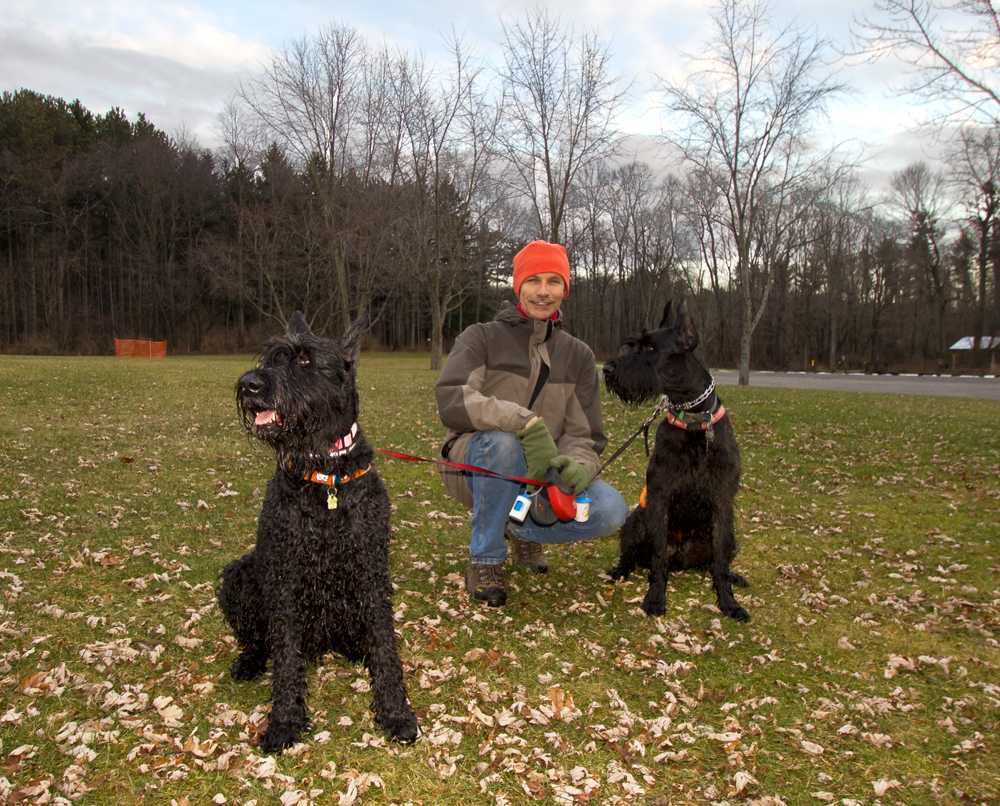
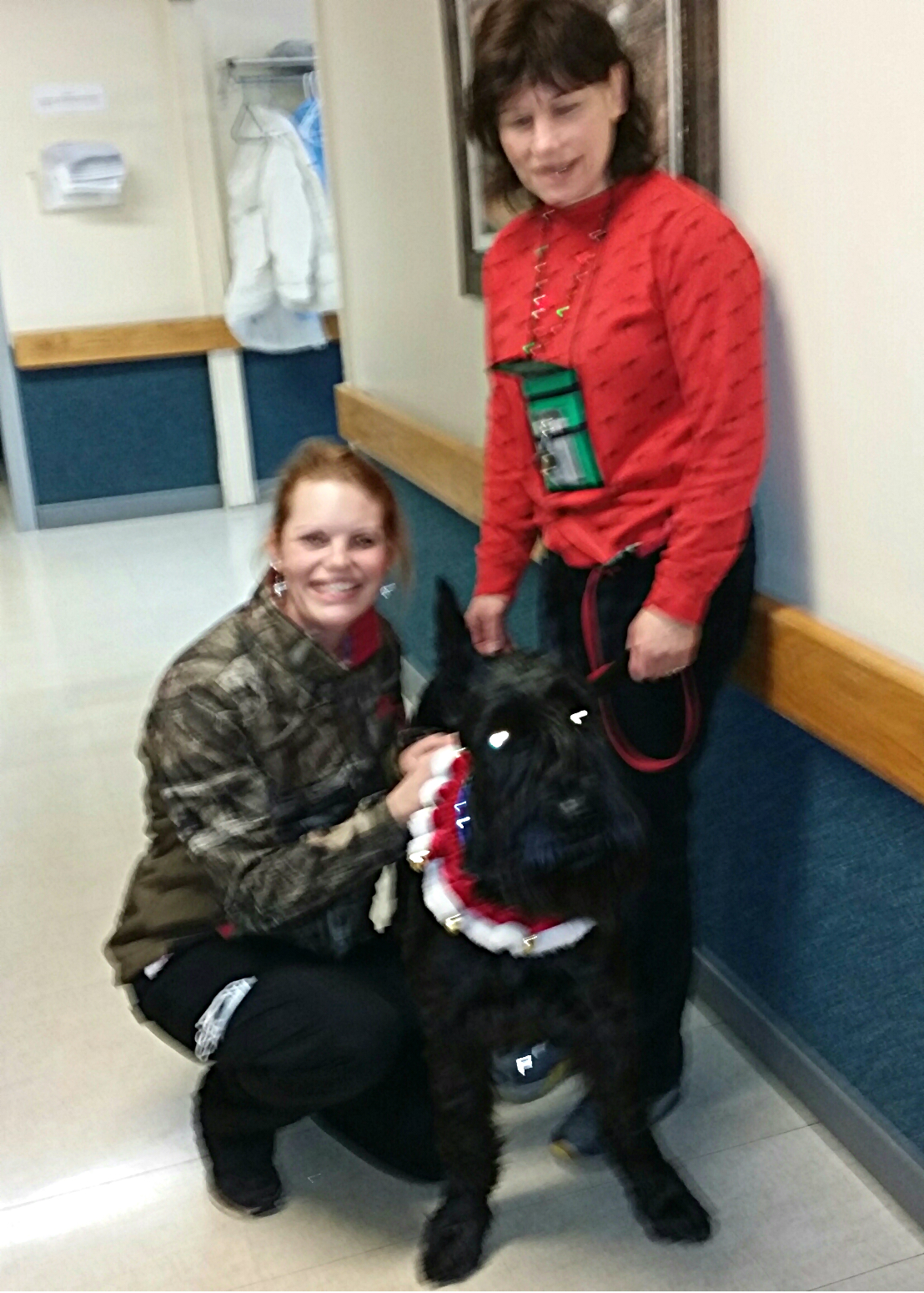
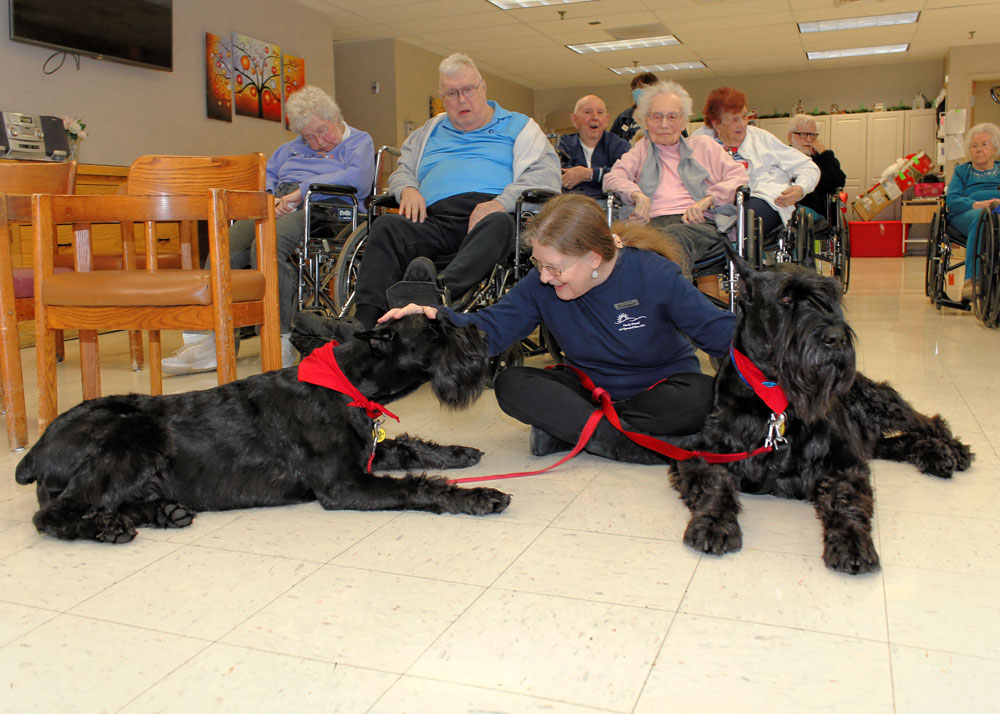
Chance, who was my Giant Schnauzer, and for whom I made this site in memory of, had terrible allergies as a young dog and developed profound bone marrow failure when he was about 8. His life was at great risk because he not only stopped making RBC, he also couldn’t make some of his protective Wbc. He survived. You can read all Our Stories on this website.
I have a background and degree in physical therapy. While not directly applicable to veterinary science, my knowledge of human medicine and my ability to absorb tons of medical material quickly have been of great help in studying veterinary hematology. Eventually I had to study many different veterinary disciplines to get a rounded view of what happens when dogs develop these serious blood disorders. I don’t have any veterinary clinical background , other than what i pick up when my own dogs are at the vet, but I do have a vet as a resource who helps me with clinical application of the signs and symptoms I see in the dogs on this forum when I am stumped. I am always careful and research thoroughly when I prepare information about these conditions.
What I have explained to you is just the tip of iceberg in terms of what I think should be happening for Storm right now for diagnosis and treatment.
Valley is also an owner of a dog that survived a very serious case of AIHA. Bingo lived a long happy life after he recovered . Vally gives back tirelessly to help owners. She admits her lack of knowledge in some areas, but she has amazed me in her ability to absorb all this complicated terminology and now she is quite an expert. I admire her gifts very much. This site could not go on without her constant dedication. And truly, all owners become fluid in the medical terms after treating their own dog.
I believe in educating the owners enough so they can make educated decisions, not based on emotionally charged stressful moments in time.
My best Patrice
Mariah,
I’m sorry to read about Storm. It is always disheartening when a young pup becomes sick like this.
I find your description very interesting and a bit unusual. The part that caught my attention is the mention of your vet wanting you to increase red meat and add iron tablets to his diet. Your vet either knows exactly what he/she is doing or they have some incorrect information they are using to develop a treatment plan.
So the bone marrow must have the right ingredients to make new red blood cells. Each day in our bodies old RBC die and are destroyed and recycled by the spleen. All normal. The marrow responds to the request for more new RBC by making new immature cells called reticulocytes. After a few days they mature and become RBC.
When there is more than a normal number of old RBC that need to be replaced, we call this state anemia, a shortage of oxygen going to the body cells. So extra reticulocytes must be made.
If the bone marrow doesn’t have enough of certain nutritional ingredients the new cells can be faulty and either not survive or they can be very pale, not containing enough hemoglobin to carry O2 to the body.
Two ingredients in particular that are important are vitamin B12 and the mineral iron. The cells that are made when there is low iron are hypochromic and a bit larger than normal. This means pale and not normal looking.
In humans we call this type of anemia “iron poor blood” but it’s a lot more detailed than I am describing.
B12 also contributes to the robustness of the cells. Without enough of this nutrient anemia can be quite serious as the body stores in the liver are depleted.
So, let’s assume your vet has been smart and tested for blood levels of ferritin and cobalamin (iron and B12). They were found to be low and he prescribed iron supplements. This “may” improve the level of iron needed.
But let’s say your vet sort of remembers this older knowledge about iron poor blood and guesses this could help. Feels it can’t hurt….
Most veterinary colleges and clinics would find this kind of logic incorrect or at least somewhat dated, if no testing was done to actually determine this is actually the problem.
Young dogs do not develop serious anemia like this unless there are certain criteria. There may be some genetic flaws that are contributing to a form of malnutrition that doesn’t allow the body to properly absorb nutrients in the small intestine. Another serious cause could be a congenital complication with the liver where the important blood vessels bypass it (a liver shunt) and the blood doesn’t pick up stored nutrients such as iron an B12 to carry to the bone marrow.
Young dogs like these are somewhat sickly and appear malnurished early in life. Any vet would notice this upon examination.
So, what about the “seizure? ” I believe this was not a neurological event but rather something called a syncope. Big word that means fainting. Simply, Storm is very anemic, the heart could be struggling due to low blood volume (hypovolemia) and develops a murmur. There are moments when blood flow to the brain is too low and the brain says “ALL STOP, DROP TO THE GROUND UNTIL WE GET ENOUGH OXYGEN”
Dogs with heart conditions have frequent syncope and they may vocalize, paddle, urinate or even deficate. It’s a common occurrence as the heart fails. But in general we are talking about older dogs. Why would a young puppy have a syncope other than the blood volume is way too low and there is anemia with dehydration?
So, first thing, help me to help you. Get copies of all the lab work and diagnostic discharge papers. Let me see what your vet has checked and what are the actual blood tests telling you. Please go to the Urgent Advice page and fill out the form and attach 3 at a time reports to upload to us. (The server can restrict too large a file size, so just 3 at a time please)
Next, are you still in contact with your breeder? Be polite but find out what kinds of genetic conditions your breeder has seen in their breed and their puppies. Try not to be combative or angry, get the information you need now.
I would be cautious about excess iron in the diet. If he really doesn’t have low iron, supplementing could lead to overdose which had its own side effects.
Think about getting a second opinion from another vet. You are not tied to this particular vet and another vet may see things that the first vet missed or misinterpreted.
Time is an enemy right now, I would not want to see a young pup be this sick for too long as it affects growth and maturity of the nervous system, organs, muscles, skeletal structure and even the brain.
Please ask any questions you have.
My best Patrice
Eleonora,
That is a good that she has checked out normal! Dogs with a genetic predisposition generally express their hypothyroidism at a younger age as the immune system attacks the gland. Some breeds like my Giants tend to slowly develop it over time, usually with low normal test results that result in symptoms of low thyroid. That’s where diagnosis is tricky and many dogs like mine are not treated properly.
I made an error in typing, was using my thumb on a phone, duh.
Dogs can have a pH as low as 1-2. I said “higher,” but what I really meant is that a dog’s stomach acid can be much more acidic than humans. Think of “battery acid” acidic! That’s why dogs or wolfs can digest bone so easily.
In fact, canines have a different process digesting their foods. In humans our digestive processes are more intricate and the food stays in transit a much longer time so the system can properly digest complex carbohydrates, proteins and fats. This allows time to extract amino acids, glucose, fatty acids and nutrients like vitamins and minerals.
Canines have a simpler approach, their food is eaten almost whole and the stomach uses a highly acid environment to break down the food quickly. That’s why dogs cannot tolerate grains very well, there is no equivalent lengthy process to do so.
This is the reason why prednisone is so hard on a dog’s stomach. The high acidity of the stomach acid combined with the prednisone can quickly lead to the development of ulcers. Dogs in treatment take acid reducers to protect their stomachs and that changes how well they can digest their food.
my best, patrice
Eleonora,
Good to hear Camilla is doing so well!
As soon as Chance was showing good recovery I switched him back to his raw diet. Going forward his health improved significantly. I recommend you do begin transitioning back to raw.
I always make sure the raw food diets I feed are made with human grade food sources. That is one way to reduce exposure to bacteria. But the real truth about dogs that eat raw is that their stomachs naturally begin secreting much lower ph acid in response to raw bones and meat. This can be as low as 1-2 ph! Humans tend to have ph around 3-4. This higher ph in dogs digestive systems is protective against bacteria and is why healthy dogs can tolerate bacteria in their diets not only in the wild but also in domestic dogs.
The critical element in a raw diet that provides balance is calcium. Many owners feed raw meaty bones, while there are some that use other sources like crushed egg shell. In either case the calcium needs to be greater than the phosphorus that is in the other foods like meat. This balance is important in the diet. Without that proper balance the diet can have a negative impact on health.
Mary Strauss website Dogaware has an incredible wealth of nutritional resources to help owners prepare many variations of home diets, whether completely raw or somewhere in between. We partner with Mary and have a link on this page to her site, just click on the picture of her page. I can spend hours reading here and I hope you will find it helpful.
https://www.secondchanceaihadogs.com/nutrition-resources/
There is also a link to an article written by Dr. Dodds about transitioning to a home diet, but I suspect you are already past this initial stage. She has greater concerns about raw diets.
One caution. Many dogs that have had AIHA or bone marrow failure may have some degree of hypothyroidism. Foods like broccoli etc and spinach contain certain enzymes that in the raw state can have a negative effect on the thyroid gland. Use these foods in small quantities and cook them and rinse thoroughly to rid them of these enzymes. I use spinach in my raw diets but it is well cooked and rinsed.
It is always great to hear about successful recovery and I think transitioning to a home diet will be extremely successful!
My best Patrice
Desiree,
Metrondiazole is a commonly used antibiotic for intestinal tract conditions. Dogs that have unrelenting diarrhea, for instance, would be given this. It can be very effective in resolving conditions like this.
There are some cautions to the use of this antibiotic, most of them relate to long term, high dose use. Most dogs tolerate short term moderate dose therapy quite well.
Chance had very bad diarrhea, loose, large and odorous. I worked with my vet and we found the lowest dose that we could use for a longer time that would help him but not expose him to prolonged high doses. At 93 lbs, he was getting only 100mg a day, which is a very small amount.
So there is more complexity to this topic, especially for German Shepherd Dogs. This breed is prone to have sensitive digestive systems. An owner might say they have sensitive stomachs. They often struggle trying to find the right foods to keep their dog from developing digestive conditions.
One of those conditions is called SIBO small intestine bacterial overgrowth. This condition can lead to malabsorption of proper nutrition. The small intestine can become populated by bad bacteria that push out the good bacteria. Dogs can become malnourished and fail to thrive.
Why is this? Because there are several important nutrients in our diet that must be “helped” through the cell walls of the small intestine and into the blood stream. B12 for instance is one of these important nutrients. There is an area of the small intestine walls called the brush border. This area, along with “helpers”, carefully converts the B12 and allows it to pass through to be available to the body. In SIBO, this brush border (tiny cilia) is attacked by the bad bacteria and becomes inflamed and damaged. Metrondiazole is used successfully in this condition to kill off the bad bacteria.
One of the reasons this is so important is the B12 is a critical nutrient used in the bone marrow to build new red blood cells. Sometimes dogs that have anemia have trouble forming healthy red blood cells, they are malformed and cannot function well. This is additional reason why they may have anemia.
If Kiki is having digestive disorders then this would be appropriate to keep administering. If all seems ok, then specifically ask the vet why they prescribed this. If they can’t give you a specific reason then ask if you need to continue this medication.
OTC generic pepcid is fine if the vet is confused. You do not need special prescribed meds for this. I used 2 pepcids a day for Chance, he was 93 lbs. I gave one tablet, a half hour before each of his big meals of the day. This is sufficient to protect his stomach from the prednisone. I am particularly concerned about stomach protection because prednisone WILL lead to serious ulceration, especially in dogs. They have an extremely acidic stomach acid, sometimes as low as 1 or 2 ph. This combined with prednisone can be very damaging.
To heal any possible ulcers, the use of sucralfate, best on an overnight fast, will do that. It is a simple mucous bandaid that protects and heals the digestive tract walls. This drug is very safe, but remember that it does block absorption of nutrients and MEDICATIONS, so you must dose at least 2 hours before and after a meal. I used it on an overnight fast for more effective healing and to avoid this problem.
my best
patrice
Carrie,
Thank you for the uploaded lab files.
There is significant anemia, the HCT is 22.6% (normal low 37), hemoglobin is low at 7.6 (normal low 12), RBC red blood cells 2.9 million (normal low 5.5 million.)
Anemia is really defined more by a shortage of oxygen going to the body cells than it is by the HCT or PCV. And anemia is really a sign of a condition rather than a condition.
There are several ways anemia can happen, for instance a serious injury could lead to great loss of blood, or the red blood cells are not made very well in the bone marrow and don’t contain enough hemoglobin to attach oxygen to.
In Daisy’s case, anemia is most likely due to a shortage of RBC in the blood and that also means that there isn’t very much hemoglobin inside the cells to carry oxygen.
Unfortunately this test does not include the reticulocyte value, something that is really a necessity when trying to evaluate a dog with this degree of anemia. These are the baby blood cells created in the bone marrow. An increased value would tell us that the marrow is trying to replace the destroyed RBC, a decreased value would tell us the marrow is failing to replace the destroyed RBC. So this is a difference between regenerative and non-regenerative anemia.
So I am taking an educated guess when I say I believe this test does show regeneration as indicated by the higher MCV mean corpuscle volume. This value indicates that the RBC are a bit larger than normal. This could be the reticulocytes which are larger in their immature state. When they drop the RNA from the cell, they will be considered mature RBC. Is this what is happening?
So the question is, can your vet do an anemia CBC panel that includes the reticulocyte values? If they seem unsure about this question, it’s likely that they have not had much experience with this condition. If that is the case I would be very cautious about decreasing the prednisone dose right now.
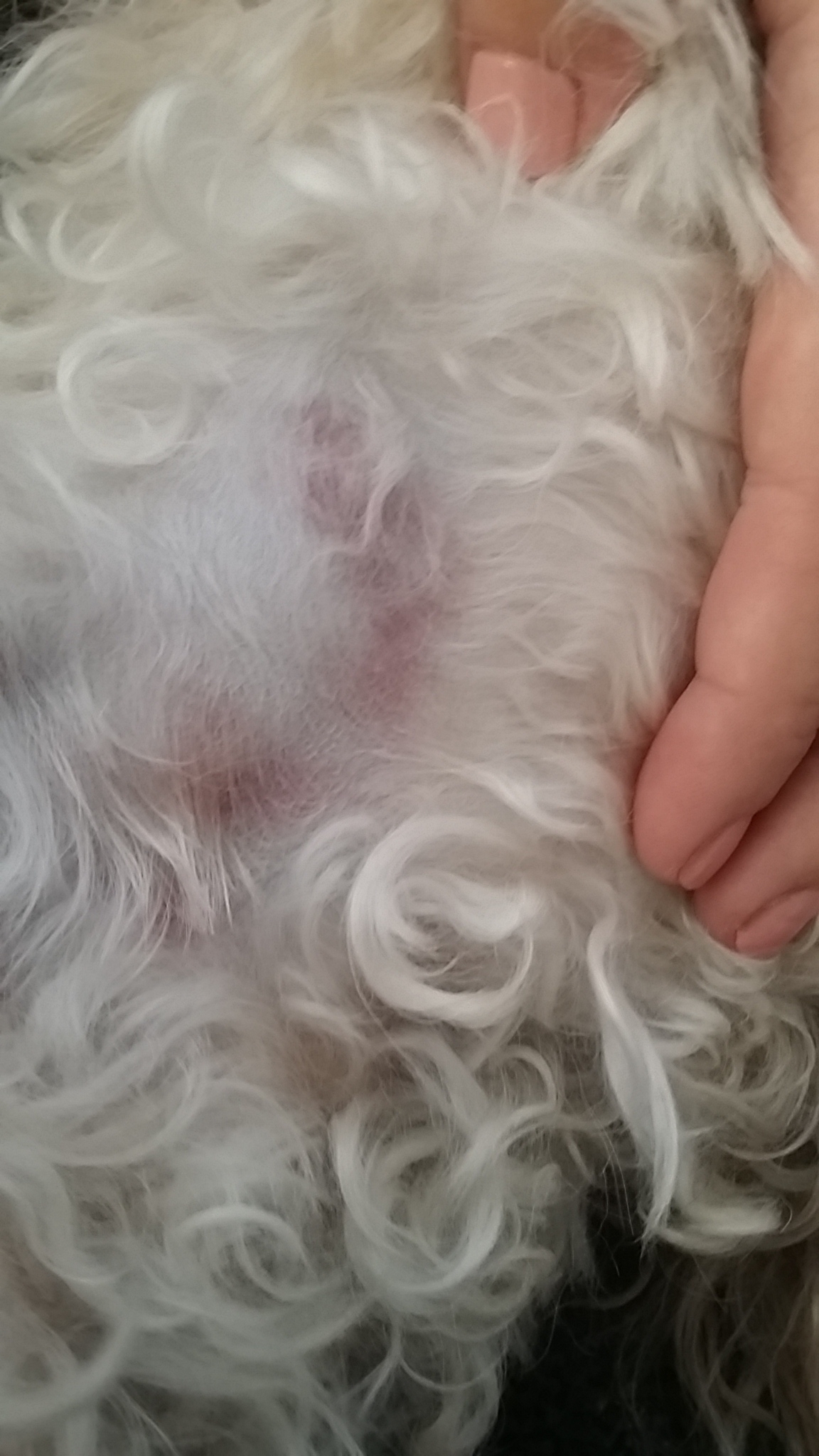
Another reason I am cautious about reducing the prednisone is that the PLT platelet value is a bit on the low side. 135 (low normal 200.) Platelets help us control normal daily internal bleeding in the blood vessels, as well as help us heal external wounds. I would not like to see this drop lower because it may lead to improper internal bleeding which could be serious and lead to improper clotting, an emergency. You would see this as small or large red dots (petechia) in the belly for instance. I would consider this a trip to the vets.
There is an increased WBC count, specifically the neutrophils, which can be associated with infections. The monocytes are a bit high also, these are the cells that come around after the neutrophils have destroyed an invader like bacteria and eats (phagocytizes) the invader. There can be several reasons why they are high, infection is not the only reason.
Sometimes the automated laser that examines the blood can be confused and not know the difference between the immature larger red blood cells and the neutrophils. This can lead the test to indicate a high white blood cell count when in reality it is these new red blood cells. To help determine that, the vet can do a differential test of the WBC.
Has the vet mentioned anything about this highish WBC count to you? Have they prescribed antibiotics?
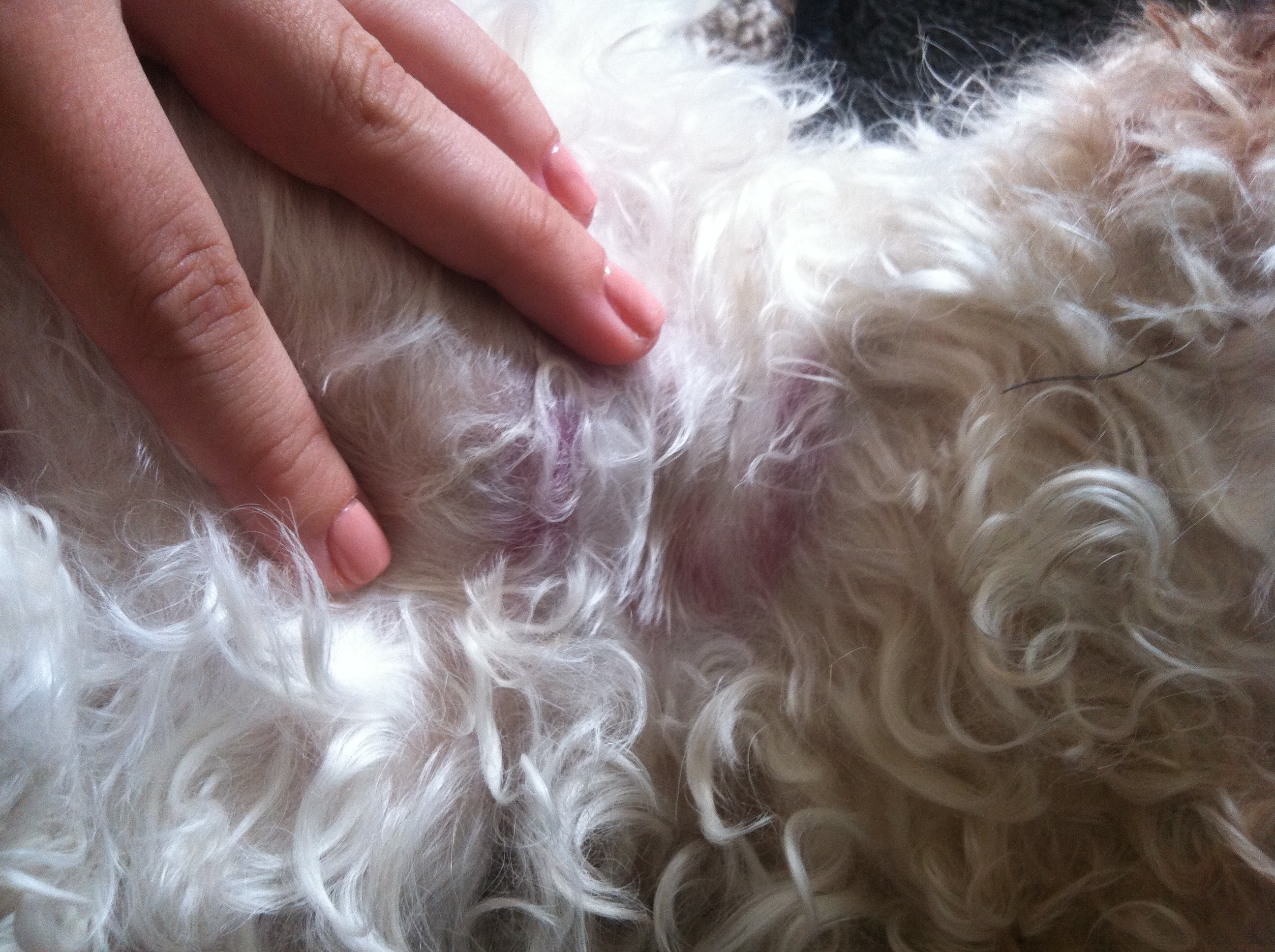
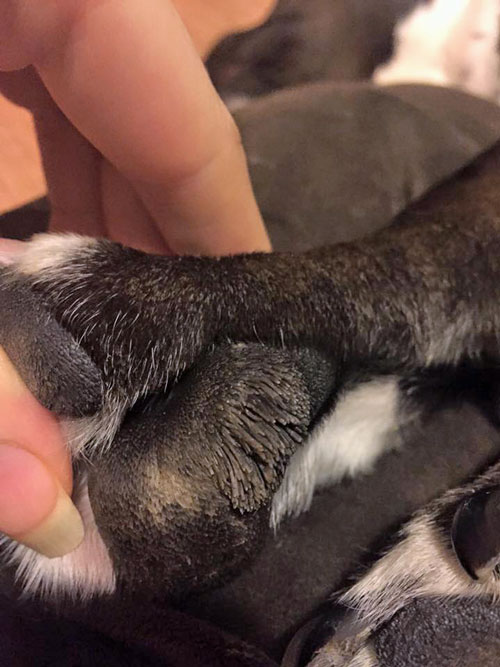
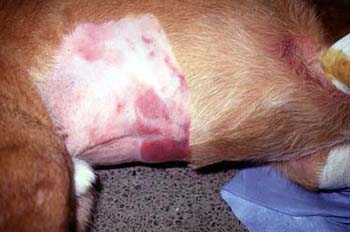
The image is a bit blurry so it’s tough to see. But I can tell several things from this photo. The spot is quite dark. The spot is relatively round and it is about the size of one of your nails. Some dogs can have spots like this as just a birth mark, or a reaction to an old injury. On the other hand dark spots like this can indicate some type of cancer. This is picture of a diagnosed mast cell tumor.
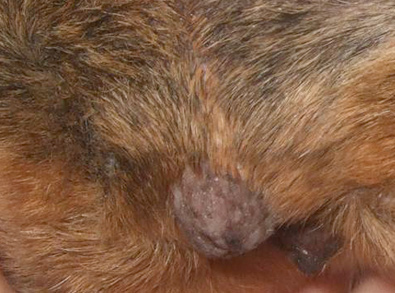
It would be important to know if you have every played with it and then a short time after it increased in size? Mast cells tumors behave this way. Mast cells are in many places in our body, outside and inside. They are responsible for releasing histamine. You and I know about them when we have a cold or the flu, we sneeze, our eyes water and we can’t breath and we take antihistamines to reduce the symptoms. When mast cells are irritated they can release a lot of histamine all at once and this leads to local tissue inflammation. In large quantities it can cause problems. In our intestinal tract this ancient mechanism leads to vomiting and diarrhea, a very efficient way to eliminate foreign agents from the digestive tract. But in some cases, allergic reactions to food for instance, it can be very dangerous and lead to breathing issues.
Dogs tend to have more mast cell tumors and this condition can be serious. So it would be important to know if the vet believes that this is what they are. As I said above they dislike being disturbed and doing a biopsy would do that, however it might be important to do this. Mast cell tumors in one word are unpredictable.
“Definitive diagnosis is made with cytologic testing of a fine-needle aspirate.”
Depending on the grade the first approach would be to remove them with a wide margin. If they are very confined and have not spread, this can be effective. If they have invaded internal tissues it can be more serious and might require radiation. Antihistamines are usually prescribed and interestingly enough, prednisone is often used to suppress the mast cells local tissue effects.
If these are just moles or birth marks then they would not be worrisome at all. It is difficult to tell you one way or the other. You don’t know Daisy’s previous history and she may have had these her whole life!
I do not want to upset you but also want you to have the knowledge to be able to make important decisions about Daisy. Not understanding the science behind all these things can make decisions very hard to make.
If you have questions, please ask.
my best, patrice
Hi Nicole,
This is excellent news!
As you can see for yourself now, the reticulocytes have increased even more, up to 2%, and combined with a HCT of 45%, you should be seeing Bean become more stable. I assume you are seeing Bean also return to normal behavior, appetite, exercise etc?
I would recommend you follow the conservative prednisone reduction we have on the website, preceding each decrease with a CBC for right now and spacing the decreases about 2 weeks apart.
As I mention in the guidelines, this can be an uncomfortable process for dogs (and humans!) Be alert for any rapid changes in behavior that seem like Bean may be about to collapse. Being extremely tired is fairly normal, but appearing quite ill means an immediate trip to the vet. So expect Bean to seem to feel worse for awhile, but eventually this will diminish as you get closer to very low doses of prednisone, say around 2-5mg per day or every other day.
Some dogs do need to stay on these low doses of prednisone for life to prevent relapses. At Second Chance we sometimes prefer to see this rather than the relapses. There is no way to predict which dogs will need to need these small doses, but the best way to anticipate that there may be a problem is to continue to take Bean in for routine blood work more often than other healthy dogs. If you see a decreased HCT over a few CBC, along with other small signs, talk to your vet immediately about the possibility this may indicate a relapse.
Please continue to stay with us as you progress through this, we would love to hear from you often!
Good luck!
Patrice
Carrie,
I am so sorry to read about Daisy, your rescued bloodhound. This was just bad luck for you.
In the 10 years since Chance was ill and I started helping owners with their dogs I have done extensive research on AIHA autoimmune hemolytic anemia. Originally it was thought that in most cases the cause of the immune system attacking the red blood cells was mostly a primary condition. In other words, the immune system suddenly went haywire and destroyed RBC for no reason. Back then, as it still is, the primary initial treatment is high dose prednisone, or even injected dexamethasone, in an attempt to completely shut down the action of the immune system. Truly, prednisone is a miracle drug in this way, no matter how dreadful the long term side effects are, because it can save a dog’s life if implemented early and at high doses.
The development and sequela of this condition (these conditions) are complex discussions. There has been some progress in the research, such that for instance, most veterinary professionals now agree that these conditions are better described by using the terminology IMHA immune mediated hemoytic anemia.
Why has this happened? Because when AIHA was first recognized as an identifiable canine (or feline) condition, there wasn’t a good understanding of the causes, nor were there agreed upon diagnostic information, treatments or outcomes.
While veterinary research isn’t flush with studies on AIHA, there has been some concerted effort to get some significant research accomplished. And the result of some well-run research studies is beginning to show that more often than not, AIHA is really a disease with a multitude of triggers acting upon immune systems that seem to be already extremely sensitive to the environment. Thus the slow but steady agreements to use the term IMHA. Simply, they can now identify more triggers that can be treated. This is termed “secondary”, hemolytic anemia due to some cause, many of which if treated, that can halt the destruction. Immune mediated is the term and it means something like a tick disease or a vaccine has “mediated” the immune system to become “not tolerant of self.”
What that really means is that the genetics of canines combined with environmental triggers is leading to more and more cases of multiple expressions of blood disorders. For instance line breeding in pure bred dogs contributes to passing on more genetic attributes that carry along “baggage” that leaves dogs extremely sensitive to triggers. But what about mixed breed dogs? Well, in reality they are just combinations of pure bred dogs, so any genetic junk from those breeds can be passed on to any mixed breed.
The blood hound is a pure bred dog, a working dog, and to keep the “type” of the dog and ensure that the dogs that are bred can perform their jobs as they have historically done, the breeders will try to keep as much of the “good genes” in subsequent breedings as possible. There are a small number of genetic tests that can be done by breeders to identify genetic diseases. But in reality, like an iceberg, under the surface of these good genes is a literally a ton of bad genetics being dragged along with each breeding. Each breeding further skews the genetics of the dogs.
So simply, yes, the combination of being in rescue, variable sleep cycles, stress, different food and water, vaccinations (possibly on top of previous vaccinations), heartworm meds, flea and tick meds, lawn chemicals, exposure to viruses and bacteria while in kennels, the sex of the dog and whether it has been spayed or neutered recently, or is still intact. ETC ETC. All can and will contribute to the overwhelming of a genetically challenged pure bred or mixed breed dog. And the result will be the body “not tolerant of self.” This can result in a myriad of autoimmune diseases, among which is IMHA.
You have done nothing wrong. You saved a life. Your vet may have been too exuberant about vaccinations and was perhaps not evaluating Daisy as comprehensively as they should have been.
I agree, now that I read about the bumps, that perhaps you may want to agree to a small needle biopsy if they can get enough information from that. It is very possible that this is part of the trigger for the IMHA. One particular skin bump is called a mast cell tumor. They are tricky and nasty things, changing size at the drop of a hat and are very dangerous. Please if you can upload a picture for me to look at.
Right now I highly recommend that you do not decrease the prednisone until you see the PCV HCT rise into the mid 30’s. This condition can quickly reverse and the best way to control it is to very carefully taper down once there has been significant recovery. 20% is still considered in the range of significant anemia.
Please ask for all your laboratory paperwork and upload it on the Urgent Advice page so I can look at it in detail.
my best
patrice