Forum Replies Created
Deb,
I understand your confusion. I went through this same confusion in 2007. Chance survived but it is a long and complicated story. You can read a brief description of this by going to Chance’s Story under Our Stories. I named this site in Chance’s memory.
https://www.secondchanceaihadogs.com/our-stories/chance
Your vet is clearly puzzled by this condition as it is unusual. I am not puzzled by it. And in fact we have successfully helped hundreds of owners on this forum with this condition.
I am going to ask you to get a second opinion from the vet that guided me to save Chance’s life. Dr. Dodds’ profession for over 30 years has been the treatment of canine AIHA, IMHA and bone marrow failure. She consulted with my vets and through her protocol we saved Chance’s life. Her organization is Hemopet and it is a not-for-profit.
To see her protocol go to this page and click on the picture of Dr. Dodds Immune-Mediated Hematological Disease and Bone Marrow Failure.
https://www.secondchanceaihadogs.com/hemopetresources
This will open a window with the protocol in it. You can click to make this full screen and print or save as you wish. This is the identical protocol that I used to save Chance’s life and is the one that hundreds of other owners have used since I first contacted Dr. Dodds in 2007. Vally can also input how valuable her advice and help is.
What was critical for Chance was the addition of Cyclosporine, or Atopica the brand name. You will see that mentioned on this protocol.
There are many things you have mentioned and asked about. We can discuss those a few things at a time. Right now it would be appropriate to have a second opinion. If you or someone in your family was very ill, you would want a second opinion, correct? This is no different and it will be a very inexpensive cost.
It is also very important to find some peace in your life with this. I know how upset you are, truly I can say that. But when Chance was this ill I knew that I had to compose myself and be there for him every day in a positive and loving way.
Being sad was a distraction that I did not have time for. I set that aside and became very focused on helping him. I have a human medical background so I bought a veterinary hematology textbook and studied it. With Jean Dodds’ help, my wonderful local vets and the information I gathered the picture got clearer to me what was happening medically. It made me feel more at ease.
There isn’t enough time for you to learn everything you need to know about this disease to be knowledgeable, but we can help you understand it better so you can make educated decisions about what your choices are. Making decisions without emotion is important. And when you make educated decisions there is no room for regrets. You will have made the best choice with the information you had available at the time.
I have great faith that you can be a great at home mom nurse. You will be successful and we can help you through this.
my best, patrice
Hi Deborah,
I am sorry to hear about Maya. This is a tough time, I agree. You must live near me in Upstate NY, Cornell is close by.
Can you describe the symptoms that made you feel something was wrong? I would like to determine if there are some contributing triggers that you haven’t thought about yet.
There can be triggers that lead to developing IMHA that may be treatable. We have found that there are usually more than one that can lead to the expression of IMHA.
For an older dog I think of a lifetime of vaccinations and the possibility of a recent booster shot. In Upstate NY we have a great risk of tick bites and this is a strong trigger for IMHA. This is treatable. Sometimes older dogs develop benign or malignant tumors and this can contribute. Older dogs that have had a lifetime of sensitive digestive tract can develop IMHA. Dogs on certain medications may be susceptible. Exposure to viruses can lead to IMHA. As you mentioned antibiotics I wonder if there is some infection like a UTI?
You can see that it is important to think back and try to remember changes in Maya that you may have thought were inconsequential at the time.
For an older dog I would recommend a full CBC and chem screen. Also a urinalysis and stool sample. The vet should carefully examine the abdomen and might even want an abdominal and chest xray to look for unusual growths and changes in organs.
Please let us know about these things. Could you obtain copies of the lab work?
My best Patrice
This is a 33% decrease, the highest we recommend for dogs we have seen on this list. We see when there is a greater decrease, some dogs relapse, and it is harder to come back from that relapse. Expect to wait about 2 or more weeks to do another decrease. I would recommend doing a full CBC complete blood count PRIOR to decreasing again. We want to see these values either remain stable or improve. If the important values begin sliding downwards, you may need to go back to a higher dose again. Dr. Dodds protocol addresses this also.
Coal will feel and also act like he feels worse, this is due to the prednisone reduction. It’s also probably the hardest time for owners, who simply want their dog to feel better and act better. Please be patient during this time. It took me about 7-8 months to reduce Chance’s prednisone and cyclosporine. Medically he was better, but this reduction made him feel awful. I never stopped returning to the vets for CBC’s and PCV’s. I also did chemical screens frequently to ensure his many body systems were improving. Do not stop providing protection such as pepcid and denamarin.
my best
patrice
Amy,
I’m sorry, I thought you had this. Go to this page:
https://www.secondchanceaihadogs.com/hemopetresources
Click on the second picture on the left side:
Dr Dodds IMHA Disease and Bone Marrow Failure
This will open a pdf of the protocol. You can clip on the arrow on the upper right to open it in a new window where you can print it and save it.
If you would like to receive a consultation from Dr. Dodds, the link to that page is just above this protocol. Click on that to take you to her website where you can request a consultation. Vally has reminded folks to scan their lab work into one file because the upload for the consultation is limited.
Many owners have done this over the years and in many cases it was the key to success. Both Vally and I received consultations from her. Think of this as a second opinion, as you would get if you were very sick. Your vet can chose to collaborate with Dr. Dodds, as many do. My vets were very grateful for this help.
Reducing the prednisone is tricky and I cannot advise you decrease this on your own. Your vet or in collaboration with Dr. Dodds can advise you when and how to reduce the dosage. Without seeing any of your lab work or the vet’s reports I can’t say whether this would be appropriate now or not. In general, however, if a dog is on two or more immunosuppressant drugs, such as cyclo and prednisone, and begins to show some progress, it is appropriate to begin reducing the prednisone slowly.
Here is something you can read about the reduction of prednisone that will help you understand.
https://www.secondchanceaihadogs.com/AIHA_Terms/prednisone-dose-reduction
On this page are several articles about canine iatrogenic Cushings disease, or Cushings caused by giving high doses of prednisone. This describes the multiple side effects.
https://www.secondchanceaihadogs.com/dermatology-resources
At the top of each page on this website are boxes that contain links to many resources. You can also find theses resources under Second Chance Resources in the menu. Under AIHA Terms you can find many glossary items that help you understand the language the vet uses.
my best, patrice
Amy,
If you have time please read Chance’s Story under our Stories. He had basically the same condition as Coal. He was put on high doses of prednisone and nothing else for several months, eventually becoming dangerously anemic. It wasn’t until I started Dr. Dodds protocol, which you should have, that uses a very high dose of cyclosporine did he begin to recover. Within a few months he was healthy again and by about 10 months his body was more or less back to normal.
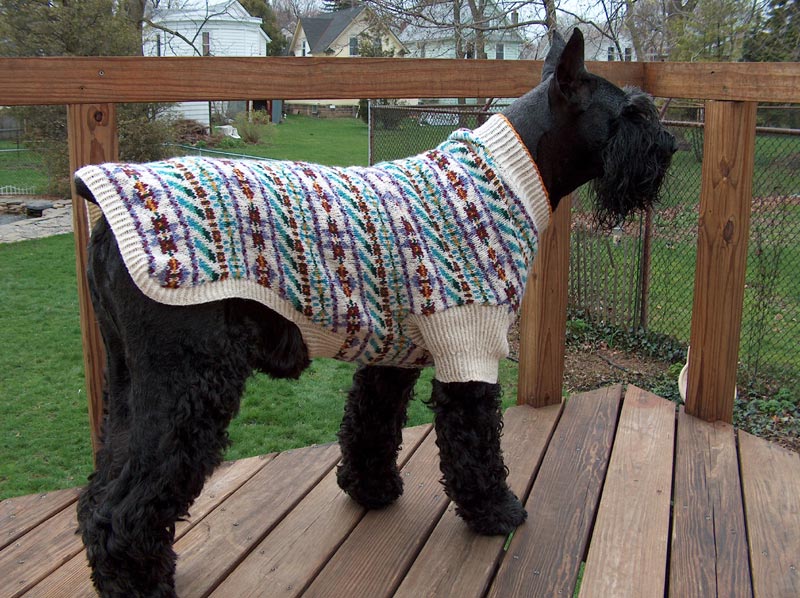
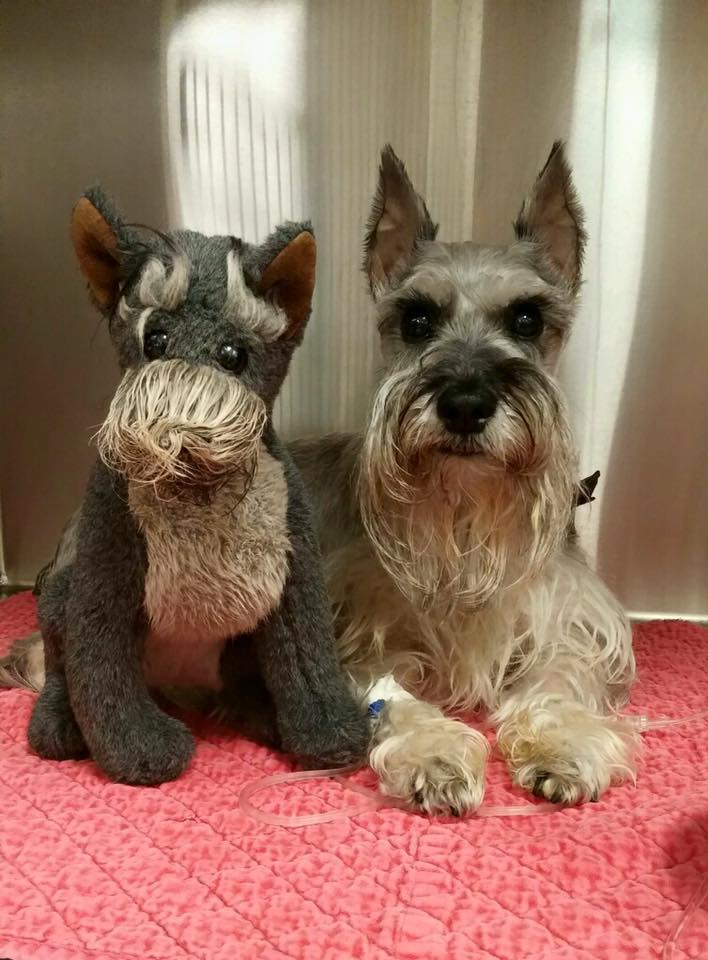
I remember vividly one beautiful Sunday afternoon when he had been on high doses of prednisone for several months and was quite sick. We weren’t at all sure he would live. Mark had decided to give him a hair cut, as Schnauzers need to be routinely groomed like this. I didn’t know and when I came outside I was horrified that he had cut his hair. I told him that Chance would not be growing any hair back because of the prednisone. And indeed his coat became like a brillo pad and he developed staph infections and several kinds of skin growths. It was very sad to me. Dogs with hair, not fur, have significant impact to their coats. He looked so bad I would feel the need to explain to people that he was ill and that his hair would grow back.
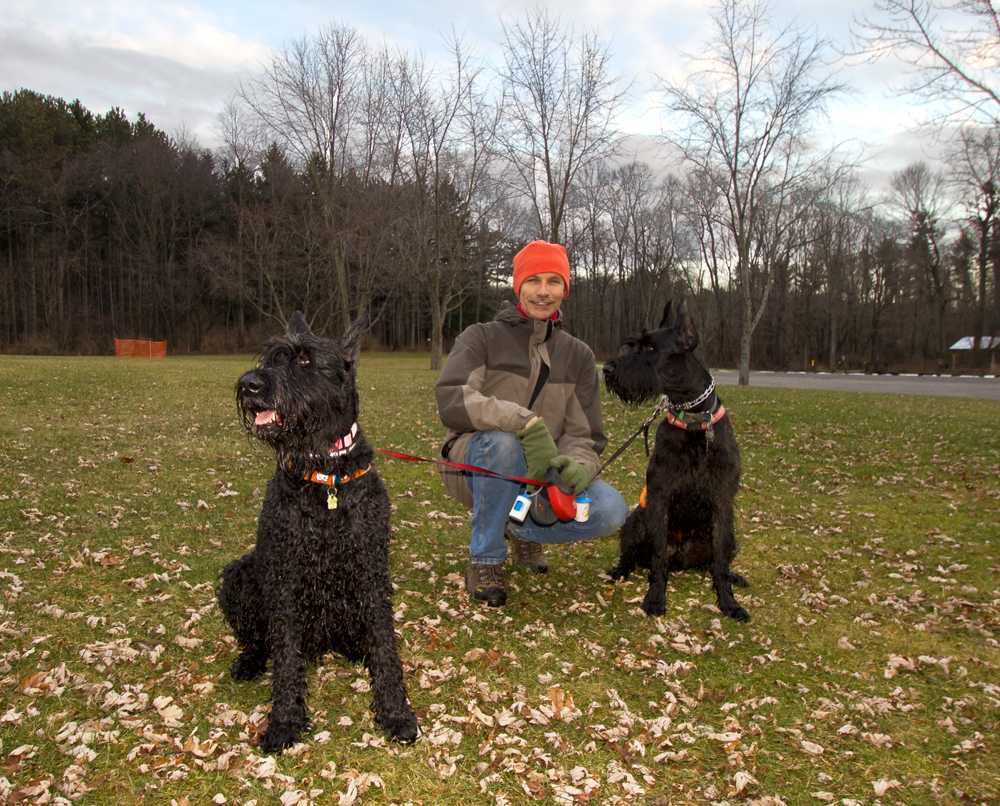
If you read Chance’s story you can look at the pictures of him when he was at his worst and at the top of the page you can see Chance a year later after he had fully recovered. The pictures of him really sick show a dumpy dog with no muscle tone, a swayback, a ratty coat, distracted with bulbous eyes. The picture of him at the top of the page shows a healthy and robust Giant, head up, with great muscle tone and his eye on a distant squirrel in his yard. He lived another 3 years and we lost him to an unrelated heart condition at the good age of 12.
There is reason for plenty of hope. Please stop reading the rather gloomy statistics about these conditions. Many vets are still not well versed about these very complicated bone marrow conditions. My specialist was among that group. I had to abandon him in favor of Dr. Dodds. My own vets were delighted to help her to prescribe the protocol to him. Within a month of starting him on her protocol he responded and began to recover.
Dr. Dodds has done this her whole life, every day, and she is an expert in this condition. Most vets may NEVER see this condition in a lifetime or may see a few in a couple of years. They quietly go back to their office and pull out their reference books and find older research that may be outdated or based on studies that involved only a handful of very sick dogs. That is exactly what my specialist did. He came back to me and said “you have a beautiful dog.” He was trying to tell me to not have much hope.
I never gave up hope and I did everything in my power to save Chance. And one of the most important things I did was to never show any grief or sadness around him. I treated everyday like it was a normal day for him. When he could no longer go for a walk, I would go through the motions of putting his leash on, getting treats and heading out as though we would be going for a walk. By the end of the driveway I knew we would not be going, but I would sit with him there, as the world went by, for the length of the time of the walk. Making him believe that all was normal was essential to his home nursing care.
It is very hard but I have never been so focused in my whole life. I stayed up all night studying a veterinary hematology textbook so I could learn more. I have not stopped studying these conditions since those days in early 2007 because I know there are so many owners like yourself that just need someone to believe in you and stand by your side.
Knowledge is power and the more you understand about the science of how and why this happens and how and why the drugs work, the better able you are to make decisions based on fact and not on emotions. So when you make a decision like this there are no regrets. You made the best decision you could with the knowledge you had at the time. Regrets eat you up and make you sad.
It would be impossible for you to learn all I know in the next month however. That simply means you have to trust Vally and me and believe that we really have helped hundreds of owners successfully. Follow that protocol carefully and make sure all the accessory drugs that Vally has discussed are being used to keep him as healthy as possible.
Long term prednisone use is quite bad for all the body systems. Cyclosporine for dogs has way fewer side effects and any that it does have will go away within a day or so of discontinuing the drug. It is necessary for the cyclo to be at a high dose now so as to saturate the body tissues, getting to the bone marrow.
Coal adores you and will follow your lead in all things. You are a good Mom.
my best, Patrice
Amy,
I am glad to hear this. The vet may very well appreciate this valuable information.
A blood transfusion is helpful for the anemia, (though a PCV of 30 is fine, no worries) but it’s not very helpful with low platelets. They have a very short life and if transfused wouldn’t last very long due to the autoimmune destruction. Dr. Dodds protocol, the two drugs mentioned, plus the addition of thyroid medication, helps release stored platelets and encourages the production of more platelets. She does not recommend transfusions for thrombocytopenia. She does recommend “fresh Platelet-Rich Plasma (PRP)
Open this article and print it also for your vet. Courtesy Hemopet.org Veterinary Blood Articles
“THROMBOCYTOPENIA
1. Identify underlying cause (e.g. immune-mediated, infectious, neoplasia, drug-induced, etc.) and treat as appropriate.
2. Use L-thyroxine therapy at 0.1 mg per 10 pounds body weight twice daily for 7-10 days. Start 48 hours prior to elective surgery where applicable. Continue thyroid replacement if patient is still bleeding or has thyroid disease. Thyroid supplementation promotes hemostasis by improving platelet function, stimulating thrombopoiesis in bone marrow and other sites, and enhancing protein synthesis of von Willebrand factor and other coagulation factors.
3.For patients with PCV at or below 15%, transfuse Packed Red Blood Cells in saline at 3-5 mL per pound (or equivalent volumes of fresh whole blood) given once or twice daily. There are insufficient numbers of platelets in freshly collected whole blood to achieve hemostasis in severe thrombocytopenia or thrombopathia (platelet dysfunction). However, the plasma component and platelets present can provide some thrombopoietic and hemostatic benefit to sustain the patient until the underlying problem and requisite therapy have been managed.
4.For control or prophylaxis in special situations of severe, chronic thrombocytopenia (e.g. oncology patients on chemotherapy) or acute life-threatening bleeding from thrombocytopenia, fresh Platelet-Rich Plasma
(PRP) can be provided. This treatment is not recommended routinely for immune thrombocytopenia as platelets are rapidly destroyed. Repeated use of PRP is not advised as immune sensitization (alloimmunization) to platelets and white blood cells is likely to develop. To reduce alloimmunization, PRP should be processed after collection through a special filter set that removes most of the white blood cells. Only filtered PRP should be used for sustaining the platelet needs of chemotherapy or other patients with severe platelet disorders.
5. Avoid drugs or biologics that impair hemostasis and/or induce thrombocytopenia.
These include:
•
trimethoprim–sulfonamides
•
modified-live virus vaccines
•
ormetoprim–sulfonamide
•
estrogens”
Ashley,
How is Casper doing? I am rereading your first post and I am concerned that the vet was not prescribing the thryoid medication properly. The dosage is very important, but it is critical to test a full thyroid panel first to determine what the dose should be. Hemopet is the lab I use (I use panel 4) because it evaluates the results by comparing with a database that includes the breed, age, sex, health, neutered/spayed or not. I test my dogs twice a year. Dr. Dodds also compares previous tests to the current test to evaluate changes in my dog. Hypothyroidism is often discovered in cases of autoimmune hemolytic anemia, thrombocytopenia and bone marrow failure.
Do you have any test results you could send us to look at? You can do this by going to the Urgent Advice page on our website and uploading the file. It will come to our emails.
My best, Patrice