Forum Replies Created
Amy,
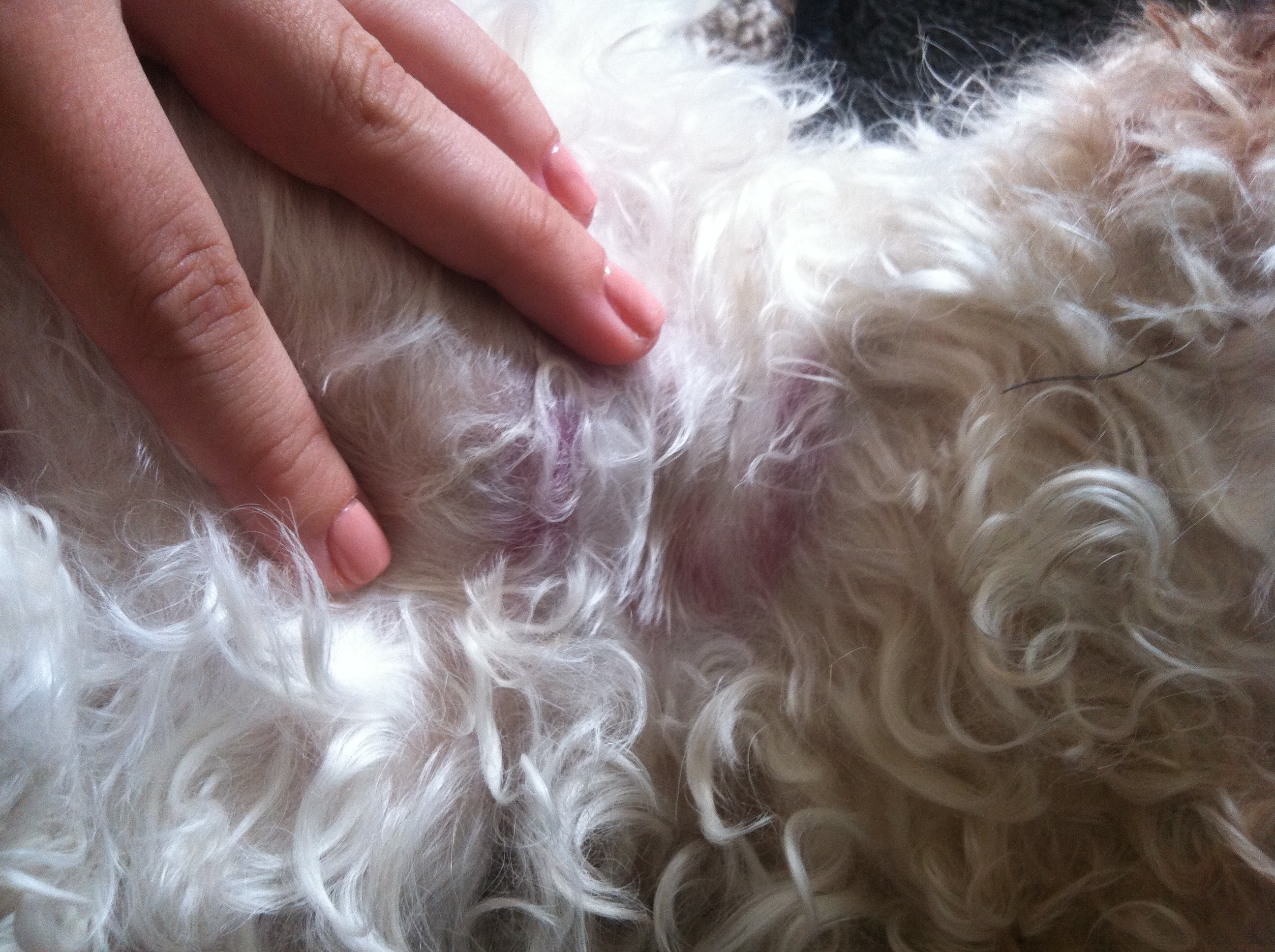
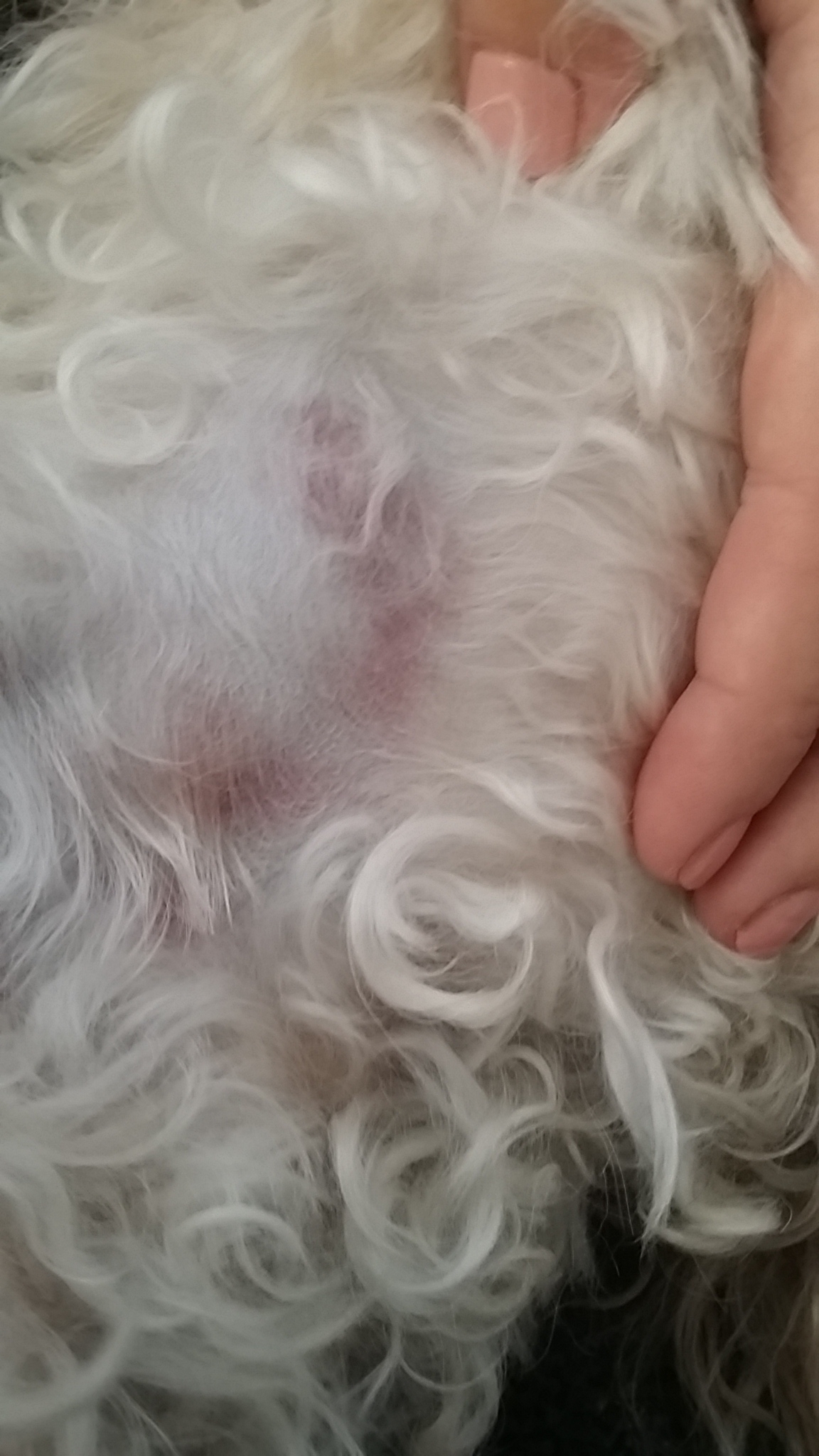
This is most likely immune mediated thrombocytopenia, as you mention. Out of all the various blood conditions, this one can be the one that bothers me the most. It is important to control the low platelets quickly.
Dr. Dodds has a specific protocol that addresses this exact condition and how to improve the platelet levels. Please go to this page:
https://www.secondchanceaihadogs.com/hemopetresources/
Click on this item:
IMMUNE-MEDIATED HEMATOLOGIC DISEASE and BONE MARROW FAILURE
This will open this pdf. From here you can print and save. The important information for treatment is under these two paragraphs:
7) In poorly responsive immune thrombocytopenias (ITP), an initial dose of vincristine (Oncovin, 0.01mg/lb IV) may be helpful to release remaining platelet stores, and danazol (Danacrine, 2.5-5 mg/lb BID initially and then tapered to SID) has been effective along with steroids and thyroid for long-term maintenance.
8) The most severe cases with autoagglutinating red cells or profound thrombocytopenia may recover completely with the aggressive therapeutic approach outlined above, although a subset of these dogs convert to having a chronic low-grade non-responsive anemia over the long-term.
However it is important to read the full page to understand the complete protocol.
If you have any questions, please ask.
my best, patrice
Anna,
Go to this page
https://www.secondchanceaihadogs.com/vaccine-resources/
Click on the 2nd picture that says 2016 Dr. Dodds Vaccination Protocol For Dogs. This will take you to a webpage that outlines the exact details you are confused about. Print this and always carry it with you. Show it to your vet and advise that this is how you want to vaccinate Sparty.
Thereafter, follow her instructions at the bottom of that page that advise to titer every 3 years. This is a simple blood test that determines if a dog shows a titer result to the vaccines you gave him when he was first vaccinated. I have not vaccinated any of my dogs beyond what she has recommended and I occasionally do titers on all three. Dr. Dodds is also available for an owner consult and you can find that link on the Hemopet Resources page.
Dr. Dodds has this test available at Hemopet.org. On this is page is a link to the Hemopet Test Request Form, just click on the picture of the Hemopet Test Request Form.
https://www.secondchanceaihadogs.com/hemopetresources/
You will select at least one or two tests, depending on what you want. The Rabies titer result is generally not accepted in lieu of the actual vaccine and this is governed by laws in your state and county, so you can’t prove much with the results of this test. The Distemper and Parvo are the important titer tests.
Distemper & Parvo Vaccine Titers
Rabies Titer RFFIT (Not for travel)
Extra vaccines are usually not recommended for dogs that have had autoimmune conditions. You can read more about them by going to this page:
https://www.secondchanceaihadogs.com/vaccine-resources/
Click on Canine Non-Core Vaccines.
I can’t say it any better than Dr. Dodds. If you follow all her information you will be providing the safest and most responsible vaccine protocol you can for a dog that has a propensity to developing autoimmune conditions.
my best patrice
Anna,
Congratulations on your new baby. You are very wise to think ahead about protecting him from diseases that are preventable and trying to determine what is the best approach to using vaccines to do this. Looking into appropriate diets that can keep him healthy is also a great way to start.
We have many resources available on our website for you to read that will help you make these decisions if you look up above at the menu you’ll see Second Chance Resources. I suggest you start reading the vaccine resource page. In fact if you look at the top of this Forum page you will see that there are two posts in light green that that have information about Dr. Dodds 2016 minimal vaccine schedule. This information plus much more is also on the vaccine page under resources. Most owners here now use this minimal vaccine schedule, I suggest you print it and carry it with you to the vet. Starting immediately you should give him his first series of shots as Dr Dodds recommends. Keep him away from all dogs and don’t walk in places where dogs do until you have protected him. This is considered responsible vaccine protection. Do not vary from this schedule unless your vet can explain exactly why an extra vaccine like Lyme or leptospirosis is critical in your area.
The nutrition resource page, especially the link to the Dog Aware website, will help you decide how best to feed your puppy for great start to life and then how to modify that as he becomes an adult. Many owners who have come to our site eventually go on to feed a homemade diet. Some of us feed a raw diet. On the Dogaware site you can find diets of all kinds from raw to home cooked to supplementing kibble.
On the Parasite Resource page you can find information about how to protect your dog from heartworm and ticks. There is information about heartworm and tick protection using effective products. It is also important to consider lifestyle choices when you want to protect your dog from parasites. You should expect if you go into wooded areas or fields that you will encounter ticks. Right now as a puppy he is not protected from much of anything. He will not be protected from rabies until he has his first shot around 4 months. That requirement varies depending on your state and local requirements. As Dr Dodds notes, rabies is legally required in many places and you must abide by those laws.
I am positive that Vally will have more advice for you. She is very smart about dog diets.
Ask more questions about this!
My best Patrice
Kristina,
I am heartbroken to hear this. If I had a nickel for every dog that had a tick disease and the vet said “we don’t test for tick disease, it isn’t common,” I’d be rich.
Anaplasmosis is pretty serious. I want you to read some about it. My friend Gil has been collecting information for her website for many years. We both know each other from being on Tick-L, an email list for owners with dogs that may have tick disease. It’s been in existence for many years. I been on it and studying tick diseases in dogs for 10 years now. Gil has pulled the best of the best from our discussions. The list owner is a scientist and there is a consulting vet who contributes as well. Please read all the information about anaplasmosis and treatment. I will return to answer any questions you have.
https://sites.google.com/site/tickbornediseaseindogs/
https://sites.google.com/site/tickbornediseaseindogs/in-a-nutshell
(Tick disease in a nutshell)
https://sites.google.com/site/tickbornediseaseindogs/ehrlichiosis
(Anaplasmosis is discussed on this page.)
https://sites.google.com/site/tickbornediseaseindogs/treatment
Please remember that we are all hear to talk with you. I know so many things about tick disease it would make your head swim. Let’s solve this problem together.
my best
patrice
Kristina,
It is possible for tick diseases to become chronic and worsen over time as they spread throughout the body. Any responsible vet clinic should anticipate and test for tick diseases in any dog presenting like this. I don’t know why some vets fail to do this. The test is simple, SNAP4DX+. It requires a tiny blood sample, is spun and put into a machine in the vets clinic. It takes 8 min and immediately returns a yes or no for 4 tick diseases and heartworm. If there is a positive, for tick diseases the treatment is Doxycycline. If heart worm, there is a different treatment. There is one other tick disease called Babesiosis that she may have been exposed to. This is not on this test. Blood must be examined under a microscope to see it. This tick disease is mostly fought by the spleen and thus it can be quite enlarged. The treatment is less straight forward. Both of these tests are relatively inexpensive and would provide one more element to either rule out these causes or treat these diseases.
I want to briefly talk about the spleen. Bella is an older Beagle and it is quite possible that along with the enlarged spleen there may be growths, either benign or malignant, growing in the spleen. These growths can bleed a little, heal for a while and then bleed again. This would cause a cycle of fine PCV to a drop in the PCV.
Have another conversation with your vet. While I am cognizant of some benefits of holistic treatments, this is not one of those occasions where I myself would rely on. If you can’t get cooperation find another vet and get a second opinion.
I will respond with more later. My best Patrice
Mark,
Also take a look at Dr. Dodds protocol for IMHA. It is on this page, the second row down:
https://www.secondchanceaihadogs.com/hemopetresources/
IMMUNE-MEDIATED HEMATOLOGIC DISEASE and BONE MARROW FAILURE
Click on the picture and it will open the pdf in a window. Expand the window to save or print the file.
This is exactly the protocol I used with Chance in 2007 that save his life. Many dogs since then have been saved by this protocol.
my best, patrice
Mark,
I am so sorry to read about Jackson. This is a very scary time for you and your family. We are glad that you are here. We believe there is always hope for recovery. Many dogs on our forum have recovered from these conditions.
Anemia is defined by a decrease in available oxygen to body cells and is related to a lower than the normal number of red blood cells to carry oxygen to the cells. A PCV / HCT of 18% is considered severe to moderate anemia. We have seen dogs with very low PCV do ok with a low value like 18% while other dogs are bothered when they are in the high 20’s or even low 30’s. Chance, my Giant, was doing very poorly at 18% and that is when we gave him a transfusion. Sometimes a dog will need more than one transfusion while the vet waits for the immunosuppressive drugs to begin working.
A hyperbaric chamber helps provide more oxygen into the body and relieves some of the stress symptoms related to poor oxygen supply such as rapid heart rate, heavy breathing, weakness etc. We have had a few owners on our forum use this treatment successfully and one industrious owner actually set up an oxygen tent at home.
The critical part of the treatment for AIHA is the use of serious drugs to slow down and then suppress the autoimmune attack by the body on the red blood cells in circulation. Prednisone (and or dexamethasone) is always used in the early days. This begins to suppress the immune system quickly. Prednisone can be a life saver but used long term will have undesirable side effects so other drugs are added that can also suppress the immune system so that the prednisone can be reduced.
Supplements are given to protect the body from the side effects of the prednisone. Side effects begin to show up such as a huge appetite, peeing and drinking all the time, muscle loss, weakness, hair loss especially in Giants and other dogs with hair. Some dogs get skin problems like infections, other dogs may develop serious stomach ulcers when prednisone is combined with strong stomach acid. Some dogs develop a bout of pancreatitis. The side effects can be variable.
We feel that the early diagnostics should be extensive to determine if there are treatable causes for the AIHA. The list is extensive but some important early rule outs would be tick disease, infections, viruses (such as dog flu). Go to this page and read the first article on the page.
https://www.secondchanceaihadogs.com/canine-disease-resources/
Click on this picture:
The Canine Immune System and Disease Resistance by Dr. Jean Dodds
This opens a pdf which you can enlarge and save or print as you wish.
The important statement in her paper is this:
“The four main causative factors of autoimmune disease have been stated to be: genetic predisposition; hormonal influences, especially of sex hormones; infections, especially of viruses; and stress.”
Scroll to the bottom and you will see an extensive list of conditions that can trigger IMHA AIHA and bone marrow failure. A vet should be considering the more likely of these triggers and ruling them out one at a time. For instance tick diseases can be treated with doxycycline. Older dogs should be checked for things like tumors that can be driving AIHA. A young puppy should have their stomach xrayed looking for swallowed coins that can lead to a certain type of anemia . Their blood can be checked to see if they have been exposed to the older forms of rat poison.
Please go to this page and upload the most recent copies of your CBC and chem screen. I can look over them and help you understand what the values mean.
https://www.secondchanceaihadogs.com/urgent-advice/
If you have time please read some of Our Stories, such as Vally’s story:
https://www.secondchanceaihadogs.com/our-stories/bingo/
What are your most critical questions right now?
my best
patrice