- Second Chance AIHA ›
- Forums ›
- AIHA Dog ›
- Tramadol
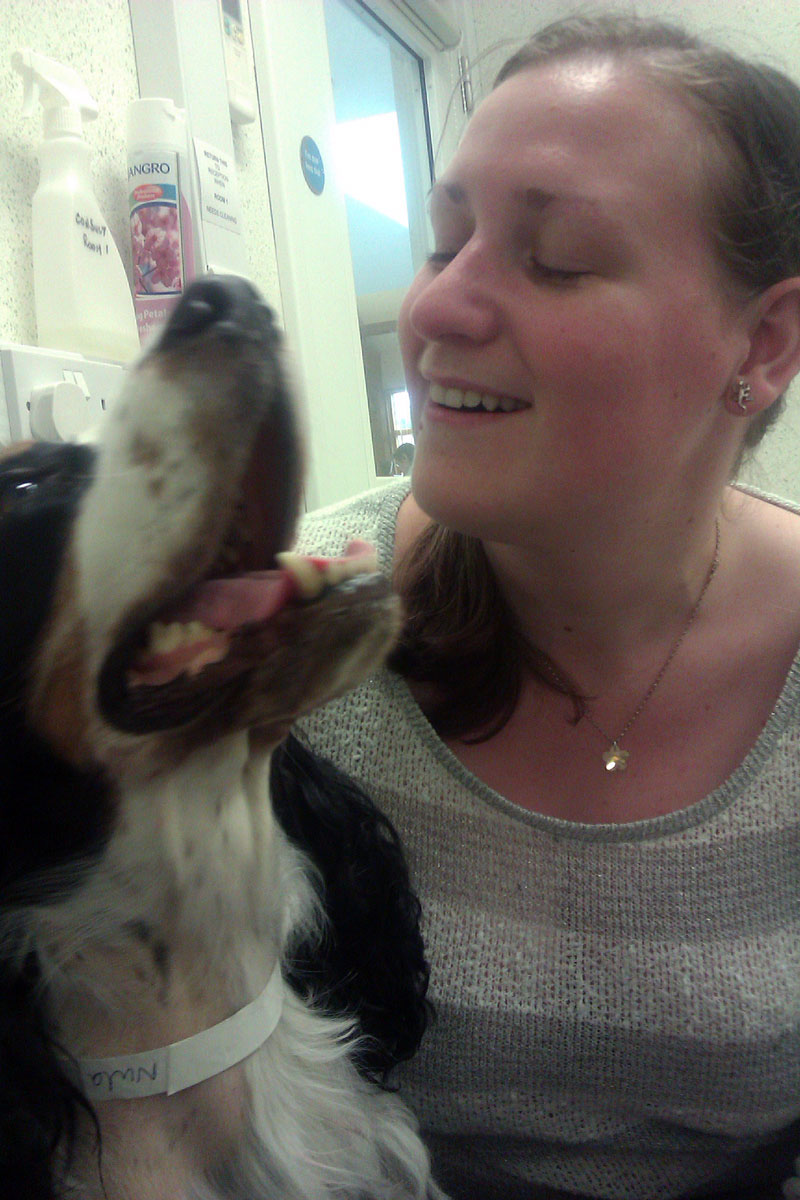
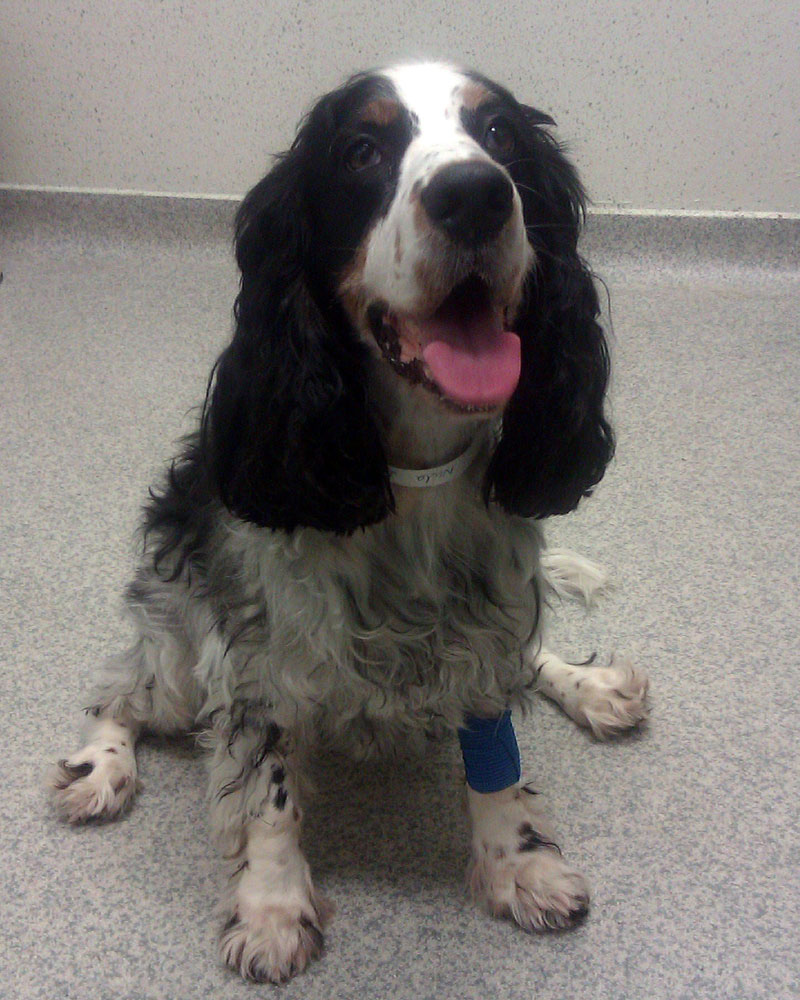
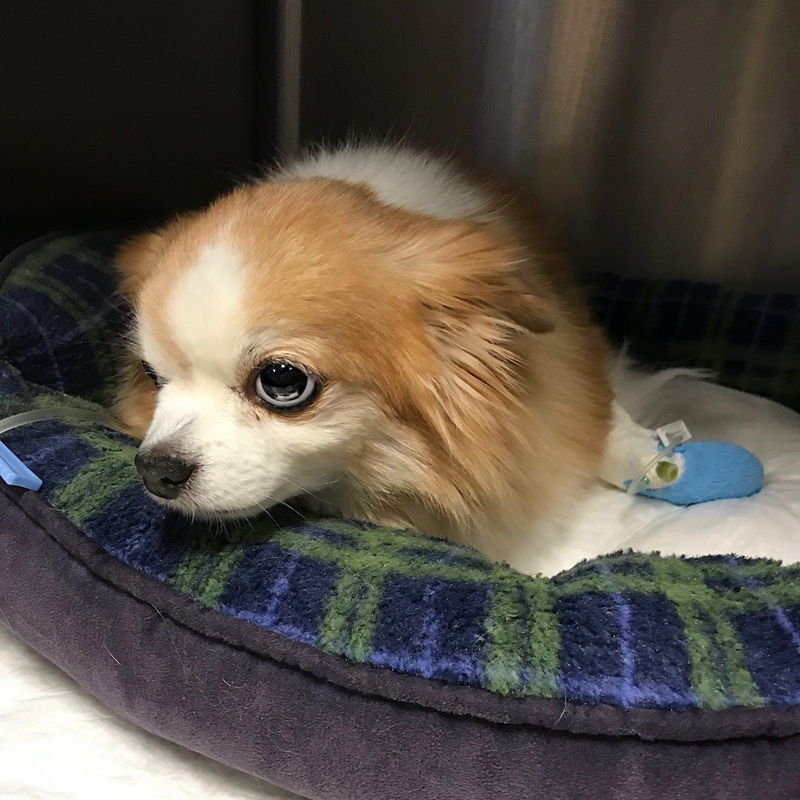
At pet dentist with Sadie. Seven teeth extracted. Is it safe for our AIHA dogs to have Tramadol? They want to add this to Gabapentin…..to send home.
Linda.
So sorry to hear about so many extractions. This is not an easy thing for dogs to handle. She is going to be very sore when she wakes up.
Tramadol is an opiate derivative for pain relief. It is pretty potent and can have side effects related to sedation. These can include drowsiness, shallow breathing, weakness, fainting, or even coma. So in an older dog I would be cautious to use the lesser recommended dose for as short a period of time as possible. Some dogs that have problems specifically with this drug may have an increased risk of seizures. But I don’t see a risk of allergic reaction which could influence the IMHA history. You don’t want her to suffer but after a few days you might be able to switch to something like Metacam, my favorite.
Gabapentin is an “enhancing” pain reliever. It “adds” to the other pain reliever by turning down the perception of pain. It is not a veterinary drug but it has been used more recently as an “off label” human drug. So this would probably pair well with Metacam, something you should ask about.
These are choices your clinic has chosen as their standard follow up treatments. But that doesn’t mean they will work well in all dogs, especially older dogs. Some dogs can have allergic reactions to certain drugs. Pay attention. Look for too much sedation, slow breathing, stumbling. If it doesn’t seem right, call the vets.
In terms of IMHA, an allergic reaction to a drug could possibly put the immune system on over alert again. This is a good question for the vet. They may also have a tech who is the “go to” person on drugs who can talk with you about your concerns.
Have they talked about antibiotics? This kind of dental surgery can release bacteria into the blood. Something else to ask about. Bacteria in the blood does alert the immune system.
Let us know how this goes.
my best, patrice
Thanks, Patrice. Thus disease and the needed meds takes a toll on their entire bodies.
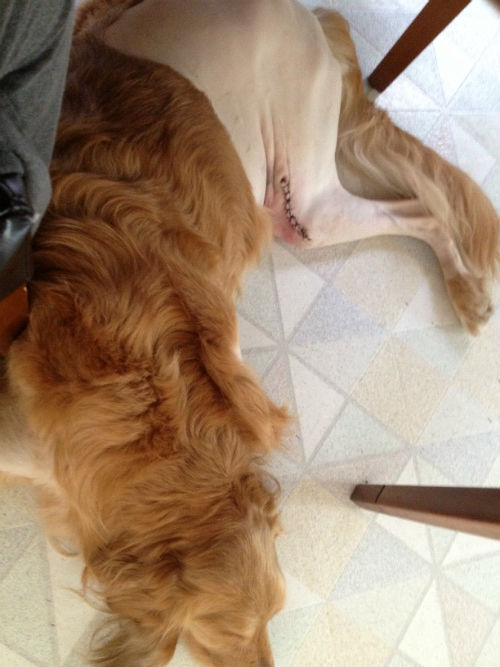
She actually had 11 teeth extracted, as well as some bone removal. Apparently, Dr. Peak wants her in the Tramadol for the bone part, the pain.
He said to give her 25mg’s if the Tramadol every 8-12 hours, 3-5 days, combined with the Gabapetin, after 8PM today. But I can ask about the Metacam. As you saw, Dr. Dodd’s (bless her) wrote saying she thought the Tramadol would be okay.
She actually stood and teeteed before we left the vet dentist’s office. They had given her IV fluids.
Keeping her quiet, staying right next to her. They said she may shake a bit and breath a bit hard, both of which she is doing, off and on. Watching her like a hawk.
As always, you are awesome. Thank you so much. Hope you’re doing okay. I know you’re still healing from your loss. Thinking of you. 💗
Oh, and I opted to stay with the doxycycline for antibiotic. He understood. Will start that today too, a bit later. She was on a maintenance dose of doxy, daily, because of the continued UTI’s. But I took her off completely many months ago. I will start her back on it though, to get through this. You’re right, bacteria is such a culprit, especially to our AIHA pups. Better safe.
Linda,
I hope this works. Doxycycline is a different kind of antibiotic. Like other tetracycline antibiotics, it is bacteriostatic, preventing bacteria from reproducing through the inhibition of protein synthesis. But doesn’t kill them directly.
But doxy can also behave as a bactericidal that inhibits cell wall synthesis, thus killing them. But the dose required to do this is different, it must be higher.
We found this was true on the tick list I was on. Many vets were prescribing a lower dose to treat tick diseases and it was leading to dogs relapsing after treatment. This would be due to the bacteriostatic behavior.
But when the dose was increased, nearly doubled, the doxy was effective at killing the tick diseases. So that is when we began recommending a higher dose of doxy for tick disease.
So in general when an infection is suspected a test is done to determine if the infections are caused by Gram-negative bacteria or Gram-positive bacteria. Some Gram-positive bacteria have developed resistance to doxy. So not all bacteria respond to this drug.
If you feel that she isn’t improving the vet may need to determine the bacterial infection she has and then prescribe another antibiotic. Let me know how this goes.
my best patrice