- Second Chance AIHA ›
- Forums ›
- AIHA Dog ›
- My German Shepherd just diagnosed with AIHA, help!
We had our 10 year old German Shepherd boarded at our local Animal Hospital for about a week, and when we picked him up, he was very weak, and struggling to walk. He was completely healthy when we dropped him off, but now he is very sick. His pee is reddish in color. The vet diagnosed him with AIHA. He is taking Prednisone daily (20mg three times daily) plus Azathioprine (50mg 1.5 times daily).
The vet did not test for PCV, but his bloodwork from today shows this:
RBC: 2.58
HCT: 21.9%
WBC: 64.25
RETIC: 13.2%
(there are lots of other numbers on the report as well)
He is not eating. He has had several accidents in the house, and this morning, when I tried to encourage him to eat (perhaps I was over zealous), he threw up the food I gave him. We’ve had Kiki since his birth. We lost his mother a couple years ago, and now it seems we may loose Kiki as well. It’s just so hard to understand how we can drop him off at the animal hospital running around, eating, and healthy; and when we picked him up a week or so later, he is near deaths door.
The vet said that the trigger could have been the Dhlpp booster that was given to him on his first day of boarding. He has lost 7 pounds in the last week.
If anyone can help me save my dog Kiki, I would be so appreciative!
-Desiree
Hi Desiree
I’m so sorry you’re going through this and I know how devastated you must be.
Yes, I’m certain the vaccine (which is a combination of a whole heap of them) has most likely been the trigger. But we always do what we think is best for our dogs because we love them, so please don’t feel this is something that you have done wrong.
Kiki should never have another vaccination again – I’m sure he’ll be pleased about that.
First of all, is Kiki on anything else now? You’ve mentioned Prednisone and Azathioprine. Any tummy protection? The Prednsione and the Aza are both very harsh on the stomach and that could be why Kiki is not eating. Is he drinking? Usually once the prednisone kicks in, they drink heaps and heaps, and that is why you are dealing with some accidents now. DON’T take the water away though.
Kiki, with the drugs will look bad for a while – there’s no escaping that. The prednisone in particular does a number on them, but it’s a life saver. You can read about it here:
https://www.secondchanceaihadogs.com/AIHA_Terms/prednisone/
The red peeing is likely the red cells which have been destroyed being wee’d out. Keep an eye on that.
Do you have a copy of the blood tests? If you attach them to the urgent advice, Patrice will have a look at them for you and she can explain what’s happening. I’m not good at that, but I’ll have a look too. The urgent advice will email them out to us.
Dr Jean Dodds, who is an expert in this disease, and our angel, has a protocol in treating this disease. One of the things she recommends is using thyroid medication, even if a dog isn’t hypothyroid. At 10 years, it also possible Kiki is hypothyroid, and you could ask your vet to check this – BUT Kiki, whether hypothyroid or not, should be started on thyroxine. It helps the bone marrow to make red blood cells.
Also in the blood test, has a blood smear been done? That’s where they physically put a drop of blood under a microscope and have a look at it. If the cells are breaking apart, then there is a risk of clotting – and blood clots are really the biggest danger with this disease. Aspirin should be started.
Desiree, please ask anything, we’d all love to help as much as we can and get Kiki feeling better again real soon.
Vally
Wow, Valley, thank you so much for your detailed reply. So much appreciated! Knowing that I have this resource is really comforting.
Prednisone and Aza are the only two drugs that he is on. You mentioned aspirin to help fight against blood clots. How much aspirin should I be giving Kiki? He weighs ~70 pounds. And what type and how much stomach protection should I be giving him? We have not done a blood smear yet.
Kiki is drinking water, but not as much as he was a couple days ago, when we started the treatment. The first day he drank what seemed like gallons. Now it’s much less. Also, right now he is only eating a few “beef treats” every few hours. He’s not interested in his dog food at all, which is used to really enjoy.
Today he started to have diarrhea. It is also red like his pee. Could that be from the Aza? Is that a concern, or something normal when a dog first starts this treatment?
Thank you so much once again for this site, for the information, and for the help during this painful experience. You all are awesome!
Vally,
I have uploaded the blood report. Thank you to all of you for any insight into what it all means. (and I’m so sorry I misspelled your name in my last post!!)
Got the blood test report. I’ll email Patrice to make sure she sees it.
One thing the retics are high – which is good, It means that Kiki is making lots of new red bloodcells to replace the ones that have been destroyed by his system. The white cells are also high – however, machines often misread them, especially when there are lots of baby red cells. That’s why the smear is good to have done. It also shows if the cells are looking normal or damaged (whether or not aspirin is needed).
The stomach protection, I think is really necessary from what you’re saying. The best is Sucralfate, but that’s on prescription. You would need to get that from the vet or get a prescription from the vet. That also needs to be given about 2 hours away from all meds, otherwise it stops them being absorbed.
Can you ring your vet and say that you think Kiki is having tummy issues and can you recommend a stomach protection against the drugs. Some dogs use Pepcid, but I just checked the glossary (AIHA Terms) and that says to check with vet before using with Azathioprine.
I’m not sure what you’re relationship is like with the vet. Sometimes, it’s easier than others to suggest things to them.
Most important though, right now, is to check about aspirin and tummy protection.
Vally
PS Nah, don’t worry about the name – client’s that ring me at work call me Sally – never understood it was Vally and not Sally – I don’t bother correcting them.
xxx
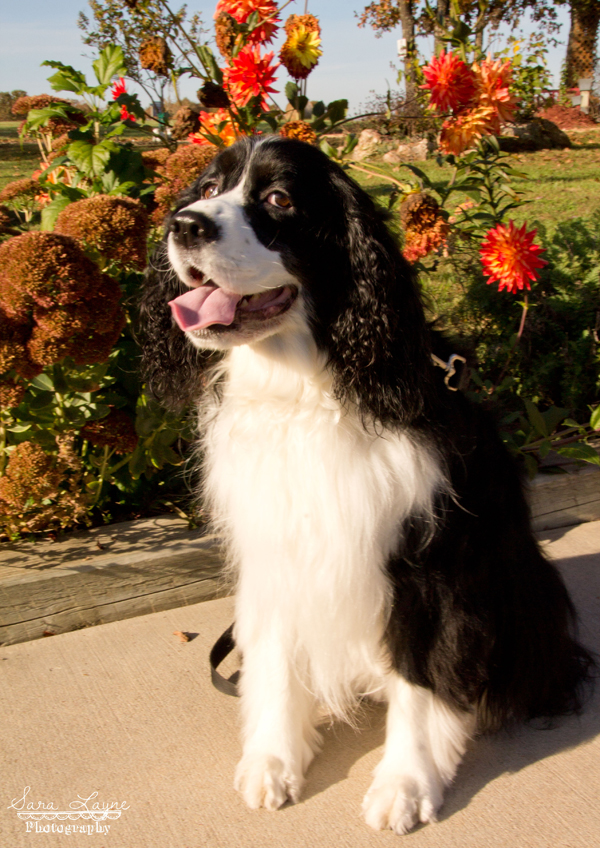
Hi Desiree, I’m Sara and I have Flossie an English Springer with AIHA. Vally and Patrice can give you a heap of info. and help these 2 are our the angels that helped us out. Also Dr. Dodds is a great way to get help and have her work with your own vet.
First off .. we all know where you are at emotionally having walked this road or should I say disease with our own dogs. It’s an emotional roller coaster.
One thing I would add is regarding feeding. With AIHA which is a severe anemia not being hungry is normal in the since that when you are anemic to the degree these dogs are there hunger level subsides. Although you do want them to eat . The beef treats may not be easy on Kiki’s tummy ,.. we ended up giving Flossie Chicken and Rice. I bought canned chicken in bulk from Costco where I live .. they also carry it at wal-mart/ Sams Club/ local grocery store etc .. ( I’m in the U.S.) It ended up getting Flossie to eat and she was able to hold it down. Now if you do get in touch with Dr. Dodds she may prescribe a different diet .. but if you don’t this is what we did for almost 4 months straight. The medicines can be hard on their stomachs even with protection a diet thats easy to digest would be the best way to go.
Also I’m sure Vally and Patrice are helping you but right now I would think your vet would want to be doing blood tests every few days or that’s how it worked for us .. to keep track of the PCV and Hematacrete percentages so if your dogs blood level should drop more for any reason and it would need a blood transfusion. My Flossie ended up with 4 transfusions. And they would be watching the reticulocytes to see if KiKi is making new RBC’s (red blood cells) .
Please know there is hope.. My girl has made it so far and she is 9 months out from diagnosis and just off her last medication and so far doing well.
Sara and Flossie
Hi Sarah, I am so sorry you are going though these difficulties. We also had the same diagnosis with daisy in the last few weeks.
In the beginning I was able to get daisy to eat a little. I boiled chicken breast and cook rice. I blended it with a canned pumpkin purée and blended in a blender.
Slowly daisy started eating dog food and is now on all dog food. I still give her a little bit of pumpkin twice. This was the advice of my sister- she is part of s blue heeler rescue group. It has worked for daisy.
I am hoping the best for Kiki. I would love to see pictures some time.
Carrie