- Second Chance AIHA ›
- Forums ›
- AIHA Dog ›
- Liver concern and pigmentation
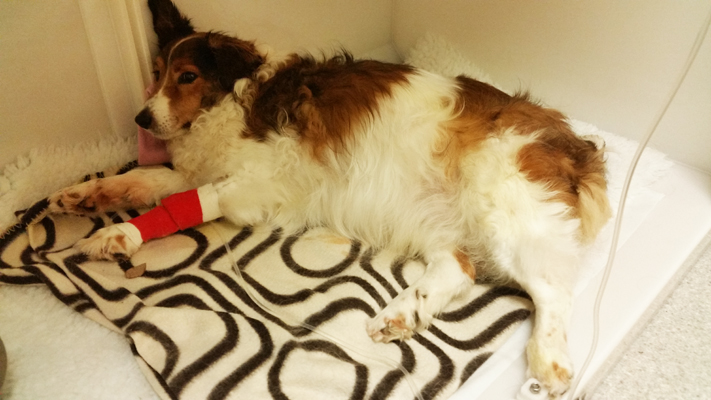
Hi, it’s been some months since I posted. We almost lost daisy back in January- she responded well to steroids and had been doing great.
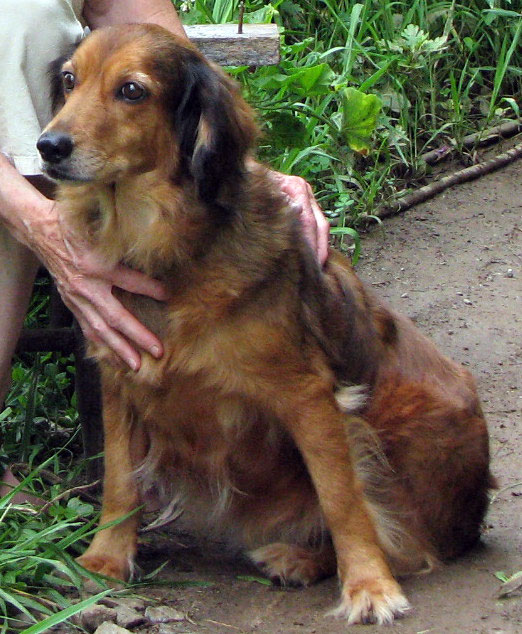
I have been concerned about her sudden weight gain- I thought possible thyroid problems- but her bloodwork we did last week did not show thyroid issues.
Her liver bloodwork came back and was low. Is this because of all the steroids she was on in January and February? She has no symptoms of liver problems. But wondering if this might be long term effects from steroids.
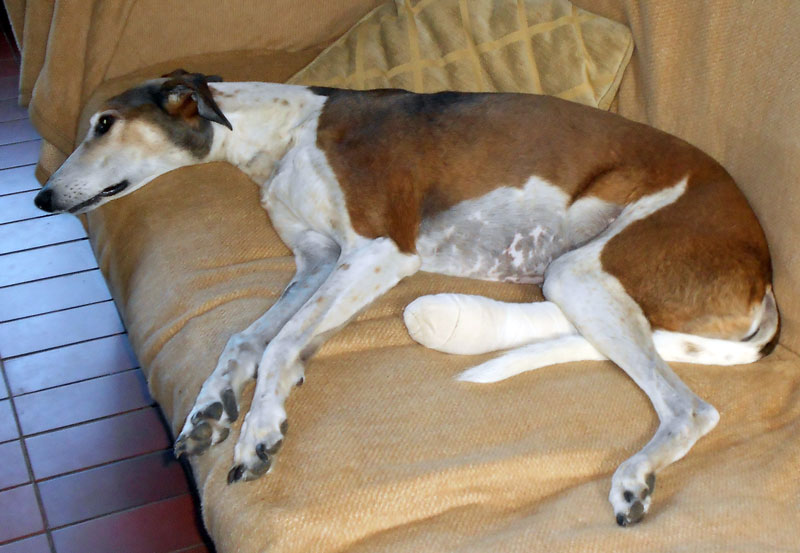
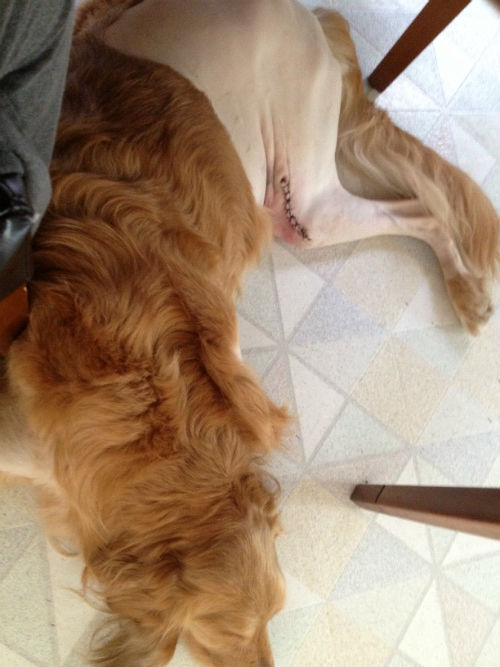
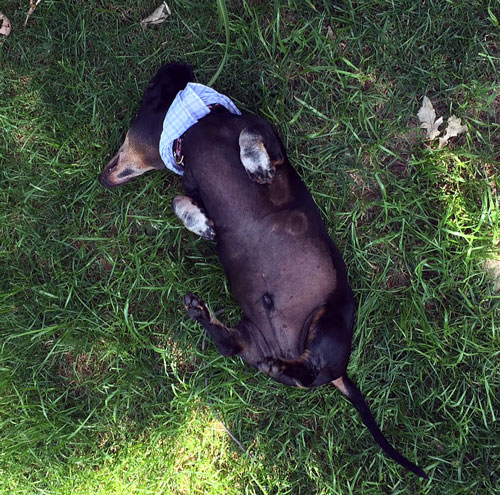
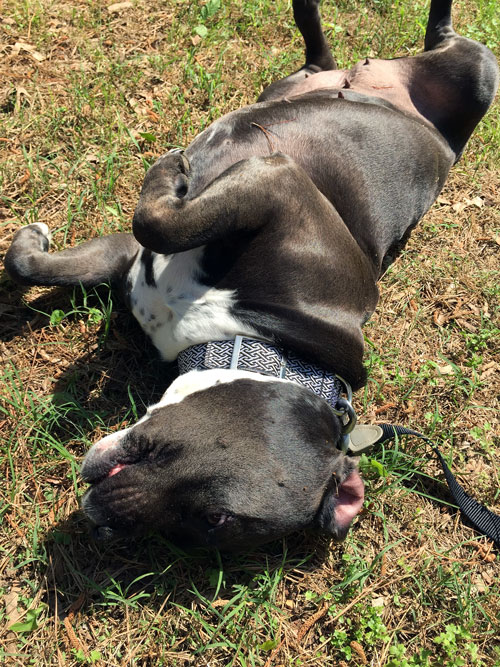
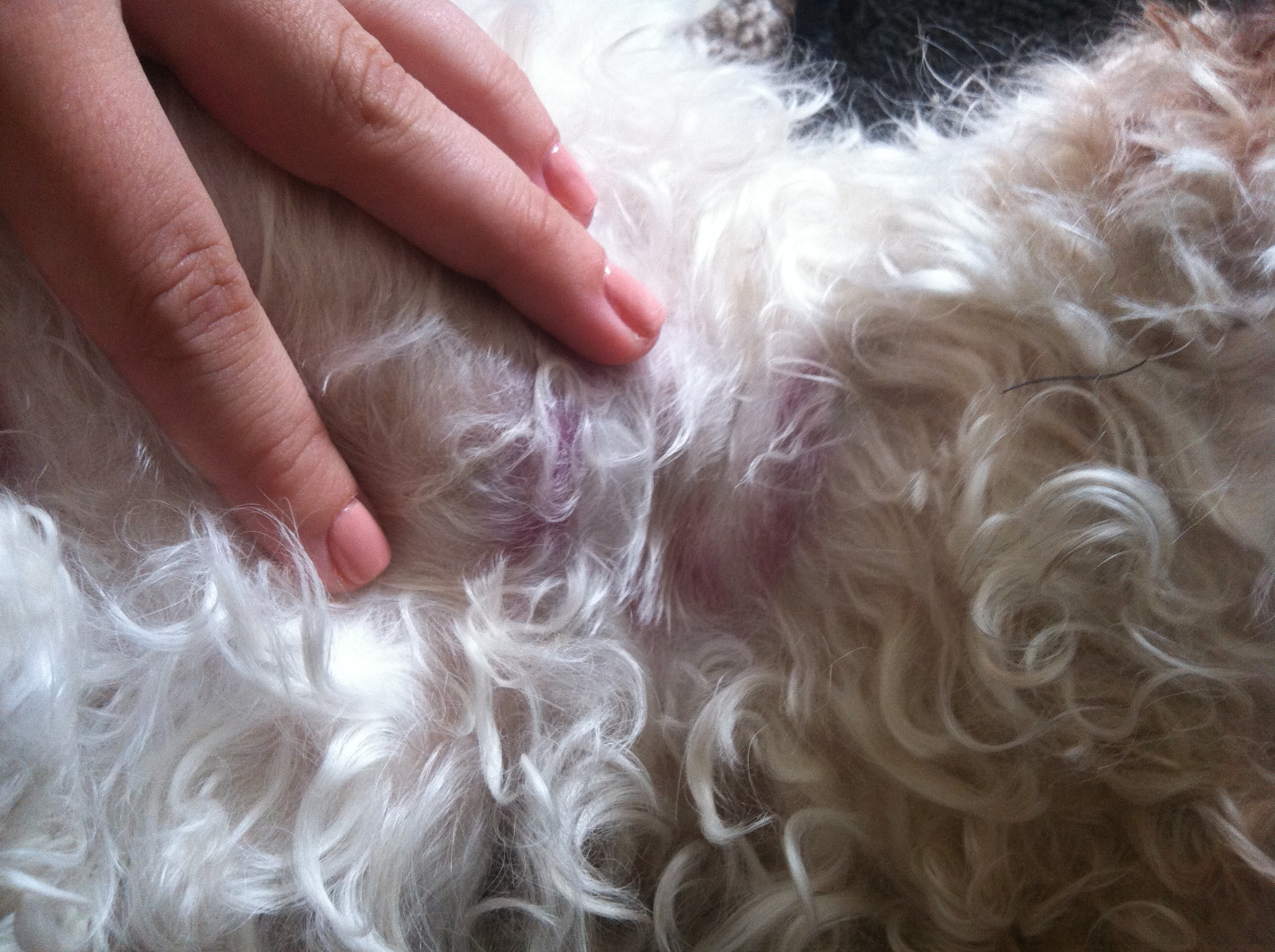
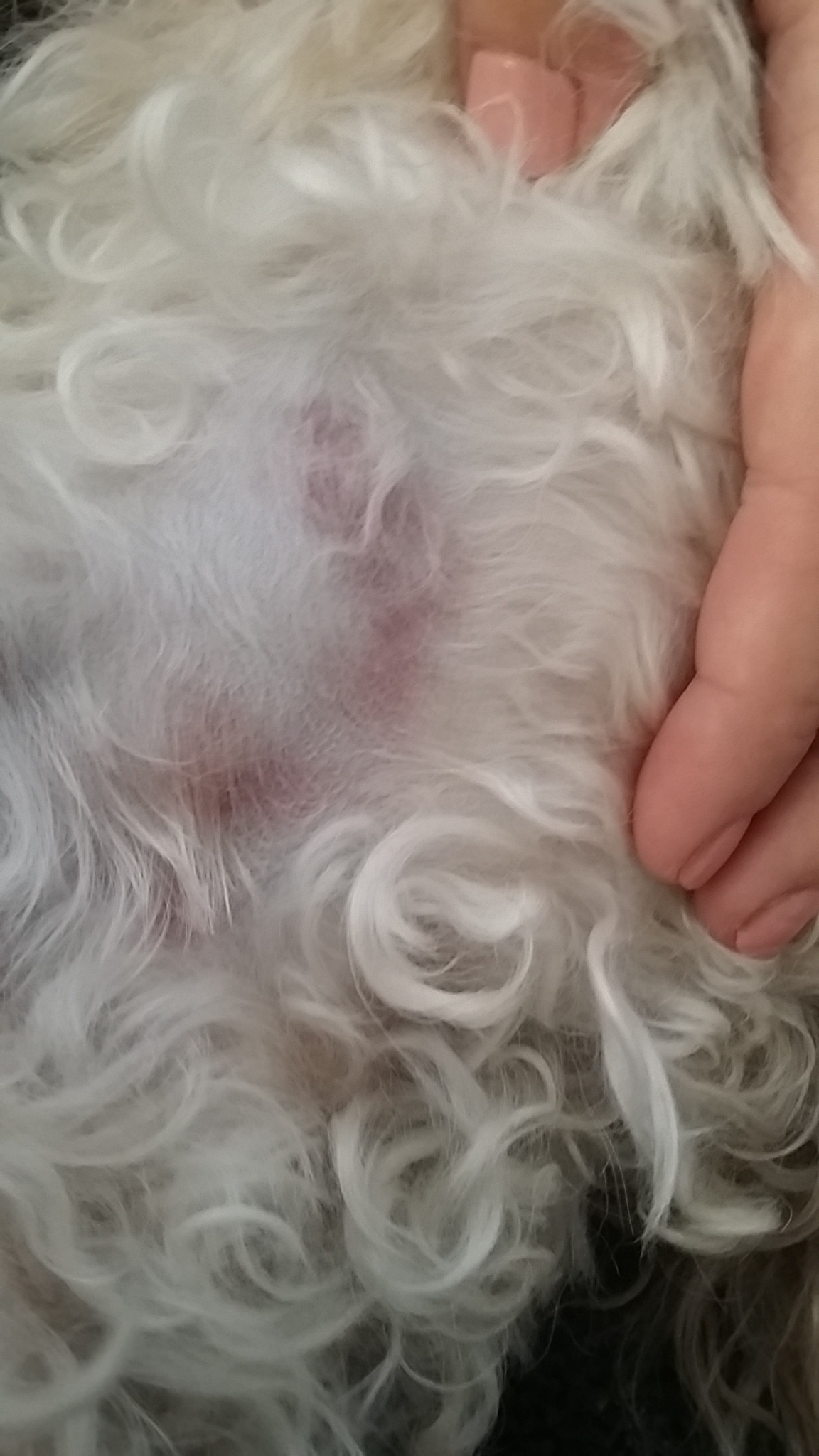
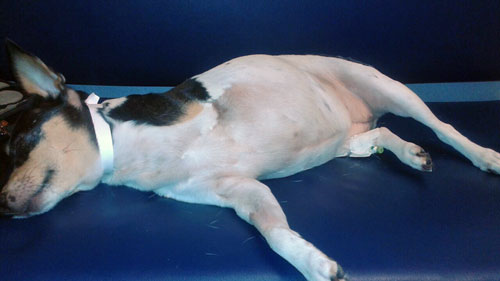
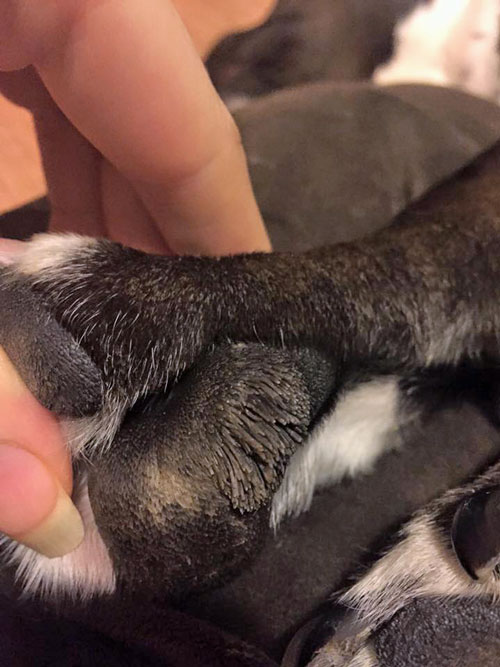
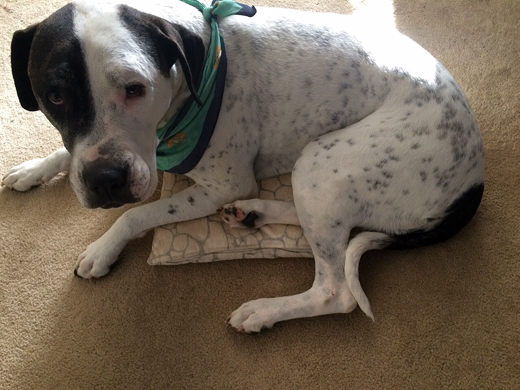
Only other symptom- her belly skin has turned black. Patrice, you spoke about red patches on the belly when on steroids so I kept a watch. The pictures you sent me does not resemble Daisy’s. This is a gradual change in her belly color-
Thanks carrie
Carrie,
I am so glad to hear that Daisy is doing much better!
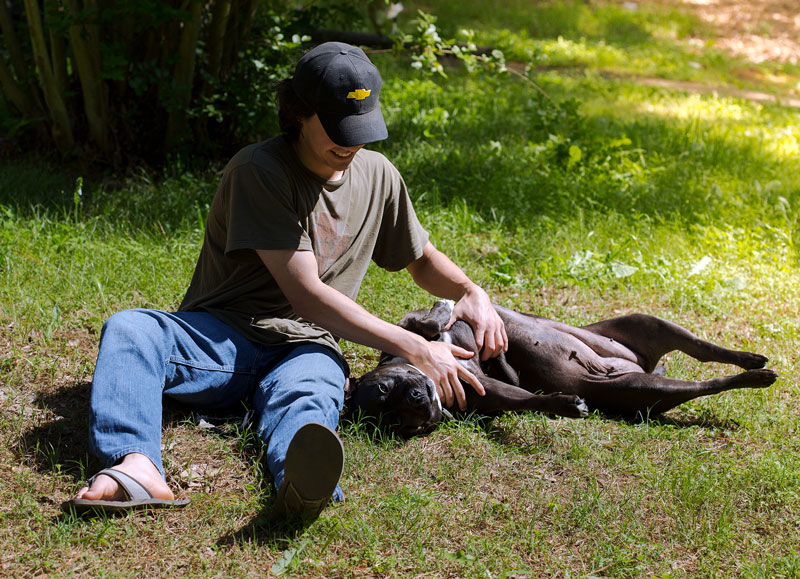
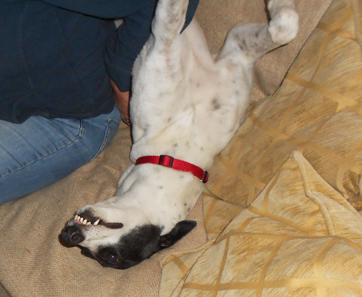
First, the blackish spots on the skin are side effects of the drugs and are not in any way harmful. I was giving my old girl a haircut Sunday and put her on her side so I could clipper her belly. I noticed she is developing these black patches on her skin, a sign of her great age.
As I have said many times, we go into these diseases with one dog and we come out the other side with a slightly different dog, a little more fragile considering all the treatments we had to throw at them to help them get better.
Now, as to the liver values. I would like to see the chem screen to confirm, but if you are talking about the liver values that were very high before because she was on prednisone, it would be a very good thing if they were lower.
These enzymes are markers found in the blood that are byproducts of the biochemical process in the liver of metabolizing prednisone (and some other drugs) into a usable form for the body. These byproducts indicate that liver cells were destroyed in this process. These enzymes should be normal and can even be low normal. The liver is self regenerative and recovers from many kinds of insults.
When you say rapid weight gain, describe this in more detail. Are you seeing a “dumpy looking dog” or are you talking about actually weighing her and seeing, say 5 lbs, in weight gain? So with the first, dogs that have been on prednisone lose significant muscle tone and their bodies sag, the belly looks pendulous and thus they look “dumpy.”
On the other hand increasing weight rapidly, say 5 lbs over a month, leads to me think about rapid growths internally or considerable excess fluid. So we would definitely want the vet to rule out tumor growths.
When I first took Chance in to the vets before he was diagnosed, one of the things I noticed was that his abdomen looked “dumpy” to me and asked her to feel his abdomen. This black cloud went over her face. She asked me if I would like to do an xray. I knew something was up because the original complaint had been for frequent diarrhea. In fact, there was a large growth on his spleen.
We had an ultrasound done and the specialist advised that we have a splenectomy done immediately to remove the spleen and this large growth. My own vet performed the surgery and allowed me to watch. They removed a 7lb growth plus his spleen. It was amazing in the following weeks to see how trim he looked! His waistline had returned. So my large dog was able to hide a 7lb growth in his belly and of course he weighed 7lb (plus the weight of the spleen) LESS after the surgery. So internal growths can increase their size rapidly, especially those on the spleen. It would be important to know this asap because these splenic growths can be fragile and rupture suddenly. You would not want Daisy to go through this frightening and deadly condition.
Another factor can be rapid water retention that can increase the appearance of excess weight. What kinds of conditions can lead to this? Well, in older dogs and especially dogs that have had severe anemia, they can develop heart disease like a weak mitral valve. This can lead to congestive heart failure. A symptom of this disease is the inability to remove all the excess fluid from blood in the lungs and this fluid seeps into local tissues around the lungs and heart instead of heading back to the kidneys to be removed as wastes.
Another way that fluid can increase in the body abnormally is if the liver is unable to produce enough of a certain protein called albumin that helps keeps fluid from leaking out of blood vessels. If that value is low, fluid seeps into tissues, especially around the abdomen, So there can be fluid weight gain with this condition.
So ask the vet to check for these things. I don’t have any of your past CBCs or chem screens to look at so I don’t know exactly what is happening. If you could upload the most recent on the Urgent Advice page I will look at them.
An important question to ask yourself is how is she behaving, does she seem to feel good? Perhaps she is eating more because she feels better, but that might only be a few pounds. If you notice she doesn’t seem right, then you must trust yourself to know that she is different. Dogs that are relatively healthy and active do not suddenly increase or decrease weight rapidly or in large values. Be suspicious of this and make sure the vet does some tests and evaluates her.
my best
patrice