- Second Chance AIHA ›
- Forums ›
- AIHA Dog ›
- Leah diagnosed Sep 2016 with IMHA, now considering spleen removal
Hello –
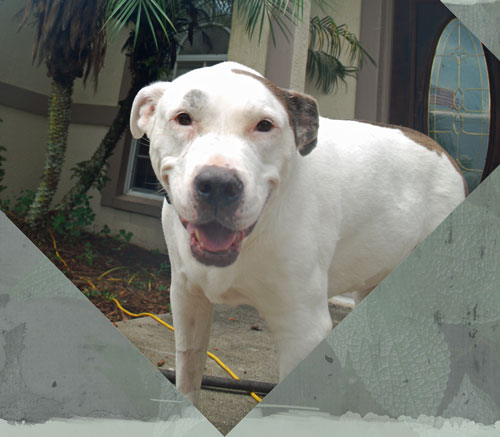
Our sweet dog, Leah, was diagnosed in September 2016 with IMHA. We had all sorts of test done; testing for Erlichia, tick titters, testing for Babesia , you name it! At the time, her PCV was at 30%.
After a few months, we did several rounds of xrays and an ultrasound to make sure we weren’t missing any masses anywhere, none which were found, but the vet could see that Leah’s spleen was enlarged.
She has been on Prednisone (10 mg, 2x daily) the entire time, and Atopica was added a couple of months later ( 50 mg, 2x daily).
After finding this site and discussing it with our vet, he called Dr. Dodds and discussed Leah’s case with her and she suggested adding the Atopica and Mycophenalate. We did this for several months and her PCV has dropped as low at 19%, and as of last week, it is resting at 23%. Dr. Dodds told our vet that 25% of better is good.
Leah is now currently just taking Pred and Atopica, as the vet didn’t feel the Mycophenalate was helping much and didn’t want to have Leah on more than she needed to be.
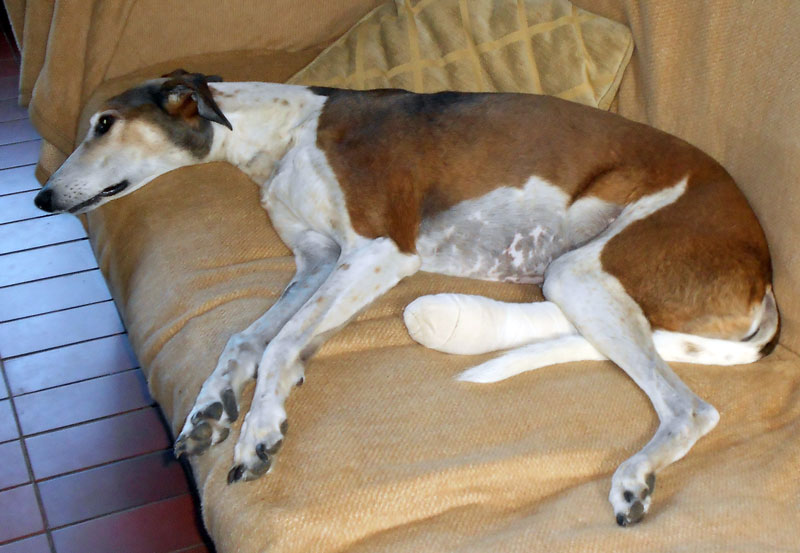
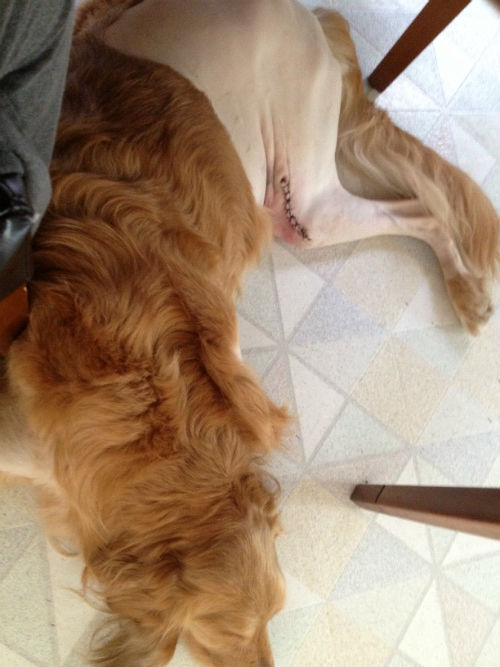
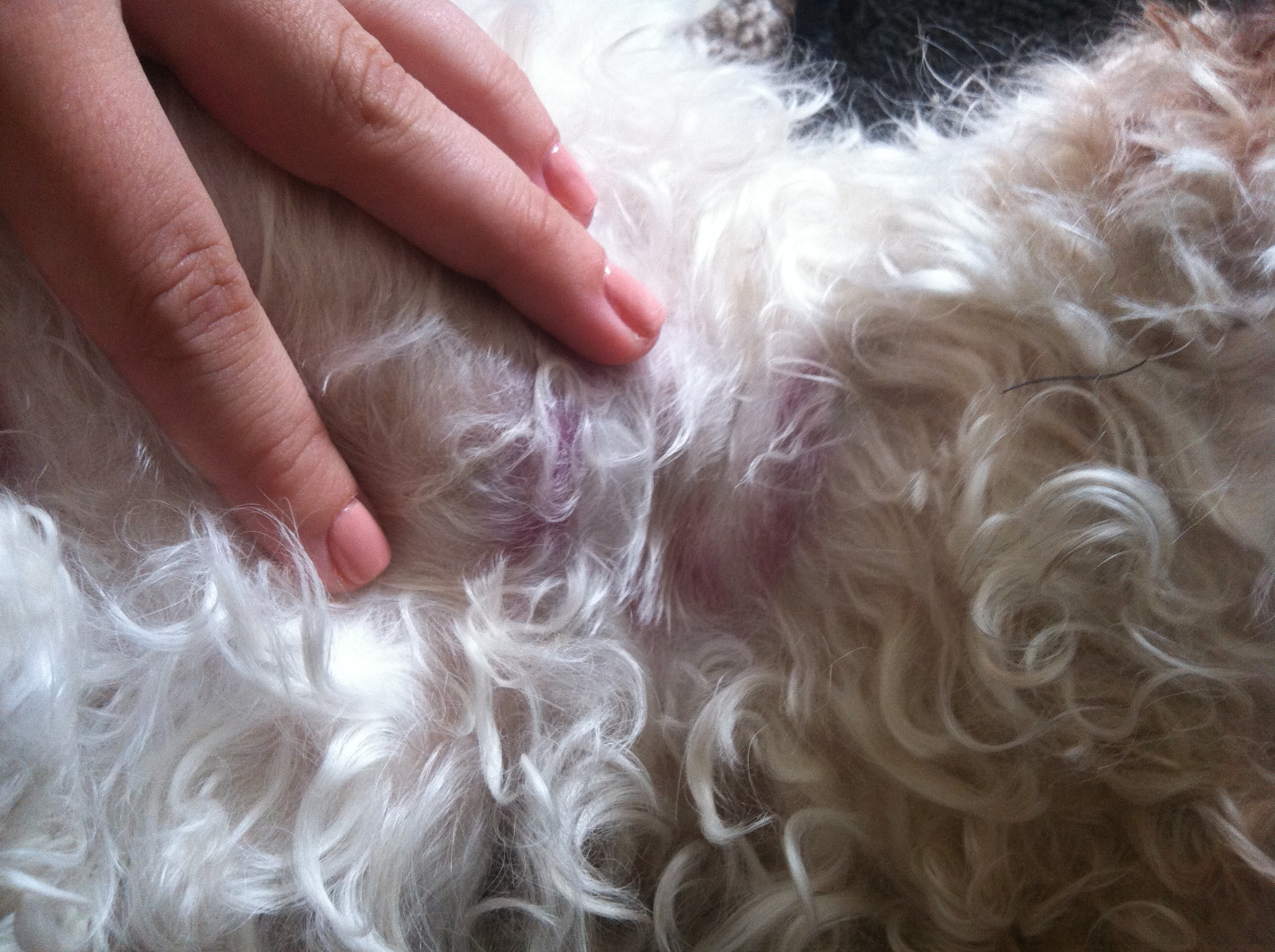
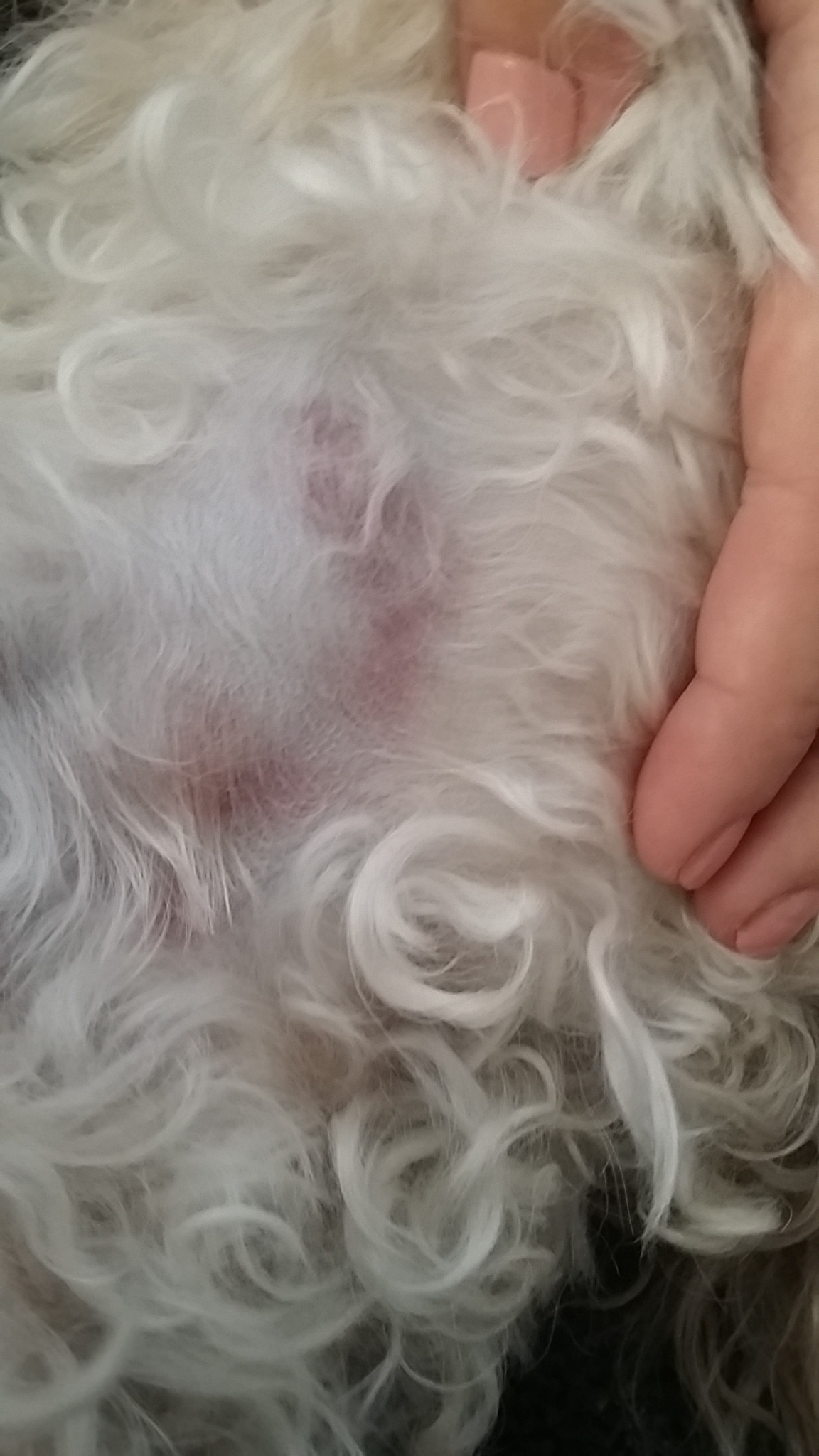
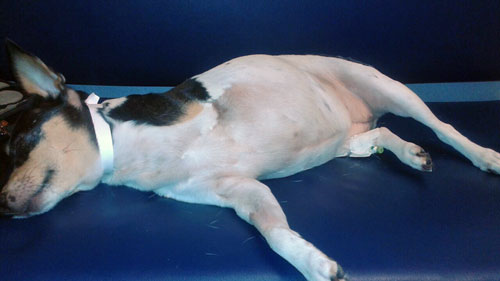
At this point, she has lost a lot of muscle mass and is quite bloated ( to the extent the left side where the spleen is very pronounced.). The vet has always discussed a spleenectomy as last resort if the meds aren’t working. She has very skinny legs but has a big belly to carry around, so she just seems uncomfortable.
We are waiting to hear back from the vet what his thoughts are , but wanted to see if anyone has gone this far and decided to remove the spleen.
Given her age, approx 14-15 years old, we hesitate on it. But, if it could give her another couple of years, we are open to it.
Any suggestions or maybe there is something else that someone has done that has worked besides surgery? Any thoughts or suggestions would be greatly appreciated! Thank you!
Hi Heather,
I so sorry to hear about Leah. Wow you’ve been battling a long time now.
Is Dr Dodds still working with your vet? What has she said about the splenectomy?
In my opinion, and that’s not medical, unless the spleen is diseased, I wouldn’t remove it. Have they done an ultrasound to see why it’s enlarged?
Do you have a copy of blood test results? If so, if you could attach them to the Urgent Advice, Patrice could run her eye over them.
How long has Leah been on her current dose of prednisone. You say 10mg twice daily plus the Atopica the whole time. Have the doses been higher and now lowered to that dosage. I’m wondering if she is perhaps over suppressed by the drugs now.
Has she even been put on thyroxine? That’s usually recommended by Dr Dodds.
Sorry, more questions.
Regards Vally (Angel Bingo) and Saba
Vally –
I am not sure when the last time our vet talked with Dr. Dodds. She did recommend against removing the spleen, but two other local vet internists suggested we remove, so the vet is torn as to what to do. My vet has not said anything to us about Thyroxine, but I will ask him, what is it for?
I am going to upload her recent labs from last week right now!
She has been on the current dose of Pred since probably January. We started at a 5mg two times daily, and then stepped up to 10 mg twice daily over a few weeks.
I forgot, but she is also taking Lixotinic, which Dr. Dodds recommended for vitamin supplementation.
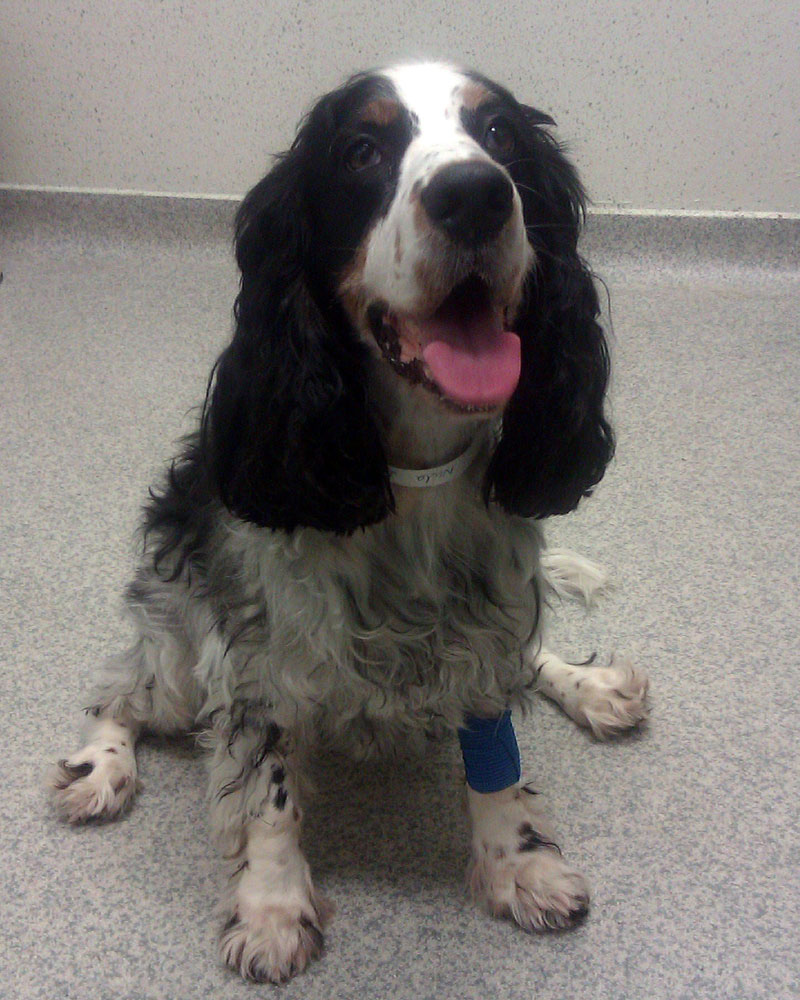
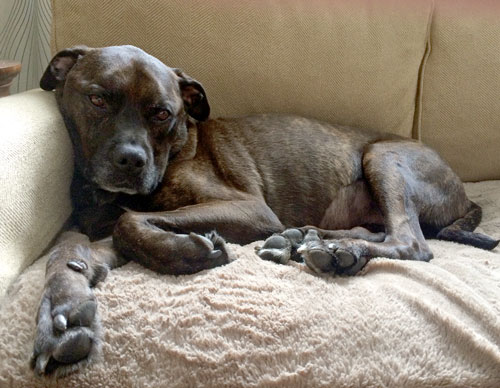
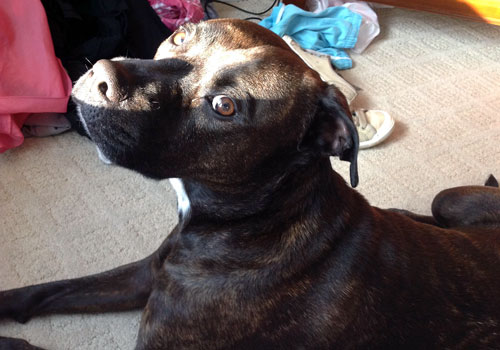
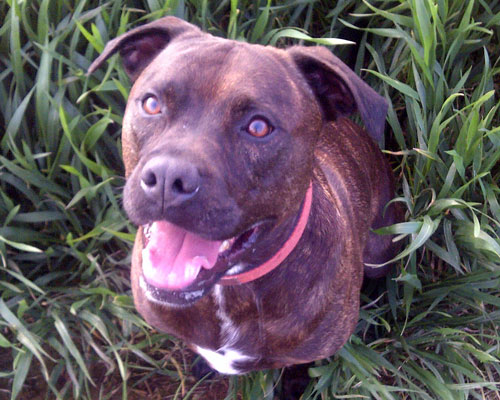
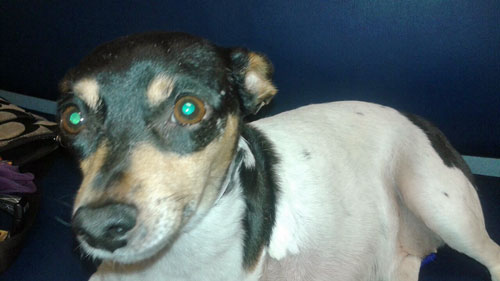
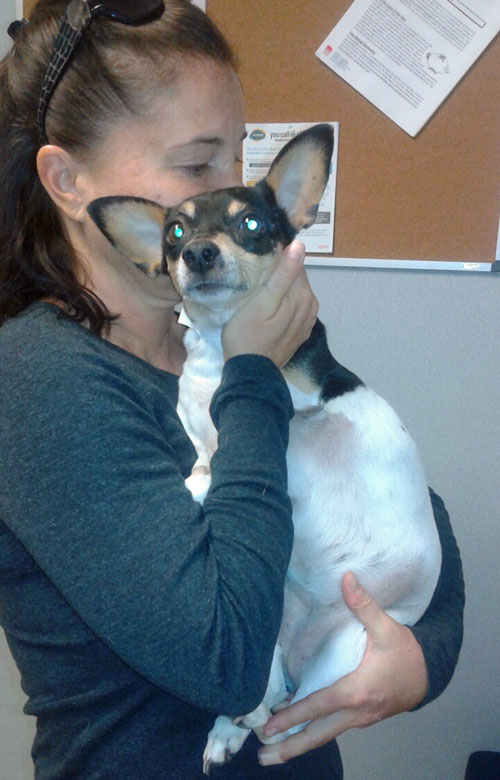
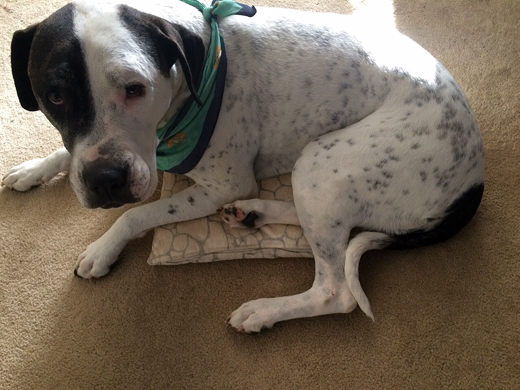
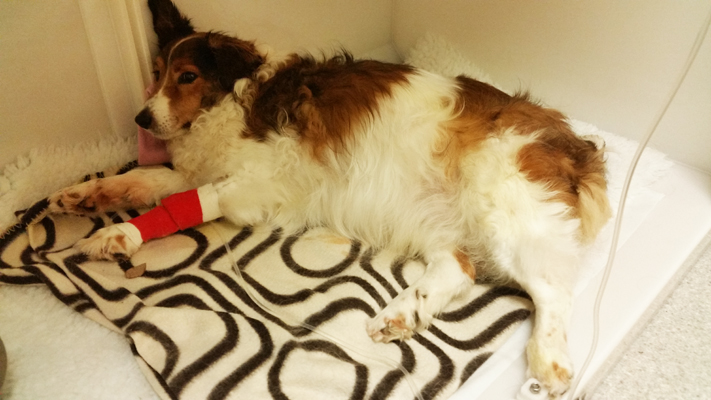
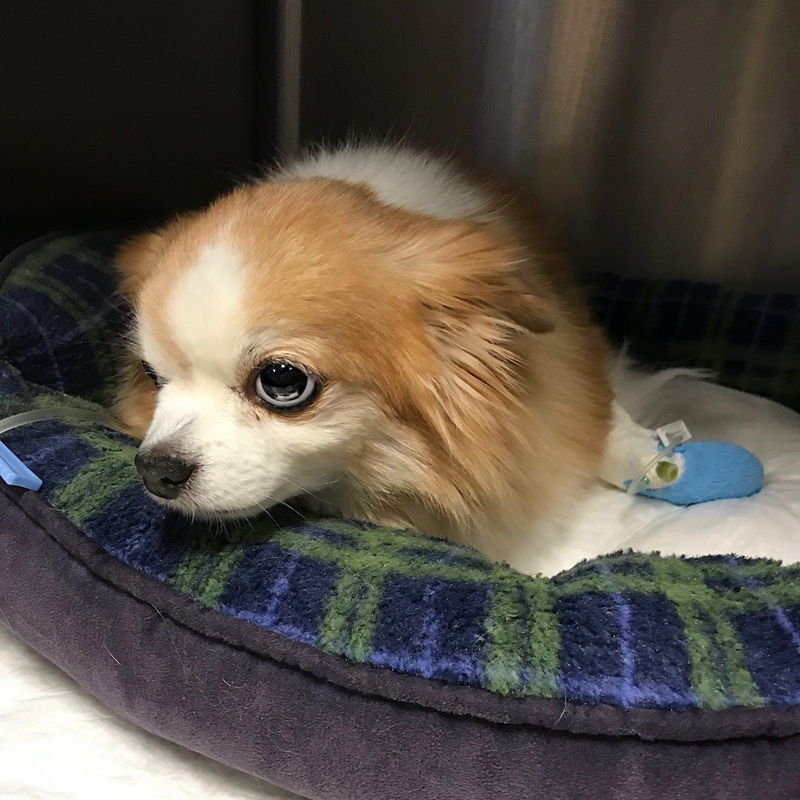
I am also going to upload recent pictures of Leah so you can see how distorted her body looks. I am not sure is this level of abdominal swelling is normal with IMHA, but it is seriously concerning.
Heather
Thyroxine is generally used for dogs testing with a low thyroid condition, but it’s know that thyroxine promotes new red cell production. The dosage is 0.1mg per 10-12lbs of optimum body weight.
The lab results have been received, and I’ve emailed Patrice to have a look at them.
I think if it were me, I would contact Dr Dodds directly. You can do your own consultation with her, with an Owners Consultation. There’s a link on this page if you want to go that way:
https://www.secondchanceaihadogs.com/hemopetresources/
Vally
Heather,
I want you to know that I have looked over your blood work and I am doing some background research for you. I haven’t finished yet.
Absolutely contact Jean Dodds with this question. While I know first hand about dogs and surgical removal of the spleen, she has researcher level information about splenomegaly and removal. In general, the spleen is a really important organ to keep but if it is diseased or has a benign growth on it, removal is indicated.
What does the job of the spleen if it is removed? Well, the body is a little different without a spleen, but dogs do fairly well. Some of the jobs are picked up by other organs like the liver.
It has several important functions. The most basic is the storage and management of red blood cells in the body. It determines when RBC are too old to continue, destroys them and recycles the material. The do this primarily during rest periods.
In dogs the spleen provides an “instant transfusion” as my vet likes to tell me. It stores a lot of blood and if the dog suddenly needs it, powerful muscles squeeze most of the blood back into circulation.
On the immune side, the spleen makes certain WBC that are protective against invaders and works closely with the rest of the immune system to protect us. So the one major ability we have, to fight babesiosis (tick disease) is taken away when we remove the spleen. That leaves humans and dogs vulnerable.
The bigger question now-a-days is WHY has it become enlarged? Is it working on fighting something? Your blood tests show some kind of battle going on against some kind of invader like an infection or perhaps some kind of tumor. There are values that are out of their normal range that indicates “anemia of chronic disease.” But exactly what is it? This kind of anemia will smolder along, keeping the PCV around the mid 20’s for a very long time until the condition is resolved in some way.
One value that is indicative of a problem is the slightly low blood calcium. This really has nothing to do with dietary deficiency but is an important element in our ability to perform things like muscle contractions. It is also important to help blood clot and to make sure our blood stays at a certain thickness so it stays in the blood vessel. When calcium is low, there are a number of things that can be causing the problem, such as kidney disease (the bun/creatinine ratio is high), pancreatitits, hypoparathyroidism, or muscle breakdown such that occurs when taking prednisone.
The CPK,Creatine Phosphokinase, is high and this is indicative of muscle tissue damage. Where is this happening? I’ll take a guess and say that you need to think about two things, one is to make sure that they have done a urinalysis to check the kidney function and the other is to do this test: cPLI. This is Pancreatic Lipase Immunoreactivity, a specific lipase found only in canine pancreatic tissue. Let’s find out if one of these two is the chronic condition that is causing this anemia of chronic disease. These tests are relatively easy to do and may somewhat expensive, they are nowhere as invasive as removing the spleen would be.
The only caution is that if there is a growth on the spleen, it could rupture leading to severe pain and probably death. If she has already had an ultrasound and they ruled this out completely, then don’t worry about this.
So get these two tests done, ask about the lowish calcium leveland the high cPK test result. Then contact Dr. Dodds via her consultation and ask her point blank if you should let the vet remove the spleen.
my best
patrice