- Second Chance AIHA ›
- Forums ›
- AIHA Dog ›
- AIHA Triggers
Carrie,
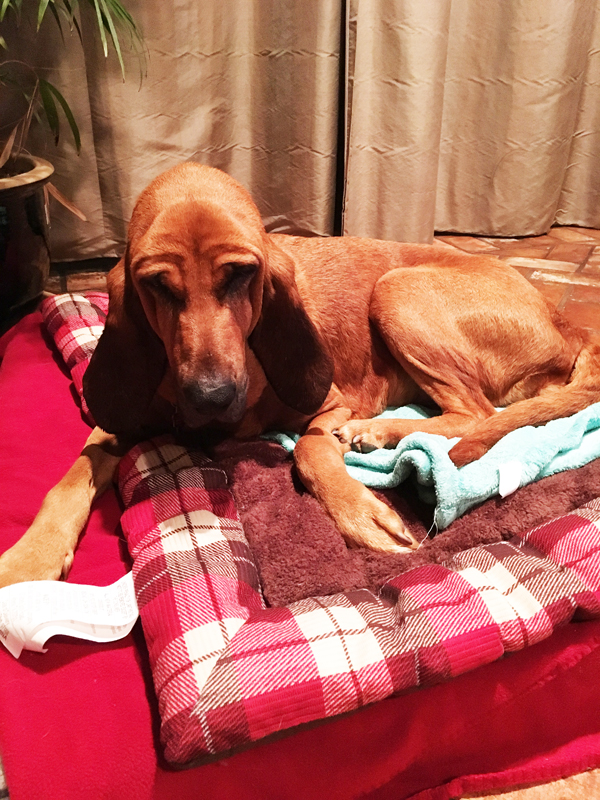
I am so sorry to read about Daisy, your rescued bloodhound. This was just bad luck for you.
In the 10 years since Chance was ill and I started helping owners with their dogs I have done extensive research on AIHA autoimmune hemolytic anemia. Originally it was thought that in most cases the cause of the immune system attacking the red blood cells was mostly a primary condition. In other words, the immune system suddenly went haywire and destroyed RBC for no reason. Back then, as it still is, the primary initial treatment is high dose prednisone, or even injected dexamethasone, in an attempt to completely shut down the action of the immune system. Truly, prednisone is a miracle drug in this way, no matter how dreadful the long term side effects are, because it can save a dog’s life if implemented early and at high doses.
The development and sequela of this condition (these conditions) are complex discussions. There has been some progress in the research, such that for instance, most veterinary professionals now agree that these conditions are better described by using the terminology IMHA immune mediated hemoytic anemia.
Why has this happened? Because when AIHA was first recognized as an identifiable canine (or feline) condition, there wasn’t a good understanding of the causes, nor were there agreed upon diagnostic information, treatments or outcomes.
While veterinary research isn’t flush with studies on AIHA, there has been some concerted effort to get some significant research accomplished. And the result of some well-run research studies is beginning to show that more often than not, AIHA is really a disease with a multitude of triggers acting upon immune systems that seem to be already extremely sensitive to the environment. Thus the slow but steady agreements to use the term IMHA. Simply, they can now identify more triggers that can be treated. This is termed “secondary”, hemolytic anemia due to some cause, many of which if treated, that can halt the destruction. Immune mediated is the term and it means something like a tick disease or a vaccine has “mediated” the immune system to become “not tolerant of self.”
What that really means is that the genetics of canines combined with environmental triggers is leading to more and more cases of multiple expressions of blood disorders. For instance line breeding in pure bred dogs contributes to passing on more genetic attributes that carry along “baggage” that leaves dogs extremely sensitive to triggers. But what about mixed breed dogs? Well, in reality they are just combinations of pure bred dogs, so any genetic junk from those breeds can be passed on to any mixed breed.
The blood hound is a pure bred dog, a working dog, and to keep the “type” of the dog and ensure that the dogs that are bred can perform their jobs as they have historically done, the breeders will try to keep as much of the “good genes” in subsequent breedings as possible. There are a small number of genetic tests that can be done by breeders to identify genetic diseases. But in reality, like an iceberg, under the surface of these good genes is a literally a ton of bad genetics being dragged along with each breeding. Each breeding further skews the genetics of the dogs.
So simply, yes, the combination of being in rescue, variable sleep cycles, stress, different food and water, vaccinations (possibly on top of previous vaccinations), heartworm meds, flea and tick meds, lawn chemicals, exposure to viruses and bacteria while in kennels, the sex of the dog and whether it has been spayed or neutered recently, or is still intact. ETC ETC. All can and will contribute to the overwhelming of a genetically challenged pure bred or mixed breed dog. And the result will be the body “not tolerant of self.” This can result in a myriad of autoimmune diseases, among which is IMHA.
You have done nothing wrong. You saved a life. Your vet may have been too exuberant about vaccinations and was perhaps not evaluating Daisy as comprehensively as they should have been.
I agree, now that I read about the bumps, that perhaps you may want to agree to a small needle biopsy if they can get enough information from that. It is very possible that this is part of the trigger for the IMHA. One particular skin bump is called a mast cell tumor. They are tricky and nasty things, changing size at the drop of a hat and are very dangerous. Please if you can upload a picture for me to look at.
Right now I highly recommend that you do not decrease the prednisone until you see the PCV HCT rise into the mid 30’s. This condition can quickly reverse and the best way to control it is to very carefully taper down once there has been significant recovery. 20% is still considered in the range of significant anemia.
Please ask for all your laboratory paperwork and upload it on the Urgent Advice page so I can look at it in detail.
my best
patrice
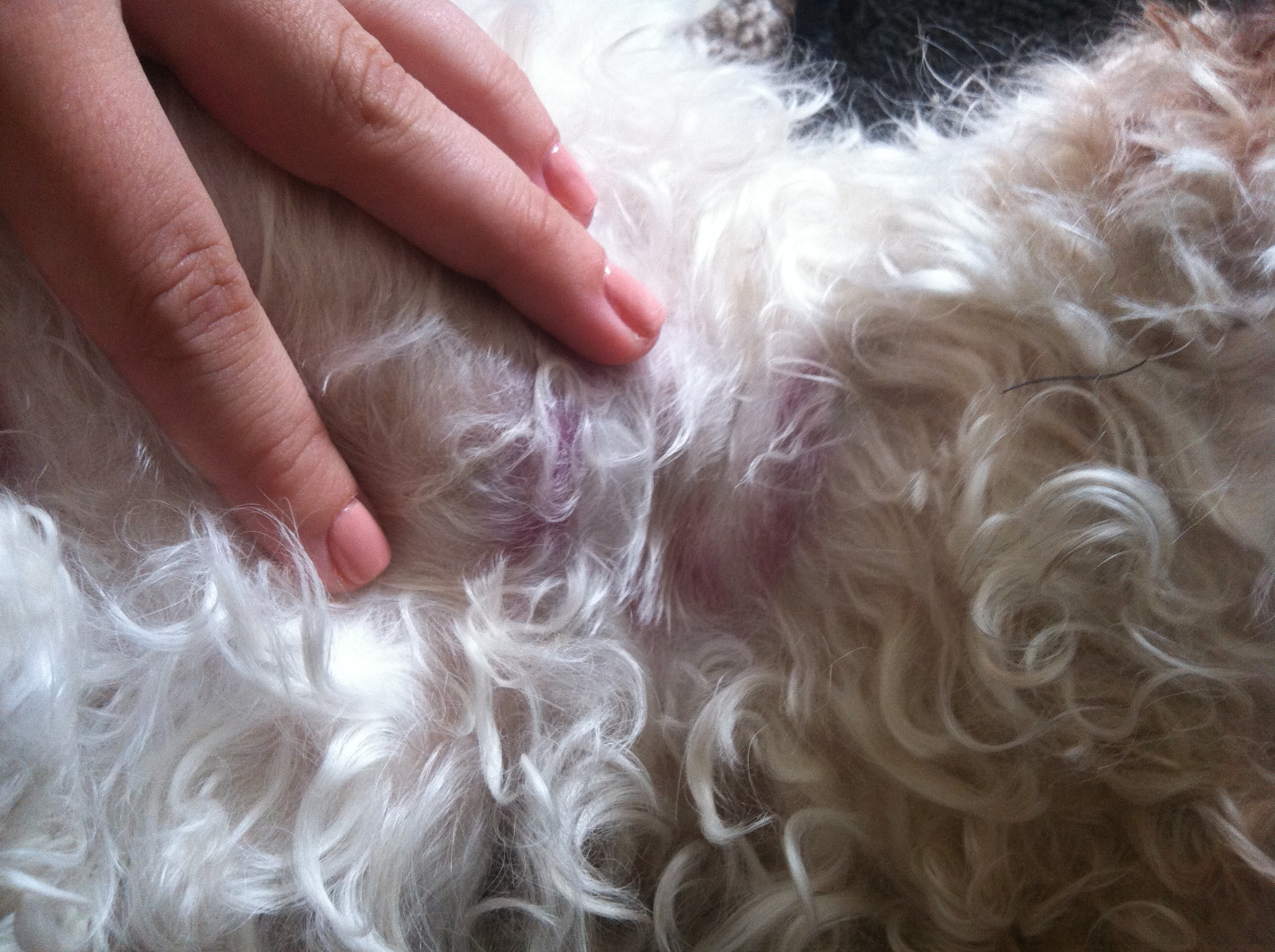
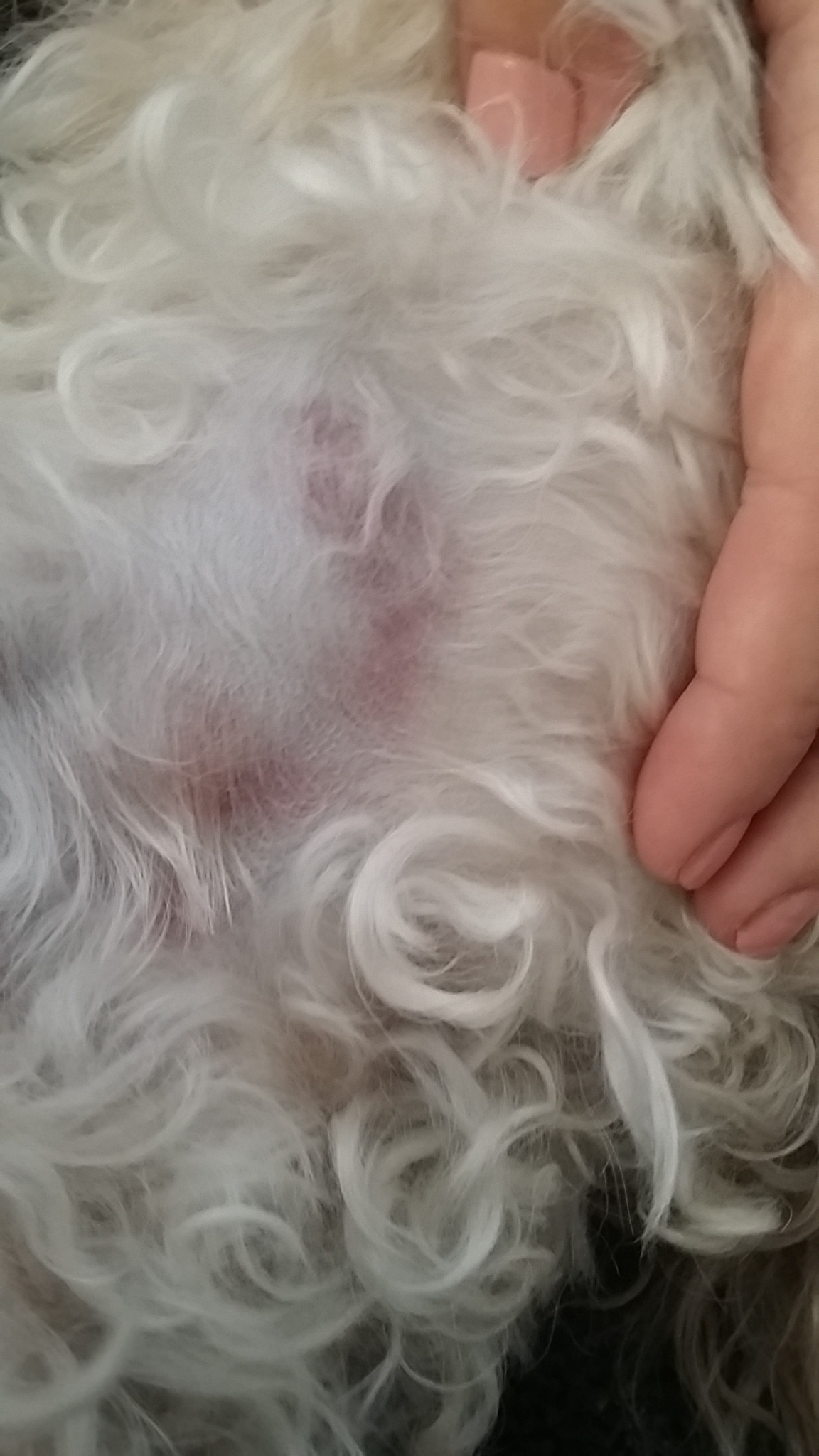
Hi Carrie. Just wanted to pipe in about the masses on Daisy. I saw the pics you sent. Sadie had them too, with this lady relapse. She had had two transfusions and left Blue Pearl on 75MG’s of cyclosporine and 45MG’s of prednisone. The ‘sores’ cane up within two weeks if her being home. Her PCV had been 10 when she went in and was finally riding, thank goodness.
But the ‘masses’ or sires you describe and from what they look like in the pic you sent us, look so much like Sadie’s. Hers were ooozing and scabby and nasty. I started putting coconut oil on them, with a q-tip, twice a day. As her PCV rose (please listen about the reducing, wait until 34-38 to start, I know the side-effects are horrible, as with these ‘masses’, just being one of them) and we reduced the immune suppressants, the sores just went away. Here’s hoping for Daisy too.
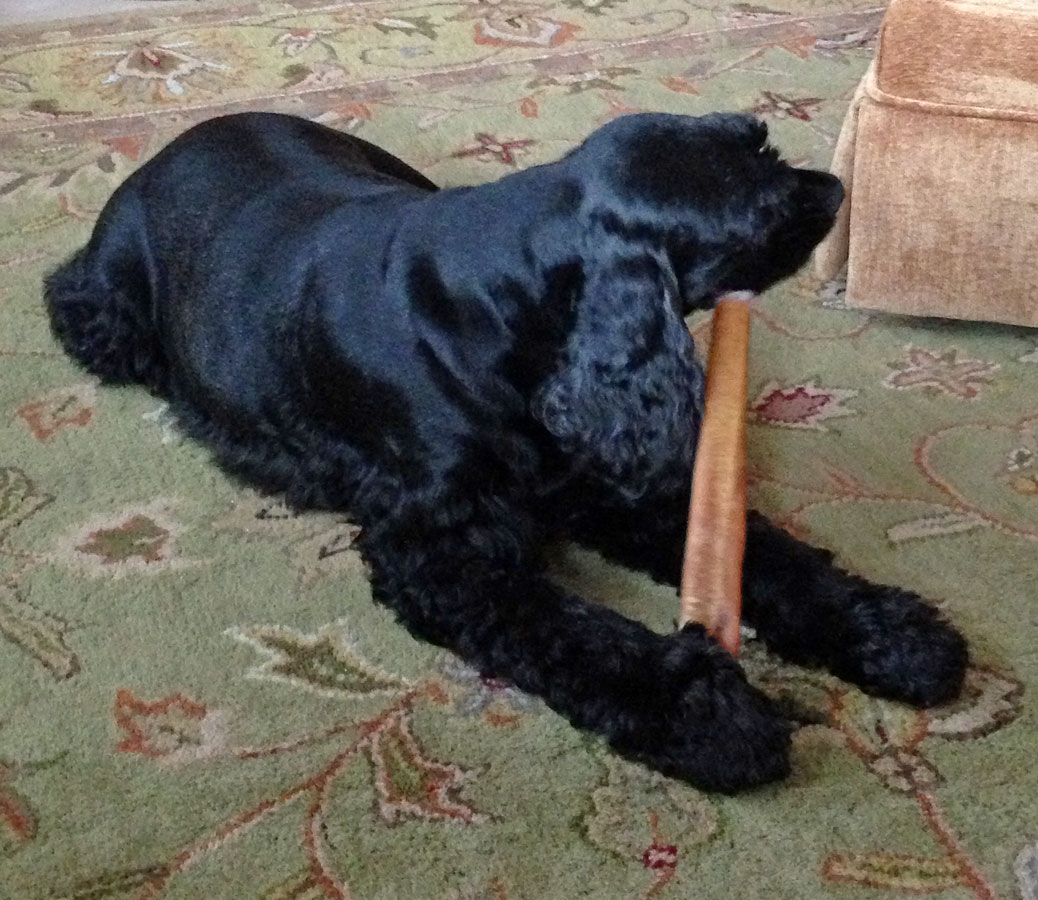
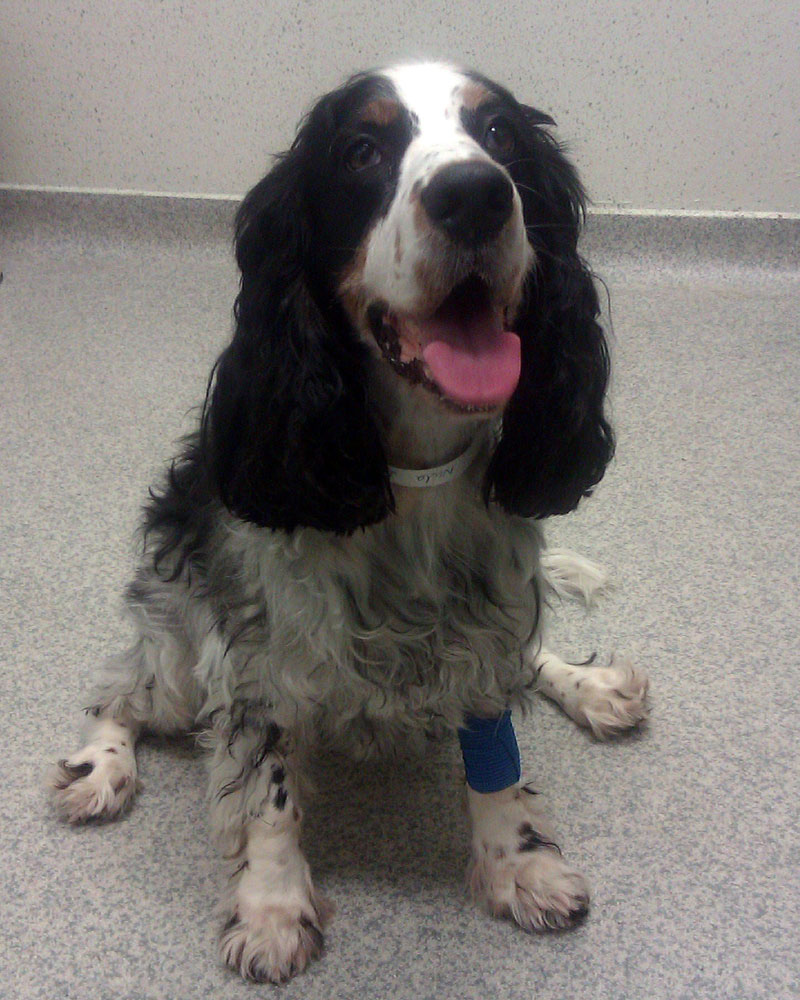
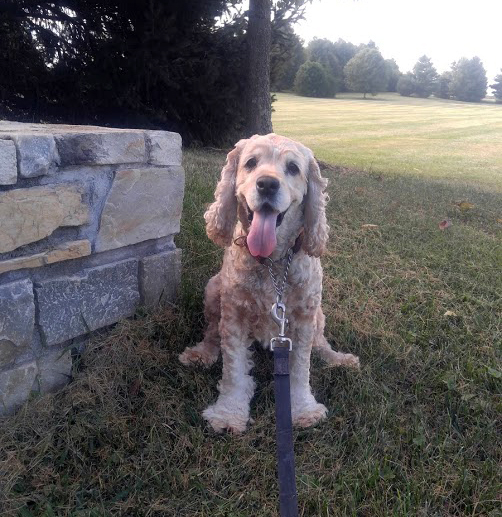
FYI, Sadie is a cocker spaniel and weighs about 25 pounds.
Love and supportive hugs,
Linda and Sadie
Carrie,
Thank you for the uploaded lab files.
There is significant anemia, the HCT is 22.6% (normal low 37), hemoglobin is low at 7.6 (normal low 12), RBC red blood cells 2.9 million (normal low 5.5 million.)
Anemia is really defined more by a shortage of oxygen going to the body cells than it is by the HCT or PCV. And anemia is really a sign of a condition rather than a condition.
There are several ways anemia can happen, for instance a serious injury could lead to great loss of blood, or the red blood cells are not made very well in the bone marrow and don’t contain enough hemoglobin to attach oxygen to.
In Daisy’s case, anemia is most likely due to a shortage of RBC in the blood and that also means that there isn’t very much hemoglobin inside the cells to carry oxygen.
Unfortunately this test does not include the reticulocyte value, something that is really a necessity when trying to evaluate a dog with this degree of anemia. These are the baby blood cells created in the bone marrow. An increased value would tell us that the marrow is trying to replace the destroyed RBC, a decreased value would tell us the marrow is failing to replace the destroyed RBC. So this is a difference between regenerative and non-regenerative anemia.
So I am taking an educated guess when I say I believe this test does show regeneration as indicated by the higher MCV mean corpuscle volume. This value indicates that the RBC are a bit larger than normal. This could be the reticulocytes which are larger in their immature state. When they drop the RNA from the cell, they will be considered mature RBC. Is this what is happening?
So the question is, can your vet do an anemia CBC panel that includes the reticulocyte values? If they seem unsure about this question, it’s likely that they have not had much experience with this condition. If that is the case I would be very cautious about decreasing the prednisone dose right now.
Another reason I am cautious about reducing the prednisone is that the PLT platelet value is a bit on the low side. 135 (low normal 200.) Platelets help us control normal daily internal bleeding in the blood vessels, as well as help us heal external wounds. I would not like to see this drop lower because it may lead to improper internal bleeding which could be serious and lead to improper clotting, an emergency. You would see this as small or large red dots (petechia) in the belly for instance. I would consider this a trip to the vets.
There is an increased WBC count, specifically the neutrophils, which can be associated with infections. The monocytes are a bit high also, these are the cells that come around after the neutrophils have destroyed an invader like bacteria and eats (phagocytizes) the invader. There can be several reasons why they are high, infection is not the only reason.
Sometimes the automated laser that examines the blood can be confused and not know the difference between the immature larger red blood cells and the neutrophils. This can lead the test to indicate a high white blood cell count when in reality it is these new red blood cells. To help determine that, the vet can do a differential test of the WBC.
Has the vet mentioned anything about this highish WBC count to you? Have they prescribed antibiotics?
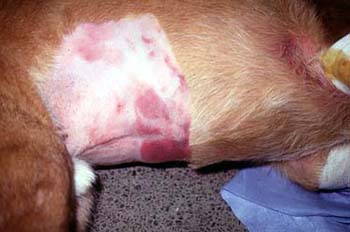
The image is a bit blurry so it’s tough to see. But I can tell several things from this photo. The spot is quite dark. The spot is relatively round and it is about the size of one of your nails. Some dogs can have spots like this as just a birth mark, or a reaction to an old injury. On the other hand dark spots like this can indicate some type of cancer. This is picture of a diagnosed mast cell tumor.
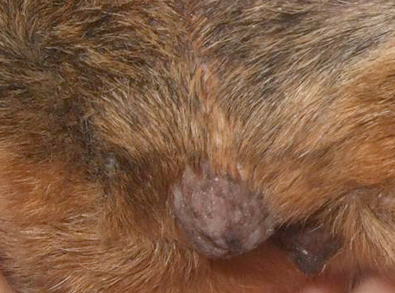
It would be important to know if you have every played with it and then a short time after it increased in size? Mast cells tumors behave this way. Mast cells are in many places in our body, outside and inside. They are responsible for releasing histamine. You and I know about them when we have a cold or the flu, we sneeze, our eyes water and we can’t breath and we take antihistamines to reduce the symptoms. When mast cells are irritated they can release a lot of histamine all at once and this leads to local tissue inflammation. In large quantities it can cause problems. In our intestinal tract this ancient mechanism leads to vomiting and diarrhea, a very efficient way to eliminate foreign agents from the digestive tract. But in some cases, allergic reactions to food for instance, it can be very dangerous and lead to breathing issues.
Dogs tend to have more mast cell tumors and this condition can be serious. So it would be important to know if the vet believes that this is what they are. As I said above they dislike being disturbed and doing a biopsy would do that, however it might be important to do this. Mast cell tumors in one word are unpredictable.
“Definitive diagnosis is made with cytologic testing of a fine-needle aspirate.”
Depending on the grade the first approach would be to remove them with a wide margin. If they are very confined and have not spread, this can be effective. If they have invaded internal tissues it can be more serious and might require radiation. Antihistamines are usually prescribed and interestingly enough, prednisone is often used to suppress the mast cells local tissue effects.
If these are just moles or birth marks then they would not be worrisome at all. It is difficult to tell you one way or the other. You don’t know Daisy’s previous history and she may have had these her whole life!
I do not want to upset you but also want you to have the knowledge to be able to make important decisions about Daisy. Not understanding the science behind all these things can make decisions very hard to make.
If you have questions, please ask.
my best, patrice
Great News!!!! Daisy is still making progress after reducing her steroids this week. Her PVC was 20 and increased to 22 this week with the reduced steroids. Its still low- but even with the reduction of her steroids this week- its increasing. that is good news.
Thank you all for your support this week!!!!! I can not tell you how much I needed it!
I appreciate you all!!!!
Hi, Did you get the blood work results I uploaded? I am not so good at scanning computer docs. So, may have done it wrong. Sorry.
Daisys PCV was 22- that is up from last visit. as we had just decreased dose. We did talk to vet. We are not decreasing any more for a while.
Thanks Patrice, I have made notes about the CBC panel- reticulocyte and will have vet do it next time.
Daisy is so happy with us. She is doing great in the lower dosage of steroids so far. increasing her PVC each time so goes to the vet.
Ya’ll are wonderful and can not tell you how much I appreciate You all!!!!!!
thank you Linda- I so much appreciate your information. We have no medical history on Daisy. All I can really go on is from you all.
Many thanks,Carrie