Forum Replies Created
Sarah,
Did you read my explanation of the spleen in your previous topic and how it conserves blood during certain times? I tried to make it understandable that it is variable throughout the day depending on various things such as stress, metabolism etc because of Fight and Flight responses.
In terms of all dogs with anemia, we have found that some dogs do quite well with very low HCT PCV while other dogs show great stress when they have a low HCT PCV. It’s why medical doctors use something called a transfusion trigger. They not only evaluate the blood values but they also evaluate the physiology of the patient and it is indeed different from one to the next. So there is no one absolute value for recommending a transfusion due to anemia, it is the doctor’s evaluation and interpretation of the transfusion triggers that make up their mind whether they will transfuse or not. I’ve seen dogs on this forum who were walking around with a HCT PCV of 12% and were happy go lucky. While other dogs were just miserable at 25%. A vet would chose to transfuse the 25% dog because it will provide valuable fluid volume and other less well known blood elements that will make the dog feel better.
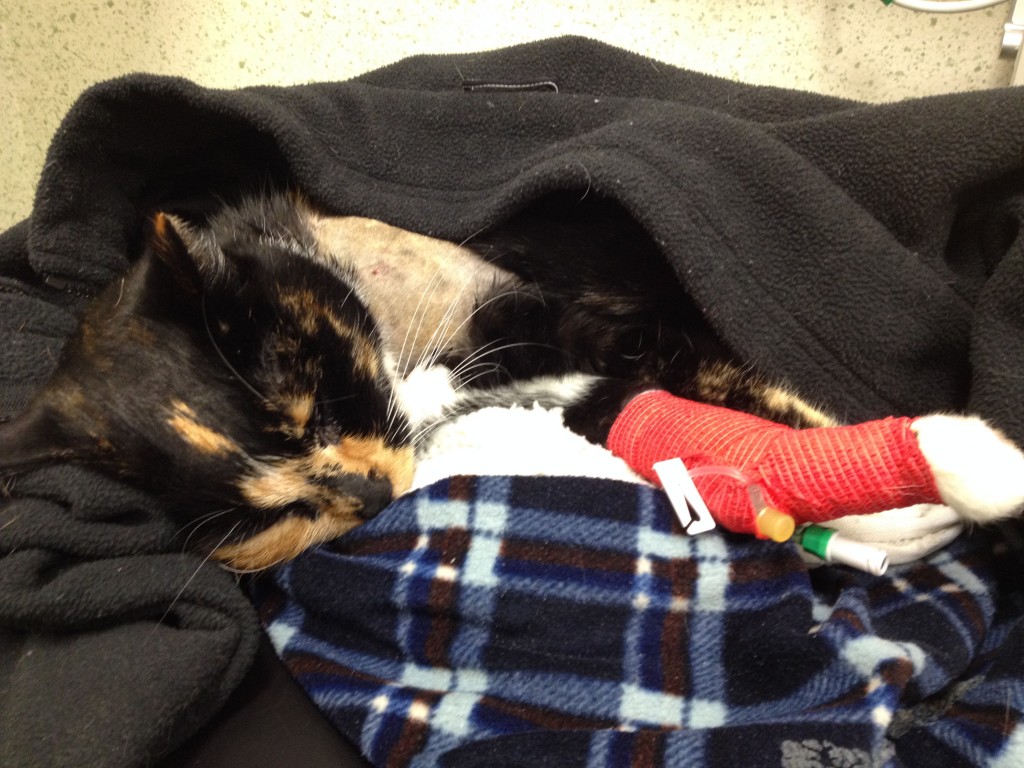
Veterinary hematology is part science and part art, it requires a balance. That is why clinical experience is so critical in the treatment of these dogs with blood diseases. Experienced vets, no matter whether they work in a fancy high end clinic or a small country vet like mine, that are good at what they do will have tried to keep their minds open when treating dogs and find the best path to recovery with the least cost and the best track record for improvements and saving lives. I shall never forget during Chance’s first transfusion, watching my vet’s dog, her donor dog, lying on the table in the next room providing fresh blood for Chance. But there was Jake, giving up his blood for my boy, tail wagging. Transfusions are extremely difficult to give and require constant evaluation to avoid reactions. Dr. M stayed until 9pm to make sure that it had been successful, well past her closing time. A good vet is maintained over a lifetime as your best friend.
Normal HCT PCV is around 45% in most humans and dogs. But some breeds have a normal value of 55% or higher. For those dogs, a reading of 45% may make them very anemic. So it is quite variable depend on breed, sex, age, health, metabolism, physiology, diet, stress handling capability etc. No human or dog is the same.
The real criteria for medical definition of anemia is not the HCT PCV values but rather the hemoglobin HGB count. This measures the hemoglobin molecules inside the red blood cells that are capable of carrying O2 inside the cell. So then you can get into discussions about the health of the red blood cells or the age (new or old) etc. and their carrying capacity for hemoglobin. So it is possible to have a lot of red blood cells in circulation but they could all be pale. That means they are very low in hemoglobin and are ineffective carriers of O2. The dog or human would be anemic. I learned this from one of my vets, when humans donate blood the clinic evaluates the suitability of the blood by the hemoglobin count.
my best patrice
Hi Andrea,
This is such good news! A PCV of 38 is considered normal. Does your vet have any explanation for why he developed this condition?
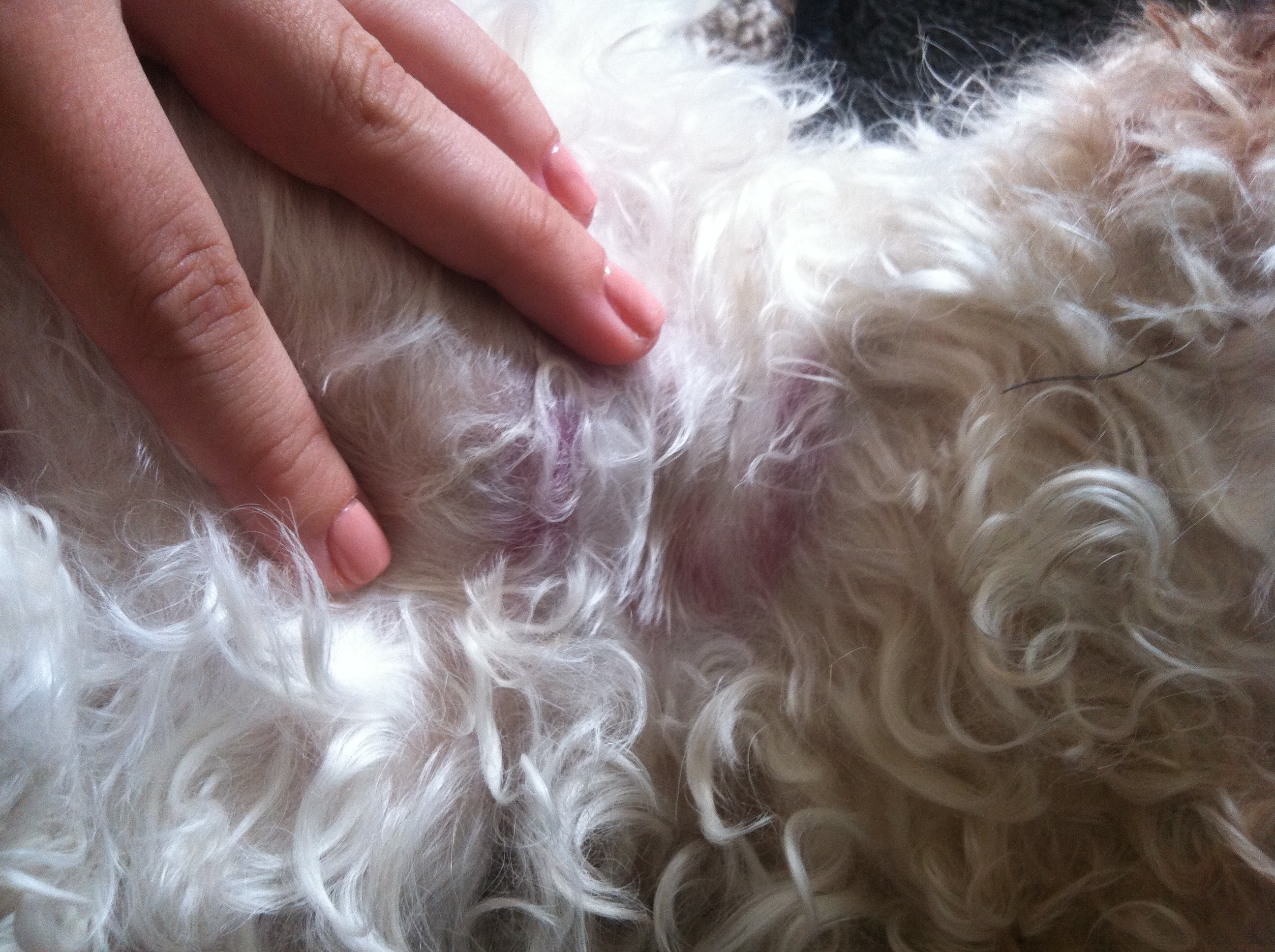
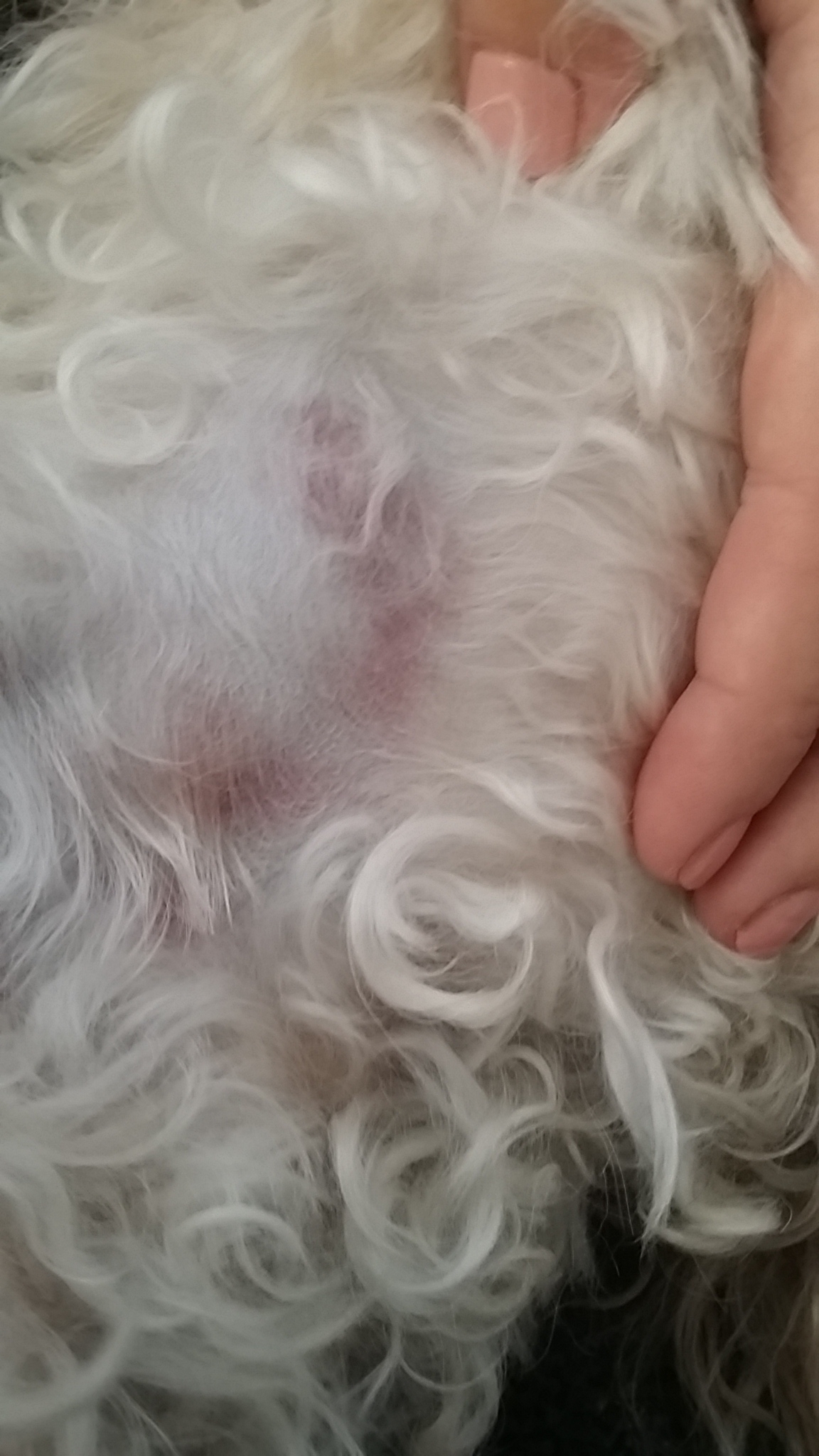
How is his skin? Does he still have some areas of calcaneus cutis? It can take some time for these to disappear, while other areas may be permanent.
Let us know about his improvements!
my best, patrice
Sarah,
We would have to know if your vets requested a specific test looking for babesiosis. As the literature describes, it is difficult to find. A reverse engineering way to evaluate for this condition would be to determine if the spleen was greatly enlarged, called splenomegaly. While this doesn’t identify the specific reason for this, and there can be several reasons, it would be a possible indication of babesiosis. I would really like you to specifically ask if they evaluated for babesiosis as it is uncommon to test for this.
What you describe is common among owners whose dogs develop anemia. They start paying a lot of attention to the gums and other mucous membranes and panic when they see they are pale. Then to confuse them further, they see the gums at other times a nice pink.
So the spleen plays multiple roles in our bodies. It’s first most important role is to provide storage of blood. It can hold an enormous amount of blood, especially in dogs.
The second very important role of the spleen is to filter blood. Dogs’ red blood cells have a lifespan of about 120 days, humans average about 115 days. As these cells age they become more brittle and less able to do their jobs. So the spleen has these tortuous pathways that allow supple RBC to pass through, but the older ones break up and the spleen either destroys the material or some parts are set aside for use elsewhere. What you see as coloring in your stool is the remaining heme from the old red blood cell, the hemoglobin molecule in the RBC that actually carries oxygen to the cells.
The next extremely important role of the spleen is to manufacture some elements of our immune system called lymphocytes, white blood cells that play different roles in protection against and destruction of foreign agents.
Finally the spleen is always evaluating the red blood cells for these foreign agents, such as tick diseases. If, via the immune system, it identifies a red blood cell carrying something like this it destroys it within the spleen.
During autoimmune diseases like AIHA IMHA the spleen can become very active in destroying RBC. In some cases it IS identifying a tick disease, but in some cases it can become overactive and possible destroy RBC that have been tagged improperly as being “not self.” Thus the reason some vets want to remove the spleen in cases of AIHA IMHA, remove one source of destruction. However, here on Second Chance we don’t recommend this because of its very important role in identifying and attempting to destroy babesiosis, which may go undiagnosed.
So now you understand a little more about the spleen we can talk about what is happening to Phoebe during different parts of the day. All spleens will sequester some blood during rest. However in dogs that is really enhanced. Dogs live a life of fight or flight. They can be fast asleep and if the door bell rings they are up barking in a second. They are preparing for “fight.” The spleen in a dog can fill up very full of blood and strong muscles surrounding it can squeeze a large amount of blood back into the circulatory system very quickly in response. My vet likes to call this “an instant transfusion.” While they are asleep they can store so much blood that they can have nocturnal anemia or the amount of blood circulating is very low.
So in dogs who are resting, they may appear very anemic if you are looking at mucous membranes. When they are up and running around (this activates their adrenal glands and helps them become very alert) their circulatory system is prepared for “fight or flight.” Cortisol is our body’s way of activating this system. So what you are seeing in the gums etc during rest is an indication of the spleen storing blood, and then during activity the release of blood into circulation.
Dogs that are on prednisone are getting extremely high doses of “cortisol” and the adrenal glands essentially shrink and stop working, as they are not needed. They won’t recover quickly once prednisone is decreased. So there is always a risk during prednisone reduction that a dog may become stressed by a daily activity and won’t have enough cortisol (still being provided only by the prednisone dose) and they may become very fatigued or even collapse (which is an emergency.)
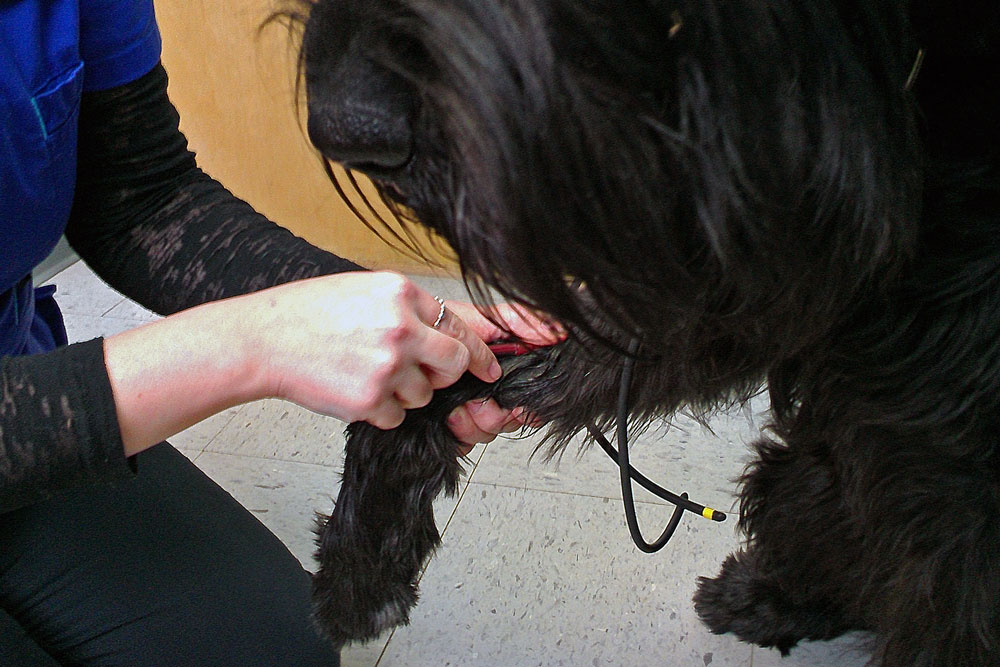
The blood tests that you having done right now are unfortunately affected by the stress during this procedure. Often dogs get very panicky and the blood draw may be very difficult for the tech to get. This can damage the red blood cells being drawn into a tube and this can cause incorrect readings in the sample. If a dog is dehydrated it can become even worse, giving the sample something called artifacts.
https://www.secondchanceaihadogs.com/AIHA_Terms/blood-sample-artifacts
So yes the HCT PCV can be different from one moment to the next. The circulatory system is always adjusting to needs of the body. You just never noticed this before Phoebe got sick! Our bodies are adaptive to our needs. The blood draw is capturing one moment in the day.
I prefer, for dogs that are this sick, to use the PCV to evaluate anemia. It is a visual test, using a small amount of blood in a tube that is held up to a chart that clearly evaluates the PCV. It is very inexpensive and is a good way to test for anemia (with at tech) in-between visits with the vet.
HCT is a measurement of comparison, it is referencing all the elements in the blood and assigning percentages to each element. While this is quite accurate for the most part in healthy dogs, in very sick dogs with IMHA, there are a whole variety of different red blood cells and differences in viscosity (due to prednisone caused dehydration) so it is really critical to not rely too much on laser automated blood machines that can mistake one type of cell for another and probably will report a HCT that is 3-6 percentage points less than the PCV.
https://www.secondchanceaihadogs.com/AIHA_Terms/pcv-packed-cell-volume
my best, patrice
Sarah,
I am so sorry I have been away and haven’t been able to post. I have just quickly read through the posts.
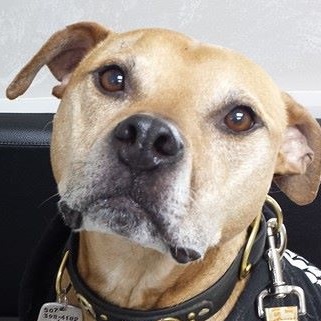
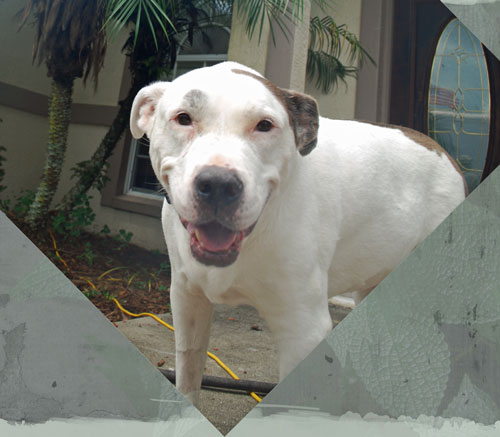
I want to input some important information that your vet may not be aware of. I have helped a handful of owners over the years that had Pit Bull Terriers or mixes of these breeds. Most especially those that were rescued and have a history of being used as fighting dogs.
The particular tick disease that I am thinking of is called babesiosis. It is not usually mentioned in the list of common tick diseases, but never-the-less is known around the world. While in most cases it is contracted by a tick bite, this particular tick disease is also known to be very prevalent in Pit Bull Terriers. In some cases these dogs contract the disease through the bites they receive in dog fights. The interesting part is that many of this breed can be asymptomatic carriers of babesiosis and can therefore pass on the disease to other Pit Bull Terriers.
The important information to know about this disease is that the spleen serves as a major source in the immune defense against babesia infections as it is directly involved in sequestration and destruction of the organisms. For humans who travel overseas there is a travel warning that if they have had their spleen removed they are defenseless against babesiosis. In some cases vets who are treating dogs for IMHA may mistakenly remove the spleen in an attempt to stop the autoimmune destruction of the red blood cells which essentially removes the organ that was attempting to keep the babesiosis under control.
Unfortunately, in some of these cases, the dogs remain carriers of the disease for life and may or may not be symptomatic. If a vet specifically tests for babesiosis there are special treatments for this, but they are not always completely successful. It is difficult to test for this because it may not appear in a single blood test, but I am referencing you to an article written by Protatek Labs, located in the US, that knows specifically how to test for babesia (and they also mention that there is an endemic status within the Pit Bull and related breeds and they should be routinely screened for infection.)
I have known several dogs that were able to survive this, though they tend to have these swings of anemia. These dog’s spleens provide the control over the disease along with good home care from the owners. Rescue organizations of Pit Bulls are aware of this condition.
So I am going to point you to two resources I have up on our website. Don’t worry if you can’t understand everything in the articles, skim it a few times to try to absorb more. Go to this page I have pasted below and scroll to the bottom of the articles looking for the last two about canine babesiosis. You can click on the pictures which will open a window on the page, if you want to print or save the article click on the upper right hand arrow to open in a new tab. This will give you a full page and then you can select in the upper right hand corner to print or save. https://www.secondchanceaihadogs.com/parasite-resources
I’ll stop by later to see if you have read this and have any questions. While I can’t be completely sure this is the case, it is wise to discuss this with your vet. Once he sees this information it may trigger a recognition that this might be worth looking at.
my best patrice
Hi Augusta,
I’m sorry to read about your Bichon Frise and his diagnosis.
Let’s look at what happened in more detail. One of the triggering events, among many, for developing IMHA or AIHA is over-vaccination. I am a bit taken aback that your vet decided to administer the DHLPP vaccine at 10 years of age. I am assuming that he probably received this series as a puppy. Once the required puppy shots series are done, we here on Second Chance always advise to no long vaccinate, except for the mandatory rabies vaccination. On this page you will find Dr. Dodds 2016 Vaccination Schedule that we recommend for dogs that may have trouble with over-vaccination. Print this page (you can click on the upper right hand arrow to open this full for saving and printing.) Keep this with you and show it if you are asked to vaccinate again. If your vet continues to stress that you do, especially after this most recent incident, please try to find another vet.
https://www.secondchanceaihadogs.com/vaccine-resources
So there can be many triggers that can interact with the immune system to begin a disease like IMHA. Dr Dodds has written an excellent article that details how the immune system behaves and why it is sometimes prone to developing autoimmune disease. Here is her short summary of the most prominent factors. “The four main causative factors of autoimmune disease have been stated to be: genetic predisposition; hormonal influences, especially of sex hormones; infections, especially of viruses; and stress.”
You can read her article on this page:
“The Canine Immune System and Disease Resistance By W. Jean Dodds, DVM
https://www.secondchanceaihadogs.com/canine-disease-resources
So we need to look closer at your Bichon’s past medical history. At any time did you notice other unusual conditions like allergies (in dogs these present mostly as red itchy and possibly weeping skin conditions, weepy gooey eyes.) Did you ever notice digestive problems that kept coming back such as frequent diarrhea, gas, poorly digested food etc? Dogs that have trouble thriving may be experiencing autoimmune conditions of another kind. These things may seem different and distinct but in reality they have one thing in common; the immune system.
So it is very possible right now that he is having a relapse and in that case, yes I do agree with the increase in the prednisone dose. The part of the over active immune system that you had been suppressing with the high dose prednisone may becoming active again and this would be a relapse. We have seen many dogs relapse when the drugs are reduced to quickly. We recommend that in most cases the drugs should be reduced very slowly to avoid relapses. See our recommended schedule and see if your decreases are similar.
https://www.secondchanceaihadogs.com/AIHA_Terms/prednisone-dose-reduction
I know that Vally is going to want to see your complete medication and supplementation list and help you get on a good dosing schedule. She may have recommendations for you for other supplements that might be helpful.
What happens when there is a relapse? Well you have caught it early and that is a good thing! Anemia doesn’t actually come into consideration until there is a PCV or hematocrit of less than 38%. Sometimes when we begin to see an unstable hematocrit after treatment for IMHA, the body is still trying to repair itself and catch up. It isn’t unusual to see it be 46% one day and 42% the next. But seeing it drop from 50% to 40% in a month’s time may be a sign that there is a relapse or it could be that he is getting older and this is more normal for him. However, I don’t like to see a quick drop like this in a dog that has just recovered. So it is a good idea to explore the situation more closely.
You won’t normally see many signs of distress until the PCV /HCT goes below approximately 32, and some dogs seem to not be bothered much until they reach the mid to high 20s.
What I am also concerned about it that there may be some form of bone marrow failure causing this drop. If you have your last 2 CBC and Chemical Screens (and any other lab tests that were done) I would like to see them so I can have a better idea of what is happening. You can send these to us using the Urgent Advice form. See the Urgent Advice tab up above on the menu items.
What questions do you have for me?
my best Patrice
Andrea,
Here’s another good resource to read.
http://www.nevetdermatology.com/iatrogenic-hyperadrenocorticism-dogs-cushings-syndrome/
On that page there is also a link to another page that discusses treatment for calsinosis cutis.
My best Patrice
Claudia,
I hope you have found your way to this new topic, that I put up just for you.
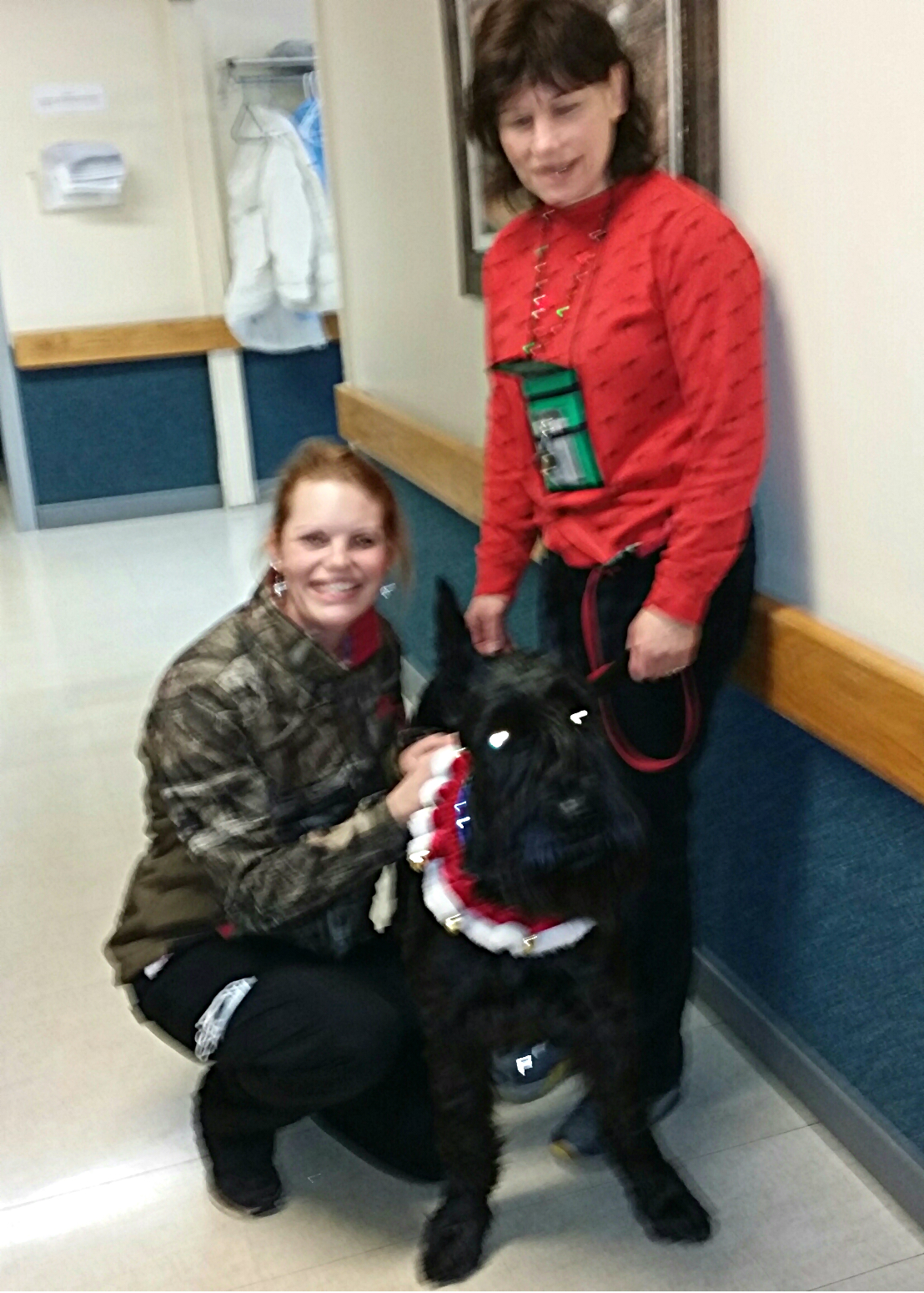
I hope you will read some of the Our Stories, starting with Chance. This is nearly the same condition that happened to my Giant Schnauzer Chance.
https://www.secondchanceaihadogs.com/our-stories/chance
Out of all the blood diseases, this one is the most puzzling to many vets and also the most complicated to treat. Can I assure you that you have been doing a great job considering how complex this is.
In short, what eventually saved Chance’s life was Dr. Dodds Bone Marrow Failure protocol. You can read, print and save a copy by going to this link on our site:
https://www.secondchanceaihadogs.com/hemopetresources
Click on the third item Dr. Dodds Immune-Mediated Hematological Disease and Bone Marrow Failure. This will open a window of the document, you can click on the arrow to open it in a new tab.
This protocol is written specifically for the complexity of treating this profound bone marrow failure. Read especially this section of the protocol that starts with “3) For severe cases, other immunosuppressive therapy is given.”
Sometimes there are other complications that make treatment more difficult. Simply if there are other conditions in they body causing disease, the body may go into a state of “anemia of chronic disease.”
It would be helpful if you could please get copies of the 2 most recent CBC complete blood count and Chemistry Screens and send them to us using the Urgent Advice form on the page. I can look them over and see if there are some indicators of something else amiss that is contributing to this. Any lab tests reports would also be helpful.
https://www.secondchanceaihadogs.com/urgent-advice
Please do not give up hope, it is always possible to find something important that changes the outcome. I never gave up on Chance and he survived this as has many other dogs on this forum. We are here to help you.
my best, patrice