Forum Replies Created
Terri,
I am sorry to read about your Lhasa Apso. How is she doing?
I am more optimistic about dogs recovering from this condition. If a clinic sees a dog with these symptoms immediately, does the proper diagnostics and applies a valid and proven protocol there can be good outcomes.
Where the difficulty arises can be with the diagnostics. There are several ways that IMHA can affect a dog. The term IMHA, immune mediated hemolytic anemia, implies that there is “something or some things” mediating the destruction of red blood cells. In recent years, researchers now feel that there have always been several contributors or triggers that accelerated this condition but they weren’t as apparent to vets because they didn’t do enough diagnostics to find the cause(s.)
So there is a long list of things that can activate the immune system to not be “tolerant of self.” The more common things should be ruled out immediately. We think of insults to the immune system as stressors. So high on the list are, in no particular order: genetics (inherited immune system sensitivities), stress like over-vaccination, insults such as bee stings, venomous bites, virus and bacterial infections like tick diseases, dog flu, leptospirosis etc, exposure to certain drugs, toxic exposure to poisons. Other triggers can be things like chronic diseases or tumors.
Each of things should be ruled out, one after the other, so that anything that can be treated is checked for. For instance I see your vet has prescribed doxycycline which is the most potent and best treatment for various tick disease. The vet may or may not have tested for tick disease, which I usually recommend you ask about. But it is wise to start the treatment.
I see that they did xrays, did they comment about what they saw? They were looking for tumors and other growths that might be driving the anemia.
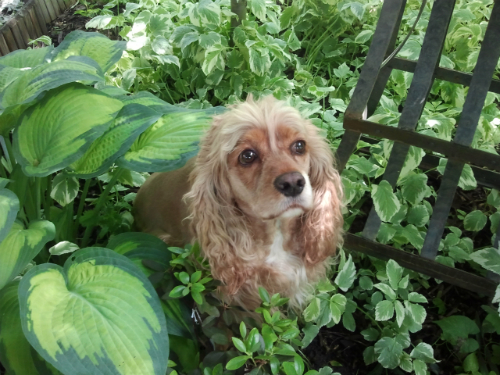
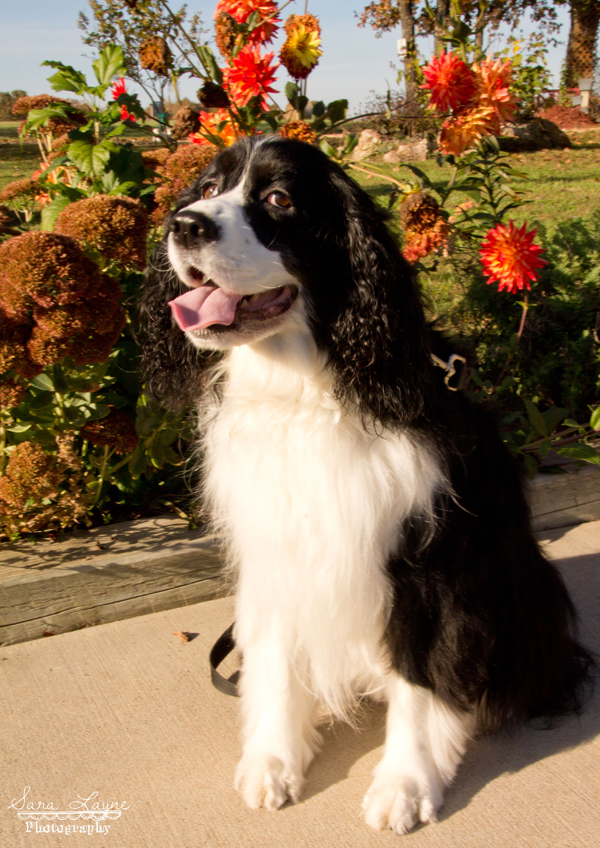
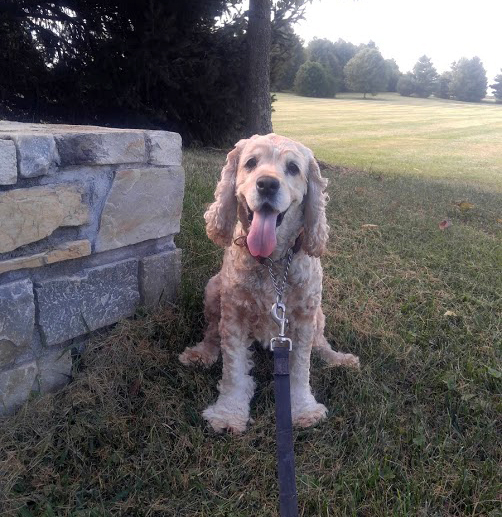
Unfortunately some breeds are more susceptible because of their genetics. “Dog breeds most commonly affected include Cocker spaniels, English Springer spaniels, Collies, Poodles, Old English sheepdogs, Lhasa Apsos, Shih Tzus, and Labrador retrievers, although any breed is susceptible.”
Keep in mind that it takes multiple stressors to tip the immune system in the wrong direction. So a good vet will look carefully at the history and evaluate for all these things. The other important thing is the initial emergency treatment. As Vally says, they will give prednisone immediately and, if necessary, a transfusion to buy time for the prednisone to sufficiently suppress the immune system.
After a few weeks, it is usually advisable to add a second medication to assist in suppressing certain parts of the immune system. The real goal is consistent and progressive suppression of the immune system without the difficult side effects of prednisone.
So your vet started the protocol they use and added mycophenelate (Cellcept) as an additional drug. This is a good choice. And they added stomach protection to help prevent the prednisone from causing stomach ulcers.
So once all the diagnostics have been done, a transfusion to buy time and a good drug protocol, the goal is to keep your girl as healthy as possible so she can tolerate the continuation of the protocol. Dogs on prednisone have ravenous appetites and drink tons of water, peeing all the time. But prednisone is not a good long term drug to be on because of side effects like this.
So, the big picture is, it appears your vet applied the emergency protocol properly. We want to see positive changes in the upcoming days. You might have to expect another transfusion, that would not be unusual. Dogs are very different, one from the other, with this. Some dogs are not bothered by very low PCV HCT while other dogs are more sensitive. But I have seen amazing will to live from the dogs we have helped. Your girl is very busy trying to heal herself. Stay positive for her sake and let her see you happy to be with her.
Please update us when you can,
my best, patrice
Dear Allan,
I am so very grieved to read this. I had not expected to hear this.
I know that as owners we try so hard to make sure we do everything to fix what is wrong. We know our dog is relying on us to make it all good again. But sometimes the thing we want most is elusive, just out of reach. The more we want it the further it slips away.
Those of us who struggle with these dire conditions feel enormous guilt at some point. We are so hard on ourselves. I want you to know that you did everything right. You used the best clinic, learned everything you could, stayed positive and trustful. But the most important thing you did was to be with Zoe and that was truly what she wanted most.
Dogs do not fear death, they have no way to imagine the future. I am positive that Zoe lived in the moment of each day and was perfectly satisfied for it to be that way. I am also sure that she would not want you to feel so responsible and hurt so much. She would want you to run around really fast in a field of grass, roll around in it, get a nice cold drink in a stream and then take a long nap under a shady tree.
I know this is so fresh and raw. Time will smooth away the rough edges and only the wonderful memories will prevail. You both loved each other so much that it is worthy to fill your thoughts with the things that you both enjoyed.
I do know that your life will change and you will be different in many ways you do not understand quite yet. People will meet you and they will notice something appealingly different about you that they can’t quite put their finger on. But it is Zoe within you that they sense. Your life will be full of quiet grace and empathy for others.
As Zoe knew, without words, humans need to be reminded many times a day how much we should celebrate our day, how often we need to remind those in our life how happy we are that they came home, that the best things are eating with our family, going outside to play and relaxing on the couch together in the evening.
We are always here on the “couch.” You can come back a year from now, sit down and we will still be here to listen and help you remember beautiful Zoe. Perhaps in the future you will want to spend some time on this forum helping other owners, listening to them and giving them advice. When you are ready to do that please let us know.
My deepest sympathy to you and your family,
Patrice
Allan,
Sorry for the delay in responding. I’ve had some serious technical details with the website but I finally was able to fix some of the problems.
So good to hear that Zoe is still doing ok! Your vet is correct, you are treating her as best as possible right now. A PCV HCT of 30 is considered moderate to mild anemia. It’s not serious. Her body is working very hard to recover and has some difficult things to overcome.
Indeed the prednisone is a very strong drug. This is why Dr. Dodds and now many other vets are using a secondary immunosuppressant, like cyclosporine, in order to shift the job away from the prednisone and onto the cyclo. This gives some wiggle room to begin slowly decreasing the prednisone.
Cyclosporine is an interesting drug. Years ago when human medicine began exploring heart transplants the biggest worry was rejection of the heart by the immune system. These early patients were put on high dose prednisone to prevent that. It wasn’t too long before they realized that this was not ideal for the patients, the side effects were global and made the patients very sick.
So cyclosporine was eventually discovered and developed as the perfect immunosuppressive for these patients. It is a fungi and has the amazing ability to target just the T-Cell lymphocytes in the body, also known as killer t-cells. These white blood cells receive their instructions from the thymus gland and sometimes in autoimmune disease they can go rogue, turning on “self.” The side effects of the drug are minimal compared to prednisone. Dr. Dodds started using the human form of the drug to treat dogs many years ago. Later, Atopica, the veterinary brand of cyclosporine was researched and tested for canine atopic dermatitis, dog inhaled allergies. Amazingly dogs responded to the drug well and it began to slowly be utilized in some clinics for autoimmune diseases like AIHA IMHA, bone marrow failure. Chance was treated with cyclosporin for his bone marrow failure and it saved his life.
So you are seeing the most common side effects, rear end weakness, body fat and fluids shift and are redistributed to different locations in the body giving it a pot belly look, the muscles atrophy especially around the head, constant drinking and peeing, hair loss. This condition is called Iatrogenic Cushings Disease. It simply means that a drug is causing the condition. Organic Cushings Disease is a disruption of the adrenal glands, usually caused by a tumor, that releases too much cortisol in the body. Iatrogenic is the use of extreme high doses of prednisone that are equivalent to the body’s cortisol but too much. It has global effects on every part of the body. Once you remove the prednisone most of this will go away.
We have a couple of resources that go into depth about the side effects. See this page, and just click on the pictures of the articles to view the content.
https://www.secondchanceaihadogs.com/dermatology-resources
I’ve also written up a prednisone reduction guideline. This was developed from years of working with owners on this list and noticing that this disease seems prone to relapse when the drugs are reduced too quickly. Every vet and clinic has their own reduction protocol, but sometimes theirs is too rapid, as far as we are concerned.
https://www.secondchanceaihadogs.com/AIHA_Terms/prednisone-dose-reduction
So one of the organs that is most effected by prednisone is the liver and I imagine if I looked at your chemical screen I would see very high values for ALKP and ALT. These are enzymes released by the liver as it processes prednisone. This involves cell death of the liver. But, unless there was organic liver disease prior to this condition, the liver will regenerate and recover back to normal. So this inflamed liver is very painful and is probably another reason why Zoe is feeling under the weather. I always recommend Denamarin (a combination of SAMe and Silybin ) to support and heal the liver. When Chance was at his worse his ALKP was much higher than normal. Normal high is around 214, his was upwards of 8,000. He was in great pain but the Denamarin, given nightly, quickly dropped this number down towards 300. I was very pleased.
Needless to say, her body is very deconditioned and it is wise not to stress her too much with activity. The joints are loose and the muscles are not supporting her body weight well. This can progress to orthopedic injuries. No type of active exercise is going to build up her muscles right now because of the prednisone. Doing simple joint mobilizations and massage is probably the best exercises you can give her now.
Do not worry at all about the drug for heartworm. It is dosed in minuscule amounts. If a dog were to contract heartworm, the vet would use the same exact drug to treat with but it would be in very high doses every day for months to kill off the worms in the body. So you are giving her a very small dose, just enough to kill the larvae at a very early stage. Dr. Dodds advised me to use Interceptor for Chance and dose it at 45 day intervals, that is still preventative but there is zero wiggle room if you forget. So I still dose at 45 days for all my dogs. This information was from a study done to see how long the effective dose would be. So even if you dose every 40 days you will be fine. Manufacturers are probably right when they think people forget to give the drug properly every month!
Ticks are just as worrisome, if not more, because they can carry multiple tick diseases. All of these are extremely serious for humans and dogs. Be vigilant about checking her daily for ticks. But even then some early ticks, nymphs, (also called seed ticks and are so small they can’t be detected.) However they do carry disease. One suggestion is to bath a dog with Ivory or Dawn in the shower immediately after returning home to rinse away all the seed ticks. Towel towel towel and comb comb comb.
I told you I had to stop the Proin for my older Giant. She began having syncopes and really stopped eating. My vet suggested we try Incurin and it has worked very well! She is doing much better, eating, is more active and back to being able to jump up on the couch. The nice thing is that though you start at an initial loading dose, you can easily decrease it until you are only giving it sometimes as little as once a week. I do recommend this.
I agree, Blue Pearl is an excellent facility and the owners we have helped who used this clinic all said wonderful things about the staff and the care.
So a PCV of 30 is a good number. I have noticed over the years, informally, that many of our recovered dogs never get back up the normal average PCV HCT of 45. Some tend to hover around 36-38. But as I explained, the reticulocyte value is far more critical to monitor. Once you see 1% and 60,000 absolute reticulocytes on your CBC’s that is indicating that her body is satified with the amount of oxygen reaching her body cells. Whatever the HCT is at that point is going to be her normal value.
I know you want to know -why- she isn’t up above 30. Keep your eyes on the reticulocyte value each time. If she is regenerative you should see values like 1.5-2% or higher and maybe around 80-100,000 absolute reticulocytes. If her body is ok, you will see 1% and 60,000. Anything below this is consider non-regenerative and means the body is not meeting the need to send more O2 to the body cells.
Another thing to consider is that we may never know the exact combination of triggers that led to this. There may be one still in play that is causing this resistance to get over 30. One complex reason is a condition called Anemia of Chronic Disease. This is difficult to explain. In simple terms there may be some condition in the body that is not getting better. Often it is related to inflammatory cytokines, that causes an overall inflammatory response in the body.
Here is an Merck Manual discussion of anemia of chronic disease. It’s not easy to read or understand but it is often the reason why dogs continue to remain mildly anemic. If you have questions after reading this please ask me to help explain it.
Keep us up to date, anxious to hear when you start decreasing the prednisone.
my best, patrice
Hi Trina,
I’d be very curious to see the CBC and Chem Screen from the university.
I am not sure what their complete objection was to the diagnosis of Bartonella. It is known that some dogs never clear their system of Bartonella. You could call them carriers if you want, but in any case it can relapse in some dogs. There isn’t a specific treatment for this disease.
I also want to know if anyone has checked for all tick diseases. The easiest and cheapest screening test is called SNAP4DX+ It tests for 4 tick diseases and heartworm. The test only takes a small amount of blood and the results are ready in about 8 minutes. See this page about the Snap Assay Device and look at page 5 for this test. https://www.secondchanceaihadogs.com/wp-content/uploads/2017/02/SNAP-Assay-Technology.pdf
It is very possible this is also one or more chronic tick diseases. I am concerned about coinfections of Lyme, Erhlichiosis and Anaplasmosis. This test will look for these. Lyme has a particularly strong co-infection with Bartonella.
I think it’s important to stop for a second and think about the kinds of things that can lead to the expression of IMHA in dogs. Owners often want to know why their dog is so sick and that is understandable. So did I. But sometimes the triggers that lead to these diseases; AIHA, IMHA, non-regenerative anemia, bone marrow failure are multiple and sometimes those triggers can not be identified and more importantly treated. In those cases it is critical to do enough tests to determine if a treatable condition exists.
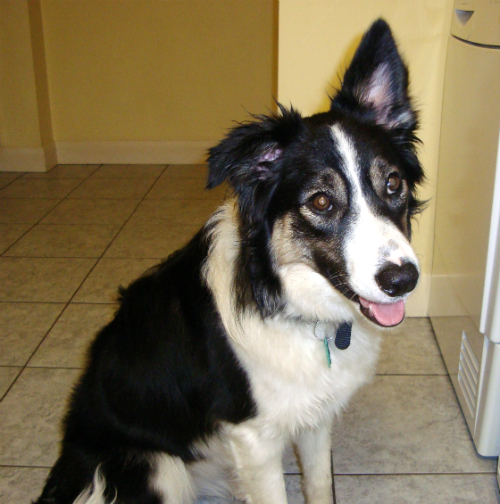
One of the things we know about Border Collies is that they have a particular genetic disorder from a mutation called MDRI that affects how they respond to certain medicines. This defect allows certain medications and other agents to pass through the blood-brain barrier. Using certain drugs in a Collie that carries this mutation can cause serious reactions. MDR1 is the abbreviated name of the gene called Multi-Drug Resistance.
Here is a list of some of those:
1. Antiparasitic agents: ivermectin, milbemycin oxime, selecamectin, moxidectin, abamectin
2. Gastrointestinal agents: loperamide (over-the-counter antidiarrheal agents, e.g., imodium AD, some formulas of Kaopectate and PeptoBismol)
3. Anticancer agents: oxorubicin, vincristine, vinblastine
4. Immunosuppressive agents: Cyclosporin, cyclosporin A, tacrolimus
5. Cardiac agents: digoxin, quinidine
6. Antibiotics: erythromycin, grepafloxacin
7. Steroids: dexamethasone, hydrocortisone
8. Tranquilizers: acepromazine
9. Pain control: butorphanol, ondansetron
Some drugs that could affect sensitive Collies:
domperidone
paclitaxel
mitoxantrone
etoposide
rifampicin
morphine
I wanted you to know this for your reference but also understand that this particular genetic defect is probably not related to IMHA but might cause other symptoms in tandem.
So what are some of the big triggers for IMHA and exactly which of those did your multiple vets test for?
Dr. Dodds has written a fantastic explanation called The Canine Immune system and Disease Resistance. See this article:
https://www.secondchanceaihadogs.com/wp-content/uploads/2017/06/The-Canine-Immune-System-and-Disease-Resistance.pdf
She has a good summary in the middle of the page:
“The four main causative factors of autoimmune disease have been stated to be: genetic predisposition; hormonal influences, especially of sex hormones; infections, especially of viruses; and stress.”
She discusses thyroid contributions to immune diseases, as well as vaccinations, and cancer.
At the bottom in Table 1 she goes into detail about triggers for the expression of autoimmune disease. She lists genetic or familial history as one of her main four factors. Border Collies are one of about 8 breeds who are known to have a strong tendency to autoimmune conditions.
So if we combine the four main causative factors we find Vienna has genetic predisposition, possible exposure to viruses and stress. We don’t know about her hormonal influences or infections. These would be something to evaluate as possible triggers as well. If there is an infection treatment might help.
So what can we do about these triggers? We can’t control genetic influences, but we might be suspicious of the bacteria infection she had, Bartonella.
You asked about hypothyroidism and the connection with IMHA and other conditions like bone marrow failure and non-regenerative anemia and you mention that her coat fell out. Prednisone can definitely cause the coat to fall out but it can also be related to hypothyroidism and is one of the first signs of it in dogs. Chance was a Giant Schnauzer, they have hair not fur, and his coat was completely shot, he did not grow much hair during his treatments and what he had was like a brillo pad.
The thyroid gland plays a large role in the body and influences many systems and organs. You might think of it as the leader of the band. With illness the thyroid gland can slow it’s contribution to certain processes, one of which is the production of red blood cells and platelets in the bone marrow. If there is a refractory anemia, one that doesn’t seem to respond to treatment, utilizing the “push” power of thyroid hormones can “jump start” the production of red blood cells. The thyroid tests may show a normal value in a dog but it might be at the very lowest normal value. Stimulating the thyroid gland in these cases with thyroid hormone can actually encourage the bone marrow to produce again. She this reference from Dr. Dodds, one of the most poignant statements is “Anemia is often the first sign of hypothyroidism” :
https://www.secondchanceaihadogs.com/wp-content/uploads/2016/07/Thyroid-Hematopoiesis.pdf
So a number of dogs we have helped, and both my Chance and Vally’s Bingo responded to thyroid supplementation. Chance had already been diagnosed with hypothyroidism previously. This was a critical additional treatment for the IMHA.
Vitamins. Well, a dog can get most of all their needs through food. If they are not eating well then supplementation is appropriate, but it’s wise to be cautious. Some supplements in too great of a quantity can do great harm. Iron is one of these because it is stored in the liver and too much could lead to toxicity. So avoid specific iron tablets.
If you want a quick and easy supplement Dr. Dodds always recommend Pet Tinic. So the type of anemia that is related to nutritional deficiencies is not very common. The major ingredients the bone marrow needs to build new red blood cells are B12 (cobalamin), iron (ferritin) and folic acid. These are generally stored in the liver. If the liver is inflamed or has other organic disease it might not store or release enough. So there can be a deficiency that is related to problems with the liver.
There can also be a deficiency of B12 due to specific disease of the small intestine. This is common in dogs and is called SIBO small intestine bacterial overgrowth. This inflammatory condition can interfere with absorption of nutrients, most specifically B12. No amount of oral administration will supplement this, it is given as an injection. I gave these to Chance when he had bone marrow failure, along with his thyroid supplements.
Other than these, the best nutrition is easy to digest foods. High quality lean protein is very important, as is moderate to low fat and easy to digest carbs. The diet we usually recommend is Dr. Dodds liver sparing diet:
https://www.secondchanceaihadogs.com/wp-content/uploads/2015/08/Cleansing-Diets.pdf
Finally. Ulcers are a huge problem in the treatment of IMHA. Too many vets ignore how volatile the combination of the extremely low pH of the dog’s stomach acid is combined with the erosiveness of prednisone and forget to offer stomach protection. I have seen many cases of ulcers in dogs being treated and some dogs have died from their ulcers. The blood loss on a regular basis can lead to it’s own contribution to anemia. Even simple generic pepcid once a day 30 min before meals is an easy supplement.
Since I haven’t seen any of the paperwork or tests it’s really hard for me to pin down exactly what is happening. I feel that the vaccination combined with her exposure to Bartonella and her being a Border Collie could have contributed. These are 3 of Dr. Dodds main triggers. If she was stressed out that could have also contributed.
You may never know everything. When Chance was so ill, there wasn’t a lot of information available, it was long ago enough that the internet didn’t have much. It literally took 10 years before new research came out and I was able to carefully piece together all of it to finally figure out what had happened. I knew a lot and I had a good idea what it was, but it was the research that finally showed me I was correct.
What was important was that Dr. Dodds had faith that her protocol would work for him and that he would survive, even though all the medical experts said that he probably wouldn’t. Administering the protocol, with blind faith, was the most important thing I did.
We were both quite pleased he survived and returned to his normal self again. With each dog we help, though, I do relive all the pain of watching Chance get sicker each day. It never is easy to watch other dogs go through this.
Have I answered some of your questions? Patrice
Allan.
I’m glad this was helpful and I appreciate that you were able to read some it, I made some typing mistakes and in places it was a bit confusing.
It’s so good to hear that she is responding well to the protocol! It’s always a good sign when a dog starts acting like they feel better!
I will never forget the first day Chance felt better. It had been a very long year and it was such a wonderful Christmas present to me. You can read Chance’s story and see a picture of him with the vet when she announced he was healthy again!
https://www.secondchanceaihadogs.com/our-stories/chance
I do want to remind you, as Vally has also said, please go slowly on reduction of the prednisone. We are both experienced with this process. We know how it has not gone well for some owners (and vets) who rushed the decreases.
I have written up my guideline for prednisone reduction, based on the experiences of hundreds of owners over the years. It wasn’t gathered scientifically, but it is based on valid medical science. This is under our AIHA Terms, a glossary that we have built to help owners understand all the complicated language they are exposed to.
https://www.secondchanceaihadogs.com/AIHA_Terms/prednisone-dose-reduction
We are always here to help owners make educated decisions, not rely on emotion to make important choices. I have spent 11 years trying to build the site so that there is plenty of information available.
Because AIHA IMHA and bone marrow failure are such complex diseases there are many other conditions that come about because of complications or side effects from drugs. So I have information about those things as well. For instance long term high dose use of prednisone can cause something called Iatrogenic Cushing’s Disease. This means that the body is being flooded by too much cortisol, but not by a tumor but rather a drug. This will cause serious side effects and Cushing’s like symptoms are one of these. The whole body is affected by these high levels of cortisol. There are so many symptoms that almost seem worst than the disease that it is very discouraging to owners. We try to explain that this is temporary and once the prednisone is reduced they will go away, thus the word Iatrogenic. So I have a number of resources that describe the difficulties with prednisone. Find them on this page:
https://www.secondchanceaihadogs.com/dermatology-resources
Yes, I should have also mentioned what Dr. Dodds always references when talking about vaccination protocols. Every location often has their own particular group of diseases that are more prominent and local vets know about these. They are well versed in which dogs are contracting them and what is needed to stay safe in your community. Where you are, a warmer climate, you are have a much higher rate of heart worm than we do in NYS. The CAPC map shows that vividly, see below.
For instance tick diseases vary across the US and even from county to county. A not for profit organization Companion Animal Parasite Council provides an interactive map on their website that turns reported positive results from vets offices into a navigational map that is up to date. You can check your state and even drill down to your county to see how many dogs around you have contracted a particular tick disease or heart worm. For instance here is the US map for heartworm.
https://capcvet.org/maps/#2019/all/heartworm-canine/dog/united-states/
I have also set up a monthly email report for my county and several around me so I am up to date on which diseases are showing up in great numbers where I am. Remember, ticks don’t know about state and county boundarys, if the county next to you is high, it probably is also high in your country. And finally, these are only actual reported diagnosed positive cases. CAPC estimates that these numbers may be much lower than the actual number of cases. So if a county next to you shows a medium risk and yours shows no risk, you can be pretty sure it is more like a high risk in both counties.
So you asked about Leptospirosis, this is not on this map. But never-the-less it is a very serious and sometimes deadly disease which can only cared for by managing symptoms. I have studied this and the associated vaccine carefully. There are multiple strains of this and the vaccine may not necessarily cover the particular strain in your area. The vaccine does not last long and needs to be repeatedly given to be effective. Your vet is the best person to help you with this. Dr. Dodds has significant information about this vaccine and the disease as well. When you go to this page you will find many vaccine resources. She covers Leptospirosis in the Non Core Vaccines link. In this article she will explain exactly what you need to do about making this decision.
Leptospirosis is a disease commonly picked up in muddy wetlands and areas where other animals may urinate (how it is passed.) I have chosen to avoid this vaccine for my dogs but I also insist that neither of us expose dogs to this kind of environment. They aren’t allowed (to the best of our ability) to go into mucky back country wetlands and ponds. It’s not a perfect solution. However this vaccine scares me because it does have a reputation to be a problematic vaccine in terms of negative side effects. Read this information and make your own choice after talking with your vet.
https://www.secondchanceaihadogs.com/vaccine-resources
Remember that the vaccines she was given were not the one and only specific trigger for the IMHA, there are probably several others that contributed. Avoiding vaccines is a good thing to plan on but from now on you should be very alert for changes in her behavior. Relapses do happen but usually owners are paying more attention and catch it fast.
So avoid boarding kennels, exposing to a lot of different dogs (no dog parks), walking in places where a lot of dogs visit, keeping your backyard immaculate, visiting the vet at least once every two months. Monitor gums frequently. Evaluate body tone once a week. On this page is an article Dr. Dodds wrote The Canine Immune System and Disease Resistance. It is really the best I have ever read explaining how the immune system works and what are the multiple triggers that set off a dog’s immune system.
https://www.secondchanceaihadogs.com/canine-disease-resources
Keep posting progress reports. We get very nervous when we suddenly stop hearing from an owner!
My best, Patrice
Alan,
My apologies for being MIA. I’ve just read through your comprehensive report. Let me address things in that order.
It is a shame that you did not have access to Dr. Dodds minimum vaccination schedule in June. I do agree that this was an overwhelming number of vaccinations. And is likely -one- of the triggers that caused this onset of IMHA. Dr. Dodds is not anti-vax and she does recommend responsible vaccinations. But she is also clear that once a dog has had their proper puppy series they have developed life long immunity to the diseases they were vaccinated against, except for the legally required rabies. From this point on you will never allow a vet to talk you into “updating or boostering those vaccines!” Print Dr. Dodds Minimal Vaccination Schedule and carry it with you when you visit any vet. Also keep copies of the past vaccines so you can prove that they have been given properly.
Go to this page: https://www.secondchanceaihadogs.com/vaccine-resources
Click on the picture of 2016 Dodds Vaccination Protocol for Dogs
It will open the website page for this protocol. Print it.
What is a titer, that Dr. Dodds recommends? Many years ago, breeders started questioning, “how do we know that all the puppies in the litter actually responded to their vaccinations and developed appropriate immunity?” Titers were developed for human health. The antibody titer is a test that detects the presence and measures the amount of antibodies within the blood. The amount and diversity of antibodies correlates to the strength of the body’s immune response. So breeders began doing titers on their puppies to make sure that the puppy series of vaccinations had indeed taken hold.
Titers are not very well known and somewhat unpopular with some of the veterinary community. It’s complicated by the fact that most don’t really understand what titers mean. The titer measures a moment in time and returns a report that at that point, but body has sufficient antibodies to protect against that disease. If a dog were to be exposed this disease that level would indicate sufficient protection against disease. What it cannot tell us is if the dog’s immune system can respond well enough to the challenge. Dogs that are not well may have an inadequate response to the immune system challenge. Thus Dr. Dodds recommends performing titers every three years. Her non profit Hemopet.org provides these titer tests via mail.
I have never had any of my dogs re-vaccinated except for the mandatory rabies vaccination and I have had the titers done by Dr. Dodds every 3 years. She assures me my dogs all have immunity.
Rabies is the vaccine that is the most dangerous of all of them. Considering the severe response Zoe has had to vaccinations it would be advisable to get an exemption written by your vet. This exemption is to provide your local licensing body so they can exempt Zoe from any rabies vaccinations. However it is not a perfect solution, Zoe would still fall under the rabies law of your state if she bit someone or was in contact with a wild animal, and those repercussions can be pretty drastic for a dog that is “unvaccinated.” So I do caution that you discuss this carefully with your vet. In any case I highly recommend Zoe never gets another vaccine again if at all possible. But it will be your responsibility to make sure she never engages with a human or wild animal so that it won’t trigger the authorities.
Zoe really had a severe reaction, HCT PCV 15% is considered severe anemia. I am not sure I agree with 5 transfusions in 6 days, mainly because transfusions are not benign treatments. Blood types in dogs are different that in humans, they have about 11 different types that complicate transfusions. Funny though, their first transfusion is always free of complications so they can accept any blood type. But from that point on, whatever type that was changes their type so each transfusion must be typed and matched for safety. So even if this process is done properly, a dog can have a transfusion reaction or difficulties with the transfusion if it is not done slowly enough. So each single incident of a transfusion is risky. I would like to know if they were using intravenous Dexamethasone instead of oral prednisone. This would be a far stronger immunosuppressive and might have slowed down the autoimmune attack on the RBC faster, thus reducing the need for so many transfusions. The fact is though, she survived all of this.
The drugs they started with are quite acceptable. The Prednisone performs a rapid and severe depression of the immune system which is really necessary in a serious situation like this.
Mycophenolate or CellCept is a different type of modulator of a single part of the immune system most responsible for the destruction of RBC. These are called T-cell lymphocytes or “killer” t-cells. They are actually a normal part of the immune system function and usually do a great job. They are made in the bone marrow and then are sent to the thymus gland where they are “instructed” what to do. Sometimes they can go rogue and start attacking “self.” This is not limited to dogs but is similar to many human autoimmune diseases. CellCept is not a veterinary drug but is used in human medicine, the same as prednisone. But many drugs are used in this manner, due to the lack of enough money and interest in doing complex trials on dogs. But plenty of vet clinics have experimented with different protocols and have found this drug to be effective, in recent years.
Omeprazole is used to treat symptoms caused by excess stomach acid. Prednisone is particularly erosive in the stomach and combined with stomach acid can lead to severe ulcers in dogs (who usually have a much lower pH acid than humans.) Do not discontinue this until you stop giving prednisone. It is best given about 30 min to 1 hour before meals. Give prednisone in the middle of the meal wrapped in some treat like a little tiny meat and bread sandwich. This will help get it past the esophagus and deliver it to the stomach where the acid pH will be reduced.
Clipodogrel (Plavix) is a critical drug in dogs having these severe hemolytic attacks on the RBC. This releases so much debris from broken RBC into the blood stream that the body has trouble determining whether there should be blood clotting in the vessels or not. This can lead to a clotting cascade that is severe and to a condition called DIC disseminated intravascular coagulation, which is disorganized global clotting. A clinic can sometimes halt this if they have emergency protocols for it, but it is very complex. I am pleased that this was not the case for Zoe and I am positive that this was due to the clinic staff being on their toes.
Your vet was correct that this was a tricky case and that she might not make it. Considering the severity she did survive. We have seen this before here on Second Chance, dogs that had such a great will to live that they survived the very worst.
So at home, after a few weeks she rose to 30% PCV HCT and this is considered mild anemia. The low normal for dogs and humans is around 38-40% except in some sight hounds, whose range is closer to 55%.
So there was some dropping back a few points and that is normal considering the number of transfusions she had. The next thing I need to explain are the reticulocytes.
Reticulocytes are the “baby blood” cells of the bone marrow. These are the gold standard for determining whether a dog or human has regenerative anemia. This is sometimes hard to understand.
Our body is always destroying old RBC at around 120 days of life (never all of them at once) and making new baby blood cells in the bone marrow. We break and make RBC every day of our lives. We measure this process by evaluating the number of reticulocytes. These cells are larger than mature RBC because they still contain the RNA from the early stages, the RNA is seen to be “reticular” material inside the cell and when stained looks purple inside the cell. They usually take about 3-4 days to mature, drop the RNA and become RBC. The number that is an absolute number in terms of normal expectations is 60,000 absolute and about 1% of the total blood elements. That does not vary from humans or dogs. If you have this value, you are properly regenerative and this a normal level. So in most cases, when a human or dog has this value, they are considered normal, the HCT usually reflects this as being up around 45%, give or take.
So the sensor that tells the bone marrow what to do is, believe it or not, the kidneys. They monitor and receive messages from body cells telling them “we are getting enough oxygen to the body cells” or “we are not getting enough O2 to the body cells.” The kidneys will respond to a low O2 message by releasing a hormone Erythropoietin (EPO) to the bone marrow, MAKE MORE RETICULOCYTES NOW.
So if the HCT PCV drops to 15 % the message is loud and clear, make a whole lot of RBC immediately, so many in fact that the bone marrow will push the reticulocytes out early into circulation in response to the needs. This is a critical measurement in the CBC complete blood count. So to respond to the need at say 15% HCT, there might be as many as 500,000 absolute and 3-5% reticulocytes in the blood! If, however the lab only seeing about 40,000 absolute and <1%, the dog is considered non-regenerative.
In a dog like Zoe that loses so many RBC in such a short time the bone marrow is not able to keep up, every time they pump out more into circulation, they are destroyed.
Here is a simple way to understand this. Let’s say you have a glass and you fill it up with water at the tap. It fills and you set it down. Over a few days, evaporation will deplete some of the water, but the glass will remain pretty full. You top off the glass at the tap with small amounts of water. This is the body during normal days.
But lets say there is a hole in the bottom of the glass, you can keep trying to refill the glass but eventually you are unable to do so, the hole is too big. So comparing this to reticuloyctes, sometimes it is an ominous sign that there is massive reticulocytosis and the HCT PCV fails to respond.
So vice versa, if the dog’s PCV HCT begins to rise towards normal, the kidneys are responded to the cells message, “hey the RBCs with all that great hemoglobin are bringing us plenty of O2” and that slows down the reticulocyte values. Some owners get worried when they see this number drop and this is how I help them understand that this is a feedback loop and things are returning to normal.
So going forward with Zoe, you may never see her reach the average HCT PCV she may have been at before in her earlier life. But if you reach, say 36-38% and her reticulocyte values is 60,000 absolute 1%, then you KNOW that the body considers this normal. Do not fixate on the HCT or PCV after this time, monitor the reticulocytes to make sure her body is comfortable wherever she lands in terms of HCT PCV. By the way, in all our dogs on this list, we prefer you test PCV since it is a visual test and rely on that as the true value for Zoe. The HCT is from the automated laser analyzer and may not be quite as accurate.
It is quite possible she did contract “kennel cough” there are some more virulent strains going around in the dog world right now that seem to be more severe. No, the vaccine isn’t very good at protecting a sick dog and it constantly needs to be re-boostered. From now on, plan on never boarding Zoe again in her life. Try to keep her away from many other dogs who may be carrying this or a severe type of dog flu. She is still Zoe, but she needs to be more protected, as many of our dogs needed.
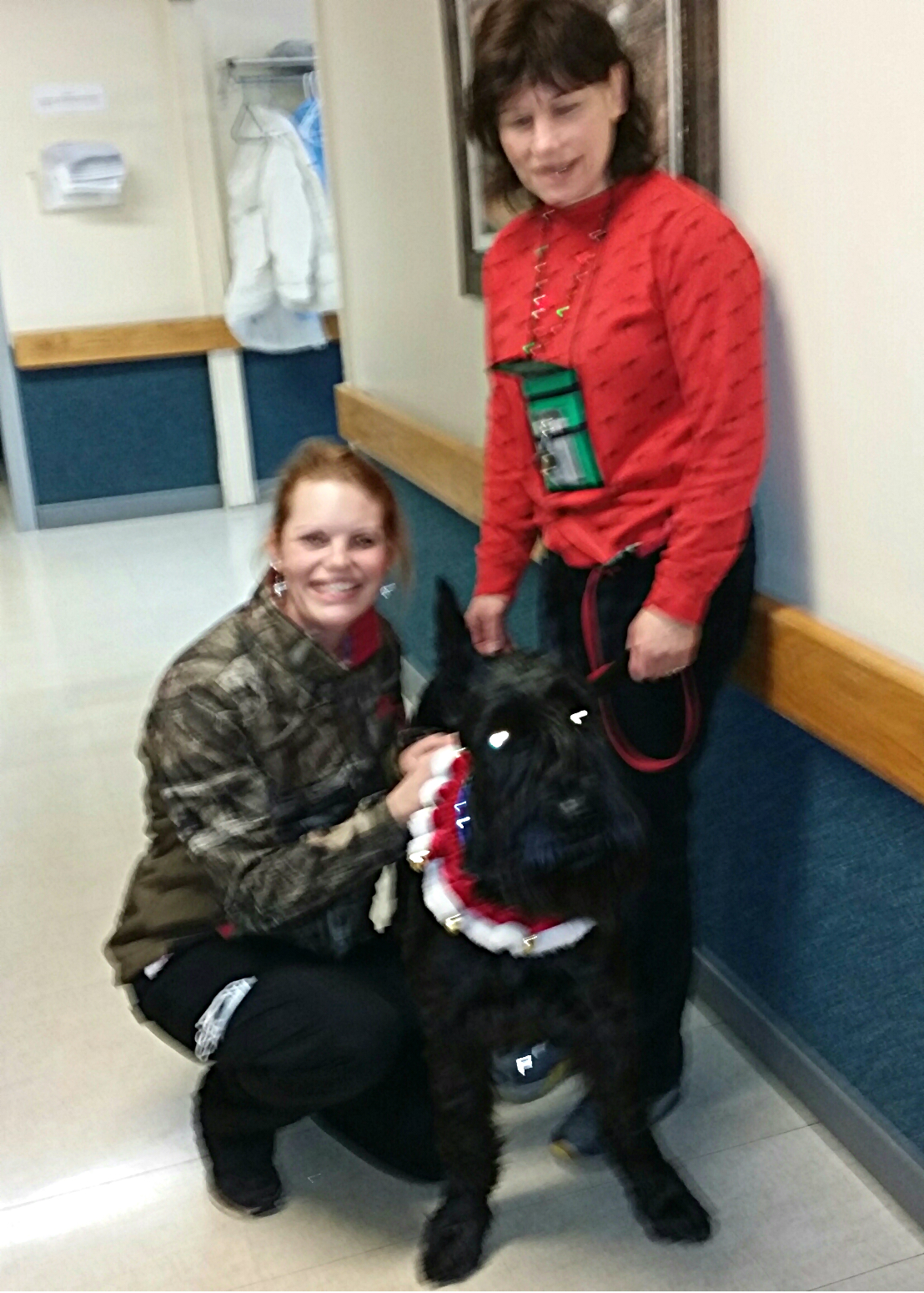
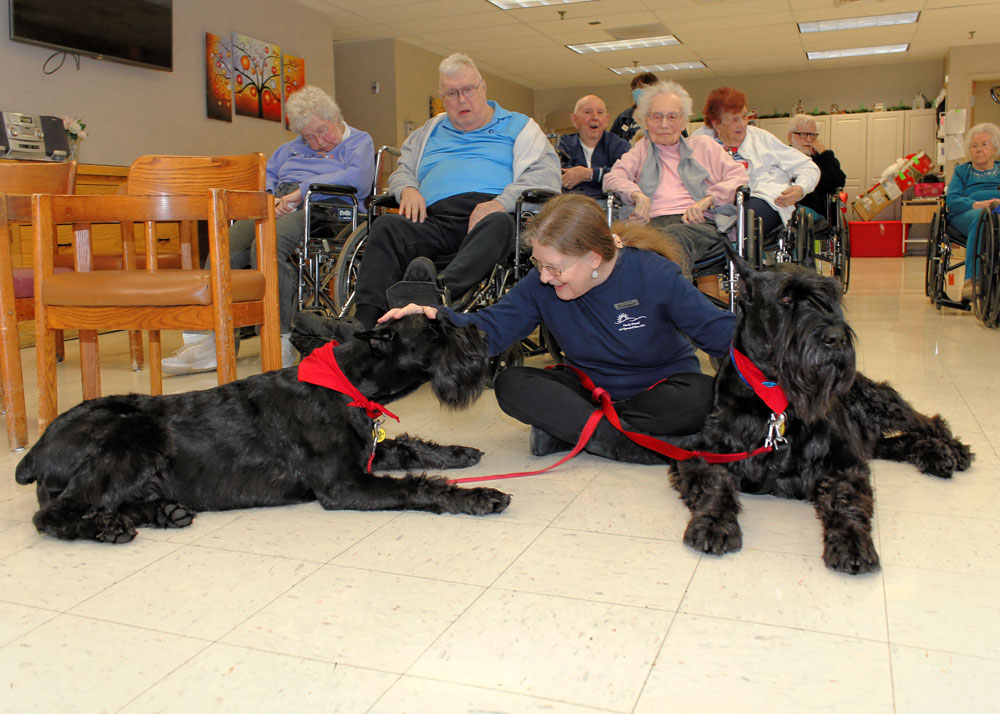
Chance was quite sick and he did recover but yes, he was not quite the same dog coming out of it that he was going in. He had been a therapy dog and I felt I needed to protect him so he made no more visits. He lived another good 3 years and then succumbed to an unrelated heart condition at the good age of 13 for a Giant Schnauzer.
Bingo was also a bit different after coming out of treatment. He was on some form of immune-suppressant the rest of his life because he had a relapse at one point. Do not be alarmed if you also need to do this, keep Zoe on a small dose of prednisone afterwards. Dr. Dodds agrees that these dogs sometimes need this.
I highly recommend you discontinue Proin. I have been using for my 15 year old Giant Schnauzer and while it worked, she did not respond well. She became physically weaker, very tired, fainting (syncope) occasionally and had a severe loss in appetite. Please stop using this right now. I recommend, if you must, using Incurin. This is a hormone and my old girl is doing fantastic on just half the dose. Her appetite is back to normal and she is more active and feeling much better. Older and sick dogs sometimes cannot tolerate medications the same way a younger dog can.
So I have answered your question about the pause in the PCV, if you have more questions, please ask me.
I would say that you need to be very cautious about supplements. There are many products on the market that sound wonderful but these are distributed by people who want to make money. The things that Zoe needs can be met by real food and you can control everything going into her body this way.
So you are on the right track but reconsider the Royal Canin. Let’s try to get her slowly moved over to a homemade diet. Consider the basics of what a dogs needs for proper nutrition. Quality protein, moderate fats and low or no carbohydrates. Dogs are unique in that they can convert fats and proteins into all the blood glucose they need for their body functions.
Think of a canine in the wild, they don’t browse wheat fields. They are more likely to scavenge eggs from nests, eat small prey like bunnies and carrion. In each of these food sources they get the kind of micro nutrition they need. The eggs supply an amazing protein content plus many valuable nutrients. Bunnies intestines contain predigested veggies, some grains and fruits etc plus the organ meats like the liver and heart (which provide the stored nutrients like iron, B12, folic acid, vitamin A.) Plus they provide bones that are small and easily digestible.
So to recreate that in a homemade diet is not too complex. The major difficulty is providing enough calcium to offset the phosphorous in the rest of the diet. You could start with mixing in scrambled egg into her regular food. The liver is a good idea but be cautious to follow this recommendation: 1 ounce of liver per 10 lbs if dog, per week. So my Giants, topping out around 100lbs, get about the equivalent of a little pinky of liver each day. More that than leads to diarrhea.
There are as many home made diets as there are dog owners. You can experiment with different foods, such as cottage cheese, pureed veggies, different meat sources. One super nutrient that Dr. Dodds always recommends are blueberries for dogs. So my dogs get these in their veggie, ground meat, egg mix. They are good antioxidants. My old girl like apples or applesauce. Sometimes I buy a deli chicken and give her some of that. For calcium, if you don’t want to feed a raw diet, you can crush egg shells and put that in the food, about a tsp a day. That will balance out the phosphorous in the meats, veggies and fruit.
I would be cautious with using flea and tick that are ingested. That means they circulate in the blood and you are essentially using your dog’s blood as a carrier to kill ticks and fleas. I have safely used Frontline Top Spot on all my Giants for years, including on Chance when he was sick. It is very effective.
Heartworm can be very dangerous. Dr. Dodds recommended to me Interceptor, which has a different ingredient that most of the other heartworm meds. I have used that for many years as well and I dose it at 45 days not 30. There is no wiggle room on this, be careful, but it is considered an effective window of time.
Really, for true protection, a rethink of lifestyle needs to happen. Do I really need to take my dog into an tick flea mosquito environment every day of the week for exercise? If I do go then I should make sure my dogs are carefully protected and they are toweled down before I leave and checked and bathed when I get home.
I also use permetherin impregnated clothing, dog vests and bandanas that are very effective against ticks and mosquitoes plus other biting insects. I have researched these products carefully and they have been well tested by the US military to be safe to wear. Do not attempt to spray permetherin on your own clothing, buy it impregnated.
I know this is a lot to absorb so please ask me any questions that I have not answered well enough.
my best, Patrice
Jenny,
On the 14th it was 37% and today, 6 days later it is 32%. It’s common to see some variability in the regenerative process. This is still a fine PCV HCT level. It would be classified as mild anemia. She should be feeling and acting better now, is that true?
Make sure she is getting excellent nutrition moderate to low fat and really high quality protein. You can give her a small portion of liver every couple of days (1 ounce per 10 lbs dog per week.) Give her one egg per day, it also has super nutients. If she will eat fruit, try giving her a few blueberries in plain yogurt. Seared plain chicken smells really good, serve it warm so it tastes good.
I would recommend no change in medication doses until she has been stable for at least 2 weeks with a PCV HCT of 38% or higher. Then reduce only 25 % of the prednisone dose and do not reduce until 2 weeks go by and the PCV HCT has remained stable. We would not want to see any relapses, so easy moderate exercise and no stress. She needs plenty of rest.
If she is still on prednisone she should be taking stomach protection. Over the counter regular pepcid is fine, once a day about 30 min to one hour before meal with prednisone. Vally has a handle of the med chart, trust her.
Please don’t worry. We are always here.
My best Patrice
Hi Cindy and Darlene,
I am so sorry both of you are here because of these sudden events. I know you mus t be very frightened and worried. We can help you with this. There is so much to learn but neither of you have the time. We can help you make some important decisions with facts and information. If you can, please upload your latest two CBC and chemical screens on the Urgent Advice page.
I am sure Vally will nod her head when I say that we seem to see a huge increase in reports of AIHA IMHA diagnoses in the spring, well at least here in the US. (It is fall where Vally is.)
Why is this? Dogs that have sensitive immune systems in general tend to react more frequently with autoimmune conditions in the seasons where they are exposed to pollens (canine atopic dermatitis) and tick diseases.
Vaccines are also another trigger as are hormones and stress, plus certain breeds seem to be more prone as well. So a common patient might be a female of a certain breed and age, who may have been in heat recently, was vaccinated with boosters she didn’t need and has experienced certain allergic symptoms like itchy skin, paws and ears and may even have always had certain digestive issues.
So it is a condition that more often than not is triggered by multiple things. Vets now use the term IMHA more often, because it more accurately describes how the condition is triggered. I stands for immune, M is mediated, H is for hemoytic (destruction of red blood cells in circulation) and A for anemia ( a shortage of oxygen being carried to the body cells by red blood cells.)
This condition is considered secondary, or mediated by outside triggers. Our hope is always that those triggers are identified immediately by your vet and that the bulk of the triggers are treatable in some way. So for tick diseases, which should be one of the first things a vet should check for, the treatment is immediate doxycycline.
Primary IMHA has no known triggers, it just happens. Most veterinarians now think along the lines that they haven’t figured out the trigger, but there must be something causing the condition. Vets should be doing all kinds of testing looking for triggers when they suspect IMHA.
The first treatment in almost every case is high dose immunosuppressive prednisone (2-3mg/lb/day in two doses 12 hours apart.) It is an absolute necessary treatment because it works quickly to suppress the immune system, which is critical so the destruction of RBC can be stopped.
Vets (and we too) don’t like to treat for a really long time with prednisone because of multiple negative side effects. So secondary drugs are added to take over some of the suppression in a more targeted way. Two that are used a lot are cyclosporine (Atopica) (10mg/kg for 5 days, rest 2 days and cycle as long as needed) and azathioprine (Imuran) 1mg/lb/day for 7-10 day and downward tapering over several weeks. All three of these drugs can be used concurrently while we are looking for the rapid immunosuppression to start working. We want to stabilize the ongoing immune destructive process. The dosages should be adjusted to maintain the absolute lymphocyte count at about 1/3 of the normal range. (750-1500/ul.)
Transfusions are commonly used for patients with critically low PCV HCT levels. Sometimes a dog may need a second transfusion to buy more time for the meds to work. This is a bit more tricky than a first transfusion and so a vet should be experienced in administering this second one. For safer transfusions vets can used universal donor blood. Hemopet.org provides this blood donor product in most places around the world and they are safe to use for this treatment.
There are other less used treatments and they should be applied judiciously depending on the situation.
But still, it is critical to find the treatable triggers asap. Getting those cleared up can keep a dog healthy enough to tolerate the drugs they are taking. So some of the causes can also be variable depending on the sex and age of a dog. Older dogs tend to have other conditions like tumors, kidney disease, liver disease, pancreatitis, some forms of serious gastrointestinal disease. Younger dogs tend towards inappropriate ingestion of something like coins, rat poisons, lead paint or contaminated water, onions, tick diseases, inherited autoimmune tendencies like allergies.
There is also a list of breeds that are over-represented with these conditions because it is a genetic trait. Cocker Spaniels, Poodles. Irish Setters and Old English Sheepdogs are at the top of the list of these breeds.
On this page click on the the article titled The Canine Immune System and Disease Resistance.
https://www.secondchanceaihadogs.com/canine-disease-resources
Dr. Dodds has outlined the autoimmune conditions in this article. The list of triggers towards the bottom are extensive. Close to the top however she points to the big 4:
“The four main causative factors of autoimmune disease have been stated to be: genetic predisposition; hormonal influences, especially of sex hormones; infections, especially of viruses; and stress.”
I’ve made two short videos about IMHA you can see here, unfortunately they are in Flash and may not play on your computer well.
https://www.secondchanceaihadogs.com/aiha-video-library/aiha-introductory-videos
Do you have any questions for us?
my best, Patrice