Forum Replies Created
Hi Ruth,
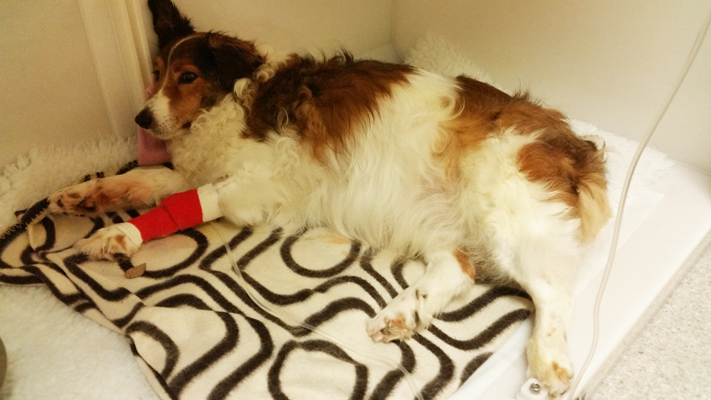
I am so glad that Nula is now home. That is always the best medicine! I hope your weekend if full of cuddling and relaxation (and of course lots of biscuits.!)
You will notice I have split this topic as it was getting very long. Everything remains from the beginning but this has Split in front of the title!
my best
patrice
Lynda,
Oh dear, this is so hard on you and I am sure not something you expected. I am so sorry.
This PCV is especially low for a Greyhound as they normally top out at least 50% but usually more like 55 -60%. However, sight-hounds are renown for their abilities to exert themselves for long periods of time when they are low on oxygen and overheated. Maybe that is the case with Honey? Could it be that she has had time to adjust to this and is actually coping with it?
If you have an alternative, a different local vet, why don’t you connect with them as a backup. You are not going to be able to do another transfusion safely, however, without matching her again. Does this vet you are currently seeing have emergency procedures at all?
my best
patrice
Enrofloxacin is the British brand name for fluoroquinolone, a veterinary drug. This antibiotic is called Baytril in the US. Ciprofloxacin is similar to this as well.
It is a broad spectrum antibiotic. This means it can be given when the exact agent of infection (bacteria) may not be identified yet or in cases where there might be more than one agent.
The risks of using a broad spectrum is that an organism might develop resistance to the antibiotic. The benefit is that treatment can begin sooner and cover the “what ifs” when trying to determine the cause.
Side effects can include an allergic reaction, stomach upset and diarrhea. Blindness is a rare side effect (esp in cats) as are seizures.
my best, patrice
Ruth,
It’s good to hear that the treatments are going well! I will be thinking of Nula today.
It’s a lovely idea that the owner of Nula’s littermate has offered her as a donor dog. It is a bit more complicated than just collecting the blood, but it can be done.
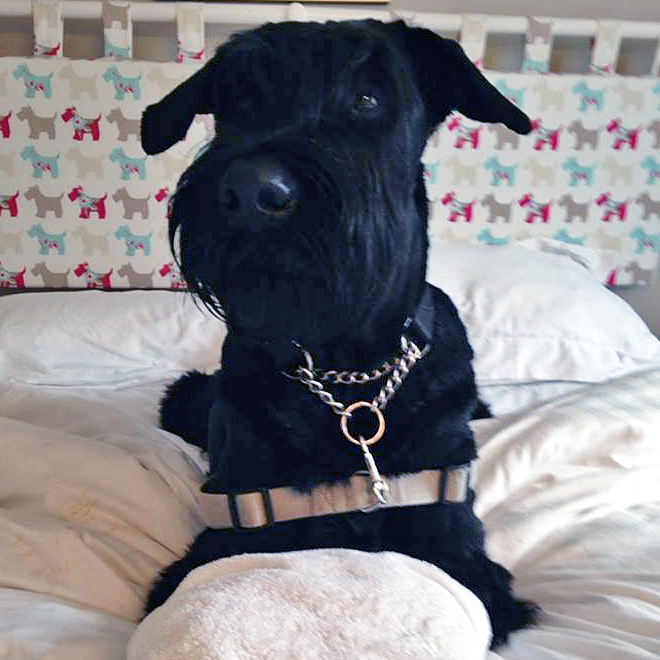
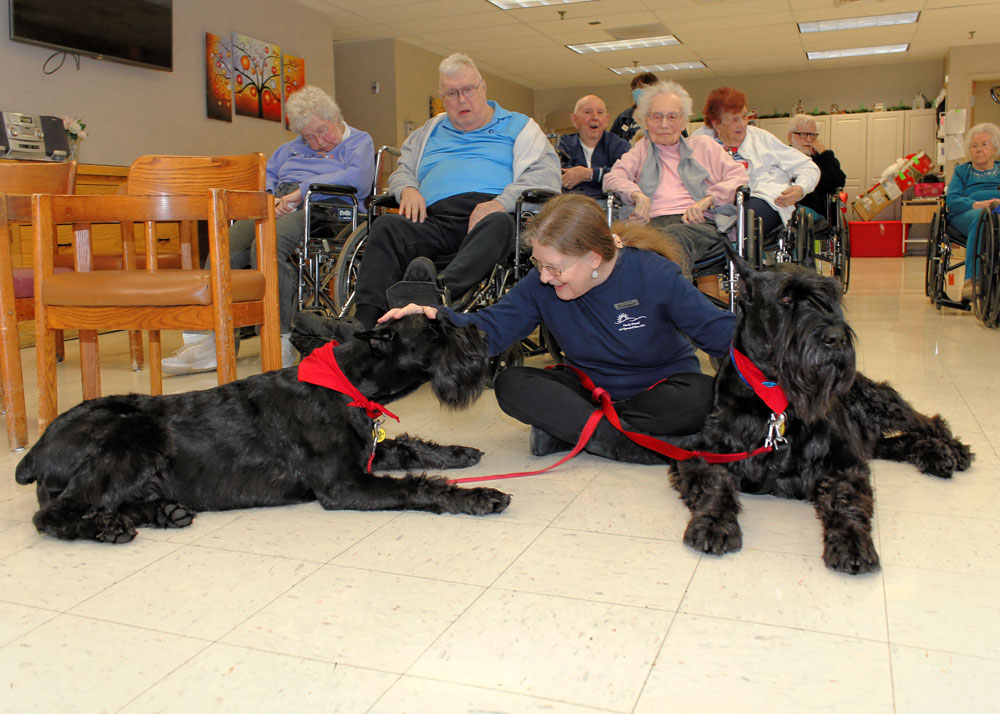
Chance’s first donation was from the vet’s donor dog Jake, a happy black lab. We are somewhat in the country and my vet actually lives on a farm! As sick as Chance was this transfusion was exactly what he needed. Fresh whole blood. In some cases that is the best form of transfusion because it contains so many elements (such as platelets!) So there was this big happy Lab hanging out in the room next to ours wagging his tail while he donated blood. It was a beautiful thing to watch. My vet saved Chance’s life in so many ways, so many times.
Dog’s are different than humans when it comes to blood type. You know humans have A, B, O and a few variations on those. Dogs can have up to 11 different “types.”
In addition, a first time transfusion in a dog is essentially “free” of any need to match, this is not the case with humans. Most of us don’t know our dog’s blood type and usually don’t need to know the rest of their lives.
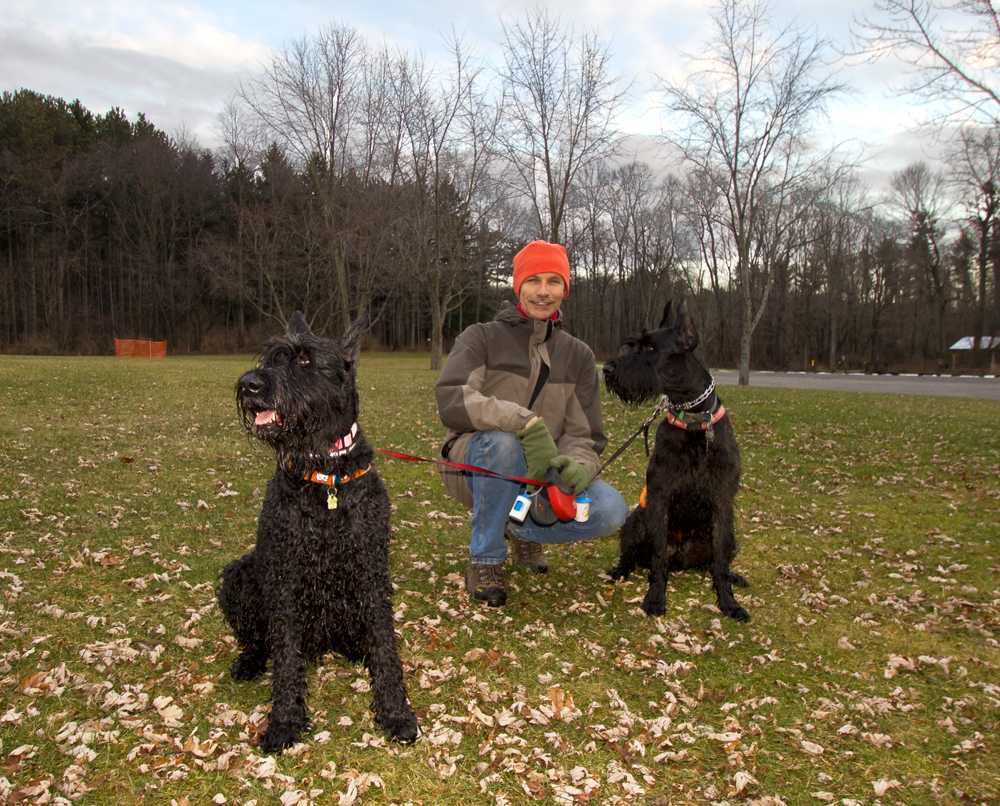
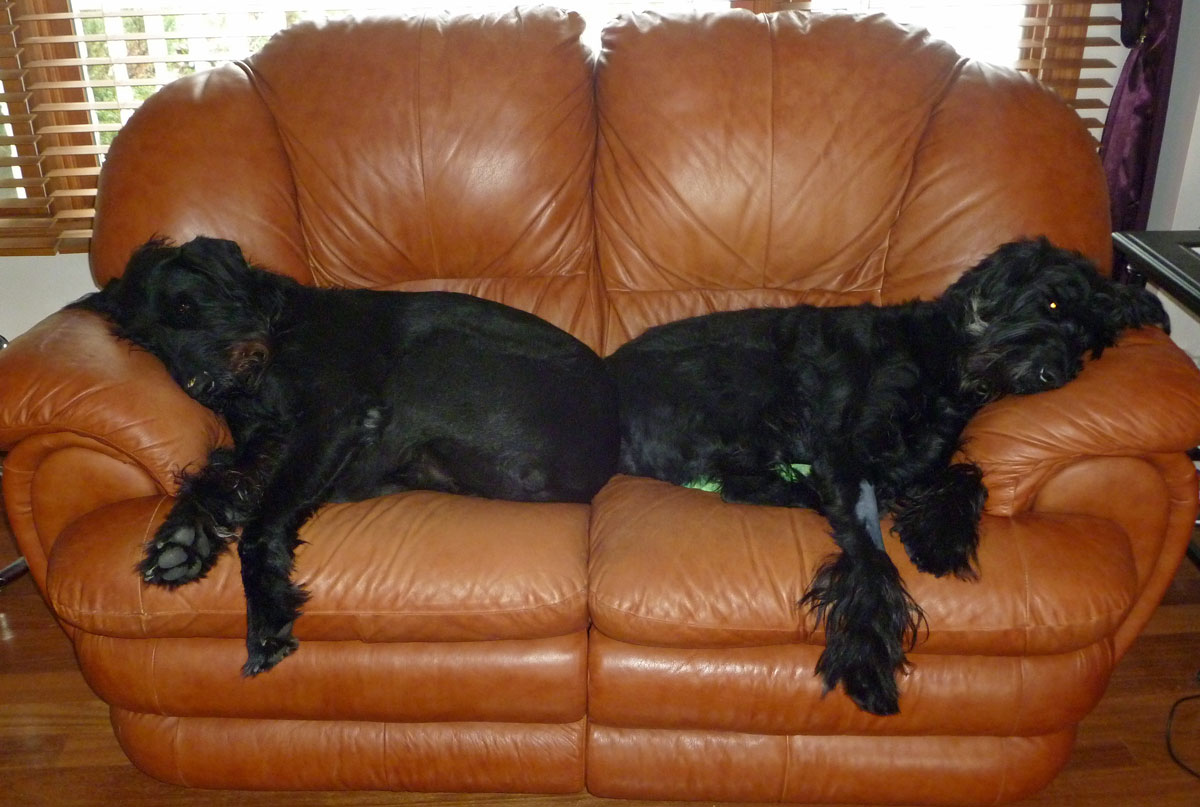
However, once a dog has received that first transfusion, they need to be matched for any subsequent transfusions to avoid a reaction. I tried this with Chance because I thought Cassie might be a good donor for him since they are both Giant Schnauzers. She was not a good match, but I did find out she was a good receiver, being able to accept many types of dog blood.
So we went back to Jake and matched with him. This requires blood samples to be taken and sent to a lab, not something that happens in most clinics right away. And you are probably wondering why we had to match with Jake this second time! Chance’s blood may have developed antibodies to Jake’s blood from the first transfusion! Each subsequent transfusion needs to be matched because of this.
Canine blood banks like Dr. Dodds’ Hemopet have special donor dogs that have blood that tends to match many dogs, a kind of universal donor. In addition, the blood can be washed and this can remove elements that may cause a reaction. So universal canine donor blood can be shipped around the world to most anyplace that can accept shipments!
So there is no reason why you cannot use Nula’s littermate for transfusions, but they must go through a testing process to make sure that she is a matched donor to Nula. If you think that you would want this as a backup, then ask about the process.
my best, patrice
Vally,
Not silly at all. I went through the math games with Chance’s dosages for months.
Do me a favor. I have always wanted to ask Dr. Dodds this quesion, but always forgot.
Ask your vet what they believe is the equivalent dose of prednisone that your dog would need to identically replace what the adrenal glands would normally output on a regular day.
I think the answer to that would be very revealing. At what point in the prednisone reduction are we matching the bodies cortisone needs?
At what point in the reduction do we drop below the bodies needs and the adrenal glands must begin to function again?
And what are the risks of dropping below that dose on the alternate days?
You are watching Bingo and I have been watching Cassie like a hawk for 2 days. She had her rabies shot on Tuesday. I am sure she thinks I am nuts looking at her gums all the time. The only thing I have seen her do unusual is that she has chewed one of her nails down to the quick. I washed that paw and put it in a sock immediately.
my best, patrice
Ruth,
Hello and welcome.
I am very sorry to hear about Nula becoming so very ill. I understand completely how confused and frightened you are. I remember feeling the very same way when Chance was sick.
We are here to help you especially in these first hours and days. It is impossible for you, on your own, to learn everything you need to know in order to make good decisions about Nula’s care. So please take a deep breath and let us do some of the heavy lifting for you.
You are clever to think about Nula’s littermate and it’s even more important to think about your breeder’s help right now too. If you contact them they may agree that your breed has a greater risk of developing this condition than some other breeds.
But it often takes a trigger or even several to start this process. Some common triggers are recent vaccinations, serious viral infections, a tendency towards allergies. Others are environment like tick diseases, bee stings, ingestion of garlic, onions, rat poisons and certain coins. Age, sex and diet also play a role. Females are more at risk than males .
You have taken the very best first steps an owner can, get to the vet quickly and get Nula cared for in emergency.
Now I would like you to sit down and put together a list of anything that you think she may have been exposed to in the last few weeks. Easter is a time of family gathering. Is it possible she was given food with onions in it? Did she travel somewhere and go outside in a new place that might have ticks or have dirty muddy water? Has she recently been vaccinated? Would a neighbor have put out rat poison?
Get copies of all the lab work that your vet has done. This belongs to you, you paid for it. Even if you don’t understand it, we do and we can help you read it.
Make a medication list and write down the names of all the medicine, dosages and times given. Make a list of any supplements she already receives or things that your vet may have given you. Does she take heartworm medication and do you use any tick or flea preventative?
Post this information here. Once we have a good idea of what is being done, we can guide you with what will happen next and make suggestions. We are not vets, but every one of has gone through this frightening experience with our dogs. Some of us were successful and some have lost their companion. But they are all dedicated to help you through this to the best of their ability.
my best
patrice
Vally,
Excellent results! The decreases are most likely due to the decreased dosage of prednisone.
It is possible they may have damaged the previous sample causing hemolysis of some of the RBC. This causes something called an artifact in the sample.
There is another artifact that can also impact a blood sample. Here’s how a one veterinary university describes possible reasons for higher than normal total bilirubin:
“Artifact:
With some analyzers and reagents, hemolysis and lipemia (even mild) will cause artifactually high bilirubin values.”
Lipemia is fat in the blood. This is another reason why I recommend that you fast your dogs for at least 8-10 hours before a blood sample is drawn. Lipemia skews a number of results on some tests. If I understand correctly what I have read about this it tends to refract light in a certain way that can confuse the analyzer.
If we were testing healthy dogs, it would be apparent that the results are not correct. But we are testing dogs with illness and we are determining medication dosages depending on these results. So artifacts are not desirable, even if they can be explained away.
If you can continue the liver sparing diet you may drop the Alt (alanine transaminase) a bit more. Alt levels are generally in direct relationship to the dosage of prednisone. The liver must process this drug and liver cells are damaged in the process. That damage is what Alt is measuring.
Good job Mom, you did this work and now you can relax some. You need to take a day off to care for yourself. Promise me you will?
my best, patrice