- Second Chance AIHA ›
- Forums ›
- AIHA Dog ›
- I'm a Gum-O-Holic!!!
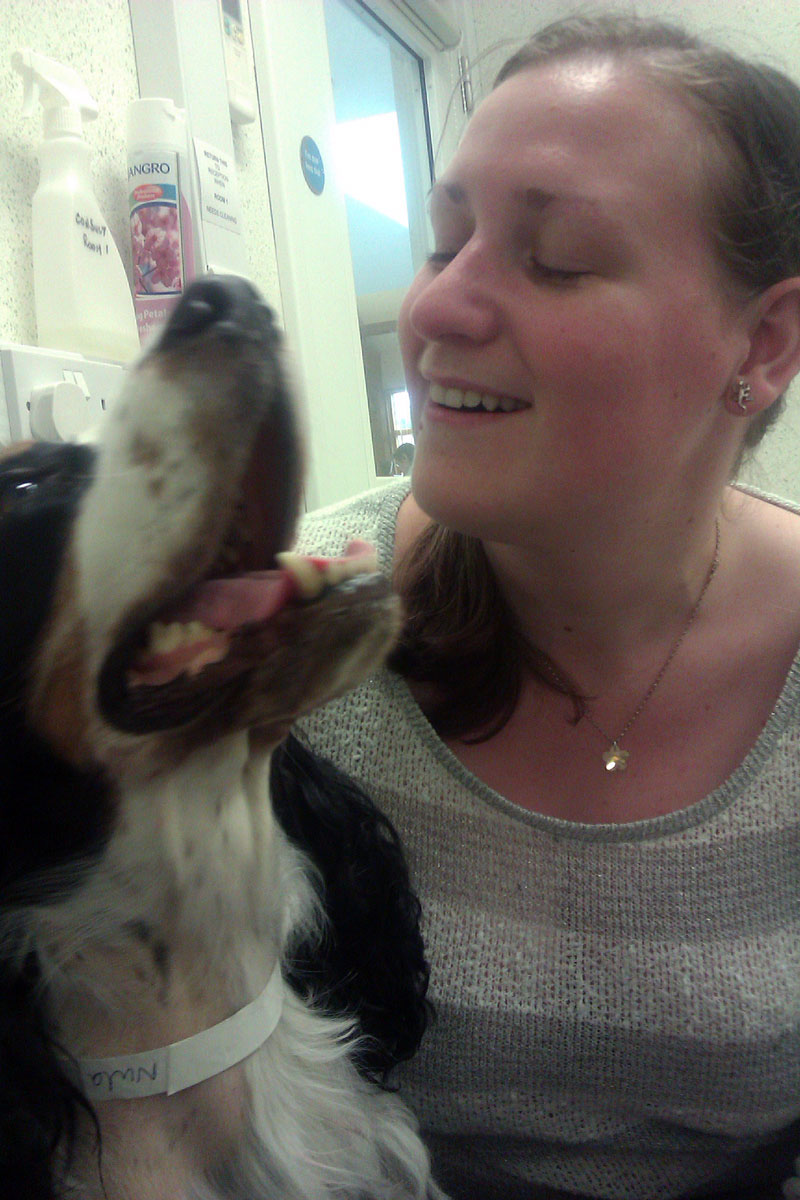
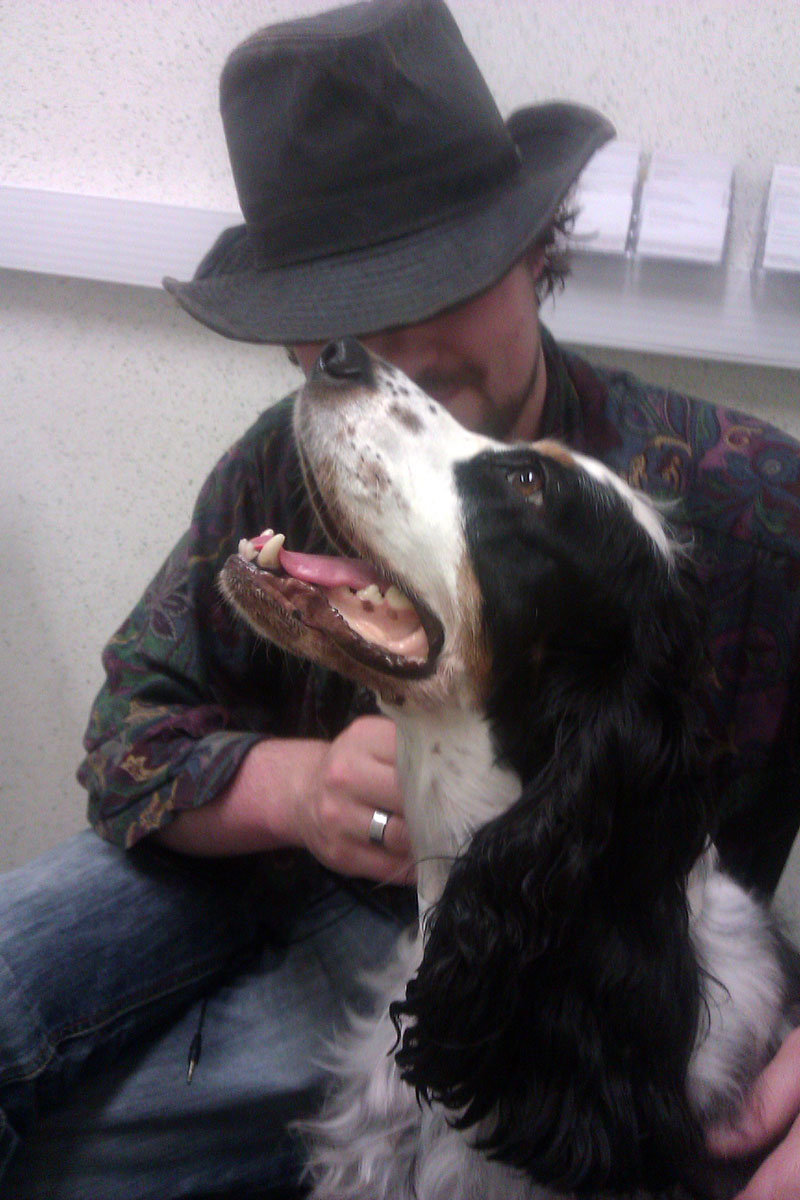
I’ve read through a lot of the posts here and I know you are all no stranger to the constant need to check your dog’s gums.
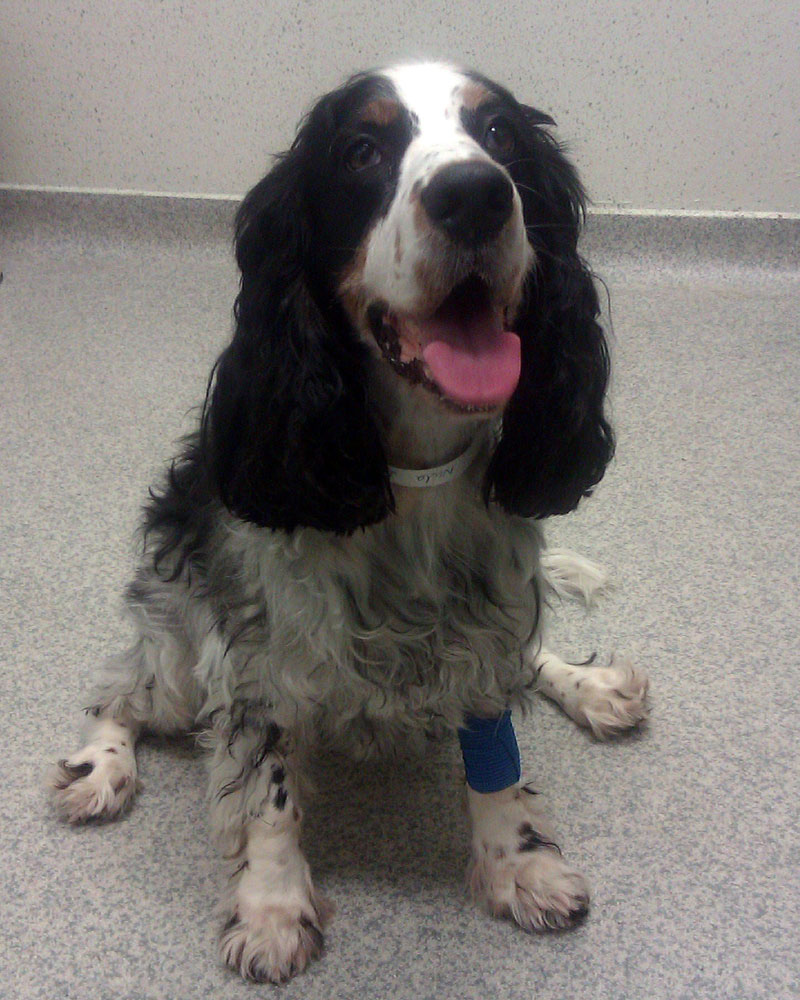
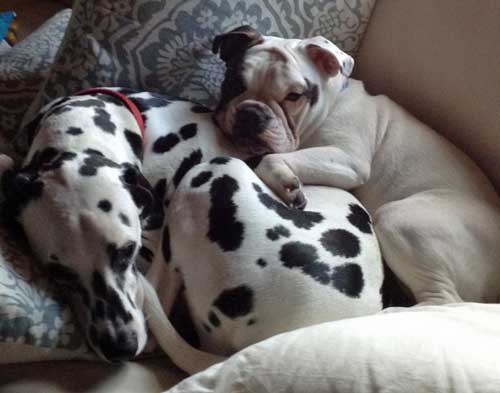
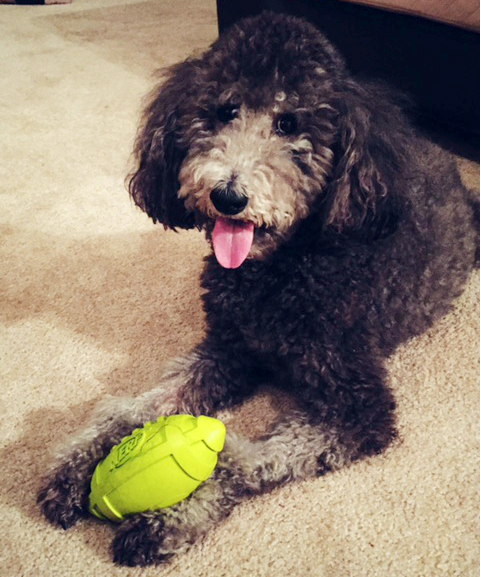
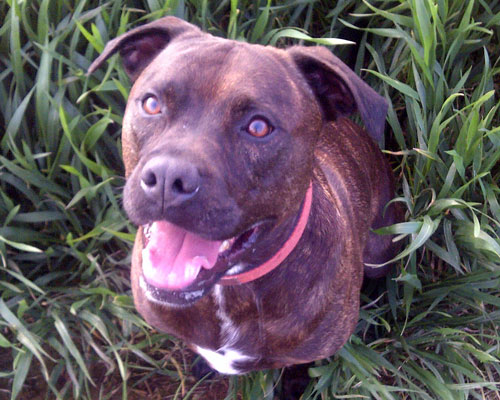
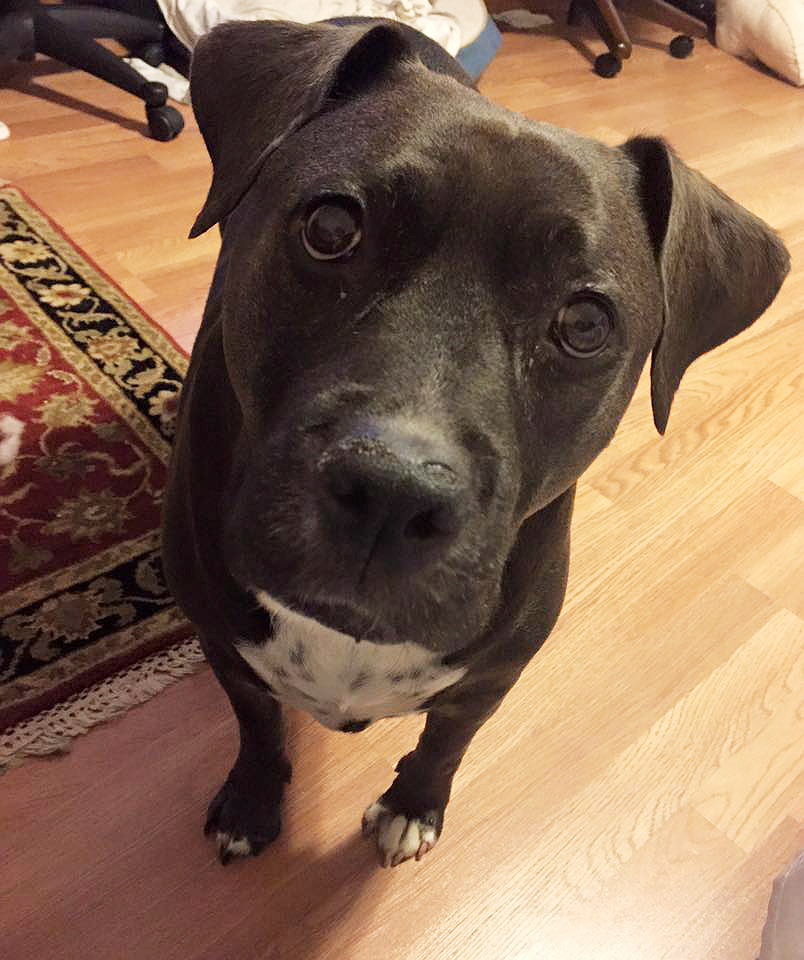
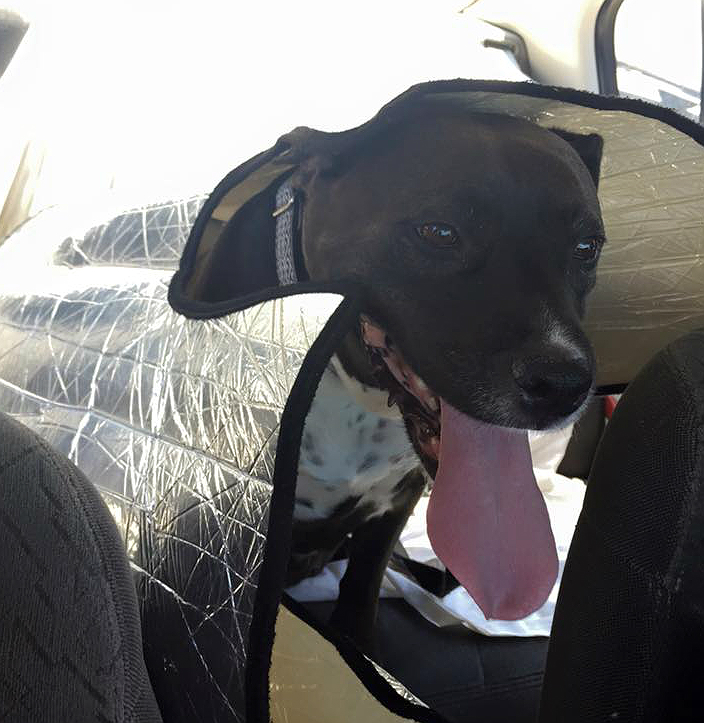
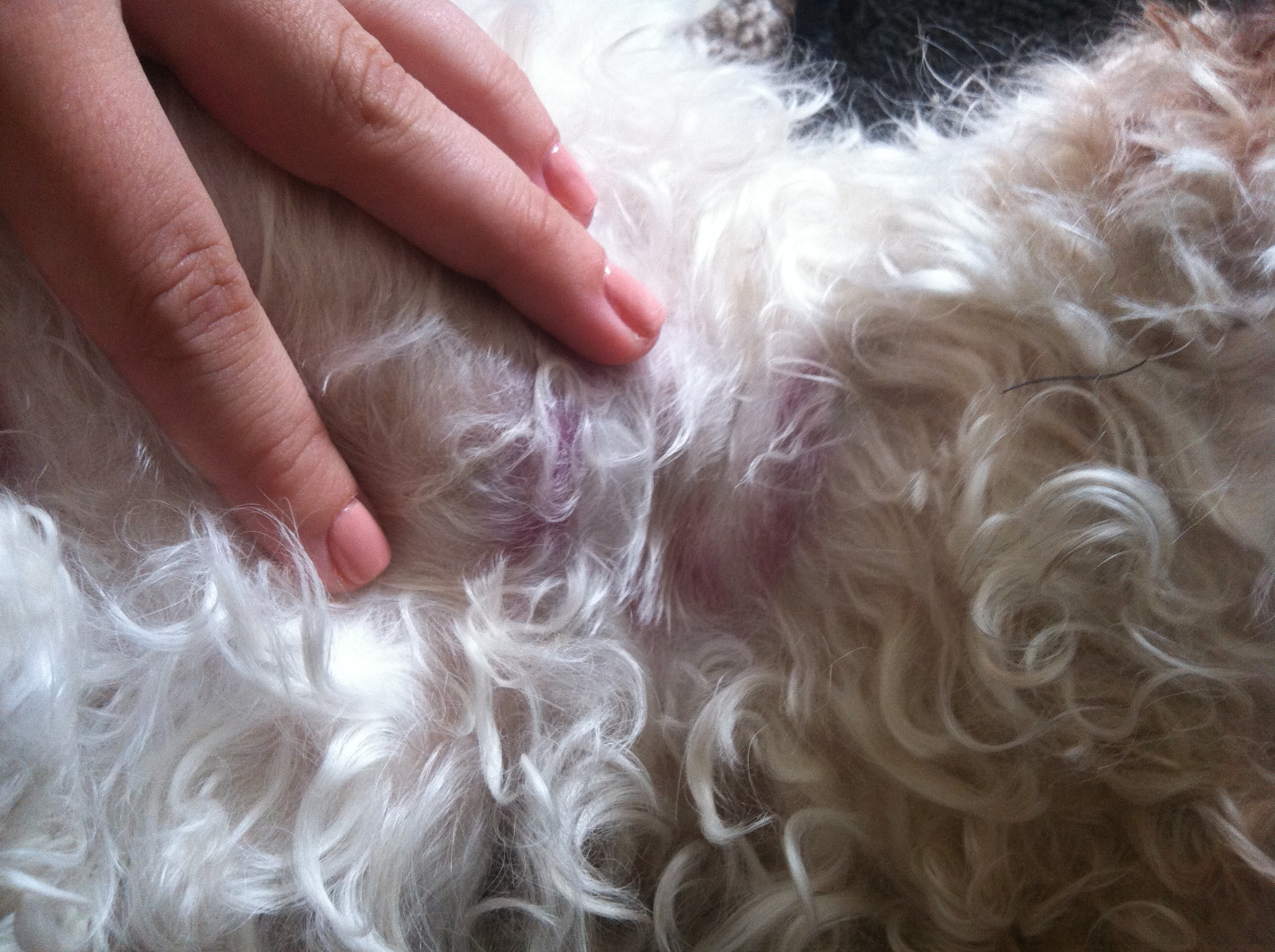
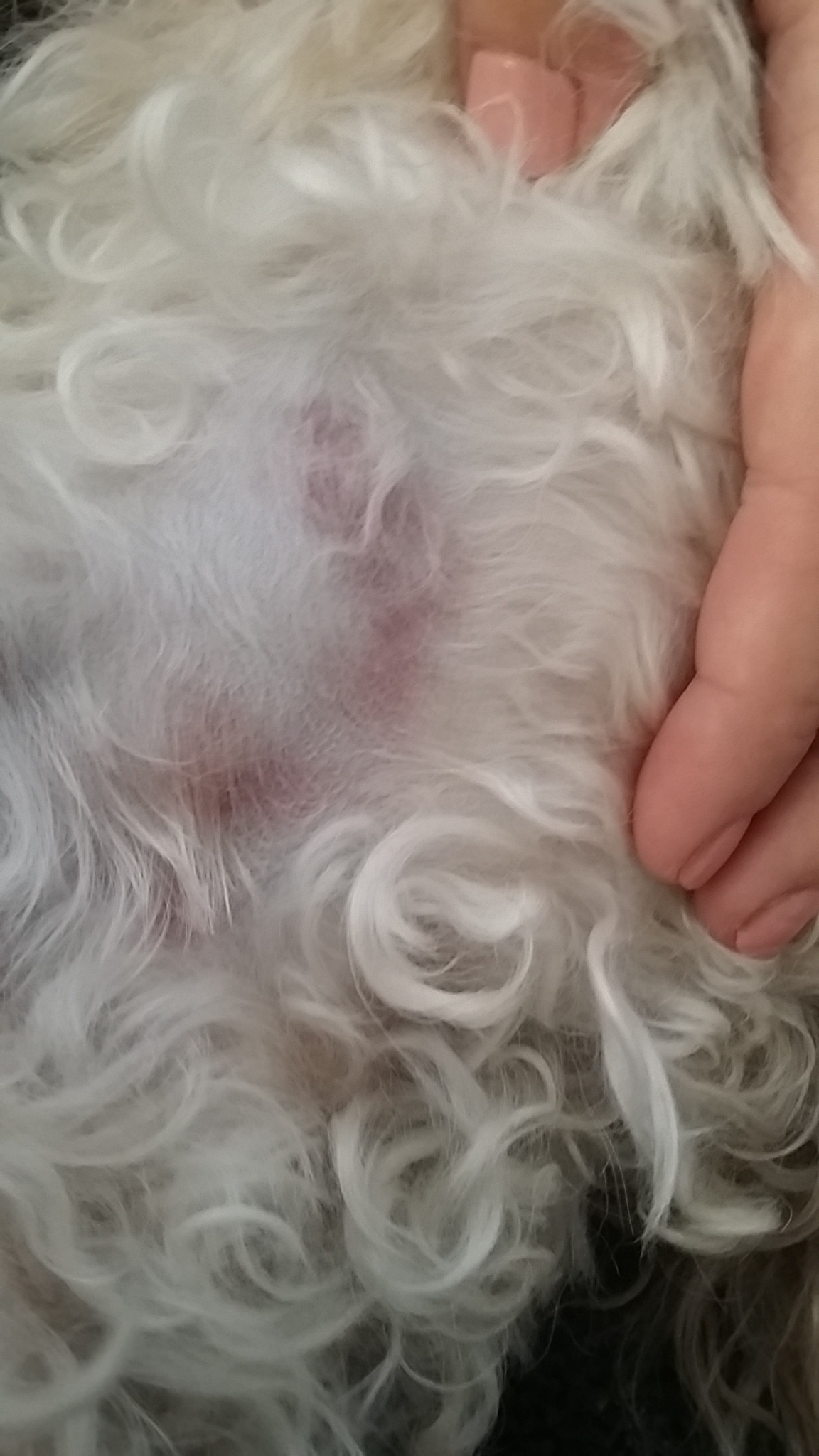
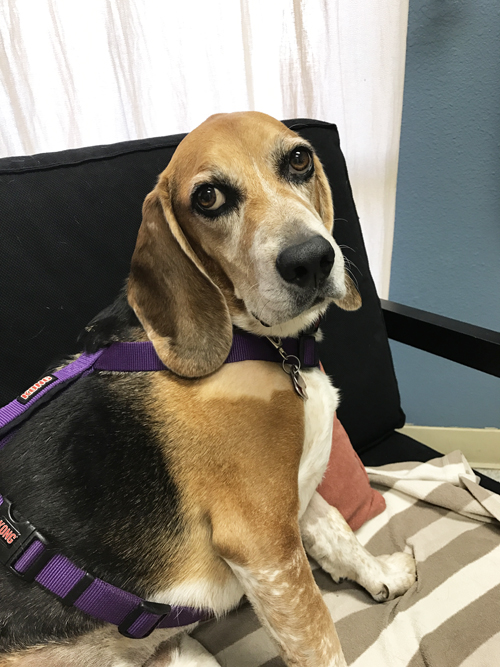
What bothers me is gum color is so subjective. Dogs all have different pigmentation of gums. Some have spots (My other dog Lucy has spotty gums and tongue). Some have black gums! It’s not like there’s some magical color chart I can follow. And I feel like the color of Phoebe’s gums look different all the time. I now know the rule about not checking when they’re relaxing or just wake up. I freaked myself out quite a few mornings over this one!!
Is there a particular rule of thumb that applies to all dogs? Obviously I know white gums are bad. But what about light pink? Phoebe seems to have naturally light pink/pale pink gums. If she’s got some pink there, does that mean she’s ok? Are we looking for complete lack-of-pink? Her capillary refill is good. I’ve been REALLY trying to limit the amount I look because I’m just driving myself nuts.
She’s acting perfectly. She’s eating and drinking plenty. Her energy levels are normal. (She’s a very lazy potato lol) Everyone keeps telling me to only check if she starts acting poorly. She’s showing absolutely no signs of anemia. If she seems to be feeling good, should I still check like a crazy person? She’s in the process of weaning off Cyclosporine so of course I’m nervous. She’s still on a small dose of Prednisone and Mycophenolate twice a day. She doesn’t have her next appointment until April 8th. The vet told me if I was worried I could bring her in for a check, but I don’t want to put her through the stress while she acting completely normal because I’m a lunatic.
Any rules of thumb to follow for the gum checks would be GREATLY appreciated!!
Love,
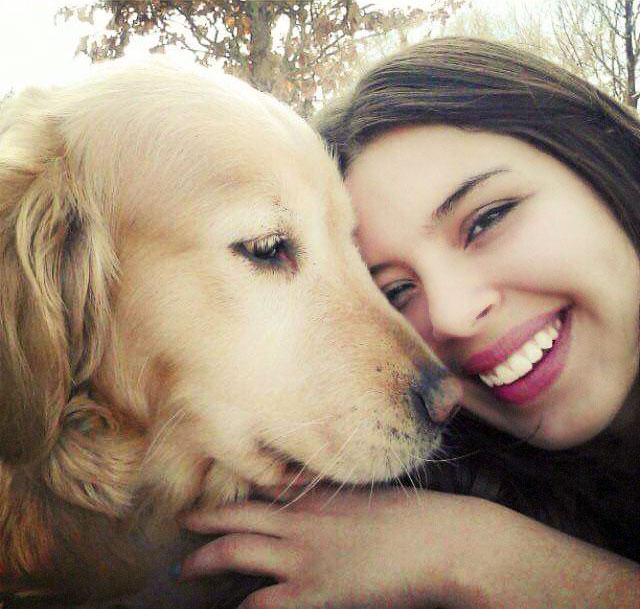
Sarah & Phoebe
Sarah, when Phoebe is stable, you’ll naturally find you will realise you haven’t checked as often as you were checking.
There is never a precise rule of thumb and I guess you start to put it all together, is she acting okay, is she eating as usual. If not, check her gums, do they look pale. You will be paranoid for the rest of your life and the minute she does something a little weird, you’ll be doing the mouth check and the hawk watching.
My girl now, Saba, also has to pay the price of Bingo’s illness in having me check her gums every now and then, or stick a thermometer up her bum if she seems just a bit different one day. It just stays with us for the rest of our lives, but in saying that, when you see Phoebe is better, you will start to relax a bit more and more.
Regards, Vally
Sarah,
Did you read my explanation of the spleen in your previous topic and how it conserves blood during certain times? I tried to make it understandable that it is variable throughout the day depending on various things such as stress, metabolism etc because of Fight and Flight responses.
In terms of all dogs with anemia, we have found that some dogs do quite well with very low HCT PCV while other dogs show great stress when they have a low HCT PCV. It’s why medical doctors use something called a transfusion trigger. They not only evaluate the blood values but they also evaluate the physiology of the patient and it is indeed different from one to the next. So there is no one absolute value for recommending a transfusion due to anemia, it is the doctor’s evaluation and interpretation of the transfusion triggers that make up their mind whether they will transfuse or not. I’ve seen dogs on this forum who were walking around with a HCT PCV of 12% and were happy go lucky. While other dogs were just miserable at 25%. A vet would chose to transfuse the 25% dog because it will provide valuable fluid volume and other less well known blood elements that will make the dog feel better.
Veterinary hematology is part science and part art, it requires a balance. That is why clinical experience is so critical in the treatment of these dogs with blood diseases. Experienced vets, no matter whether they work in a fancy high end clinic or a small country vet like mine, that are good at what they do will have tried to keep their minds open when treating dogs and find the best path to recovery with the least cost and the best track record for improvements and saving lives. I shall never forget during Chance’s first transfusion, watching my vet’s dog, her donor dog, lying on the table in the next room providing fresh blood for Chance. But there was Jake, giving up his blood for my boy, tail wagging. Transfusions are extremely difficult to give and require constant evaluation to avoid reactions. Dr. M stayed until 9pm to make sure that it had been successful, well past her closing time. A good vet is maintained over a lifetime as your best friend.
Normal HCT PCV is around 45% in most humans and dogs. But some breeds have a normal value of 55% or higher. For those dogs, a reading of 45% may make them very anemic. So it is quite variable depend on breed, sex, age, health, metabolism, physiology, diet, stress handling capability etc. No human or dog is the same.
The real criteria for medical definition of anemia is not the HCT PCV values but rather the hemoglobin HGB count. This measures the hemoglobin molecules inside the red blood cells that are capable of carrying O2 inside the cell. So then you can get into discussions about the health of the red blood cells or the age (new or old) etc. and their carrying capacity for hemoglobin. So it is possible to have a lot of red blood cells in circulation but they could all be pale. That means they are very low in hemoglobin and are ineffective carriers of O2. The dog or human would be anemic. I learned this from one of my vets, when humans donate blood the clinic evaluates the suitability of the blood by the hemoglobin count.
my best patrice