- Second Chance AIHA ›
- Forums ›
- AIHA Dog ›
- HCT Dropping
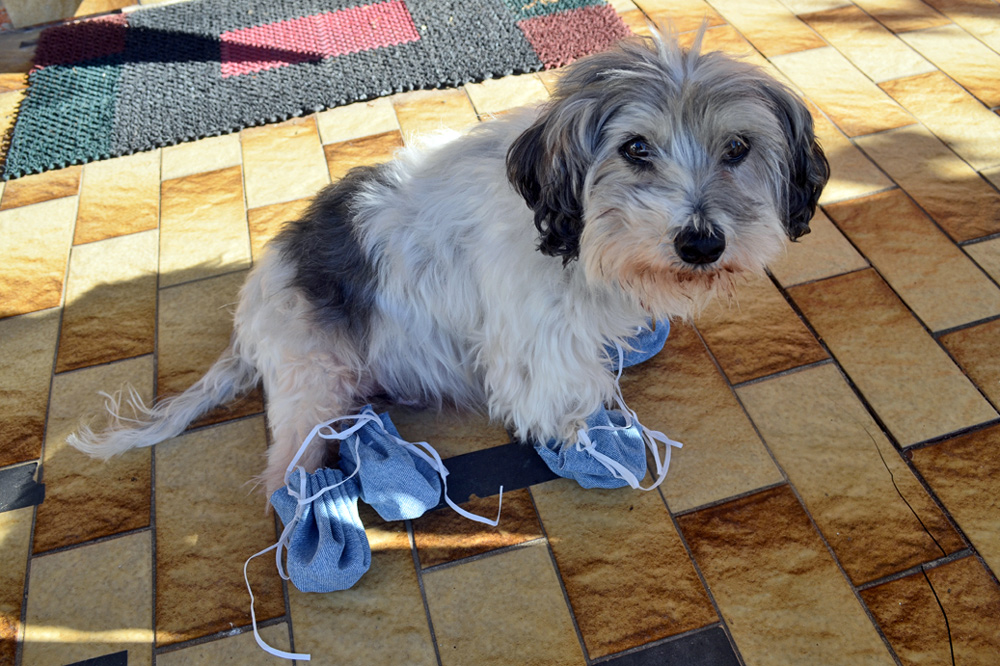
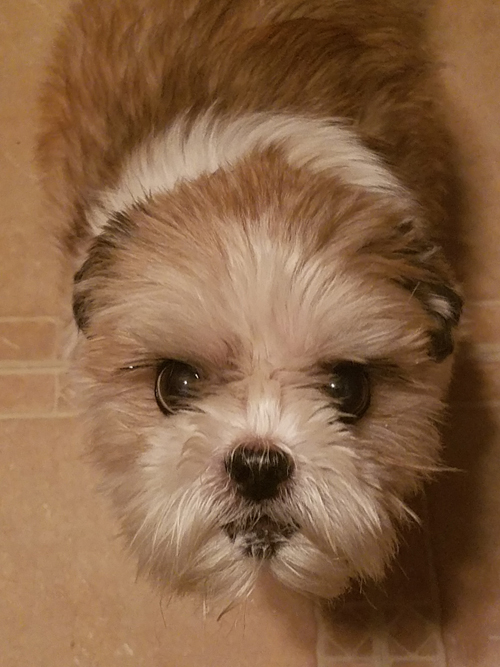
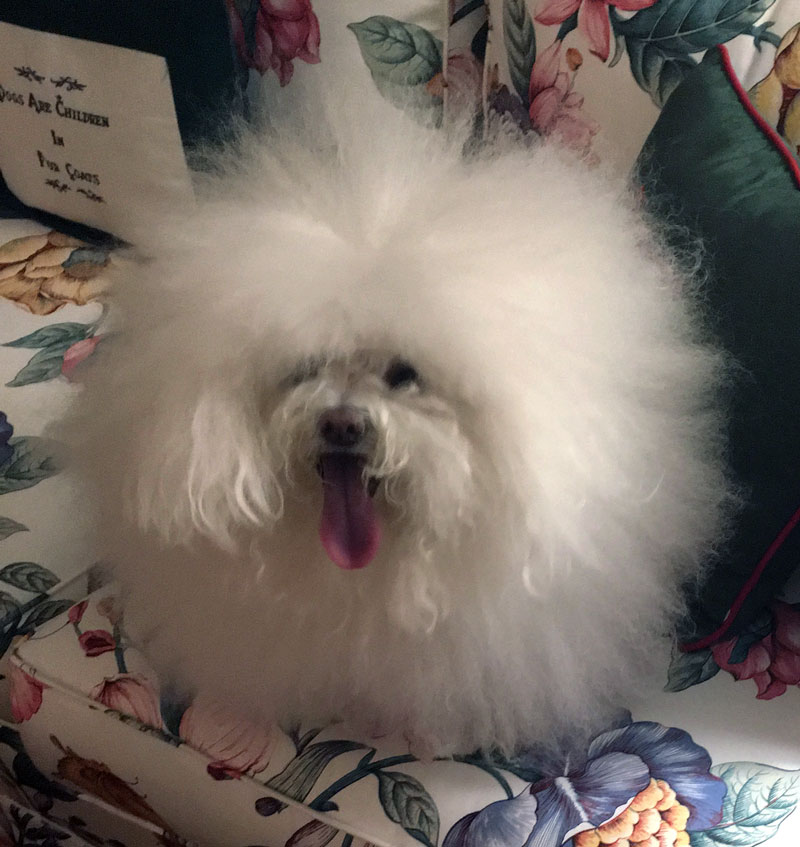
I took my 10 year old neutered Bichon Frise for his DHLPP vaccine on October 14, 2018. In the following weeks he seemed a little low on energy but was still eating, drinking and playing. On the morning of December 15, I woke up and found him nearly lifeless and lying in a puddle of urine. I dried him with a towel and took him straight to the vet where he was examined and x-rayed and a full blood work panel was done. His HCT was 19 and our vet couldn’t find a reason for it. He was diagnosed with IMHA and was prescribed one course of antibiotics just in case he had an undetected infection, 10 mg of prednisone per day and prilosec. He was very low on energy for the first month but his HCT levels started climbing and eventually got up to 50. His energy returned. He’s gained three pounds but he plays, barks and seems to feel well. In early February, our vet reduced his dose or prednisone to 7.5 mg per day. On February 19th, his HCT was 46. Today, it was down to 40. Our vet decided to keep him at 7.5 mg of prednisone and recheck his HCT on Tuesday, which is six days from now. My dog still has a good energy level and he seems to be feeling well but I’m nervous about the drop. I’d never heard of IMHA before December and I’m not very well informed. Can anyone advise me or tell me if our vet seems to be doing the right thing? I don’t know if he’s reducing the steroid too much or too soon. I thought my dog was recovering nicely but the downward trend in his HCT is scary and upsetting and I don’t know what to do.
Hi Augusta and welcome.
I’m sorry you had such a scare but it sounds as though your boy is doing so much better.
The drop to 40 is, I know, scary, but he is still in the normal range, which means he’s doing good.
The funny thing about test results is that it can be different on different days, different at different times of the day. Getting stressed will affect the readings, how much water he has drunk, or how hot or cold it is. The more he drinks, the lower the reading will be, so don’t panic.
Your vet is doing a good safe slow reduction. We recommend no more than a 25-30% reduction at a time, and no faster than 2 weeks with a check of the PCV before doing a reduction and a check up soon after. There are exceptions when a dog is having serious side effects from the prednisone. I used to find that Bingo’s bloods would often drop after a reduction and then start to climb up again. I always thought it was his body getting used to the lowering of the drug. It used to terrify me every single time.
Here’s an explanation from the AIHA Terms section of the site on reductions:
https://www.secondchanceaihadogs.com/AIHA_Terms/prednisone-dose-reduction
I would make sure he never has any vaccines again, unless they are required by law, as I am pretty sure the vaccine is what has triggered the reaction.
I always say, welcome to the Paranoid Pet Owners Club. No entry fees.
Don’t hesitate to ask anything at all. We love to help.
My very best, Vally, (Angel Bingo) and Saba.
Hi Augusta,
I’m sorry to read about your Bichon Frise and his diagnosis.
Let’s look at what happened in more detail. One of the triggering events, among many, for developing IMHA or AIHA is over-vaccination. I am a bit taken aback that your vet decided to administer the DHLPP vaccine at 10 years of age. I am assuming that he probably received this series as a puppy. Once the required puppy shots series are done, we here on Second Chance always advise to no long vaccinate, except for the mandatory rabies vaccination. On this page you will find Dr. Dodds 2016 Vaccination Schedule that we recommend for dogs that may have trouble with over-vaccination. Print this page (you can click on the upper right hand arrow to open this full for saving and printing.) Keep this with you and show it if you are asked to vaccinate again. If your vet continues to stress that you do, especially after this most recent incident, please try to find another vet.
https://www.secondchanceaihadogs.com/vaccine-resources
So there can be many triggers that can interact with the immune system to begin a disease like IMHA. Dr Dodds has written an excellent article that details how the immune system behaves and why it is sometimes prone to developing autoimmune disease. Here is her short summary of the most prominent factors. “The four main causative factors of autoimmune disease have been stated to be: genetic predisposition; hormonal influences, especially of sex hormones; infections, especially of viruses; and stress.”
You can read her article on this page:
“The Canine Immune System and Disease Resistance By W. Jean Dodds, DVM
https://www.secondchanceaihadogs.com/canine-disease-resources
So we need to look closer at your Bichon’s past medical history. At any time did you notice other unusual conditions like allergies (in dogs these present mostly as red itchy and possibly weeping skin conditions, weepy gooey eyes.) Did you ever notice digestive problems that kept coming back such as frequent diarrhea, gas, poorly digested food etc? Dogs that have trouble thriving may be experiencing autoimmune conditions of another kind. These things may seem different and distinct but in reality they have one thing in common; the immune system.
So it is very possible right now that he is having a relapse and in that case, yes I do agree with the increase in the prednisone dose. The part of the over active immune system that you had been suppressing with the high dose prednisone may becoming active again and this would be a relapse. We have seen many dogs relapse when the drugs are reduced to quickly. We recommend that in most cases the drugs should be reduced very slowly to avoid relapses. See our recommended schedule and see if your decreases are similar.
https://www.secondchanceaihadogs.com/AIHA_Terms/prednisone-dose-reduction
I know that Vally is going to want to see your complete medication and supplementation list and help you get on a good dosing schedule. She may have recommendations for you for other supplements that might be helpful.
What happens when there is a relapse? Well you have caught it early and that is a good thing! Anemia doesn’t actually come into consideration until there is a PCV or hematocrit of less than 38%. Sometimes when we begin to see an unstable hematocrit after treatment for IMHA, the body is still trying to repair itself and catch up. It isn’t unusual to see it be 46% one day and 42% the next. But seeing it drop from 50% to 40% in a month’s time may be a sign that there is a relapse or it could be that he is getting older and this is more normal for him. However, I don’t like to see a quick drop like this in a dog that has just recovered. So it is a good idea to explore the situation more closely.
You won’t normally see many signs of distress until the PCV /HCT goes below approximately 32, and some dogs seem to not be bothered much until they reach the mid to high 20s.
What I am also concerned about it that there may be some form of bone marrow failure causing this drop. If you have your last 2 CBC and Chemical Screens (and any other lab tests that were done) I would like to see them so I can have a better idea of what is happening. You can send these to us using the Urgent Advice form. See the Urgent Advice tab up above on the menu items.
What questions do you have for me?
my best Patrice
Hi, Vally and Patrice,
Thank you both so much for responding to me. I don’t have copies of labs, my vet doesn’t give them to me and I haven’t asked for them, but I have this print out from the bill for the HCT today. A few weeks ago my Leo was given a blood test to see if his body was making red blood cells and it is but I don’t remember the name of the test. His vaccine reminders are listed at the bottom and he’s been vaccinated for everything on the list every year of his life since he was born. I always thought I was protecting his health. When he got his vaccines he also got a three month Bravecto flea pill. I’m not going to get the vaccines again and I’m not going to get another Bravecto pill. His rabies shot is up to date until the end of 2020 so I don’t have to think about it yet. He’s never had any allergies. He’s had gas and digestive problems since he’s been taking steroids but it wasn’t a problem before. He doesn’t have excessive tear stains or runny eyes and he has healthy skin, hair and teeth. He’s been with me since he was weaned in 2009 and I can’t think of anything abnormal about him except his black nose lost pigment and turned pink years ago. My vet said it happened because he was neutered.
I don’t know how to upload to this site so I’m going to try to use imgur to do it.
lifehttps://imgur.com/a/su6uJnW
Thank you both for your help. Thanks for the welcome to the Paranoid Pet Owners Club, too, because I’m definitely in.
Thanks so much, Augusta
Hi Augusta, yes that works, but doesn’t show much information. This is what it would look like.
https://www.secondchanceaihadogs.com/medical-tests-resources
When you next go ask if you can have a copy of Leo’s blood test results. Most vets don’t mind at all. You can say you’d like to understand what’s happening.
Don’t blame yourself. You were doing what you, and so many others (me included) do and make sure our dogs are protected. I noticed my boy started having seizures about a month after his annual injections about 2 years before he developed AIHA. I asked the vet about it but they said it had nothing to do with it. Anyway, I started researching and found a lot of reference to seizures and reactions after injections. In Australia, for years after they stopped doing annual injections in other countries, it was still promoted here. I would never go 1 day over that yearly date to get injections for Bingo. After doing lots of research, I decided to titer test instead of the annual injection. I was the first person to ask for this in Sydney and it took 20 minute on the phone for the vet to let me know that they could in fact do this. They actually said Bingo’s bloods would have to be sent overseas for testing as it wasn’t done here and it would take a month for the results. In fact they were wrong and results were back in a few days saying he had heaps of immunity.
So what I’m blabbing on about is that you were doing what you thought was the very best for Leo, so really, don’t blame yourself.
It’s important to keep up heartworm protection, especially if you’re in a heartworm area. We all follow Dr Jean Dodd’s recommendations, which are here – last item on the page:
https://www.secondchanceaihadogs.com/hemopetresources
Regards, Vally
Leo had a hematocrit recheck today and was back up to 46 so the vet did a steroid reduction to 5 mg per day. I was happy to see his number but am still a but nervous about the reduction. We’re going back Tuesday for a recheck.
I asked for copies of his tests and was given a copy of his notes from 12/26/18 until today.
Doing the happy dance. That’s great news.
Of course you’re still nervous, that’s one of the requirements of being in the Paranoid Pet Owners Club – it never goes away, didn’t they tell you that when you first joined?
The test results you’ve sent are really just your vet’s notes and don’t show much. Maybe they don’t do full testing there?
Good luck with the next test and let us know how Leo goes.
Regards,Vally