Forum Replies Created
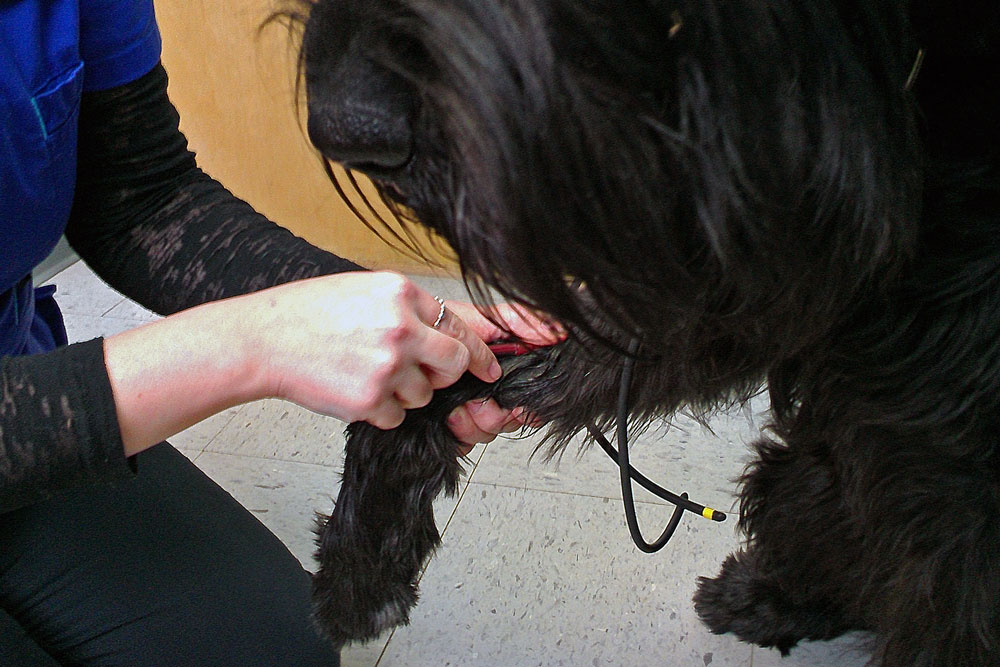
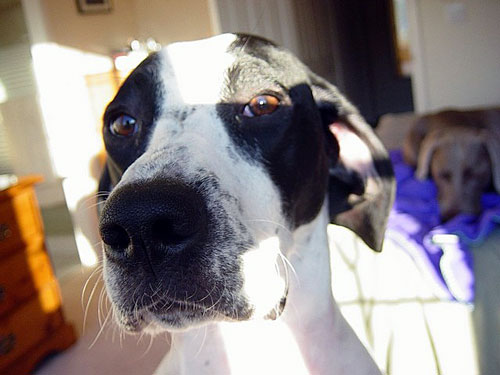
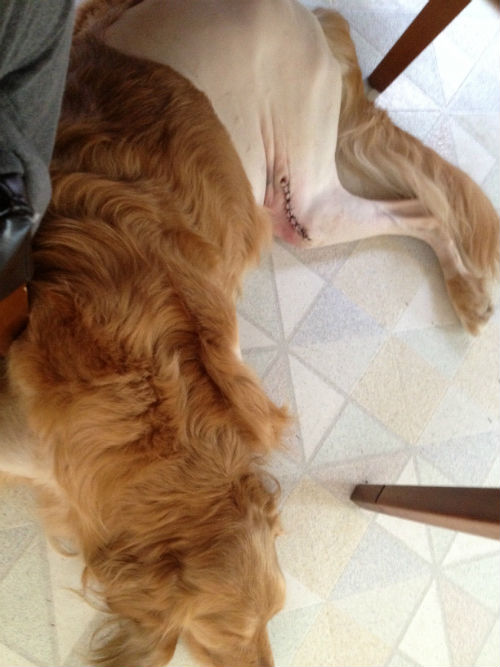
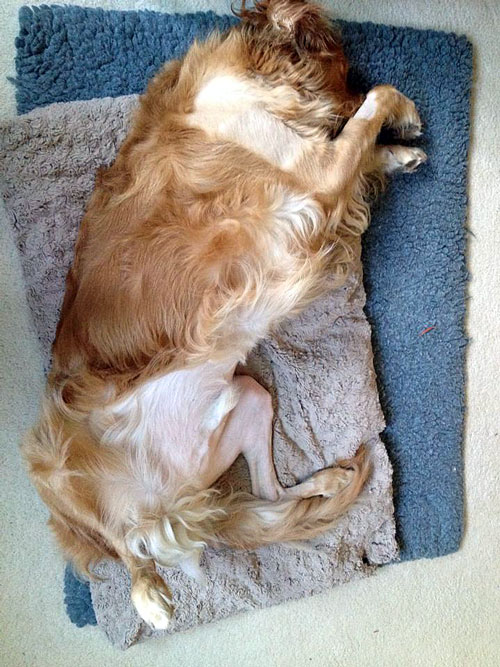
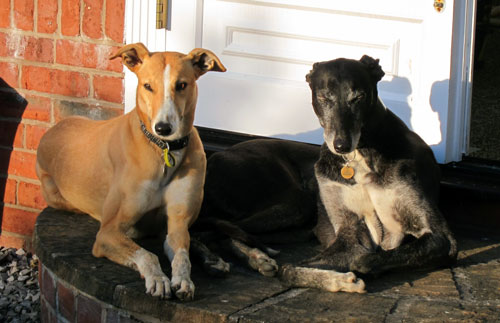
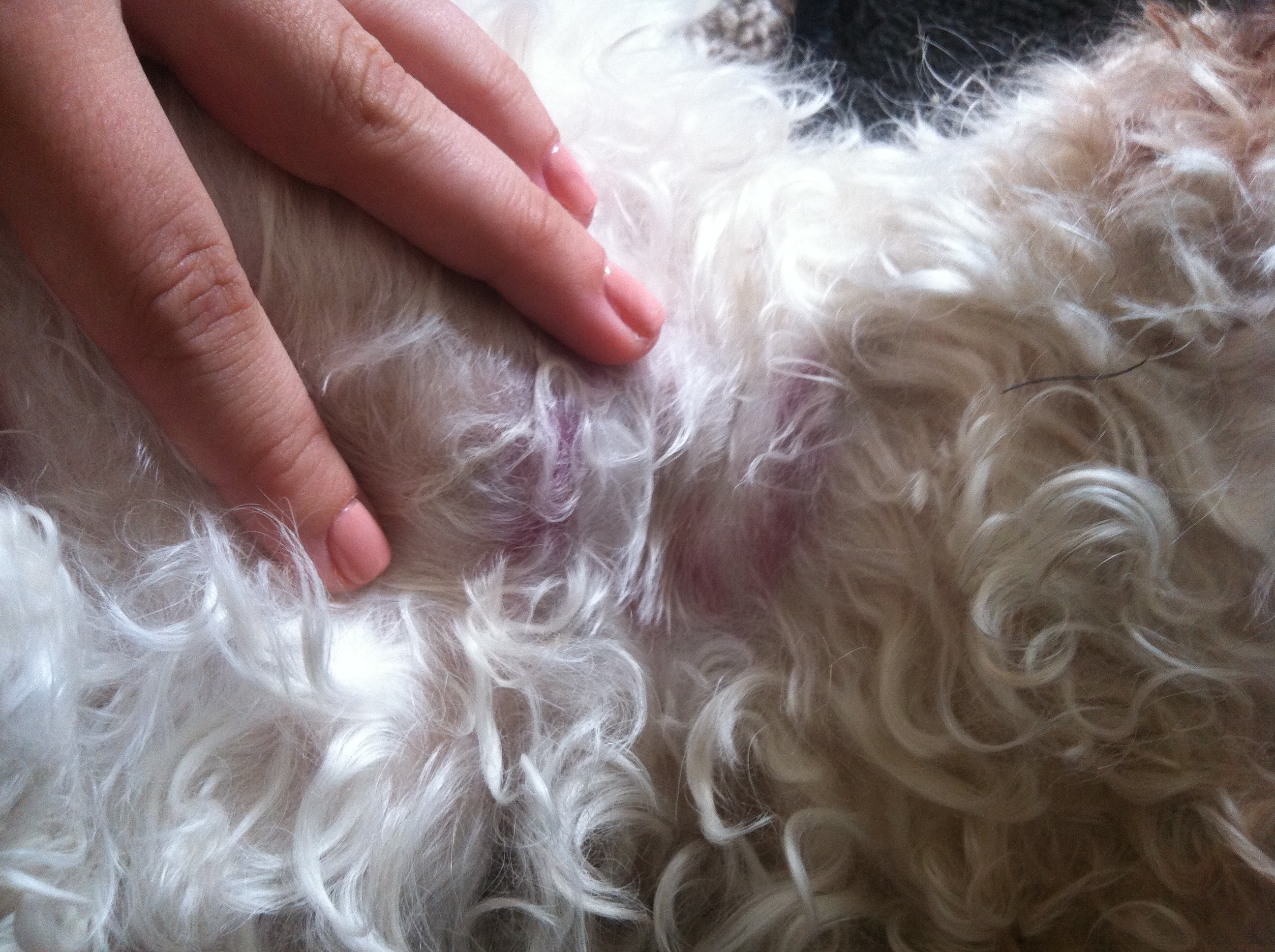
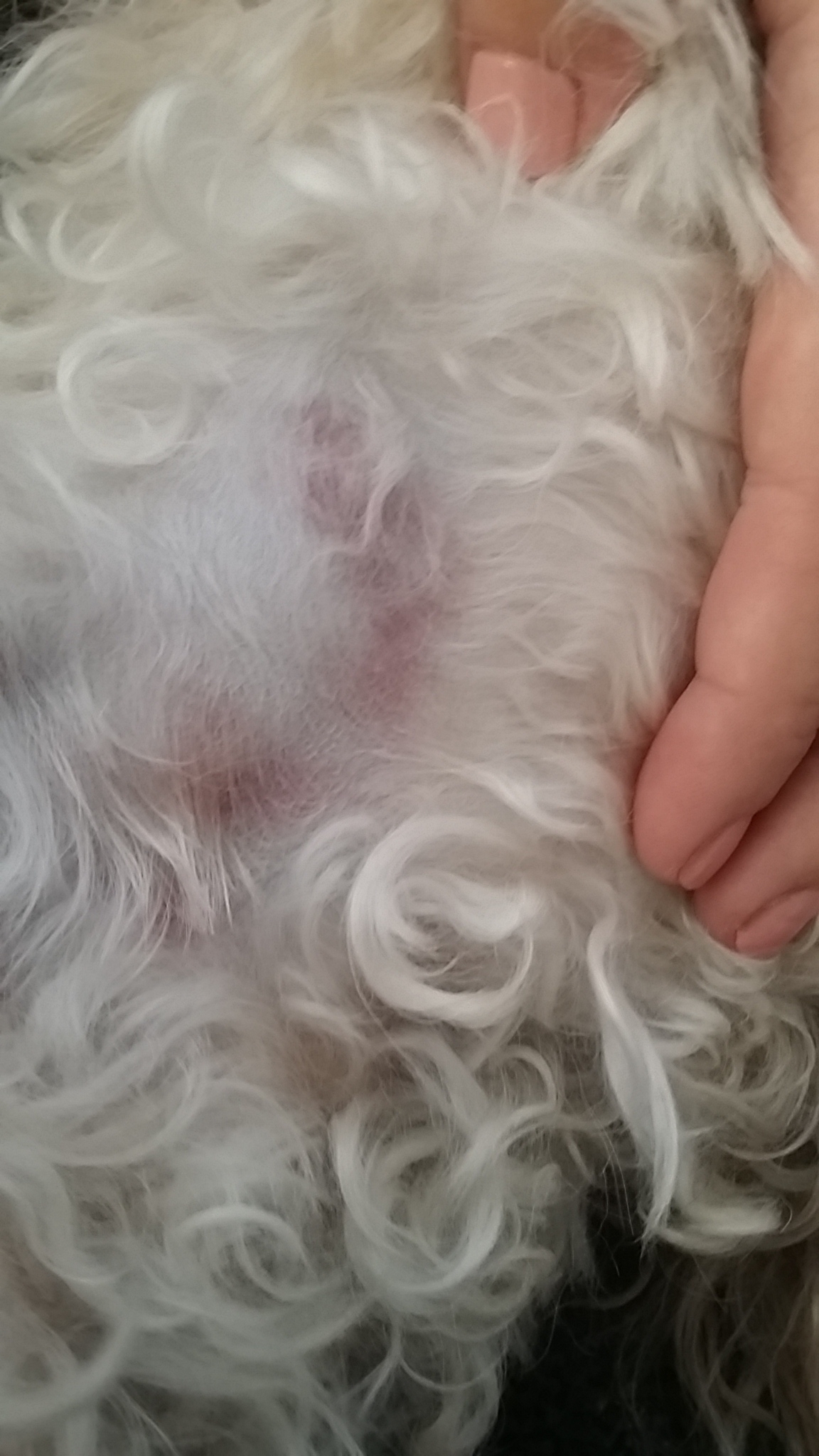
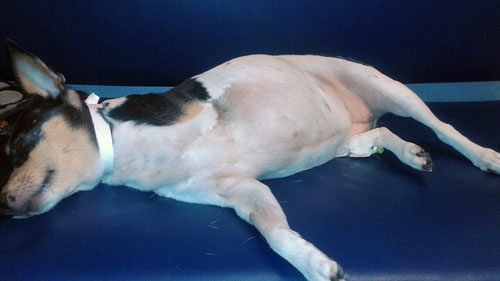
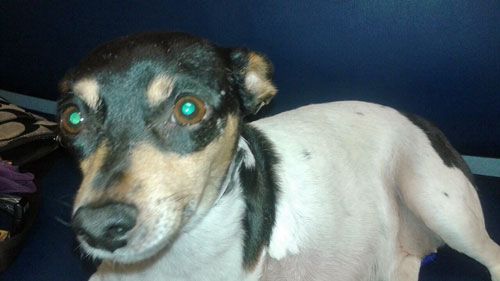
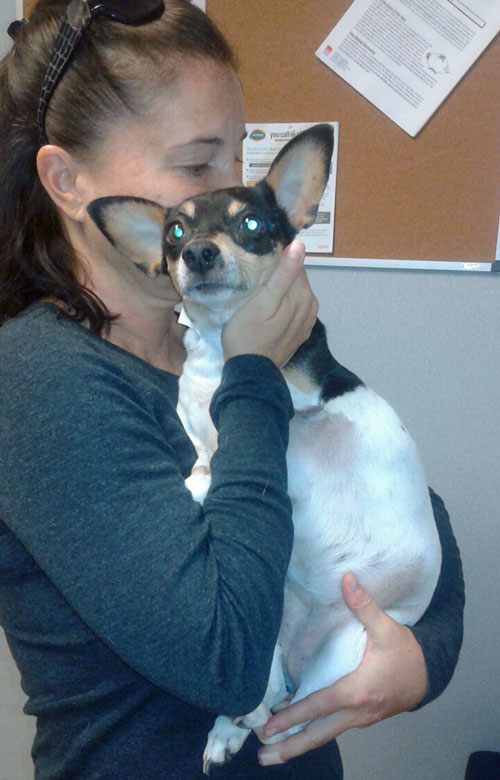
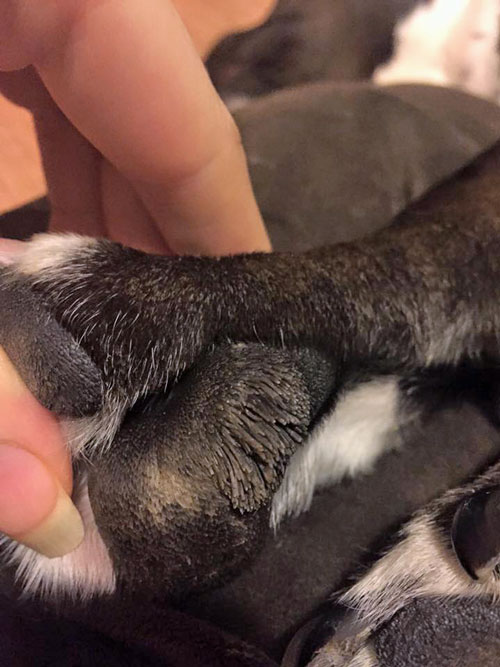
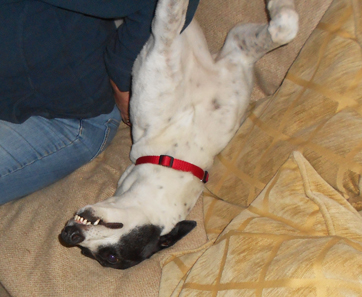
How to examine the lymph nodes. Follow the pictures
Tara,
Please don’t immediately jump to conclusions. Lymph nodes can react to infection and allergies and can be quite prominent in a dog’s neck, but also can be felt in the back of the legs. If you find a number of locations where these nodes are a bit swollen it is most likely an allergy.
http://www.petmd.com/dog/conditions/cancer/c_multi_lymphadenopathy
http://www.peteducation.com/article.cfm?c=2+2101&aid=319
Once you find where these are located, you will not forget how to find them again.
my best, patrice
Hi Hope,
I am so glad to hear about the mistake on the x-ray! No need to be worrying about things that aren’t real!
Metrondiazole can be a very valuable drug for gastrointestinal problems. However there can be some unwanted side effects in dogs when it is used long term. Can you tell me why they prescribed it?
Licking lips is a clear sign of upset stomach and nausea. Is he also arching his back or acting like he is uncomfortable? There are several meds that can be used to reduce this nausea, like Cerenia. I would honor his desire not to eat for now.
This may be pancreatitis, an inflammation of the pancreas. This can happen to dogs being treated with prednisone. If this were me, I would call the vet in the morning and ask about this specifically. A dog that has a singular attack of pancreatitis can recover if food is withheld for a bit. Keep offering water. Afterwards, once the inflammation has reduced, giving a low fat diet will help to keep it from recurring. You have done nothing wrong, this can be related to the drugs you are using.
The other thing that could be happening is that an ulcer has developed in the stomach from the corrosive actions of prednisone and aspirin. Sometimes even when we are really careful to provide stomach protection this can happen. I would ask if the vet thinks you should be using sucralfate, a kind of mild internal “bandage” for the stomach. It will help coat and heal any ulcers that might be developing. Be sure to give it to him away from all food and drugs so it doesn’t interfere with absorption.
I wish we didn’t have to give dogs such awful medicines, but they are life savers. Being vigilant and catching these signs shows that you are paying attention to his behavior. What a good job you are doing!
my best, patrice
Hi Ruth,
I am really happy that this PCV is this high! Wonderful news! You must be beside yourself with relief.
I am, however, peeved about the mistakes with the blood sample. This happens far too often. In a healthy dog, an odd number is clearly a mistake and most vets won’t say anything about it. In a dog whose medication dosages are determined by the results of these tests, it is inexcusable for them not to take great care with these tests.
May I suggest that you do a few things to you to make this situation better?
Make sure that Nula has fasted about 8-10 hours before the test but make sure she is well hydrated, provide lots of water. Trying to get a good blood sample from a dehydrated dog can actually damage the sample, leading to these kinds of problems. Dehydration can skew the results, changing the percentage of some things incorrectly. The red blood cells can also bang against each other due to the slow tube fill and burst causing clotting. Eating too close to the time of the test will increase the number of fat molecules in the blood. These can cause aberrations in the sample that the automated laser will have trouble seeing through. The sample would be referred to as lipemic.
Schedule a time when you know the clinic will be quiet. Try to avoid any stress to Nula. Dogs react to many situations by being over-alert. This can cause changes in the blood that can skew the results as well. If you can, try to get there really early in the morning when it is quiet and she is sleepy.
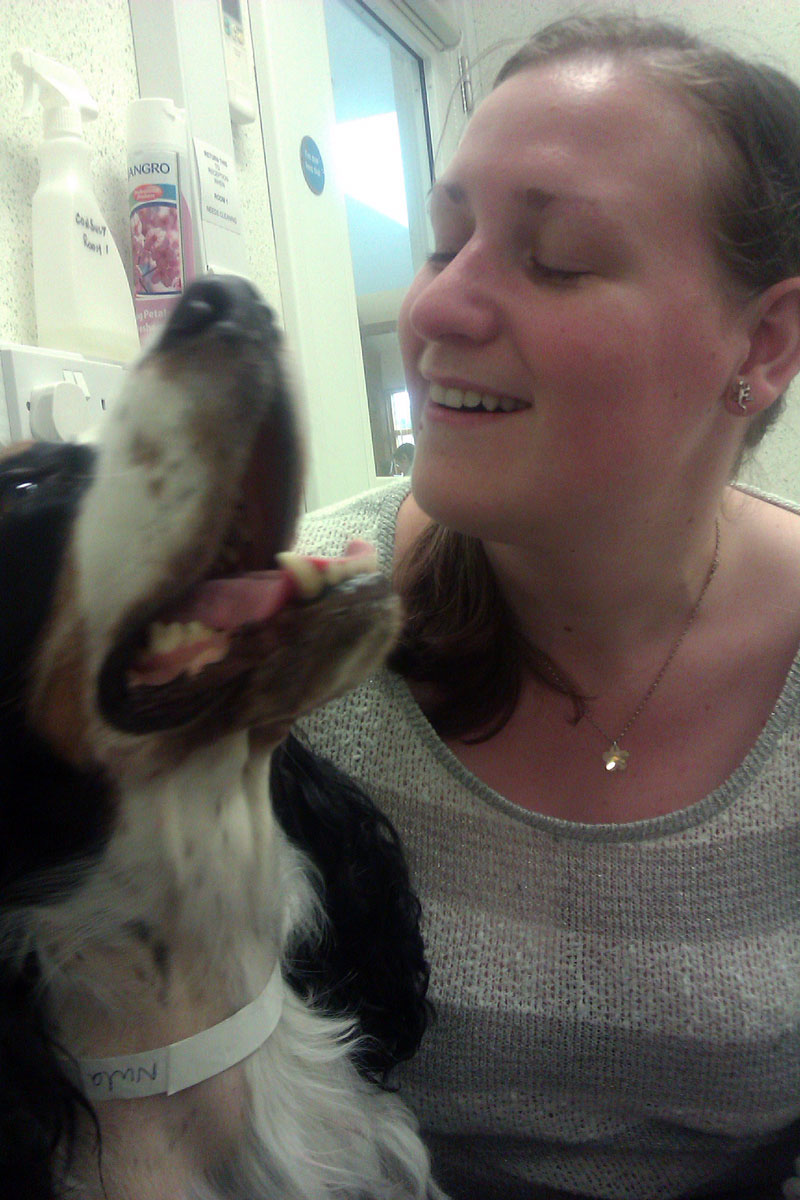
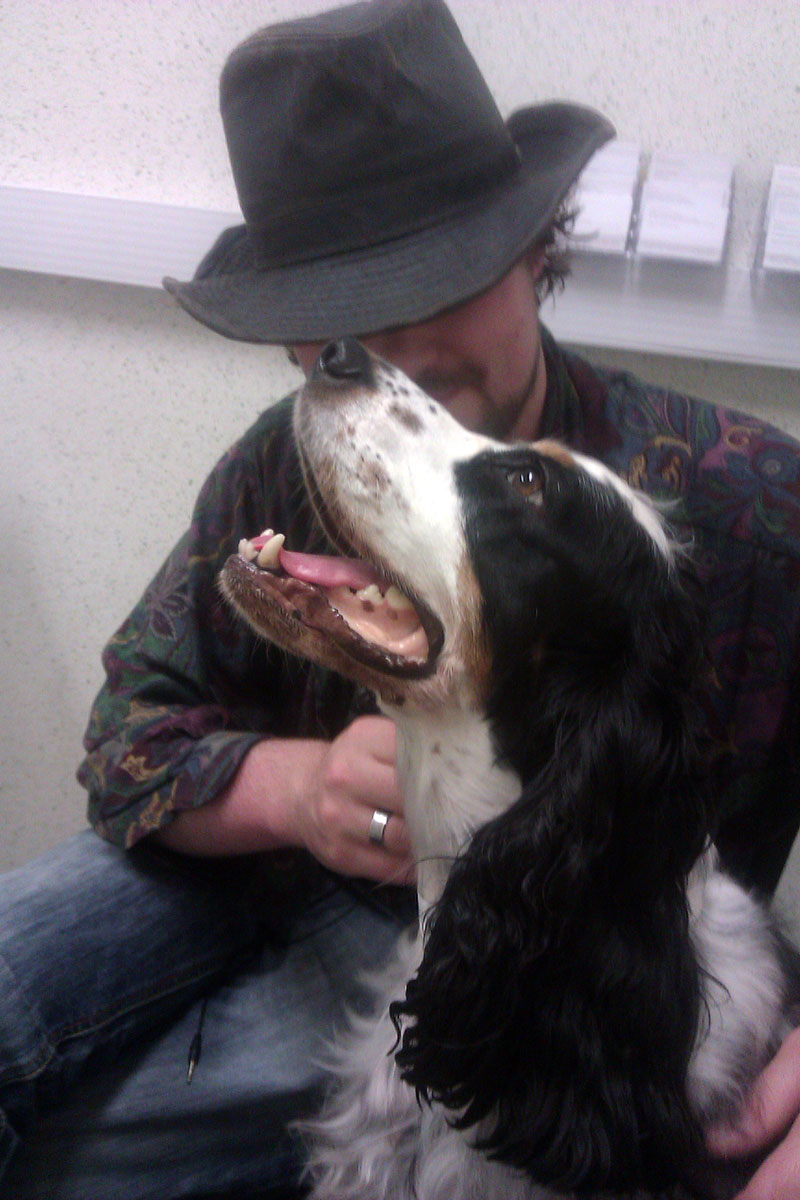
Always politely ask to be with Nula when they do the blood draw. Be abnormally quiet and reserved so she will not reflect your nervousness. I actually sit on the floor with my dogs petting them and singing to them quietly to relax them.
Carefully observe the behavior of the techs that take the samples. If they are nervous and fumble, seem to not be sure what they are doing, remember their name. When you find a tech that is good and that Nula likes make sure you get their name. When you schedule the next appt ask for her/him. Say whatever you have to in order to make that happen but always be polite and respectful, “oh Nula loves Sam so much, is there any chance she will be available to do her blood sample on thursday morning?” Be agreeable to changing your schedule to have that tech.
Never leave your dog alone with the staff when you are there. Be extremely polite, but nicely insist that you are with her. Say something like you are studying how something is done and you want to watch or be profuse about admiring how clever the tech is. Just make it happen.
This is the only way you are going to find out who and how these samples are getting goofed up. A sample needs to be taken carefully and efficiently, the sample tube needs to be handled carefully, it needs to be taken care of immediately. In all three cases it will clot abnormally.
If you are suspicious, don’t make a big fuss with that tech but in a bit mention you need to talk to the vet before you leave. Be polite to the vet but suggest that “you think that a mistake was made with the blood and could the vet be so good as to check it before I leave? I would be so worried if this happened again.”
You are Nula’s advocate and no one cares as much as you do about her health. Be polite but get what you need. Always be gracious and thankful to the vet, but make this happen.
Prednisone reductions should be made at about 25-33%. They should always be preceded by a full CBC. In between these reductions you should schedule a single PCV, which should not cost you more than $15-20, to make sure she is staying stable. Put at least 2 weeks but as much as 3-4 weeks between changes. When you get to lower doses, figure out the dosage reduction over a week’s average rather than the daily dosage. For instance if is 20mg a day (10mg BID):
multiple 20 by 7 = 140mg per week
140mg * 33% = 46
140-46 = 94
94/7 = 13.5mg
So you could go down to 10mg or to 15mg. I would be apt to go to 15 mg per day. I would have, if this were me, given 10 in the morning and 5 in the evening. Your vet is always the person to ask about this. My reasoning is that dogs need that cortisol early in the day when they are active, it helps them with the stress of the day better.
When you get to much lower doses, your vet may want to try to go to an every other day dosing. This will help “wake up” the adrenal glands that have become inactive while you flooded the body with excess cortisol in the form of prednisone. There is a risk during this time that they won’t wake up as fast as we thought they should and the amount of prednisone is too low. So that is why we go very slow, to give those glands time to wake up!
The Atopica is a good drug to continue providing the immunosuppression that is required. Keeping her at doses that are comparable to what is the normal maintenance dose on the packaging for a dog with allergies.
my best
patrice
Bunny,
Do please get a hold of the last 2-3 test results, both CBC and chem screen. You can upload them at the Urgent Advice page.
I am not shocked that you haven’t heard of this condition. I have been helping owners for over 7 years now and many vets and clinics are sadly not up to speed on the diagnosis or treatments.
The reality is that most vets are quite capable of diagnosing and initiating a treatment protocol and sadly shirk away from the emergency of it. In fact, this kind of an early start is how many dogs succeed while others fail. Some cases are more difficult, but it is that initial emergency treatment that stabilizes the patient that can make all the difference.
We want nothing more than to see Wendi survive this. Her diabetes is a difficult part of this treatment because of the necessity for early prednisone, but shifting the treatment over to Atopica will target the killer T-cells that are most likely responsible for the autoimmune attack on the RBC.
Tell me if they have done any other diagnostics? Considering her age they should have done an abdominal x-ray at a minimum to look for tumors. I would really like to know what condition the spleen is in.
Do you know how her heart is at this point? Have you ever had a thyroid test done? How is her diet etc?
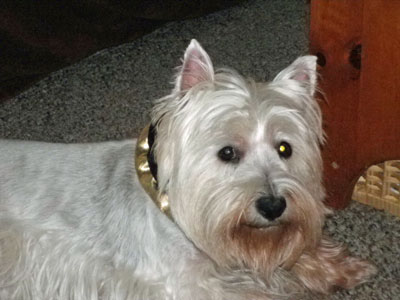
Is Wendi from a Westie breeder? If so, checking in with them would also be an excellent idea. They may have some health history on her sire and dam plus her litter mates.
Gosh, I always have too many questions, forgive me!
my best
patrice